The Grotte d’Anjohibe: Madagascar’s Underground Cathedral
This article contains affiliate links. We may earn a small commission at no extra cost to you if you book through them.
By Jordan Lamont · Last updated 7 October 2026
At a Glance
- What: Anjohibe — a vast limestone cave system with underground pools
- Where: Boeny region, ~80 km northeast of Mahajanga
- Scale: 5+ km, ~100 galleries, stalactites over 10 m
- Highlight: emerald swimming pools and a waterfall
- Season: April–November (4×4 access) · stay in Mahajanga
Say it like a local: Anjohibe (an-zoo-EE-beh) — “at the big cave,” from zohy (cave) and be (big).
Most people come to Madagascar for what lives on top of it — lemurs, baobabs, reefs. Few realise that one of the island’s most extraordinary landscapes is underground. North-east of Mahajanga, a 4×4 track leads to Anjohibe: kilometres of limestone halls, cathedral-sized chambers lit by shafts of daylight, and emerald pools you can swim in. It is Madagascar’s great hidden cathedral of stone.
A cave the size of a city block — many times over
The Anjohibe system stretches over 5 kilometres through a network of roughly 100 galleries, some of them the size of buildings. Its limestone karst has grown stalactites and stalagmites exceeding 10 metres, and daylight pours in through shafts and collapsed sections of ceiling, turning dark passages into naturally lit halls. It is often described as among the largest cave systems in the region — a genuinely vast underworld that most Madagascar itineraries never touch.
Swimming in the dark
What sets Anjohibe apart from a normal show-cave is the water. Inside and around the system lie deep, emerald-green natural pools. The first you reach is shallow; a second, at the foot of a waterfall, is deep and genuinely swimmable, with a drop of around 20 metres feeding it. Floating in cool, clear water beneath a cave roof, light falling through a hole far above, is the kind of experience that justifies the long, bumpy drive on its own.
Getting there is part of the story
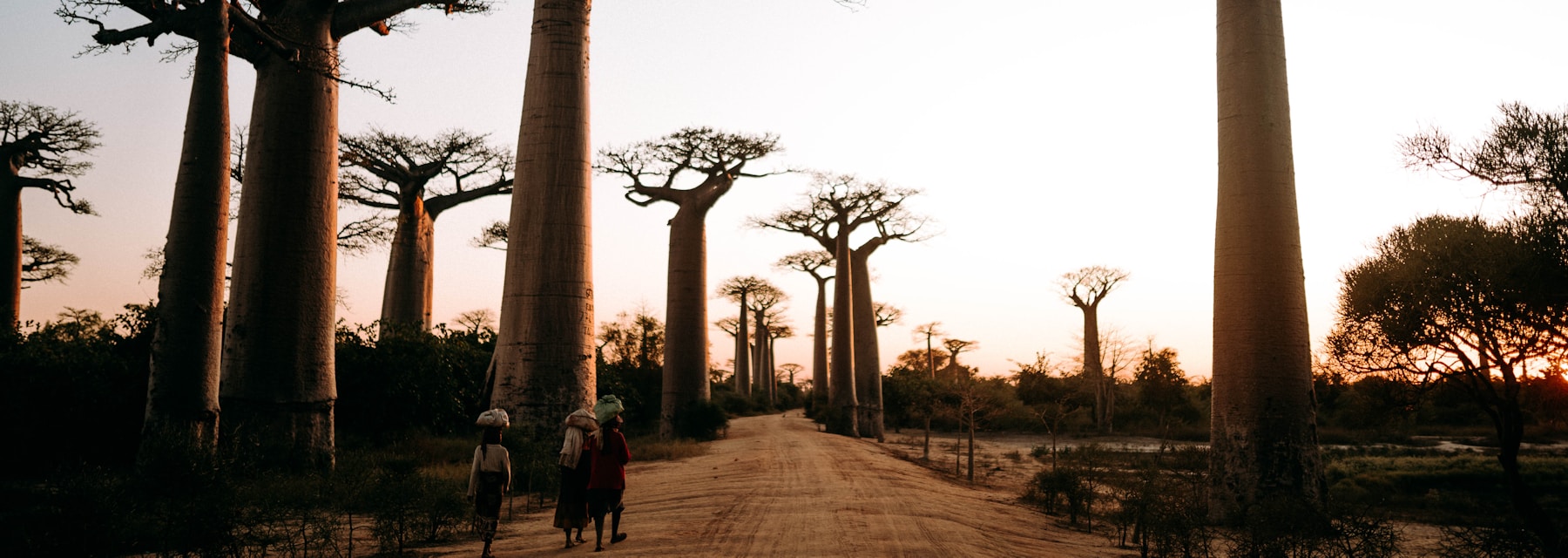
Anjohibe is not a drive-up attraction. It sits about 80 kilometres from Mahajanga, most of it on rough track that is only reliably passable in the dry season, roughly April to November. A 4×4 and a local guide are essential, and the journey through dry forest and baobab country is an attraction in itself. That difficulty is exactly why the caves remain uncrowded and feel like a discovery rather than a stop.
Why it matters today
Anjohibe rounds out the picture of Madagascar as a place of layered wonders — not just a surface of wildlife but a honeycombed interior of stone and water. Pair it with the beach city of Mahajanga (see our Mahajanga vs Nosy Be comparison), go in the dry season — check when to visit — and plan the northwest with our Madagascar travel guide.
See it for yourself — Anjohibe is a full-day 4×4 excursion from Mahajanga on the northwest coast.
- Where to stay in Mahajanga on Agoda
- Mahajanga & northwest tours on GetYourGuide
- Compare 4WD rental on Carla — essential for the track
FAQ
Where are the Anjohibe caves?
In the Boeny region of northwest Madagascar, about 80 km (roughly 60 km of track) northeast of Mahajanga.
How big is the cave system?
It stretches over 5 km through some 100 galleries, with stalactites that can exceed 10 metres — among the largest cave systems in the region.
Can you swim there?
Yes — Anjohibe is famous for deep emerald natural pools, including one at the foot of a waterfall, which are a highlight of the visit.
When can you go?
Generally April to November (the dry season), when the 4×4 track from Mahajanga is passable.
Travel insurance for Madagascar
Medical evacuation from Madagascar’s interior can cost USD 30,000–80,000, so travel medical cover is worth arranging before you go. SafetyWing is the disclosed partner we mention on this site — a monthly-subscription travel medical plan. Check SafetyWing’s plans.
Plan Your Trip to Madagascar
- Read the full Madagascar Travel Guide
- Explore itineraries by style and duration
- Explore the full destination guide
Where to Stay