Antsirabe, Madagascar 2026: The Complete Travel Guide to the Highland Spa Town
Affiliate disclosure: This article contains sponsored links to hotels, tour operators, insurance providers, and other travel services. We earn a small commission if you book through our links, at no extra cost to you.
Antsirabe 2026 — At a Glance
- What & where: A cool, high-altitude spa town in Madagascar’s central highlands (Vakinankaratra region), sitting at roughly 1,500 m about 170 km — a 3 to 4 hour drive — south of the capital, Antananarivo, on the RN7 highway.
- Best time: The dry, cooler season from around April to November is most comfortable; bring warm layers year-round because highland evenings can be genuinely cold.
- Highland tours & day trips: Browse highland tours & day trips on GetYourGuide.
- Plan with a local: Build a tailored highland itinerary when you contact Carla.
- Getting around: The easiest way to reach and explore Antsirabe is a car & driver via Carla.
- Flight protection: If a flight delay or cancellation affects your trip, you may be owed compensation — check eligibility with AirAdvisor.
- Travel insurance: Cover yourself for the road and the unexpected with SafetyWing Nomad Insurance.
- Where to stay: Compare central highland stays on Agoda.
- How long: Most travellers spend 1 to 2 days here, often as a planned stop on the longer RN7 road trip south.
🎒 Madagascar Trip Essentials
A few inexpensive items make the biggest difference on the ground in Madagascar:
- Picaridin insect repellent — DEET-free protection against malaria mosquitoes. See on Amazon →
- Permethrin clothing spray — treat clothes; kills mosquitoes on contact for weeks. See on Amazon →
- Pop-up mosquito net — budget lodges rarely provide one; packs down tiny. See on Amazon →
- Water filter bottle — tap water isn’t safe to drink in Madagascar. See on Amazon →
- Universal travel adapter (USB-C) — Madagascar uses European-style plugs. See on Amazon →
- 8×42 binoculars — essential for spotting lemurs and chameleons in the canopy. See on Amazon →
As an Amazon Associate we earn from qualifying purchases.
Roll into Antsirabe and the first thing you notice is the temperature. After the warm lowlands and the busy sprawl of Antananarivo, the air here turns crisp and clean, scented with woodsmoke and eucalyptus. This is highland Madagascar at its most distinctive: a planned, elegant little town of wide tree-lined avenues, faded colonial facades, and an extraordinary fleet of brightly painted rickshaws weaving through the streets. Antsirabe was built around its mineral springs as a spa retreat, and more than a century later it still feels like a place designed for slowing down, taking the waters, and watching highland life unfold at walking pace.
There is a particular quality to mornings here. Mist often lingers over the surrounding rice paddies at dawn, the first pousse-pousse drivers begin staking out their corners, and the markets stir to life with stacks of highland vegetables, woven baskets, and trays of warm street snacks. By mid-morning the light is sharp and clear in the way that only altitude delivers, and the town reveals its gentle, lived-in charm: shopfronts in chipped pastel paint, schoolchildren in uniform, the constant, cheerful clatter of metal-rimmed rickshaw wheels on tarmac. It is a place that rewards curiosity at street level rather than a checklist of sights.
For travellers, Antsirabe is one of the most rewarding stops on the famous RN7 route that runs south from the capital toward the coast. It is a comfortable first overnight halt out of Antananarivo, a genuine cultural destination in its own right, and a working hub for the artisans, gem cutters, and rice farmers of the Vakinankaratra. This complete guide covers what Antsirabe is and where it sits, its surprising history, the thermal springs and spa heritage that gave the town its character, the pousse-pousse culture it is famous for, the crater lakes nearby, the workshops where you can watch craftspeople at work, a suggested one-to-two-day itinerary, the practical things worth knowing before you arrive, an honest verdict on whether it is worth your time, and exactly how to get there, get around, and decide how long to stay.
What & where is Antsirabe?
Antsirabe is the principal town of the Vakinankaratra region in Madagascar’s central highlands. It lies on the RN7, the country’s most-travelled long-distance highway, roughly 170 km south of Antananarivo. In good conditions the drive takes three to four hours, though Malagasy road realities — winding sections, market-day traffic, and the occasional roadworks — mean you should treat that as a guideline rather than a promise.
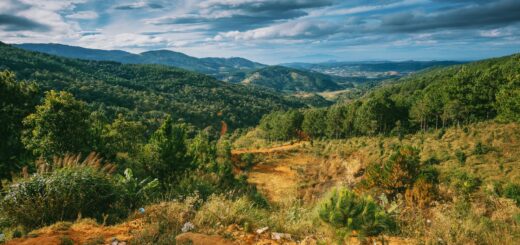
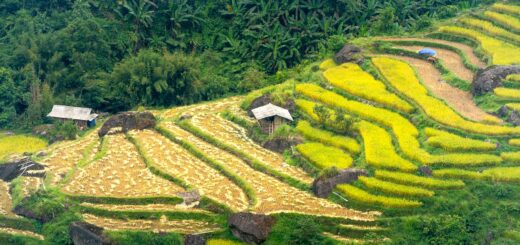
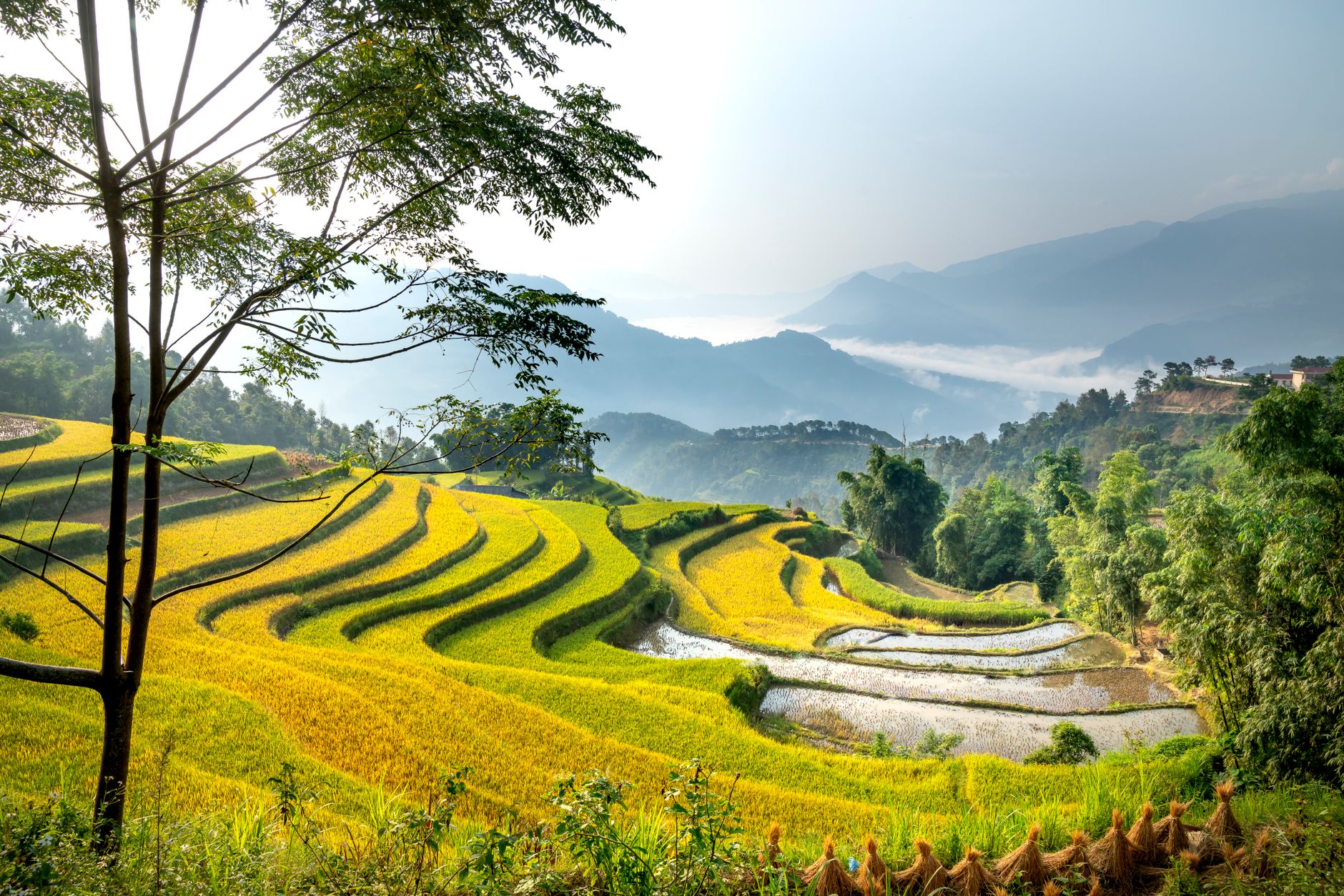
The town sits at an altitude of around 1,500 metres, which explains everything about its climate. The air is cool and often genuinely cold after dark, even in the warmer months, and the surrounding landscape is classic highland Madagascar: terraced rice paddies, brick-red earth, eucalyptus stands, and the smooth volcanic hills that hint at the region’s fiery geological past. The Vakinankaratra is one of the country’s most productive agricultural regions, and that fertility is visible everywhere — in the neat field terraces stepping up the hillsides, the brickworks firing the region’s characteristic red clay, and the produce piling high in the town’s markets.
Antsirabe is one of Madagascar’s larger towns and an important regional centre, yet it never feels overwhelming. The core where visitors spend most of their time — the spa quarter, the main avenues, and the principal markets — is compact enough to cross on foot in a leisurely half hour, with pousse-pousse on hand whenever your legs tire. Around that walkable heart, residential neighbourhoods, workshops, and the surrounding countryside spread out toward the volcanic hills and lakes. If you are mapping out the wider region, our guide to the best of the central highlands puts Antsirabe in context alongside its neighbours.
A short history: Madagascar’s “Vichy”
Antsirabe owes its existence to a deliberate act of town planning. It was founded in 1872 by Norwegian Lutheran missionaries who were drawn to the cool highland climate and the area’s mineral springs. They envisioned a healthful highland retreat — a place where missionaries and, later, colonial residents could escape the heat of the lowlands and “take the waters” much as Europeans did at home.
That spa-town ambition shaped everything that followed. As the springs were developed and a grand bathing establishment took root, Antsirabe earned its enduring nickname: Madagascar’s “Vichy”, after the famous French thermal resort. The comparison is not just marketing. The town was laid out with the broad, straight avenues and dignified public buildings of a planned resort, and that planned elegance still defines its centre today — a rare thing in Madagascar, where most towns grew organically rather than by design.
Through the colonial period and beyond, the town flourished as a retreat from the heat and as an industrial centre, drawing on the cool climate, the reliable highland water, and its position on the main route south. The railway arrived to link the highlands, and the legacy of that era is written all over the town: in the bathing establishment, the old station, the avenues, and a faded European formality that sits intriguingly alongside the everyday Malagasy life that fills the streets. Understanding this founding story changes how you see Antsirabe — what could read as a slightly time-worn provincial town is in fact a deliberate highland resort, slowly weathering but still recognisably the place its founders imagined.
Thermal springs & spa heritage
The springs are the reason Antsirabe exists, and they remain central to its identity. The very name of the town is tied to its mineral-rich, saline waters — the springs that bubble up here are what first drew settlers to the site. For visitors, the most striking legacy of this heritage is architectural.
The landmark to seek out is the Hôtel des Thermes, the grand colonial bathing-and-lodging building that dominates the spa quarter. Approached down its long avenue, the building’s symmetrical facade, deep verandas, and faintly French silhouette make it the most photographed structure in town. Even if you only photograph it from the avenue, its scale and faded grandeur tell the whole story of Antsirabe’s founding ambition: a highland resort meant to rival the spa towns of Europe. The thermal baths associated with this tradition are part of what gives the town its unhurried, restorative atmosphere.
For travellers, the spa quarter is less about a single must-do experience and more about soaking up an unusual atmosphere. The wide approach avenue, the lake near the thermal establishment, and the surrounding gardens make for a gentle, photogenic stroll, and the whole quarter is best appreciated slowly, ideally in the soft light of late afternoon. Where bathing or wellness facilities are open to visitors, they tend to be simple rather than luxurious, in keeping with the town’s understated character — ask at your accommodation about what is currently available, as offerings change. Whether or not you choose to bathe, walking the spa quarter is the best way to feel the town’s original purpose and to understand why Norwegian missionaries chose this exact spot more than 150 years ago.
Pousse-pousse culture: the rickshaw capital
If Antsirabe has one unmistakable signature, it is the pousse-pousse. These hand-pulled rickshaws — and their pedal-powered cousins, the cyclo-pousse — are everywhere here, in numbers and in colours you will not see anywhere else in Madagascar. Antsirabe is, without exaggeration, the country’s rickshaw capital.
The pousse-pousse are painted in bright, cheerful colours, often hand-decorated with names, slogans, and motifs, and they line up at every junction and market. They are a genuine, working form of transport for local people, not a tourist novelty, though visitors are very welcome to ride. The drivers are a fixture of the town’s character — wiry, hard-working, often calling out cheerfully for custom — and many have decorated their rigs with painstaking pride. A short trip across town in one is one of the simplest and most characterful things you can do in Antsirabe, and it gives you a street-level view of the avenues, the markets, and the daily rhythm of highland life that you would miss from inside a car.
A few small courtesies go a long way. Agree the fare clearly before you set off so there are no misunderstandings at the end; for short hops within the town centre, fares are modest and quoted in ariary. Bargaining is normal and expected, but do it with a smile and a sense of perspective — the sums involved are tiny by visitor standards, and these drivers earn their living through genuinely hard physical work. A fair price paid willingly, and a small tip on top, is both appreciated and the decent thing to do. On steeper streets, do not be surprised if your driver gets out and pushes; offering to walk a short uphill stretch yourself is a kindness that is often warmly received.
The crater lakes: Andraikiba and Tritriva
Antsirabe sits in volcanic country, and two crater lakes within easy reach are among the area’s most popular short excursions. Both come wrapped in local legend, which is part of what makes visiting them so memorable.
Lac Andraikiba
Lac Andraikiba is the closer and more easily accessed of the two, a broad volcanic lake set in open highland scenery a short drive west of town. It is a calm, scenic spot for a walk and a picnic, with gentle shores and big highland skies, and like many highland lakes it carries its own traditional stories — local legend tells of a young woman lost to its waters, a tale you may hear from guides at the lakeside. It makes an easy half-day outing, especially if you are travelling with a driver who can wait while you stroll the shore. Because it is so close to town and the terrain is open, it is the gentler, more relaxed of the two lake visits, well suited to a slow morning before the heat of the day.
Lac Tritriva
Lac Tritriva, around 17 km from Antsirabe, is the more dramatic of the pair: a deep, steep-sided crater lake whose still water glows an intense emerald green. It is considered sacred locally and is the subject of a well-known and poignant legend of two young lovers, told by the people who live around it; a knowledgeable local guide brings the story and the site’s traditional significance to life and is well worth engaging at the lake. The setting — a near-vertical rim dropping to that dark green water, fringed with twisted vegetation — is genuinely striking, and a short walk lets you circle part of the rim for changing views down to the surface. Reaching it usually involves a short, scenic drive on rougher roads beyond the town’s edge, through villages and farmland that are a pleasure in themselves. Treat the site with respect: this is a sacred place to the people who live around it, so follow your guide’s lead on local customs and any restrictions. Because both lakes lie a little outside Antsirabe, the most relaxed way to see them is with a car & driver via Carla who knows the turn-offs and can pair the lakes with a stop near Betafo.
Artisan workshops: gems, tin toys & textiles
Antsirabe is one of the best places in Madagascar to watch craftspeople at work, and the highlands’ mineral wealth is a big part of why.
Gemstones & semi-precious stones
The central highlands are gem-rich, and Antsirabe has a long tradition of cutting and polishing semi-precious stones. In small workshops you can watch raw stones being shaped, faceted, and polished by hand on simple wheels, and the lapidaries are usually happy to explain what they are working on. You will see everything from rough crystals to finished, faceted stones, alongside polished spheres, eggs, and decorative pieces. If you intend to buy, take your time, ask questions, and buy only from sellers you feel comfortable with — part of the pleasure is understanding where a stone comes from and how it was worked. A note of caution: it is genuinely difficult for a non-expert to judge the quality, identity, or value of a gemstone, so approach any high-value purchase with healthy scepticism, never pay more than you can comfortably treat as a souvenir, and be aware that grand claims about rarity or investment value should be taken with a large pinch of salt.
Miniature bicycles, cars & tin craft
One of Antsirabe’s most charming specialities is its handmade miniatures: intricate little bicycles, cars, and other models built from recycled tin and aluminium, often from cans and scrap. The craftsmanship is remarkable — the miniature bicycles in particular have working wheels, pedals, and steering, painstakingly cut, folded, and soldered by hand. Watching an artisan assemble a tiny working bicycle from flattened metal is a memorable encounter, and buying directly from the maker means your money goes straight to the person who made it. These make light, distinctive, and pleasingly inexpensive souvenirs that pack easily — a far more characterful keepsake than anything mass-produced.
Embroidery, zebu-horn carving & raffia
The town is also known for fine embroidery and textiles, for objects carved from zebu horn, and for raffia weaving — staples of highland craft. Between the workshops and the markets, Antsirabe is a place where you can meet the makers directly, which is a far richer experience than buying from a shelf.
Colonial architecture, avenues & the market
Antsirabe’s planned origins make simply walking around a pleasure. The town is laid out along wide, tree-lined avenues, and scattered among them are the dignified, weathered buildings of the colonial era — including the old railway station, a relic of the days when the line connected the highlands. There is a gentle, slightly faded grandeur to it all that rewards an unhurried wander, camera in hand.
For colour and energy, head to the Asabotsy market, one of the town’s busiest gathering points, where highland produce, household goods, textiles, and craft spill across the stalls. It is a lively, authentic slice of Antsirabe life and a great place to feel the town’s working pulse. Comparing the highland towns? Our Antananarivo vs Antsirabe comparison helps you decide how to split your time between the capital and its calmer southern neighbour.
The STAR brewery & Three Horses Beer
Antsirabe has an industrial claim to fame as well: it is home to the STAR brewery, the company behind THB — Three Horses Beer, Madagascar’s best-known beer, found in restaurants and hotels across the island. The cool, clean highland water is part of why brewing took root here, and STAR is a major local employer that has long been bound up with the town’s identity. Beyond the flagship lager, the same company produces a range of soft drinks and other beverages you will encounter throughout your travels in Madagascar.
Brewery visits are sometimes possible depending on current arrangements, so it is worth asking locally or through your accommodation if a tour interests you. Even if you do not tour the plant, ordering a cold THB at the end of a long day on the road feels appropriately local once you know it was brewed right here in town — a small, satisfying way to connect a place to a flavour you will come to associate with Madagascar.
Antsirabe as an RN7 hub & base
Beyond its own attractions, Antsirabe is a superb base for the central highlands and a natural staging post on the RN7. From here the highway continues south toward Ambositra, the celebrated centre of Madagascar’s intricate woodcarving tradition, and on into the deeper highlands and eventually the south.
The countryside immediately around town is rewarding in its own right: a patchwork of rice paddies, volcanic hills, and rural villages, with the Betafo area and its waterfalls within reach for a day trip. Many travellers use Antsirabe as the place to base themselves while they sample the surrounding highland landscapes before pushing on. If the full route south is on your itinerary, our guide to the RN7 road trip through southern Madagascar shows how Antsirabe fits into the bigger journey, and you can browse organised highland tours & day trips on GetYourGuide to add structure to your days.
Getting there & getting around
Almost everyone arrives in Antsirabe by road, down the RN7 from Antananarivo. You have two broad choices: shared and long-distance vehicles (cheaper, but slower and less flexible) or a private car and driver, which is by far the most comfortable and time-efficient option, especially if you plan to detour to the lakes or continue south at your own pace. For a clear-eyed overview of the trade-offs, see our guide on how to get around Madagascar.
Within Antsirabe itself, the town is compact and very walkable, and the pousse-pousse fill in the gaps beautifully for short hops, market runs, or simply for the experience. There is no need for any other local transport in the centre — between your own feet and a rickshaw, you can reach everything that matters. For everything beyond the town centre — the crater lakes, Betafo, Ambositra — a car and driver is the practical answer, both for comfort and because public options to these spots are limited, slow, and awkward to coordinate. Having a driver also means you can pair several sights into a single relaxed day and stop for photos wherever the highland scenery demands it. If you are still shaping your plans, our first-timer travel tips for Madagascar cover the practical groundwork, from pacing to road expectations.
How long to stay
Most travellers find that one to two days is the sweet spot for Antsirabe. A single full day is enough to walk the avenues, ride a pousse-pousse, visit a workshop or two, and soak up the spa-town atmosphere. A second day lets you add the crater lakes, a brewery visit, or a half-day into the surrounding countryside without rushing. If you are travelling the RN7 south, building in an unhurried overnight here breaks up the journey perfectly and gives you a genuine highland experience rather than a quick photo stop. For a deeper local-knowledge comparison with another classic highland town further south, see Antsirabe vs Fianarantsoa.
A Suggested 1-2 Day Antsirabe Itinerary
Antsirabe rewards an unhurried approach, and the following sample plan shows how to make the most of one or two days without rushing. Treat it as a flexible framework rather than a rigid schedule — half the pleasure here is wandering and letting the town set the pace.
Day 1 — The town on foot and by pousse-pousse
Start with a slow morning walk down the main avenues to the spa quarter and the landmark Hôtel des Thermes, catching the spa-town atmosphere in the clear highland light. From there, flag a pousse-pousse and let a driver ferry you between the sights — it is the most fitting way to cover ground in the rickshaw capital. Spend the middle of the day visiting a workshop or two: watch lapidaries cutting semi-precious stones, and call in on an artisan making the famous miniature tin bicycles, where you can buy a souvenir straight from the maker. In the afternoon, dive into the colour and bustle of the Asabotsy market, then wander the colonial avenues past the old railway station as the light softens. Round off the day with a cold THB — brewed right here in town — and a hearty highland dinner.
Day 2 — Crater lakes and the countryside
Dedicate your second day to the volcanic landscape around town, ideally with a car and driver who knows the turn-offs. Head first to Lac Andraikiba, the closer of the two lakes, for a gentle morning stroll along its open shores. Continue to the more dramatic Lac Tritriva, the deep emerald crater lake about 17 km out, where a short walk along the rim delivers the area’s most striking views; a local guide will share the lake’s legend and traditional significance. With time to spare, push on toward the Betafo area, a patchwork of rice paddies, volcanic hills, rural villages, and waterfalls that captures highland life at its most timeless. Return to Antsirabe in the late afternoon, or, if you are continuing south on the RN7, this excursion makes a natural prelude to the onward drive toward Ambositra and beyond.
Practical Tips for Visiting Antsirabe
A little preparation makes a visit to Antsirabe smoother and more enjoyable. These are the practical points worth knowing before you arrive.
- Dress for the cool highlands. At around 1,500 m, Antsirabe is genuinely chilly after dark and on overcast days, even in the warmer months. Pack warm layers — a fleece or jacket, long trousers, and something for the evenings — alongside lighter clothing for sunny afternoons. The sun can still be strong at altitude, so bring sun protection too.
- Carry cash in ariary. Madagascar runs largely on cash, and you will need Malagasy ariary for markets, pousse-pousse, small workshops, and most everyday spending. ATMs exist in a town of this size but can be unreliable, so it is wise to arrive with enough cash and keep small notes handy for rickshaw fares and market purchases.
- Handle pousse-pousse fares with good grace. Agree the fare before you climb in, keep small notes ready, and remember that fares for short town hops are modest. Bargaining is normal but should be friendly and proportionate — these drivers work hard, and a fair price plus a small tip is both courteous and appreciated.
- Take everyday safety precautions. Antsirabe is a relaxed town by day, but as anywhere, use common sense: keep valuables out of sight, be more alert after dark, avoid quiet or poorly lit areas at night, and consider walking back to your accommodation by pousse-pousse rather than on foot late in the evening. Petty opportunism rather than serious crime is the main thing to guard against.
- Be cautious with gem buying. The highlands are gem country and you will be offered semi-precious stones, but quality and value are very hard for a non-expert to judge. Buy only what you would be happy to own purely as a memento, never treat a purchase as an investment, and be sceptical of dramatic claims about rarity or worth.
- Enjoy the highland food. Antsirabe is a good place to eat well. Look out for zebu (the local humped cattle) served grilled or in stews, kitoza (strips of dried, smoked or grilled meat), and mofo gasy — the soft, slightly sweet Malagasy rice-flour cakes sold warm from street griddles, especially in the mornings. Highland vegetables, rice, and fresh local produce are abundant, and a cold THB rounds off a meal nicely. As with anywhere in Madagascar, drink bottled or properly treated water rather than tap water.
- Allow for the road. The RN7 drive from Antananarivo is scenic but can be slow; build a little flexibility into your timing rather than planning tight connections on arrival day.
Is Antsirabe Worth Visiting?
For most travellers heading south on the RN7, the answer is a clear yes. Antsirabe is one of the most characterful towns in highland Madagascar and one of the easiest to enjoy: cool, walkable, friendly, and full of distinctive things to see and do, from the rickshaw culture and the spa-town heritage to the artisan workshops and the crater lakes on its doorstep. It breaks up the long drive from the capital perfectly, and it offers a genuine, unhurried slice of highland life rather than a manufactured tourist experience.
It is worth being honest about expectations, though. Antsirabe is a faded, lived-in town rather than a polished resort — its colonial grandeur is weathered, its infrastructure is modest, and the pleasures here are gentle and atmospheric rather than spectacular. If you are chasing dramatic wildlife or postcard beaches, those lie elsewhere on the island. But if you appreciate a town with real personality, an easy pace, a rich backstory, and the kind of everyday cultural texture that makes travel memorable, Antsirabe earns its place on any highland itinerary. As a one-to-two-day stop it is, for our money, one of the most rewarding and best-value halts on the entire RN7.
Getting There & Travelling Well
Reaching Antsirabe almost always begins with an international flight into Antananarivo, and long-haul journeys to Madagascar do not always go to plan. If your flight to or from Madagascar is delayed, cancelled, or overbooked, you may be entitled to compensation — it is worth checking your eligibility with AirAdvisor before you write off a disrupted flight as bad luck. To time your trip well, pair this with our guide on the best time to visit Madagascar.
Travelling the highlands means long road days, cool nights, and the kind of remote scenery that is wonderful precisely because it is far from major hospitals. That is exactly why we never travel here without insurance. SafetyWing Nomad Insurance is built for long, flexible trips and covers the medical and travel mishaps that can derail a Madagascar itinerary. Whether you are spending a single night in Antsirabe or driving the full RN7, sorting your SafetyWing cover before you leave home is one of the easiest ways to travel with peace of mind.
Plan your highland trip with Carla
The smoothest way to experience Antsirabe and the central highlands is with a local who knows the roads, the workshops, and the rhythm of the region. Contact Carla to shape an itinerary around your interests and pace, and arrange a reliable car & driver so you can relax and enjoy the highland scenery instead of negotiating logistics. While you plan, take a look at the best things to do in Antsirabe and where to base yourself among the best Antsirabe hotels.
Frequently Asked Questions
How far is Antsirabe from Antananarivo, and how do I get there?
Antsirabe lies about 170 km south of Antananarivo on the RN7 highway. The drive normally takes three to four hours depending on road and traffic conditions. The most comfortable option is a private car and driver, which also lets you stop, detour, and continue south at your own pace.
Why is Antsirabe called Madagascar’s “Vichy”?
Because it was founded in 1872 as a highland spa retreat built around its mineral springs, much like the famous French thermal town of Vichy. The grand Hôtel des Thermes and the town’s planned, avenue-lined layout are the lasting legacy of that spa-resort ambition.
What is Antsirabe famous for?
Its thermal springs and spa heritage, its colourful pousse-pousse (rickshaw) culture — it is Madagascar’s rickshaw capital — its artisan workshops for gemstones, recycled-tin miniatures and textiles, the nearby crater lakes of Andraikiba and Tritriva, and the STAR brewery that makes Three Horses Beer.
How many days should I spend in Antsirabe?
One to two days suits most travellers. One full day covers the town itself, while a second day adds the crater lakes, a brewery visit, or an excursion into the surrounding highland countryside.
When is the best time to visit Antsirabe?
The cooler, drier season from around April to November is generally the most comfortable. Because Antsirabe sits at around 1,500 m, evenings can be cold at any time of year, so pack warm layers regardless of when you travel.
Is Antsirabe safe for tourists?
Antsirabe is a relaxed highland town and is generally comfortable to visit, but normal travel precautions apply. Keep valuables out of sight, be more alert after dark, avoid quiet unlit areas at night, and use a pousse-pousse rather than walking late in the evening. Petty opportunism rather than serious crime is the main concern. Travelling with good insurance, such as SafetyWing, adds peace of mind for the wider trip.
What food should I try in Antsirabe?
Look for zebu (the local humped cattle) grilled or in stews, kitoza (dried and smoked or grilled meat strips), and mofo gasy, the soft, slightly sweet rice-flour cakes sold warm from street griddles in the mornings. Pair a meal with a cold THB, the beer brewed right here in town, and stick to bottled or treated water.
Ready to explore the highlands?
Let a local handle the details. Contact Carla to build a tailored Antsirabe and central-highlands itinerary, and arrange a comfortable car & driver via Carla. Compare central highland stays on Agoda, see what an Antsirabe trip costs, and travel protected with SafetyWing Nomad Insurance.
Plan Your Trip to Madagascar
- Read the full Madagascar Travel Guide
- Explore itineraries by style and duration
- Explore the full destination guide
Where to Stay