Best Beaches in Diego Suarez (Antsiranana): Hidden Gems, Turquoise Waters and Untouched Coastlines (2026)
Affiliate disclosure: This article contains sponsored links to hotels, tour operators, insurance providers, and other travel services. We earn a small commission if you book through our links, at no extra cost to you.
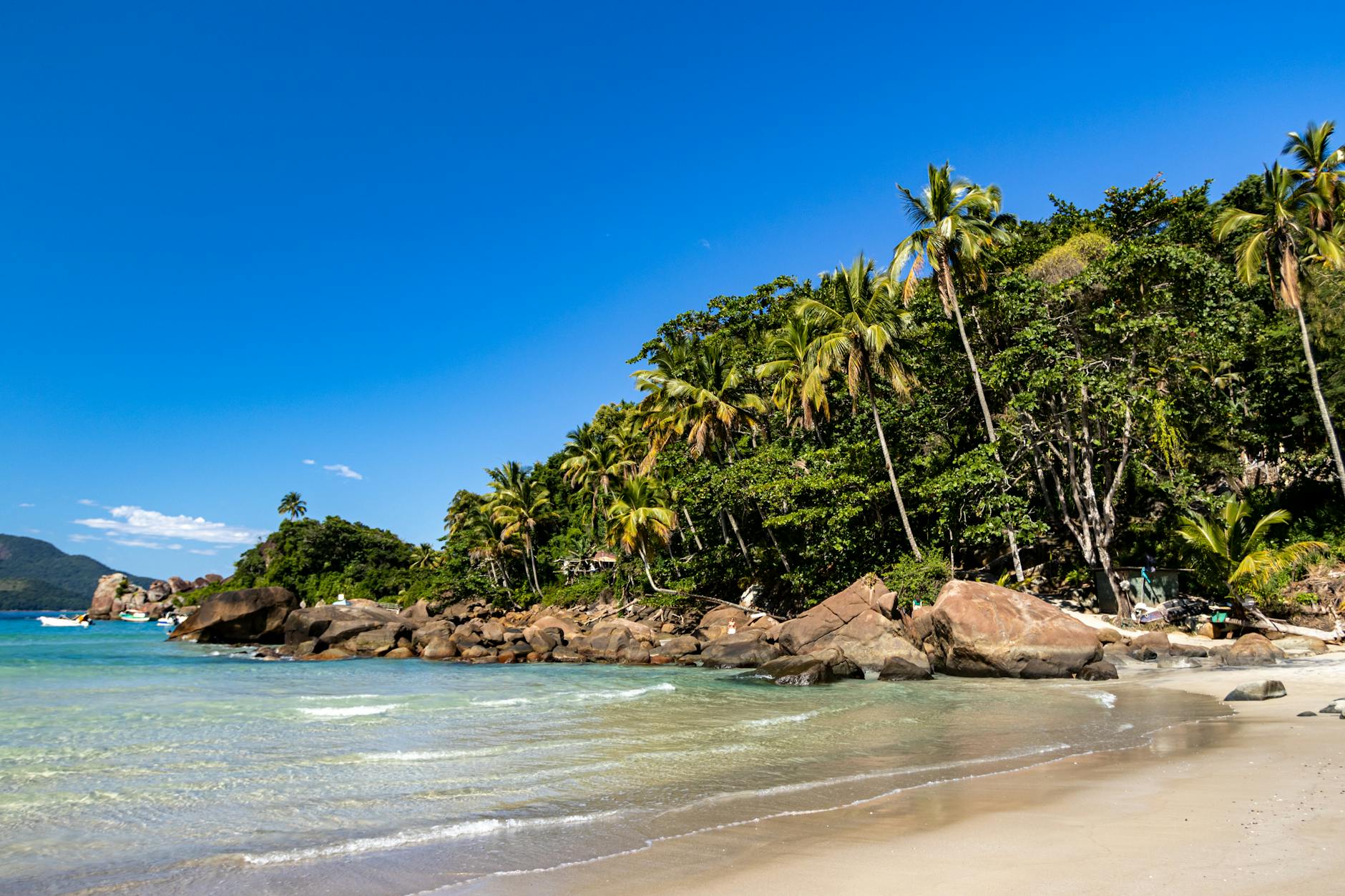
Diego Suarez — officially Antsiranana — sits at the very top of Madagascar, wrapped around one of the largest natural bays on Earth. That single geographic fact shapes everything about its coastline: sheltered swimming coves on one side, wind-lashed kitesurfing bays on the other, rolling sand dunes, and a shallow turquoise lagoon so vivid it has a name of its own — the Emerald Sea (Mer d’Émeraude). These beaches remain refreshingly uncommercialised, with fishing pirogues still outnumbering sun loungers. This guide walks you through every beach and bay worth your time, how to reach each one, when to go, and how to stay safe in these powerful, wind-driven waters.
At a Glance — Diego Suarez Beaches
- Best time: May–November (dry season, reliable sun; strong wind April–November for kitesurfing)
- Best for: snorkelers, kitesurfers, photographers, off-the-grid beach lovers
- Star attraction: the Emerald Sea shallow lagoon, reached by boat from Ramena
- Boat trips & excursions: Book Emerald Sea & Three Bays tours on GetYourGuide →
- Where to stay: Compare Diego Suarez & Ramena hotels on Agoda →
- Travel insurance: SafetyWing Nomad Insurance — covers water sports & evacuation
- Getting around: Compare 4×4 rentals with Carla (the bays need a high-clearance vehicle)
🏖 Beach & Snorkel Kit
For Madagascar’s islands and reefs, pack these:
- UPF-50 rash guard — all-day sun protection in and out of the water. See on Amazon →
- Waterproof phone pouch — IPX8 case for boats, beaches and snorkelling. See on Amazon →
- Waterproof dry bag — keeps gear dry on boat transfers and paddling. See on Amazon →
- Quick-dry travel towel — packs tiny, dries in the Madagascar heat. See on Amazon →
- Reef-safe sunscreen — protects you and the coral reefs. See on Amazon →
As an Amazon Associate we earn from qualifying purchases.
Why the Diego Suarez Coastline Is Different
Most tropical beach destinations offer variations on the same theme. Diego Suarez does the opposite: within a 30-kilometre arc you move from calm family-friendly swimming beaches to some of the windiest, most exhilarating kitesurfing flats in the Indian Ocean, then out to a lagoon so shallow and clear you can walk across sandbanks with the water barely reaching your knees.
The reason is Antsiranana Bay and the relentless trade winds that funnel across the northern tip of the island. Those winds keep the region cool, dry the air out for much of the year, and turn a handful of exposed bays into world-class windsports venues. They also mean conditions change beach to beach — which is exactly why knowing where to go, and when, matters so much here.
Because the best spots sit down rough tracks or across open water, most travellers base themselves in town or at Ramena and take day trips out. Sort your accommodation early — beachfront rooms near Ramena are limited. Compare Diego Suarez and Ramena hotels on Agoda and lock in free-cancellation rates while they last.
Ramena Beach & Fishing Village — The Coastal Hub
About 18 km northeast of town, Ramena is the natural launchpad for the whole coast. It is a working fishing village first and a beach resort second, which is a large part of its charm: brightly painted pirogues line the sand, the day’s catch is grilled at simple seafront tables, and the water inside the bay is calm enough for relaxed swimming.
Ramena is the departure point for boat trips to the Emerald Sea and, for many visitors, the most comfortable base near the coast. You’ll find a cluster of small guesthouses and beachfront eateries here, plus easy access to the Three Bays trailheads. If you want to wake up to the sea rather than commute from town, this is where to stay. Browse Ramena and Diego Suarez stays on Agoda.
For a fuller picture of the region beyond the beaches, read our Diego Suarez & the far north complete guide and our roundup of the top 15 things to do in Diego Suarez.
The Emerald Sea (Mer d’Émeraude) — The Crown Jewel
If you do one thing on this coast, make it the Emerald Sea. Reached only by boat from Ramena, it is a vast, shallow turquoise lagoon sheltered behind a coral reef, sitting off a scatter of small islets. The water shifts through every shade of green and blue, and in many spots it is shallow enough to wade across sandbanks that seem to float in the middle of the sea.
A typical excursion sails out in the morning, drops anchor near an islet, and gives you hours to snorkel over the reef, laze on empty sand, and eat a freshly grilled seafood lunch prepared on the spot. It is the kind of day that ends up on every trip highlight reel — and precisely because access is boat-only and operators run limited seats, popular dates fill up fast.
The Three Bays Hike — Sakalava, Pigeon & Dune Bay
South of Ramena, a rugged coastal track links three of the region’s most beautiful bays. You can visit them by 4×4, but the classic way is the Three Bays walk (Les Trois Baies) — a scenic coastal hike stringing them together across headlands, with sweeping ocean views the whole way. Bring water, sun protection, and sturdy shoes; there is little shade and the wind can be fierce.
Each bay has its own personality, covered in detail below. The trailheads and access tracks are exposed and unpaved, so a high-clearance vehicle is essential if you are not walking the whole route. Compare 4×4 rentals on Carla and book ahead for the dry season.
Baie des Sakalava (Sakalava Bay) — Kitesurfing Capital
Sakalava Bay is the reason serious wind chasers put Diego Suarez on their bucket list. A wide, gently shelving bay with flat, shallow water and steady, powerful trade winds, it ranks among the finest kitesurfing and windsurfing spots in the Indian Ocean — a genuine world-class venue that still feels wild and uncrowded.
The windy season runs roughly April to November, when the trades blow hard and consistently; the shoulder around the middle of that window is often the sweet spot for reliable wind without the very strongest gusts. Schools and equipment operators run seasonally, and lessons and gear rental book out during the best months. Even if you never touch a kite, the sight of dozens of them arcing over an empty bay is unforgettable.
Baie des Pigeons (Pigeon Bay) — The Sheltered Snorkeling Cove
Tucked along the Three Bays route, Pigeon Bay is the quiet counterpoint to windy Sakalava. This small, protected cove holds calm, clear water and some of the best casual snorkeling on the coast. It is intimate and usually near-empty — a favourite for couples and anyone chasing solitude and a peaceful swim rather than adrenaline.
Because it is more sheltered, Pigeon Bay is often the most comfortable spot to actually get in the water on a very windy day. The reef life close to shore is genuinely good — expect colourful fish, coral, and clear visibility when the water is calm. Pack your own mask and snorkel; rental gear is not always available at the bay itself, and there are no shops or restaurants once you leave Ramena, so bring water and a packed lunch if you plan to linger.
Baie des Dunes (Dune Bay) — Where Sand Meets Sea
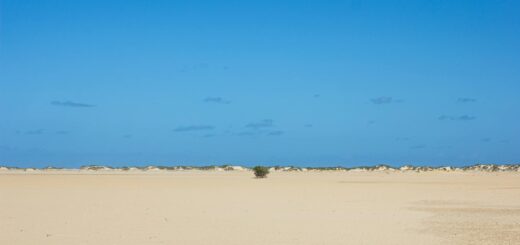
Dune Bay is the photographer’s bay. Golden sand dunes roll right down to the water, creating a striking, almost desert-meets-ocean contrast that lights up beautifully at sunrise and sunset. It is usually the third stop on the Three Bays circuit and a natural place to slow down, wander the dunes, and watch the light change.
Swimming here depends on wind and swell, so treat it more as a scenic and photographic highlight than a guaranteed swimming beach. As with all the bays, there are no facilities — come self-sufficient with water and snacks. The dunes themselves are fragile and shift with the wind, part of what gives the bay its raw, ever-changing character; tread lightly and take everything you bring back out with you.
Baie des Français & Montagne des Français — History Meets Coast
Near the Montagne des Français, this lesser-visited stretch of coast pairs quiet bay views with the region’s layered colonial and wartime history, including old fortifications and ruins on the hillside above. It suits travellers who like a little light exploration and context alongside their beach time, rather than pure sun-and-sand. The Montagne des Français rewards an early start with panoramic views over Antsiranana Bay and the surrounding coastline, and the walk up passes caves and remnants of past fortifications. It is easily combined with a half-day around the mountain before heading back to the water.
Nosy Hara & the Northern Marine Parks
West of Diego, the Nosy Hara archipelago forms a protected marine park — a cluster of dramatic limestone islets ringed by clear water and reef, and home to some of the region’s best snorkeling and diving. It is more remote and typically visited on a dedicated boat trip or as part of a longer excursion, so build in extra time and check operating seasons. The famous Windsor Castle rock, a flat-topped monolith with commanding bay views, lies in the same northwestern corner and is often paired with coastal outings.
Because these trips take you well offshore into a remote marine reserve, this is exactly the kind of adventure where good insurance matters. SafetyWing Nomad Insurance includes emergency medical cover and, crucially in a region this isolated, up to $30,000–$80,000 in medical evacuation — the coverage you genuinely want before heading out to sea in the far north.
Best Time to Visit the Beaches
The dry season, May to November, is the sweet spot for beach travel: sunny, dry, and comfortable. The cyclone-influenced wet months (roughly December to March) bring heat, humidity, and the risk of storms, and can make rough tracks and boat trips unreliable.
Layer the wind on top of that and your ideal window depends on your priority. Pure swimming and lounging? The calmer edges of the dry season. Kitesurfing? Aim squarely at the windy months of April to November, when Sakalava delivers. For a month-by-month breakdown of weather and conditions, see our best time to visit Diego Suarez guide.
How to Reach Each Beach
- Ramena: ~18 km by road from town; taxi-brousse, private transfer, or rental car. The easiest beach to reach independently.
- Emerald Sea: boat only, departing from Ramena. Always go with a licensed operator — book ahead.
- Sakalava, Pigeon & Dune Bay: the Three Bays, reached by 4×4 along unpaved tracks or on foot via the coastal hike from Ramena.
- Baie des Français / Montagne des Français: short drive from town, best combined with a mountain visit.
- Nosy Hara: dedicated boat excursion from the Diego area; more remote, plan a full day.
Roads to the bays are rough and unsigned, so a capable vehicle or a guided tour is the practical choice. Compare 4x4s on Carla if you want the freedom to explore at your own pace, or let a tour handle the logistics.
Getting to Diego Suarez
Most travellers arrive by domestic flight from Antananarivo, the quickest and most comfortable option for reaching the far north; overland journeys are long and demanding. Once you land, you’ll want your own wheels for the coast.
Compare car and 4×4 rentals with Carla to have a vehicle ready when you touch down — it turns the scattered bays from a logistics headache into a simple day trip. For accommodation once you arrive, our where to stay in Diego Suarez guide breaks down every neighbourhood and budget.
Flight delayed or cancelled? Flights to Madagascar often connect through Paris or Nairobi, and domestic legs can be disrupted too. EU regulation EC 261 may entitle you to up to €600 in compensation. Check your claim free on AirAdvisor →
Safety in the Water
These are beautiful but genuinely powerful waters, and conditions vary sharply between beaches. Keep a few things in mind:
- Respect the wind. The same trades that make Sakalava a kitesurfing paradise create strong currents and chop. On windy days, swim at sheltered spots like Ramena or Pigeon Bay, not the exposed bays.
- Check locally before swimming. Ask your guide or guesthouse about currents and conditions on the day — they change constantly.
- Only take Emerald Sea and offshore trips with licensed operators. Weather offshore turns fast, and you are far from help.
- Sun and hydration. UV is intense and there is little shade at the bays. Bring water, high-SPF sunscreen, and a hat.
- Medical care is limited in the far north, and evacuation can be complex from remote coast and islands.
That last point is why we never travel this coast without cover. SafetyWing Nomad Insurance is built for exactly this kind of adventurous, water-heavy trip, with medical and evacuation protection when you are a long way from a good hospital.
Where to Stay Near the Beaches
You have two broad choices: stay in Diego Suarez town for more restaurants, services, and hotel variety, or stay out at Ramena to wake up steps from the sand and the Emerald Sea boats. Town gives you range and convenience; Ramena gives you the beach at your doorstep.
Either way, book early — the good beachfront and boutique options near the coast are limited and go quickly in the July–September high season. Compare Diego Suarez and Ramena hotels on Agoda and reserve with free cancellation. For a curated breakdown, see our where to stay in Diego Suarez guide.
Combine the Beaches with the Far North
Diego’s coast pairs perfectly with the region’s inland highlights. The nearby Montagne d’Ambre (Amber Mountain) National Park offers waterfalls, crater lakes, and lemurs in a cool rainforest just up the road — the ideal contrast to a day at sea. String a few of these together and the far north becomes one of Madagascar’s most rewarding, low-crowd corners. Our full Diego Suarez & the far north complete guide shows how to fit it all into an itinerary.
Frequently Asked Questions
What is the most beautiful beach in Diego Suarez?
The Emerald Sea (Mer d’Émeraude) lagoon is the standout — a shallow, luminous turquoise lagoon reached by boat from Ramena. For a classic sandy beach, Ramena itself is the most accessible and welcoming.
Can you swim safely at the beaches?
Yes, especially at sheltered spots like Ramena, Pigeon Bay, and the calmer parts of the Emerald Sea. The exposed bays such as Sakalava are windy with stronger currents — always check local conditions before getting in.
When is the best time to visit for the beaches?
The dry season, May to November, offers the most reliable sunshine and calm swimming conditions. For kitesurfing, target the windy months of roughly April to November when Sakalava Bay is at its best.
How do I get to the Emerald Sea?
It is accessible by boat only, departing from Ramena Beach. Go with a licensed operator and book in advance, as seats on popular dates sell out — many travellers reserve through GetYourGuide.
Do I need a 4×4 to reach the beaches?
Ramena is reachable by ordinary car, but the Three Bays (Sakalava, Pigeon, Dune) sit down rough, unpaved tracks that need a high-clearance 4×4 — or you can walk the coastal hike. Renting through Carla or joining a guided tour are both good options.
Is travel insurance really necessary?
For a trip built around boat excursions, kitesurfing, and remote coast, yes. Medical facilities are limited in the far north and evacuation can be costly. SafetyWing covers medical emergencies and evacuation for exactly this kind of trip.
Ready to Explore Diego Suarez’s Beaches?
The far north rewards travellers who plan ahead. Boat trips and beachfront rooms are limited and sell out fast in the July–September high season — line up the essentials now:
- Book Emerald Sea & Three Bays excursions on GetYourGuide
- Compare Diego Suarez & Ramena hotels on Agoda
- Reserve a 4×4 with Carla
- Protect your trip with SafetyWing insurance
Questions about planning your far-north trip? Get in touch with us here.
Plan Your Trip to Madagascar
- Read the full Madagascar Travel Guide
- Explore itineraries by style and duration
- Explore the full destination guide
Where to Stay