Madagascar East Coast Itinerary: Tamatave, Sainte-Marie and Masoala
This post contains affiliate links. We may earn a small commission at no extra cost to you.
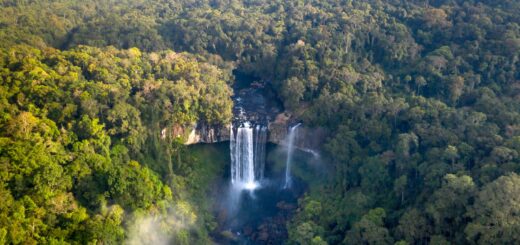
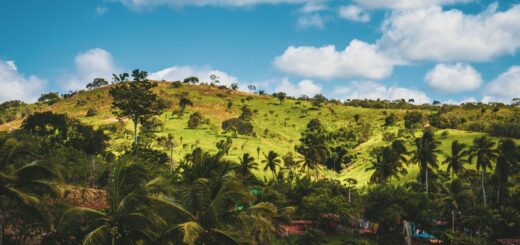
The east coast of Madagascar is the island’s green heart — drenched in rainfall, dense with rainforest, studded with beaches and intersected by the extraordinary Pangalanes Canal, a 700-kilometre waterway running parallel to the Indian Ocean behind a narrow strip of land. This itinerary combines Tamatave (Toamasina), the country’s main port city and gateway to the east, with the romantic island of Île Sainte-Marie (Nosy Boraha) and the last great wilderness of Masoala Peninsula. The east coast is best visited July–September for whale watching, or October–December for marine wildlife diving. It is the most lush and least developed of Madagascar’s four coastal zones.
Essential Gear for Madagascar’s Coastal Activities
Madagascar’s Underwater World Is World-Class — Film It in 5.3K Before It’s Gone
The coral gardens off Nosy Be, the whale sharks of the Mozambique Channel, the humpback whales migrating to Île Sainte-Marie — your phone doesn’t go underwater. The GoPro HERO13 Black shoots 5.3K60 video and is waterproof to 10 metres without any housing. Mount it on your snorkel mask, clip it to your kayak, hand it to your dive guide. Sold directly by Amazon.
Check current price and availability on Amazon →
Madagascar’s UV Index Hits 11+ — Your Skin Needs More Than Sunscreen in the Water
Nosy Be, Île Sainte-Marie, the reefs off Fort Dauphin — spectacular coastal waters under an equatorial sun with UV regularly hitting 11+. Sunscreen washes off within 20 minutes in water. O’Neill’s UPF 50+ long-sleeve rash guard blocks 98% of UV radiation all day, in and out of the water, without reapplication. Stays in place during snorkelling and dives.
Check current price and availability on Amazon →
Snorkelling Madagascar’s Reefs Without UV Protection Is How You Come Home With a Week of Sun Damage
The coral reefs of Nosy Be and Île aux Nattes are some of the most beautiful snorkelling in the Indian Ocean — in direct equatorial sunlight every minute you’re in the water. Hurley’s Women’s UPF 50+ long-sleeve rashguard covers your core, arms, and shoulders with full-spectrum UV protection. Lightweight, fast-drying, designed for real ocean conditions.
Check current price and availability on Amazon →
One Wave, One Pirogue Crossing, One Rain Shower — That’s All It Takes to Lose Your Phone in Madagascar
Madagascar’s water crossings are done in pirogues — narrow dugout canoes with no sides to speak of. One unexpected wave. One overfilled pirogue. One downpour on the RN7 with nowhere to shelter. The JOTO Universal Waterproof Pouch seals your phone in an IPX8-rated case to depths up to 30 metres. Use the touchscreen through the case, take underwater photos. Under $15.
Check current price and availability on Amazon →
Your Camera, Passport, and Valuables Need a Waterproof Shell for Madagascar’s Boat Transfers
Boat transfers to Nosy Komba, dive sites, and the remote beaches of Masoala — waves hit the deck, spray soaks everything unprotected. A wet camera, a soaked passport, or a ruined MacBook is not a one-hour problem in a country where Apple Stores don’t exist. The Earth Pak Dry Bag rolls and clips shut to create a 100% waterproof seal rated to IPX8. NY Times Wirecutter-recommended, 5-year warranty.
Check current price and availability on Amazon →
Madagascar’s Power Cuts Will Kill Your Phone — Here’s 4 Full Charges of Insurance
Délestage — Madagascar’s rolling blackouts — can last 8 to 14 hours a day. Your navigation app, offline maps, and boarding pass for tomorrow’s Tsaradia flight will all be dead. The Anker PowerCore 20,000mAh gives 4 full phone charges with fast USB-C delivery. Charge it during the hotel’s morning power window and you’re covered all day.
Check current price and availability on Amazon →
Madagascar Uses European Plugs Only — Your North American Charger Won’t Work Without This
Madagascar runs on Type C and E/F European plugs, 220V. North American plugs don’t fit. The TESSAN European adapter accepts North American plugs and adds 2 USB ports, so you can charge your phone and power bank simultaneously from a single outlet. Compact, grounded — one of those items that’s obvious in hindsight and impossible to find when you need it.
Check current price and availability on Amazon →
One Adapter for Every Country on Your Madagascar Journey — Including Stopovers in Paris or Réunion
Many travellers reach Madagascar via Paris CDG or Réunion — and face a different outlet at each stop. The GaN Universal Adapter covers all outlet types worldwide with USB-C PD fast charging — one device, 4 ports, every country. GaN technology runs cooler and charges faster than standard adapters.
Check current price and availability on Amazon →
Plan your Madagascar trip:
- Browse Madagascar tours and experiences (GetYourGuide)
- Get travel insurance for Madagascar (SafetyWing)
- World Nomads — covers adventure activities: trekking, diving, motorbikes. Compare both.
At a Glance: East Coast Madagascar Circuit
At a Glance
- Duration: 10–14 days
- Key stops: Tamatave (Toamasina), Île Sainte-Marie, Masoala Peninsula
- Best months: July–September (whales), October–December (diving, drier)
- Highlights: Pangalanes Canal, humpback whales, Masoala rainforest
- Difficulty: Moderate to challenging (Masoala requires guides and boat access)
- Book east coast tours: Browse east coast Madagascar tours on GetYourGuide
The east coast is Madagascar’s most atmospheric and underexplored zone. For the complete Île Sainte-Marie experience, read our guide to Île Sainte-Marie.
Your East Coast Madagascar Itinerary
Days 1–3: Tamatave (Toamasina) — Port City and Pangalanes
Fly from Antananarivo to Tamatave (TMM) — 45-minute domestic flight on Tsaradia. Tamatave is Madagascar’s most important port city: chaotic, colourful, palm-lined and genuinely interesting for urban travel. Day 1: walk the palm-lined boulevard, visit the covered market, eat fresh seafood at a dock-side restaurant. Day 2: Parc Ivoloina half-day (7km north) — this zoo-reserve has excellent lemur viewing including the aye-aye nocturnal exhibit. Day 3: Pangalanes Canal boat tour — spend a full day gliding through the reed-fringed canal past rice paddies, fishing villages and baobab-lined banks. Book a Pangalanes Canal boat tour here.
Days 4–7: Île Sainte-Marie — The Romantic Island
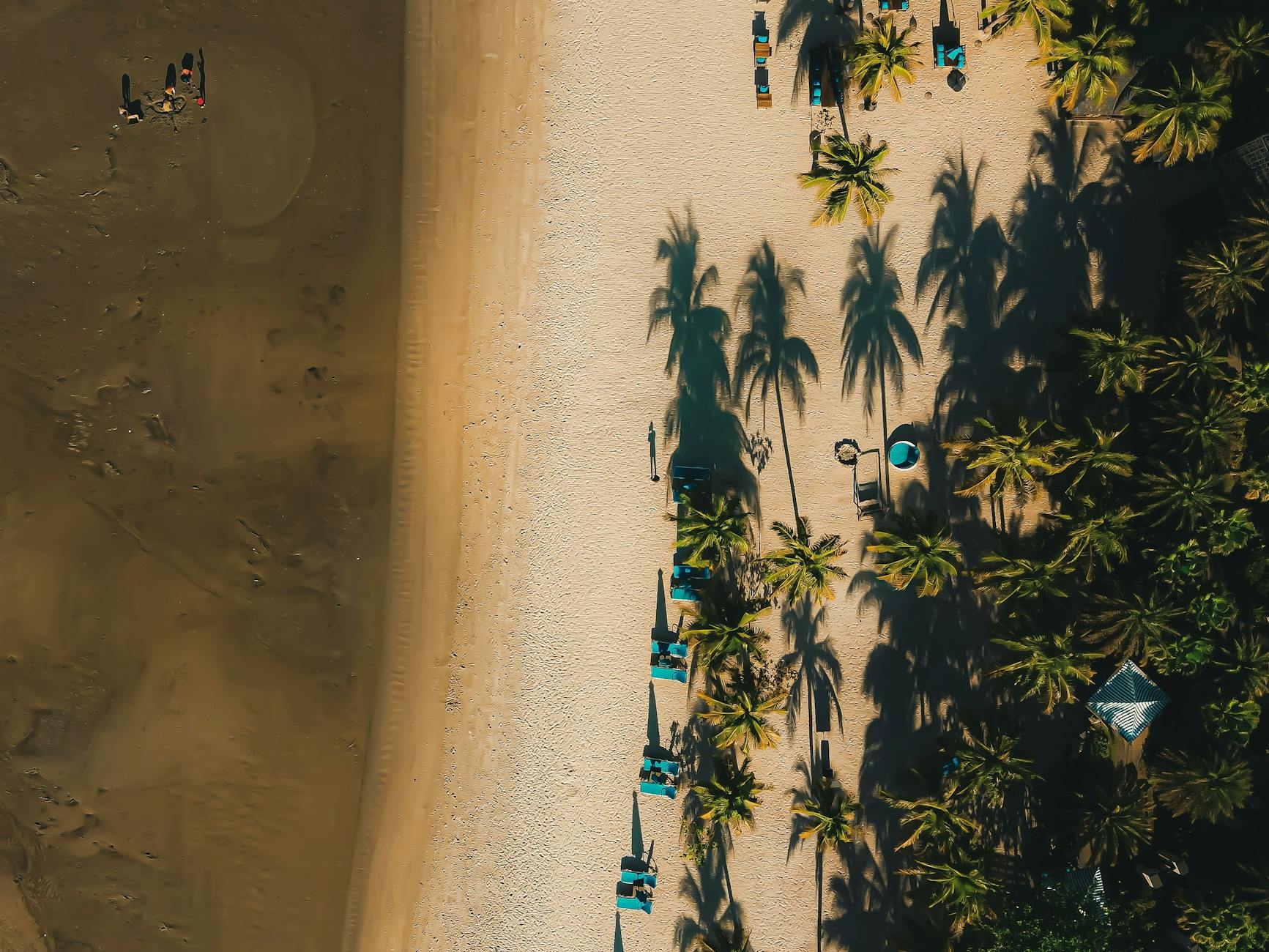
Fly from Tamatave to Île Sainte-Marie (SMS) — 30-minute domestic flight. This 50km-long island is one of Madagascar’s most beautiful. Days 4–7: split between beach relaxation, snorkelling the coral gardens at the southern tip, visiting the pirate cemetery at Île aux Forbans, and whale watching if July–September (humpback whale season). The island has no major roads — rent a quad bike or bicycle to explore. Sunset from the lighthouse road is extraordinary.
Days 8–10: Masoala Peninsula — The Last Frontier
Arrange the Masoala trip from Île Sainte-Marie or Tamatave — this requires a speedboat across the Bay of Antongil (2–3 hours) and advance booking with a lodge. Masoala National Park is Madagascar’s largest protected area and arguably its most biodiverse — the Masoala Peninsula has more species per square kilometre than any other place in Madagascar. Two nights minimum: guided rainforest trekking targeting red-ruffed lemur (found ONLY here and at Nosy Mangabe), whale watching from the bay, and helmet diving on the coral reef. The remoteness is part of the experience.
Days 11–12: Return and Optional Beach Stop
Return to Tamatave by speedboat and domestic flight. Day 12: rest day at a Tamatave beach hotel or fly directly back to Tana. See our complete guide to Madagascar’s best beaches for east coast beach recommendations.
Read also:
Book activities in Madagascar:
Getting There: East Coast Logistics
The east coast has two main entry points by air: Tamatave (TMM) and Île Sainte-Marie (SMS) — both served domestically from Tana by Tsaradia. Masoala requires a speedboat from Antalaha or Maroansetra — arrange this through your lodge as the crossing conditions are weather-dependent. For car and transfer options between Tana and Tamatave, use Carla. If any domestic flight is disrupted, AirAdvisor handles the compensation claim.
Where to Stay on the East Coast
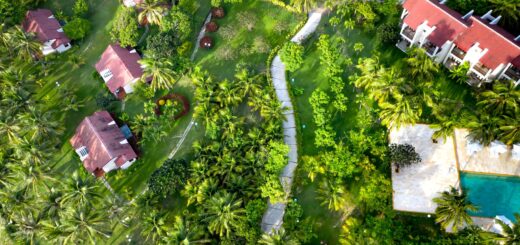
In Tamatave: business hotels and beach hotels along the main avenue. In Île Sainte-Marie: the island has a handful of excellent boutique guesthouses and bungalow resorts along the lagoon — book 4–6 weeks ahead for July–September whale season. In Masoala: there is only a small number of eco-lodges and all must be booked well in advance. Compare options and availability for Tamatave and Sainte-Marie on Agoda. Also read our best time to visit Madagascar guide for east coast seasonality specifics.
Ready to book your Madagascar trip?
Frequently Asked Questions
When is the best time for whale watching at Île Sainte-Marie?
July–September is peak humpback whale season. Whales calve in the Bay of Antongil and pass through the Sainte-Marie Channel in large numbers. Boat operators run daily tours from the main dock with very high sighting rates.
Is Masoala worth the difficult access?
Yes — for serious wildlife and nature travellers, Masoala is the most biodiverse place in Madagascar. The red-ruffed lemur and Masoala pygmy chameleon are found only here. The remoteness and lush undisturbed forest are part of what makes it extraordinary.
What is the Pangalanes Canal?
A 700km navigable waterway running parallel to the east coast behind a narrow strip of land separating it from the Indian Ocean. Built partly by the French colonial administration, it passes through fishing villages, rice paddies and tropical forest accessible only by boat.
Is Île Sainte-Marie accessible year-round?
Yes — the island has a small airport with daily flights from Tamatave (SMV) and Tana (direct on some schedules). December–March is cyclone season and seas can be rough; July–September is peak season. The island is open for visits year-round.
Can I combine the east coast with the RN7 route?
Yes — fly from Tana to Tamatave to start the east coast circuit, then return to Tana and drive south on the RN7. This is the classic 21-day Madagascar circuit.
The east coast of Madagascar is the island’s quietest, greenest and most atmospheric zone. Tamatave’s canal life, Île Sainte-Marie’s humpback whales and Masoala’s untouched rainforest form a circuit unlike anything else in the Indian Ocean region. Budget extra time and patience for weather delays — the east coast operates on its own clock. Travel insurance that covers weather-related disruptions and remote medical evacuation is essential: SafetyWing Nomad Insurance covers all of it.
Start planning your Madagascar adventure today
Browse Madagascar experiences on GetYourGuide
Affiliate link – commission earned at no extra cost to you.
Plan Your Trip to Madagascar
- Read the full Madagascar Travel Guide
- Explore itineraries by style and duration
- Best Tours and Guided Experiences
Where to Stay