Best Madagascar Family Itinerary 2026: 7, 10 & 14-Day Routes With Kids
Affiliate disclosure: This article contains sponsored links to hotels, tour operators, insurance providers, and other travel services. We earn a small commission if you book through our links, at no extra cost to you.
Best Madagascar Family Itinerary 2026 — At a Glance
- The winning shape: accessible wildlife first (Andasibe), then beaches to recharge (Nosy Be) — wonder then relaxation
- Sweet-spot length: 10 days for a balanced first family trip; 7 days for a taster; 2 weeks to go deeper
- Golden rule: keep travel days short and build in rest — fewer places, more time at each
- Best time: the dry season (April–November); July–August for school holidays and whales
- Getting around: a private vehicle with a driver-guide, plus a short domestic flight to the coast
- Book tours: family tours on GetYourGuide
- Flight protection: EU261 €600 per passenger on disrupted European inbound flights
- Travel insurance: SafetyWing Nomad Insurance — essential family cover
- Where to stay: family-friendly stays in Nosy Be on Agoda
🎒 Madagascar Trip Essentials
A few inexpensive items make the biggest difference on the ground in Madagascar:
- Picaridin insect repellent — DEET-free protection against malaria mosquitoes. See on Amazon →
- Permethrin clothing spray — treat clothes; kills mosquitoes on contact for weeks. See on Amazon →
- Pop-up mosquito net — budget lodges rarely provide one; packs down tiny. See on Amazon →
- Water filter bottle — tap water isn’t safe to drink in Madagascar. See on Amazon →
- Universal travel adapter (USB-C) — Madagascar uses European-style plugs. See on Amazon →
- 8×42 binoculars — essential for spotting lemurs and chameleons in the canopy. See on Amazon →
As an Amazon Associate we earn from qualifying purchases.
What does a great family itinerary in Madagascar actually look like? The best ones follow a simple, proven shape: accessible wildlife first, then beaches to recharge — the magic of lemurs and rainforest up front, while everyone is fresh, then a relaxing coastal finale to wind down. This guide lays out sample family itineraries of 7, 10, and 14 days, day by day, with the wildlife, the beaches, the travel, and the rest all balanced for children — plus how to adapt them to your family’s ages and energy. Use them as ready-made templates or as starting points to tailor. For the bigger picture of family travel here, see our Madagascar family travel guide, and for what to do at each stop, our Madagascar with kids guide.
The single most important principle for any family itinerary in Madagascar is pacing: the country is large and the roads are slow, so the secret with children is fewer places, more time at each, and short travel days. The itineraries below all follow that rule, pairing an accessible wildlife region with the coast and keeping drives manageable. They focus on the easiest, most reliable wildlife (so children are never disappointed) and build in the rest and beach time that keep a family holiday happy. For budgeting these trips, see our family trip cost guide; for ready-made packages, our family tour packages guide.
The Ideal Family Itinerary Shape
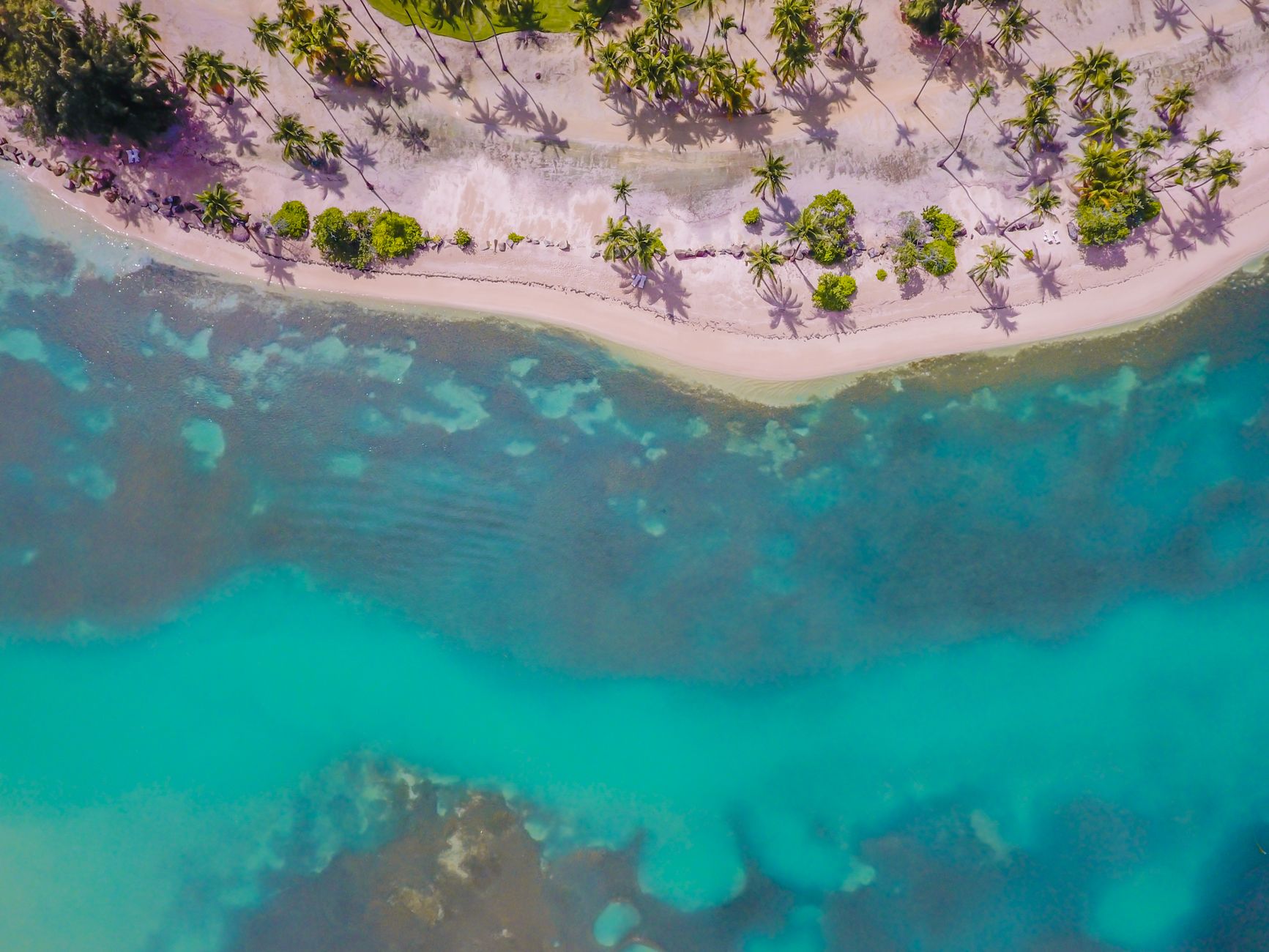
Before the day-by-day plans, it helps to understand the shape that works best. A great family itinerary in Madagascar almost always opens with accessible wildlife — usually Andasibe in the east, just a few hours from the capital on a paved road, for the indri and other lemurs — because it delivers the “wow” early, while children are fresh and excited, and needs no rough travel. It then moves to the coast — most often Nosy Be in the north — for beaches, snorkelling, and gentle island life, providing the relaxation that balances the active wildlife days and sends everyone home rested. Cultural moments, markets, and night walks are woven in along the way.
This “wonder then relaxation” arc suits children perfectly: the focus and early starts of wildlife-watching come first, when energy is high, and the easy pleasures of the beach come second, when everyone is ready to slow down. It also keeps travel sensible, since the capital is the hub for both the eastern parks and the flights to the coast. The itineraries below all build on this shape, scaled to different trip lengths. The key is never to over-pack: even on a longer trip, two or three regions with real time at each beats a breathless dash. Children measure a holiday not by how many places they ticked off but by the moments they loved, and those moments come from having time to linger — to watch the lemurs a little longer, to swim once more before dinner, to follow whatever has caught their imagination.
A Classic 10-Day Family Itinerary
This is the ideal first family trip — balanced, manageable, and packed with the experiences children love.
Day 1 — Arrive Antananarivo. Land in the capital, transfer to a comfortable hotel, and rest after the long flight. Check family-friendly Antananarivo hotels on Agoda.
Day 2 — Drive to Andasibe. A scenic drive east on the paved RN2 (3–4 hours) to the rainforest, settling into a family-friendly lodge, perhaps with a first short walk or an evening to relax.
Day 3 — Andasibe wildlife. An early guided walk to see and hear the indri, plus chameleons and other lemurs, and an exciting night walk after dinner for mouse lemurs. The wildlife highlight of the trip.
Day 4 — More Andasibe, then return. A second morning walk (different trails, more species), then the drive back towards the capital, breaking the journey as needed.
Day 5 — Fly to Nosy Be. A short domestic flight north to the island, transferring to a beach hotel — the start of the relaxing second half. Check Nosy Be family beach stays on Agoda.
Day 6 — Beach and recharge. A relaxed day on the beach — swimming, sandcastles, and a first gentle snorkel — letting everyone unwind after the wildlife days.
Day 7 — Island-hopping and snorkelling. A boat trip to nearby islets for snorkelling and a beach picnic, and a visit to Nosy Komba to see lemurs up close — a perfect family day. Browse Nosy Be family boat trips on GetYourGuide.
Day 8 — Free beach day. An unstructured day for swimming, relaxing, and whatever the children love most — the kind of downtime that makes a family holiday.
Day 9 — Fly back to the capital. Return to Antananarivo, with time for a market visit or last-minute souvenirs, and a final comfortable night.
Day 10 — Departure. Transfer to the airport for the journey home, full of memories of lemurs and beaches.
A Shorter 7-Day Family Itinerary
For families short on time, a focused week still delivers the magic. Spend the first half at Andasibe (arrive in the capital, drive to the rainforest, two full days of lemur walks and a night walk) and the second half on the coast or near the capital for relaxation — or, if you prefer to minimise flights, base entirely around the accessible east with a couple of restful days at a lodge with gardens and a pool. A week is enough for the headline wildlife and some downtime, though it is best kept simple, with one wildlife region and minimal travel. It makes an ideal first taste of Madagascar for families, or a wildlife add-on to a beach holiday elsewhere in the region.
The temptation on a short trip is to try to squeeze in a flight to the coast as well, but for a week this often means too much time in transit and not enough actually enjoying anywhere. Unless your children are seasoned travellers, it is usually better to keep a seven-day trip geographically tight — one wildlife region, gentle days, and a relaxed lodge with a pool — and save the beaches for a longer return visit. A week done calmly leaves a far happier impression than a week spent rushing, and the lemurs of Andasibe alone are more than enough to make the trip unforgettable for children.
A Longer 2-Week Family Itinerary
With two weeks, families with older children can go deeper. Begin as in the 10-day plan — Andasibe for the rainforest and lemurs — then, instead of heading straight to the beach, add the RN7 south for a few days: the ring-tailed lemurs of Anja, the rainforest of Ranomafana, and the canyons of Isalo, a real overland adventure for older children. Finish with the beaches of the southwest near Tuléar, or fly to Nosy Be for the classic beach finale. The extra week adds variety, a sense of journey, and more species, while still ending in relaxation. It suits active families with school-age children and up who want a fuller experience — but even here, keep travel days reasonable and build in rest. An alternative two-week shape, for families who prefer wildlife and beach over a long overland leg, is to spend longer at Andasibe and a second eastern park, then fly to Nosy Be for a generous, unhurried beach week — less driving, more relaxation, and just as rewarding for younger children. The beauty of two weeks is the breathing room: whichever shape you choose, you can move at a genuinely gentle pace. See our southern Madagascar and RN7 guide.
Adapting the Itinerary to Your Children
These itineraries are templates, not rules — the best family trip is the one shaped around your own children. With younger children, lean towards the shorter, gentler version: more beach, fewer and shorter wildlife walks, and minimal travel. With school-age children, the 10-day plan is ideal as written. With teenagers, add the RN7 adventure or more active pursuits like snorkelling and longer hikes. For multi-generational groups, keep the pace gentle for the least mobile member and build in flexibility to split activities. And whatever the ages, leave room in the days for the spontaneous moments — an extra hour on the beach, a second night walk, a lingering market visit — that children often remember most.
The flexibility of a private, guided trip means all of this is easy to arrange: the itinerary can flex day by day around the children’s energy and interests, slowing down when they tire and seizing the moment when the wildlife appears. A specialist who knows family travel can take any of these templates and tailor it precisely — adjusting the length, the pace, the lodges, and the balance of wildlife and beach — to fit your family perfectly. That tailoring, more than any fixed plan, is what makes a family itinerary truly work.
When to Go and What It Costs
All these itineraries work best in the dry season (April–November), when the weather is reliable, the roads are easiest, and wildlife-watching is most comfortable — all the more important with children. July and August suit the school holidays and the whale season (a wonderful add-on to a coastal stay in those months); the shoulder months of April–May and October–November offer lovely weather with fewer crowds. The wet season (December–March) is harder with a family and best avoided. See our best time to visit guide.
The cost of these itineraries depends on the comfort level, the number of travellers, and how much you fly versus drive — the private vehicle, the driver-guide, and the domestic flights are the biggest factors, while the wildlife itself is cheap to see. Travelling as a family group shares the vehicle and guide costs, and booking early secures the best family lodges. For a full breakdown of what a family trip costs and how to budget, see our dedicated family trip cost guide. As a rule, the longer and more far-flung the itinerary, the more the flights and vehicle days add up, so a tighter, well-chosen route is not only gentler on the children but easier on the budget too.
Where to Stay Along the Route
Choosing the right places to stay shapes a family itinerary as much as the route itself. In Antananarivo, a comfortable hotel for the first and last nights eases the arrival and departure around long flights; check family-friendly Antananarivo hotels on Agoda. At Andasibe, family-friendly lodges near the park — with gardens, space to run around, and often resident chameleons or lemurs in the grounds — turn the accommodation into part of the adventure, and being close to the trails means short, early starts for the wildlife. On the coast at Nosy Be, the beach hotels offer pools, gentle swimming, and the relaxed atmosphere that lets everyone recharge; browse Nosy Be family beach stays on Agoda.
When booking, look for lodges with space, pools, and family or connecting rooms rather than formal hotels, and favour places with a relaxed, child-friendly setting. The genuinely family-suitable options are limited and fill up fast in peak season, so book early — this is one of the main reasons to plan a family trip well ahead. A specialist who knows the family-friendly lodges along each route can match the accommodation to your children’s ages and the rhythm of the trip, which makes a real difference to how smoothly the days flow.
Common Family Itinerary Mistakes to Avoid
A few common mistakes can take the shine off a family trip, and they are easy to avoid. The biggest is over-packing the itinerary — trying to see too much, with long daily drives that exhaust the children and leave no time to enjoy each place. Resist it: choose two or three regions and give each real time. The second is underestimating travel times; Madagascar’s roads are slow, so what looks close on a map can take hours, and a route that ignores this leads to fraught, tiring days. The third is skipping rest and beach days in the rush to fit in wildlife — but downtime is exactly what keeps children (and parents) happy across a two-week trip.
Other pitfalls include chasing rare wildlife deep in remote regions when accessible, near-guaranteed encounters delight children just as much with far less effort; travelling in the wet season, when roads and weather make a family trip harder; and leaving health preparation too late — antimalarials and vaccinations need a travel-clinic visit well before departure. Avoiding these mistakes mostly comes down to one principle: plan a gentle, realistic, well-paced trip rather than an ambitious one, and lean on a specialist who builds family itineraries for a living. The result is a holiday that delights rather than exhausts.
Making the Travel Days Easy
Even a well-paced itinerary has some travel, so making those days easy is worth real thought. Break up long drives with stops — a viewpoint, a market, a picnic, a leg-stretch — so children aren’t confined for hours at a stretch. Travel in the cool of the morning where possible, leaving hot afternoons for arrival and rest. Bring entertainment and snacks for the vehicle, and let children watch the ever-changing roadside life, which is fascinating in itself. A private vehicle with a driver-guide makes all this easy, flexing the day around the children and stopping whenever needed.
The short domestic flights are a family’s friend here, turning a punishing multi-day drive (for example, capital to the coast) into a quick hop — well worth the cost for the time and comfort they save with children. The art of a good family itinerary is using the flights to skip the hardest travel while keeping the drives that are genuinely scenic and manageable. Handled well, the travel becomes part of the adventure rather than a chore, and the children arrive at each new place excited rather than worn out. For the activities waiting at each stop, see our Madagascar with kids guide.
Getting There and Travelling Well
Madagascar is reached by connecting flights via Europe, the Gulf, or Africa, landing at Antananarivo, the hub for these itineraries. Book international flights early and protect them on European routes — EU261 entitles you to up to €600 per passenger for long delays, cancellations, and denied boarding. Register your inbound flight for EU261 coverage with AirAdvisor, especially welcome with children. Within Madagascar, a private vehicle with a driver-guide is essential for families, complemented by the short domestic flight to the coast; compare car and 4WD rental options on Carla if arranging transport independently.
Comprehensive travel insurance is essential for the whole family, covering medical emergencies, evacuation, and your activities — including snorkelling, boat trips, and hiking. Medical evacuation from a remote area can cost tens of thousands of euros. SafetyWing Nomad Insurance offers flexible, affordable cover well suited to family travel — confirm it covers your children and activities before you go.
Carla / Voyagiste Madagascar (plan your family itinerary)
Madagascar-resident specialist who can turn any of these templates into a polished family itinerary built around your children’s ages, interests, and energy — with the right lodges, a child-friendly driver-guide, short travel days, and the perfect balance of wildlife and beach. Contact Carla directly to plan your family trip, with the vehicle, flights, lodges, park visits, and timing all handled. Local knowledge turns a sample itinerary into a smooth, magical family holiday tailored exactly to you.
Frequently Asked Questions
What’s the best family itinerary in Madagascar?
A 10-day trip pairing accessible wildlife (Andasibe) with beaches (Nosy Be) — wonder then relaxation — suits most families. Shorter and longer versions adapt to your time. See our family travel guide.
How many days do we need?
Seven days deliver a focused taster; ten days are the sweet spot for a balanced first trip; two weeks let families with older children go deeper via the RN7 south. Keep travel days short whatever the length.
What’s the best order — wildlife or beach first?
Wildlife first, beach second: it puts the active, early-start days up front while children are fresh, and ends the trip in relaxation. The capital is the hub for both.
Can we adapt the itinerary for young children?
Yes — favour the shorter, gentler version with more beach, fewer and shorter walks, and minimal travel. A private, guided trip flexes around the children’s energy. See our Madagascar with kids guide.
When should we go?
The dry season (April–November); July–August for school holidays and whales, the shoulder months for lovely weather with fewer crowds. See our best time to visit guide.
Do we need travel insurance?
Yes — essential for the whole family, covering activities and evacuation from remote regions. Comprehensive coverage is a must.
🧭 Turn This Into Your Family’s Perfect Itinerary
Lemurs, beaches, and short, manageable travel days — tailored to your children. Reach out to Carla, our Madagascar-resident specialist, to shape any of these templates into a polished family trip with the lodges, guide, flights, and pace all handled.
Plan Your Trip to Madagascar
- Read the full Madagascar Travel Guide
- Explore itineraries by style and duration
- Best Tours and Guided Experiences
Where to Stay