The 7 Best Restaurants in Tamatave: Where to Eat Fresh Seafood & Zebu
Affiliate disclosure: This article contains sponsored links to hotels, tour operators, insurance providers, and other travel services. We earn a small commission if you book through our links, at no extra cost to you.
Toamasina — still widely known by its French colonial name, Tamatave — is Madagascar’s largest seaport and its busiest gateway to the Indian Ocean. That single fact shapes almost everything you will eat here. Fishing boats and the working port put fresh fish, prawns, crab and octopus on plates within hours of the catch, while the humid east-coast hinterland behind the city grows the vanilla, cloves, pepper, and lychees that flavour Malagasy cooking. Add a long history of French-Creole settlement and a large, long-established Chinese-Malagasy community, and you get a food scene that is more varied — and more genuinely delicious — than the city’s rough-and-ready reputation suggests.
This guide is not a list of specific restaurant names, which change owners and quality constantly in a port city. Instead it explains what the local cuisine actually is, where to eat by area and type, what to order, and the practical tips that keep a food-focused trip smooth and safe. Whether you are passing through on the way to the Pangalanes Canal, arriving by the overnight train from Fianarantsoa, or basing yourself here to explore Madagascar’s east coast, you will eat well if you know how to read the city.
At a Glance — Eating in Toamasina
- What defines it: Daily fresh Indian Ocean seafood, tropical fruit and spices, Malagasy rice staples, plus strong French-Creole and Chinese-Malagasy influence.
- Where to eat: The Boulevard Ratsimilaho seafront, the port district, Bazary Be central market, cafés and pâtisseries, and reliable hotel dining.
- Book a food or market tour: Browse Madagascar food & market tours on GetYourGuide
- Where to stay near the restaurants: Check Toamasina hotel availability on Agoda
- Travel insurance: Cover street-food and water risks with SafetyWing
- Getting around & day trips: Compare car rental with Carla
🍳 Cook Madagascar at Home
Recreate these flavours at home — the island’s signature ingredients and tools:
- Madagascar Bourbon vanilla beans — the real thing, far cheaper by the pack. See on Amazon →
- Whole cloves & spices — Madagascar’s signature spices for the recipe. See on Amazon →
- African/island cookbook — authentic recipes to recreate the dishes at home. See on Amazon →
- Granite mortar & pestle — for grinding fresh spice pastes the Malagasy way. See on Amazon →
- Rice cooker — rice is the base of every Malagasy meal. See on Amazon →
As an Amazon Associate we earn from qualifying purchases.
Flying into Toamasina? The city has its own domestic airport, and flights usually connect via Antananarivo. If your flight is delayed 3+ hours, cancelled, or overbooked, you may be owed compensation. Check your flight compensation claim free on AirAdvisor — it takes two minutes and costs nothing to check.
Why Toamasina Eats the Way It Does
Three forces shape every meal in Toamasina. The first is the port and the sea: as Madagascar’s principal harbour, the city has a constant supply of fish, prawns, crab, calamari and octopus, and freshness here is not a marketing word but a daily reality. The second is the spice-and-fruit hinterland. The east coast is Madagascar’s vanilla, clove, black-pepper and lychee country, and those flavours slip into sauces, desserts and drinks in ways you rarely find inland. The third is cultural layering: Malagasy home cooking built on rice, a French-Creole restaurant and café tradition left from the colonial era, and a large Chinese-Malagasy community whose noodle soups and pastries are now part of the everyday local diet.
The practical upshot is that “local food” in Tamatave is genuinely plural. A single afternoon can take you from a grilled fish shack on the seafront to a Chinese-Malagasy noodle counter to a French-style bakery — all authentically local, all part of how the city actually eats. Understanding these three threads is the key to eating well here: once you know that seafood, spice-country produce and cultural fusion are the pillars, the city’s food map suddenly makes sense, and you can build a day of meals that hits all three without ever needing a specific restaurant recommendation.
The Seafood — Toamasina’s Headline Act
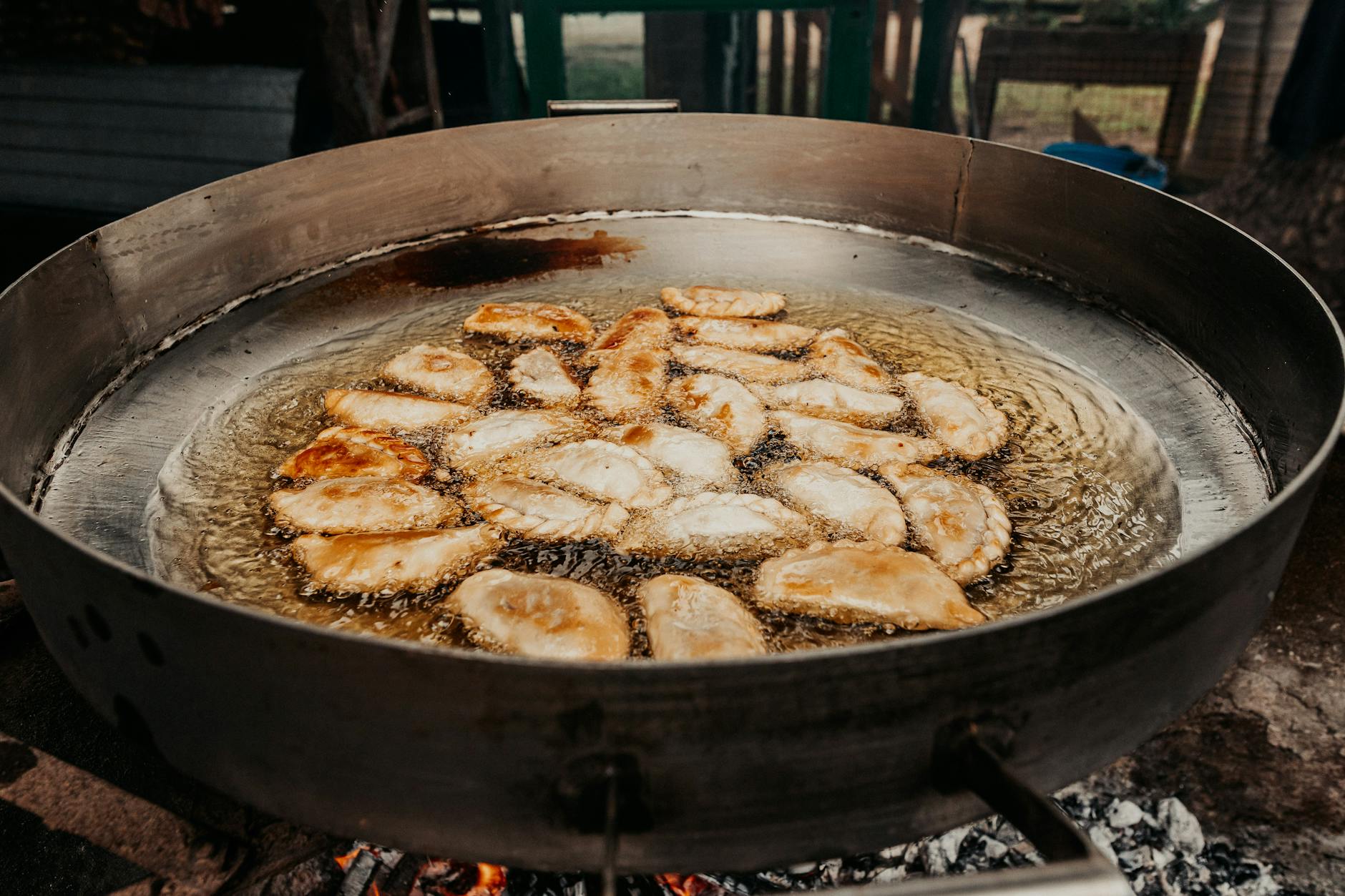
Seafood is the reason to eat in Toamasina, and the standard is set by supply rather than by fancy preparation. Expect whole grilled fish, prawns (large and small), crab, calamari and octopus, most often cooked simply — grilled over charcoal, pan-fried in garlic and butter, or simmered in a coconut-based sauce that is very much an east-coast signature. The best plates are usually the least elaborate: a fish landed that morning, salted, grilled, and served with rice and a squeeze of lime needs nothing more.
Coconut recurs everywhere on this coast, from prawns in coconut sauce to fish curries mellowed with coconut milk. Pair seafood with achard (a tangy pickled-vegetable relish) or a fresh chilli condiment — Malagasy tables usually keep a small dish of fiery sakay nearby, and it transforms grilled fish. If you only remember one rule for eating in Tamatave, make it this: order seafood, keep it simple, and let the freshness do the work.
Timing helps too. The morning catch reaches kitchens by late morning, so a seafood lunch on the seafront is usually your best window for the day’s freshest fish. If a place displays its fish on ice or brings the catch to your table to choose, take that as a good sign — it’s how the better seafood spots signal what they have. Portion sizes tend to be generous, and sharing a whole grilled fish or a seafood platter between two is both good value and a natural way to try several things at once.
Malagasy Staples You’ll See on Every Menu
Rice is the foundation of Malagasy eating, served at nearly every meal and often as the base of a set plate. Look for vary amin’anana (rice cooked with leafy greens), romazava (a beef-and-greens broth that is close to a national dish), and ravitoto (pounded cassava leaves, often with pork). Zebu — Madagascar’s humped cattle — appears grilled as skewers or steaks and stewed in rich sauces; it is leaner and more flavourful than standard beef. Alongside the rice you will usually find loaka, the accompanying dish of meat, fish or vegetables that turns a bowl of rice into a meal. These plates are cheap, filling, and the surest way to eat like a resident rather than a tourist.
The French-Creole and Chinese-Malagasy Layers
Toamasina’s colonial past shows up on the plate in a good way. French-influenced restaurants and cafés serve steak-frites, gratins, crêpes and proper baguettes, and the pastry culture is real — croissants, pains au chocolat and cakes appear in the city’s pâtisseries and hotel breakfasts. The Chinese-Malagasy influence is just as woven-in: soupe chinoise (a comforting noodle-and-broth soup) is a genuine local staple, and you’ll find fried noodles, dumplings and steamed buns at modest counters across the centre. Treating these as “foreign” would be a mistake — in Tamatave they are simply part of what locals eat every week.
Where to Eat 1 — The Seafront (Boulevard Ratsimilaho)
The Boulevard Ratsimilaho seafront is the city’s most atmospheric place to eat. This is where you go for grilled fish and seafood platters with a sea breeze, wooden tables, and dishes that arrive not long after you order. Lunch here is a pleasure when the light is on the water, and sunset dinners are the classic Tamatave evening. It is also the most convenient base for a food-focused stay, so it makes sense to sleep close by. Compare seafront and central Toamasina hotels on Agoda — the best-located rooms near the boulevard book out fastest in the July–September high season, so lock yours in early.
Where to Eat 2 — The Port District & Local Eateries
Away from the boulevard, the streets around the port and the working centre are where locals actually eat lunch. These simple eateries — often called hotely in Madagascar — fill at midday with dockworkers, office staff and families, and they offer the best value in the city: large portions, fast service, and very low prices. Menus revolve around grilled fish, rice-and-loaka plates, and zebu in various forms, with a handful of daily specials rather than a long printed card. The golden rule applies with force here: choose the busy place over the empty one. High turnover means fresher food and safer eating, and a packed hotely at noon is a far better bet than a quiet room at 3pm.
Where to Eat 3 — Bazary Be & Market Food
Bazary Be is Toamasina’s big central market and the beating heart of the city’s food supply. It is the place to see (and smell) the east coast’s produce all at once: pyramids of lychees in season, vanilla pods, cloves and pepper, tropical fruit, and stalls of the morning’s fish. Around and inside the market you’ll find quick eats — fried snacks, grilled skewers, fresh fruit and pressed juices — that give you the most direct taste of local life. A guided market visit is the easiest way to understand what you’re looking at and to eat confidently. Book a Madagascar food or market tour on GetYourGuide to have a local walk you through the stalls, the spices, and the best bites — the small tours fill quickly, so reserve ahead of your dates.
Where to Eat 4 — Cafés, Pâtisseries & Breakfast
The café-and-bakery layer is one of Toamasina’s quiet pleasures and a legacy of its French-Creole past. Mornings are for fresh baguettes, croissants and strong coffee; afternoons for pastries, cakes and cold fresh-fruit juices made from whatever is in season — mango, lychee, passion fruit, tamarind. Cafés are also the most comfortable spots to sit with Wi-Fi, escape the midday heat, and plan the rest of your day. For travellers who want a reliable, gentle-on-the-stomach start to the morning, a good bakery breakfast is hard to beat.
This is also where the city’s vanilla heritage quietly shines. You’re on Madagascar’s spice coast, so keep an eye out for vanilla-scented pastries, custards and flans, and don’t leave without trying a real vanilla dessert made with the local pods rather than an imitation. Coffee is taken seriously too — Madagascar grows its own — and a mid-morning coffee with a pastry is a small, satisfying ritual that fits the rhythm of a humid port city.
Where to Eat 5 — Mid-Range & Hotel Restaurants
If you’re staying several nights or travelling with family, mid-range restaurants and hotel dining rooms are the practical backbone of a Tamatave trip. They bridge local authenticity and traveller comfort with more diverse menus, cleaner interiors, and consistent service, and many hotels open their kitchens to non-guests. Hotel restaurants are the safe default for late arrivals, fussy eaters, or anyone who wants dependable hygiene after a long travel day. Browse Toamasina hotels with well-rated in-house dining on Agoda so you always have a reliable meal a lift-ride away.
What to Order in Toamasina
- Grilled fish of the day — the freshest, safest and most rewarding order in the city.
- Prawns or crab — simply grilled, or in the local coconut sauce.
- Coconut seafood dishes — an east-coast signature you won’t find as easily inland.
- Zebu skewers or steak — the Malagasy meat staple, lean and full of flavour.
- Romazava or ravitoto — classic Malagasy home-style stews over rice.
- Soupe chinoise — the comforting Chinese-Malagasy noodle soup locals love.
- Fresh lychees & tropical juices — in season (roughly November–January for lychees), unmissable.
- A vanilla dessert or pastry — you’re in Madagascar’s vanilla country; make it count.
Practical Tips — Hours, Cash & Water Safety
Hours: Lunch is the main event in local eateries, roughly 11:30am–2pm, when food is freshest and turnover highest. Seafront and hotel restaurants keep longer, more tourist-friendly hours into the evening; many smaller places close in the afternoon lull. Eat your seafood lunches early for the best of the day’s catch.
Cash: Bring Malagasy ariary in cash. Card acceptance is limited to larger hotels and a few upscale restaurants, and markets, hotely and street stalls are cash-only. ATMs exist in the centre but can be unreliable, so carry enough small notes for a day of eating.
Water and stomach safety: Do not drink the tap water — stick to sealed bottled water, and skip ice unless you’re confident it was made with filtered water. Peel your own fruit, favour food that is hot and freshly cooked, and choose busy stalls with high turnover. These simple habits let you enjoy street and market food with far less risk. Because even careful travellers occasionally get caught out — and because a serious problem in Madagascar can mean a medical evacuation costing $30,000–$80,000 out of pocket — travel insurance is not optional here. Get flexible SafetyWing coverage before you go.
Getting Around Toamasina — and Beyond
Toamasina’s centre is walkable and flat, and shared pousse-pousse (rickshaws), tuk-tuks and taxis handle short hops between the seafront, the market and the port. For anything beyond the city — a run down to the Pangalanes Canal, the beaches south of town, or the road toward Andasibe and the eastern rainforests — a rental car or private driver gives you real freedom and lets you plan your own food stops along the way. Compare car rental options for the east coast on Carla and build your own eating-and-exploring itinerary at your own pace.
Before you eat your way around Tamatave — get insured.
Food and water are the most common causes of travel-health hiccups on the east coast, and Madagascar’s medical facilities are limited. SafetyWing covers illness, accidents and emergency care from around $1.82/day, with flexible monthly plans that are ideal for long or open-ended trips. See SafetyWing plans and prices →
Plan the rest of your Toamasina trip:
FAQ — Eating in Toamasina
Is the food in Toamasina safe for tourists?
Yes, with sensible habits. Choose busy places with high turnover, favour freshly cooked hot food, avoid tap water and unfiltered ice, and peel your own fruit. Seafront and hotel restaurants are the safest defaults, while busy local eateries and market stalls are also fine when clearly popular. Because stomach trouble is still possible and medical evacuation can cost $30,000–$80,000, a policy like SafetyWing is strongly recommended.
What food is Toamasina best known for?
Fresh Indian Ocean seafood above all — grilled fish, prawns, crab and octopus, often in an east-coast coconut sauce. It’s backed by Malagasy rice staples, zebu, and the spice-and-fruit produce (vanilla, cloves, lychees) of the surrounding coast.
Are restaurants in Toamasina expensive?
No, dining is affordable by international standards. Local hotely and market food are very cheap, mid-range restaurants are moderate, and even seafront seafood is reasonable. We avoid quoting exact figures because prices shift, but budget travellers eat very well here for little.
Can vegetarians eat well in Toamasina?
It takes a little effort but yes. Rice with leafy-green dishes like vary amin’anana, vegetable loaka, bean and cassava-leaf preparations, café pastries, and abundant tropical fruit all work. Mid-range and hotel restaurants offer the widest choice.
Do I need cash, or can I pay by card?
Carry cash in Malagasy ariary. Cards are accepted only at larger hotels and a few upscale restaurants; markets, street food and small eateries are cash-only. Draw money in the city centre and keep small notes for a day of eating.
Is there a food or market tour I can join?
Yes — guided food and market tours are the easiest way to navigate Bazary Be and eat confidently. Browse and book Madagascar food and market tours on GetYourGuide; small-group spots fill quickly in high season, so reserve ahead.
Plan Your Toamasina Food Trip
Plan Your Trip to Madagascar
- Read the full Madagascar Travel Guide
- Explore itineraries by style and duration
- Explore the full destination guide
Where to Stay