The Eighteen Peoples: a Map of Madagascar’s Ethnic Groups
This article contains affiliate links. We may earn a small commission at no extra cost to you if you book through them.
By Jordan Lamont · Last updated 7 October 2026
At a Glance
- How many: traditionally eighteen recognised ethnic groups
- One language: all speak dialects of Malagasy (Austronesian)
- Largest: Merina (~27%), Betsimisaraka (~15%), Betsileo (~13%)
- Big divide: highlanders vs côtiers (coastal peoples)
- Shared thread: reverence for ancestors and the zebu, across every group
Say it like a local: foko (FOO-koo) — a clan or ethnic group; côtier (koh-tyay) — a coastal person, in contrast to a highlander.
Visitors often arrive expecting “the Malagasy” to be one people. They are, and they aren’t. Madagascar is home to roughly eighteen recognised ethnic groups, each with its own homeland, history, dialect and customs — yet all speaking versions of a single language and sharing a handful of deep beliefs. Understanding the eighteen is the fastest way to understand why the island feels different in every region you cross.
One island, eighteen peoples
The figure of eighteen was fixed around independence and is the number Malagasy people themselves use, though anthropologists note the boundaries are historical and political as much as ethnic — a few sources count twenty. The groups formed as different waves of settlers (Austronesian, East African, Arab) and different kingdoms took root in different landscapes, from rainforest to spiny desert. What they share is remarkable: one Austronesian language in many dialects, and a common reverence for ancestors (razana) and for the zebu.
The highlanders
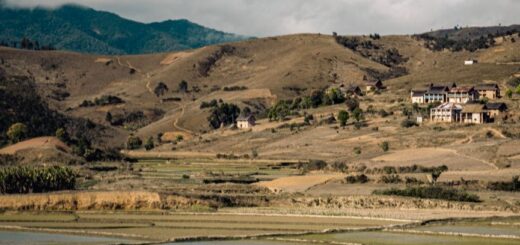
Three groups centre on the cooler central plateau. The Merina, around a quarter of all Malagasy, built the kingdom that unified the island from Antananarivo. The Betsileo to their south are famed rice-terrace farmers and woodworkers. The Sihanaka live around the marshes of Lake Alaotra, the island’s rice bowl. Highland culture leans Austronesian — terraced paddies, tall family tombs, the ceremony of famadihana.
The coastal peoples (côtiers)
Most of the eighteen live along the coasts and carry a stronger African and Arab imprint. Among them: the Betsimisaraka of the east (the second-largest group); the Sakalava of the west, once a powerful kingdom; the cattle-herding Bara of the south; the Antandroy and Mahafaly of the arid far south, known for spectacular tombs; the seafaring Vezo of the southwest; the Antaimoro of the southeast, keepers of the Arabic-script sorabe manuscripts; and the Antakarana, Antaifasy, Antaisaka, Antanosy, Antambahoaka, Bezanozano, Tanala (“people of the forest”) and Tsimihety.
The divide that still matters
The split that shapes modern politics is not really one of eighteen groups but of two blocs: highlanders and côtiers. The Merina-led kingdom and later administrations concentrated power in the highlands, and the coastal peoples’ sense of being governed from Antananarivo has echoed through Malagasy politics ever since. It is a live current beneath the surface of national life — worth knowing, and worth treading respectfully around.
Why it matters today
For a traveller, the eighteen peoples turn a long journey into a series of distinct worlds: the tomb art changes, the music changes, the food and the fady change as you move from highland terrace to desert to reef. Approach each region as its own culture, learn a greeting, and read our guide to Malagasy etiquette and customs before you go. For the full picture, start with the Madagascar travel guide.
FAQ
How many ethnic groups does Madagascar have?
Traditionally eighteen officially recognised groups, though some sources count a few more. All speak dialects of one Austronesian language, Malagasy.
What is the largest group?
The Merina of the central highlands, roughly a quarter of the population, followed by the Betsimisaraka of the east coast and the Betsileo of the southern highlands.
What does “côtier” mean?
It is the French term for the coastal peoples, often used in contrast to the highlanders — a distinction that still carries political weight.
Do the groups speak different languages?
They speak different dialects of the same language, Malagasy, so people from opposite ends of the island can largely understand one another.
Travel insurance for Madagascar
Medical evacuation from Madagascar’s interior can cost USD 30,000–80,000, so travel medical cover is worth arranging before you go. SafetyWing is the disclosed partner we mention on this site — a monthly-subscription travel medical plan. Check SafetyWing’s plans.
Plan Your Trip to Madagascar
- Read the full Madagascar Travel Guide
- Explore itineraries by style and duration
- Explore the full destination guide
Where to Stay