3-Day Fianarantsoa Itinerary: Wine, Architecture and Rainforest 2026
This post contains affiliate links. We may earn a small commission at no extra cost to you.
At a Glance — Fianarantsoa in 3 Days
- Best time: April–November (Ranomafana park access most reliable)
- Getting there: 7–8h drive south from Antananarivo on RN7, or Tsaradia flight (~1h)
- Must-see: Haute Ville UNESCO old town, Betsileo wine tasting, Ranomafana National Park
- Budget: ~$55–75/day economy | ~$90–130/day mid-range
- Combine with: Isalo National Park (4h south via RN7)
- Book now: Compare Fianarantsoa hotels on Agoda →
Fianarantsoa — which translates as ‘where good is learned’ — is Madagascar’s intellectual and spiritual capital, home to the country’s oldest university, a UNESCO-listed historic old town of cobblestoned alleyways and hilltop churches, and one of the island’s most surprising secrets: a wine-producing region in the Betsileo highlands. Combined with a day excursion to Ranomafana National Park 65 kilometres east, this three-day itinerary offers colonial architecture, Malagasy cuisine, endangered golden bamboo lemurs, and the narrow-gauge FCE railway — all in one compact highland city.
Essential Travel Gear for Your Madagascar Trip
Madagascar’s Power Cuts Will Kill Your Phone — Here’s 4 Full Charges of Insurance
Délestage — Madagascar’s rolling blackouts — can last 8 to 14 hours a day. Your navigation app, offline maps, and boarding pass for tomorrow’s Tsaradia flight will all be dead. The Anker PowerCore 20,000mAh gives 4 full phone charges with fast USB-C delivery. Charge it during the hotel’s morning power window and you’re covered all day.
Check current price and availability on Amazon →
Madagascar Uses European Plugs Only — Your North American Charger Won’t Work Without This
Madagascar runs on Type C and E/F European plugs, 220V. North American plugs don’t fit. The TESSAN European adapter accepts North American plugs and adds 2 USB ports, so you can charge your phone and power bank simultaneously from a single outlet. Compact, grounded — one of those items that’s obvious in hindsight and impossible to find when you need it.
Check current price and availability on Amazon →
One Adapter for Every Country on Your Madagascar Journey — Including Stopovers in Paris or Réunion
Many travellers reach Madagascar via Paris CDG or Réunion — and face a different outlet at each stop. The GaN Universal Adapter covers all outlet types worldwide with USB-C PD fast charging — one device, 4 ports, every country. GaN technology runs cooler and charges faster than standard adapters.
Check current price and availability on Amazon →
Tsaradia Domestic Flights Have a 15kg Bag Limit — And They Enforce It at the Gate
Getting between Madagascar’s national parks requires domestic flights on Tsaradia — and the 15kg checked baggage limit is strictly enforced at even remote airstrips. The Etekcity Digital Luggage Scale gives an accurate reading in 2 seconds, handles up to 50kg, and fits in any pocket. Weigh your bag the night before every domestic flight. Under $15, sold directly by Amazon.
Check current price and availability on Amazon →
Stop Losing Cables and Adapters in Your Bag Across Madagascar’s 10-Stop Itinerary
A multi-park Madagascar itinerary means packing and unpacking 10 to 15 times. USB-C cables, adapters, SD cards, earphones — every one ends up tangled at the bottom of your bag and easy to leave at a remote guesthouse. The BAGSMART Tech Organizer gives every cable and adapter its own slot. Open flat, find what you need in 5 seconds.
Check current price and availability on Amazon →
Plan your Madagascar trip:
- Browse Madagascar tours and experiences (GetYourGuide)
- Get travel insurance for Madagascar (SafetyWing)
- World Nomads — covers adventure activities: trekking, diving, motorbikes. Compare both.
Day 1: The Haute Ville — UNESCO Architecture and Highland Views
Fianarantsoa’s old town, the Haute Ville, perches on a rocky ridge above the modern lower city. Begin your first morning at the lower city market for fresh fruit, romazava broth, and strong Malagasy coffee. Then climb the stone stairs — there are multiple routes up, all steep — to the Haute Ville’s maze of narrow cobbled lanes. The 1890 Ambozontany Cathedral dominates the skyline and rewards the climb; from its steps, the view over red-tiled roofs and rice terraces stretching to the horizon is one of Madagascar’s finest highland panoramas. Protestant and Catholic churches cluster at the summit — the city was a major 19th-century missionary centre, and the architecture reflects competing European architectural ambitions. Spend the afternoon wandering without a fixed map; getting mildly lost in the Haute Ville’s network of walls, staircases, and unexpected viewpoints is precisely the point. Book dinner at a local restaurant serving vary sy laoka — rice with accompaniments — at around 8,000–15,000 MGA.
Day 2: Betsileo Wine Country and the FCE Narrow-Gauge Railway
The Betsileo highlands produce Madagascar’s only commercial wine, a surprise to most visitors who associate the island with rum and THB beer. The vineyards at Soavinandriana, 15 kilometres south of Fianarantsoa, grow Bordeaux varietals — cabernet sauvignon, merlot, and chenin blanc — at 1,200 metres altitude. The wine is unpretentious and affordable (5,000–10,000 MGA per bottle), and the cellar visits offer context about a 100-year-old tradition brought by French missionaries. The FCE railway, the narrow-gauge line running 163 kilometres from Fianarantsoa to Manakara on the east coast, departs several times weekly. Even a partial journey — one or two hours eastward into the forest before returning — delivers extraordinary highland-to-coastal transition scenery. Check current schedules as the FCE operates irregularly. Use Carla to arrange vehicle hire for the winery circuit if you prefer flexibility over the fixed train schedule.
Read also:
Book activities in Madagascar:
Day 3: Ranomafana National Park — Golden Bamboo Lemurs
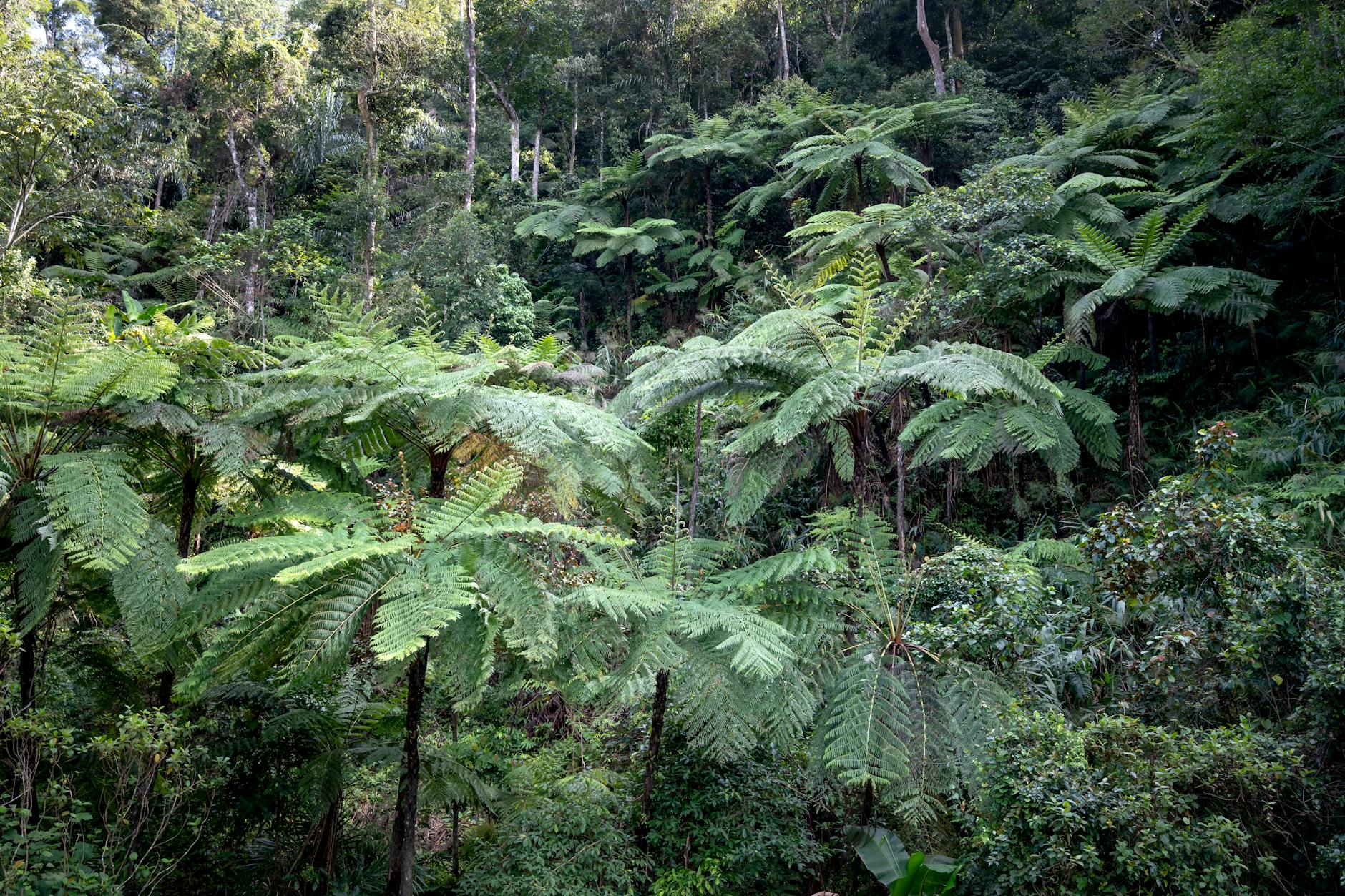
The most biodiverse rainforest in Madagascar’s highlands begins 65 kilometres east of Fianarantsoa on a road that descends sharply into montane cloud forest. Ranomafana National Park is home to twelve lemur species, the headline being the golden bamboo lemur — discovered in 1986 and found almost exclusively within this park. Guided walks are mandatory; morning circuits (6–9 AM) offer the highest lemur activity. Entry fees run around 55,000 MGA per adult, with qualified guides adding 30,000–50,000 MGA depending on trail length. The Namorona River runs through the park and the sound of rushing water, combined with birdsong from Madagascar’s endemic ground rollers and velvet asity, makes even the quiet moments worth the journey. For accommodation options within walking distance of the park entrance, the Ranomafana hotel guide covers the full range from budget guesthouses to Setam Lodge. The complete Ranomafana park guide details each trail and seasonal wildlife calendar.
Getting There, Where to Stay and Budget
RN7 from Antananarivo is Madagascar’s best-maintained national road — seven to eight hours by private 4WD or taxi-brousse, with a fuel stop in Antsirabe around the halfway mark. The Tsaradia flight takes approximately one hour and costs $100–160 one-way. In Fianarantsoa, Hotel Soafia and Zomatel are reliable mid-range picks at $40–70 per night with reliable WiFi. Budget guesthouses on the lower city roads average $15–25 per night. For the Ranomafana day on Day 3, consider sleeping overnight at a lodge inside the park buffer zone rather than driving the 65 kilometres back — this allows an early 6 AM start inside the park, dramatically improving lemur sighting odds. Total three-day budget: accommodation ($45–210), Ranomafana entry and guide ($85–105), wine tasting ($10–20), meals ($45–90), local transport ($50–100). Use the transport comparison guide to decide whether to fly or drive the RN7 based on your wider itinerary. Book your base through Agoda Fianarantsoa.
Ready to book your Madagascar trip?
Frequently Asked Questions
Is the Fianarantsoa wine worth tasting?
Yes — though manage expectations. The Betsileo wine is not world-class, but it is genuinely interesting as the only Malagasy wine produced at altitude with French grape varieties. The cellar visits at Soavinandriana include context about the 19th-century missionary origins of winemaking here. Reds are better than whites; the cabernet sauvignon is the most consistent bottle.
How far is Ranomafana from Fianarantsoa?
65 kilometres east, taking 1.5–2 hours by private vehicle on a road that descends from the highlands into cloud forest. Taxi-brousse connections exist but run infrequently. Most visitors hire a private taxi for the day from Fianarantsoa for around 80,000–120,000 MGA return, waiting at the park entrance during the morning circuit.
Does the FCE narrow-gauge train still operate?
The FCE operates but with irregular schedules — check current departure days at the Fianarantsoa station in person on arrival. The full Fianarantsoa–Manakara journey takes 8–12 hours through stunning forest scenery. If the schedule works with your itinerary, this is one of Madagascar’s great travel experiences. If not, even a short section ride eastward and back offers memorable scenery.
Fianarantsoa earns its reputation as Madagascar’s most intellectually rewarding highland stop. The Haute Ville, the wine, the FCE train, Ranomafana — no other city on the RN7 corridor packs this density of genuinely distinct experiences into three days. Protect your health throughout this highland journey with SafetyWing travel insurance, which covers altitude-related illness and medical transport from Ranomafana’s rainforest to Fianarantsoa’s hospital. Compare all Fianarantsoa accommodation options on Agoda and book the Ranomafana section early — park-adjacent lodges fill up fast during the dry season lemur peak.
Start planning your Madagascar adventure today
Browse Madagascar experiences on GetYourGuide
Affiliate link – commission earned at no extra cost to you.
Flight delayed or cancelled? Flights to Madagascar often connect through Paris or Nairobi. EU regulation EC 261 may entitle you to up to €600 in compensation. Check your claim free on AirAdvisor →
Plan Your Trip to Madagascar
- Read the full Madagascar Travel Guide
- Explore itineraries by style and duration
- Best Tours and Guided Experiences
Where to Stay