5-Day Île Sainte-Marie Itinerary: Beaches, Whales and Pirate History
This post contains affiliate links. We may earn a small commission at no extra cost to you.
At a Glance — Île Sainte-Marie in 5 Days
- Best time: July–September (whale season) or May–June (quieter beaches)
- Getting there: 30-min Tsaradia flight from Toamasina, or 1h from Antananarivo
- Must-see: Humpback whale watching, Île aux Nattes, pirate cemetery, Anse Baleine
- Budget: ~$60–90/day economy | ~$120–180/day mid-range
- Island length: 57km long, 6km wide — motorbike or pirogue is the transport
- Book now: Compare Île Sainte-Marie hotels on Agoda →
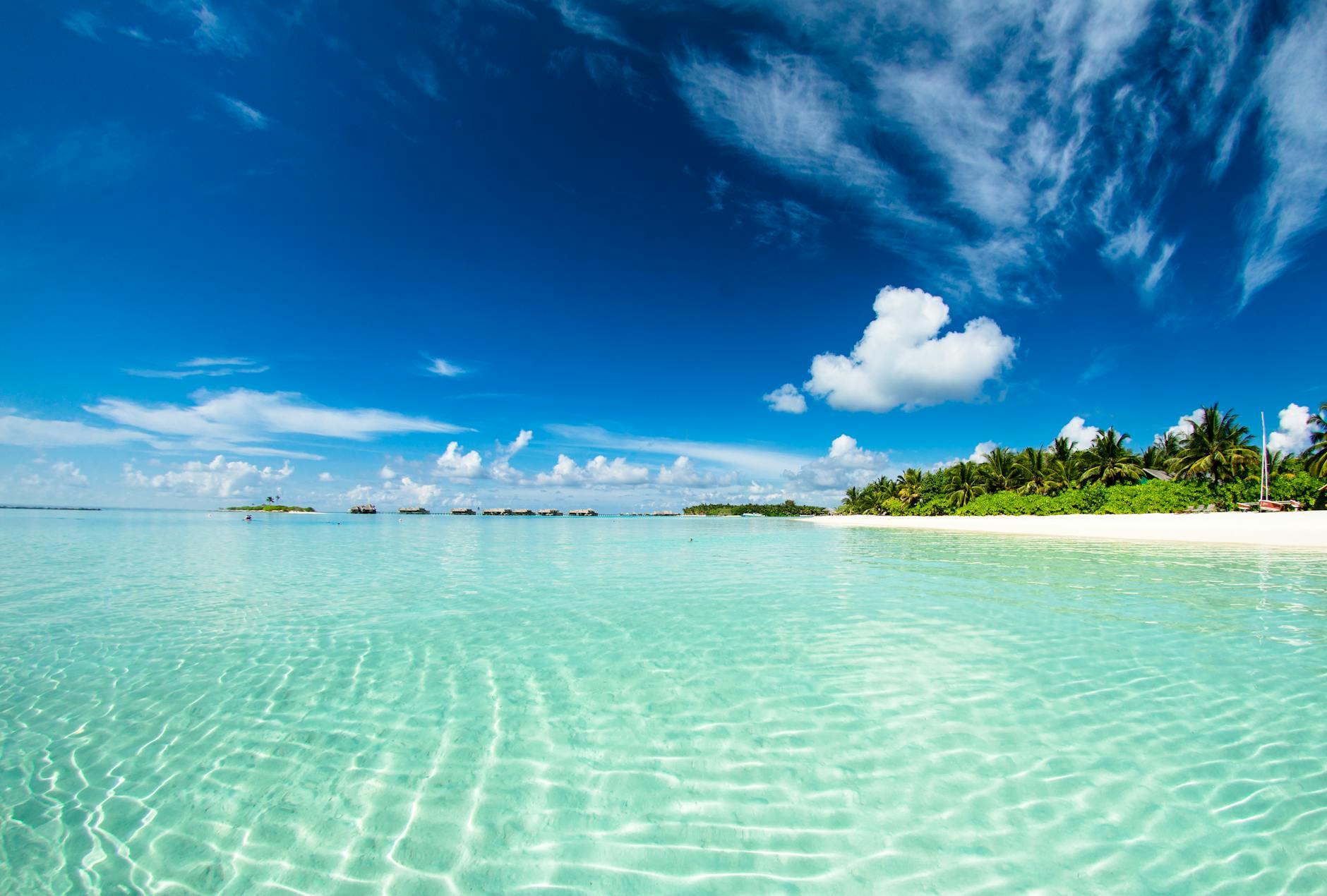
Île Sainte-Marie — Nosy Boraha in Malagasy — is a 57-kilometre strip of paradise off Madagascar’s northeast coast. From July to September, humpback whales breed and calve in the warm waters of Antongil Bay within clear view of the coastline, making this one of the world’s most accessible whale watching sites. Beyond the whales, the island delivers: pirate cemeteries from the 17th-century golden age of piracy, turquoise lagoons, the car-free islet of Île aux Nattes, and a languid pace that makes five days feel exactly right.
Essential Gear for Madagascar’s Coastal Activities
Madagascar’s Underwater World Is World-Class — Film It in 5.3K Before It’s Gone
The coral gardens off Nosy Be, the whale sharks of the Mozambique Channel, the humpback whales migrating to Île Sainte-Marie — your phone doesn’t go underwater. The GoPro HERO13 Black shoots 5.3K60 video and is waterproof to 10 metres without any housing. Mount it on your snorkel mask, clip it to your kayak, hand it to your dive guide. Sold directly by Amazon.
Check current price and availability on Amazon →
Madagascar’s UV Index Hits 11+ — Your Skin Needs More Than Sunscreen in the Water
Nosy Be, Île Sainte-Marie, the reefs off Fort Dauphin — spectacular coastal waters under an equatorial sun with UV regularly hitting 11+. Sunscreen washes off within 20 minutes in water. O’Neill’s UPF 50+ long-sleeve rash guard blocks 98% of UV radiation all day, in and out of the water, without reapplication. Stays in place during snorkelling and dives.
Check current price and availability on Amazon →
Snorkelling Madagascar’s Reefs Without UV Protection Is How You Come Home With a Week of Sun Damage
The coral reefs of Nosy Be and Île aux Nattes are some of the most beautiful snorkelling in the Indian Ocean — in direct equatorial sunlight every minute you’re in the water. Hurley’s Women’s UPF 50+ long-sleeve rashguard covers your core, arms, and shoulders with full-spectrum UV protection. Lightweight, fast-drying, designed for real ocean conditions.
Check current price and availability on Amazon →
One Wave, One Pirogue Crossing, One Rain Shower — That’s All It Takes to Lose Your Phone in Madagascar
Madagascar’s water crossings are done in pirogues — narrow dugout canoes with no sides to speak of. One unexpected wave. One overfilled pirogue. One downpour on the RN7 with nowhere to shelter. The JOTO Universal Waterproof Pouch seals your phone in an IPX8-rated case to depths up to 30 metres. Use the touchscreen through the case, take underwater photos. Under $15.
Check current price and availability on Amazon →
Your Camera, Passport, and Valuables Need a Waterproof Shell for Madagascar’s Boat Transfers
Boat transfers to Nosy Komba, dive sites, and the remote beaches of Masoala — waves hit the deck, spray soaks everything unprotected. A wet camera, a soaked passport, or a ruined MacBook is not a one-hour problem in a country where Apple Stores don’t exist. The Earth Pak Dry Bag rolls and clips shut to create a 100% waterproof seal rated to IPX8. NY Times Wirecutter-recommended, 5-year warranty.
Check current price and availability on Amazon →
Madagascar’s Power Cuts Will Kill Your Phone — Here’s 4 Full Charges of Insurance
Délestage — Madagascar’s rolling blackouts — can last 8 to 14 hours a day. Your navigation app, offline maps, and boarding pass for tomorrow’s Tsaradia flight will all be dead. The Anker PowerCore 20,000mAh gives 4 full phone charges with fast USB-C delivery. Charge it during the hotel’s morning power window and you’re covered all day.
Check current price and availability on Amazon →
Madagascar Uses European Plugs Only — Your North American Charger Won’t Work Without This
Madagascar runs on Type C and E/F European plugs, 220V. North American plugs don’t fit. The TESSAN European adapter accepts North American plugs and adds 2 USB ports, so you can charge your phone and power bank simultaneously from a single outlet. Compact, grounded — one of those items that’s obvious in hindsight and impossible to find when you need it.
Check current price and availability on Amazon →
One Adapter for Every Country on Your Madagascar Journey — Including Stopovers in Paris or Réunion
Many travellers reach Madagascar via Paris CDG or Réunion — and face a different outlet at each stop. The GaN Universal Adapter covers all outlet types worldwide with USB-C PD fast charging — one device, 4 ports, every country. GaN technology runs cooler and charges faster than standard adapters.
Check current price and availability on Amazon →
Plan your Madagascar trip:
- Browse Madagascar tours and experiences (GetYourGuide)
- Get travel insurance for Madagascar (SafetyWing)
- World Nomads — covers adventure activities: trekking, diving, motorbikes. Compare both.
Getting There and Day 1: Ambodifotatra Town and the Pirate Cemetery
Tsaradia flies to Sainte-Marie from Toamasina (30 minutes, $70–120 one-way) and Antananarivo (1 hour, $130–200 one-way). Book with AirAdvisor to protect against the frequent scheduling changes on this island route. For logistical details on reaching the island from the mainland, the guide to getting between Madagascar’s islands covers all ferry and flight options including seasonal boat schedules. On arrival, rent a motorbike ($15–20/day) — the island’s single north-south road runs 57 kilometres and motorbike is the obvious transport. Ambodifotatra, the main town, sits on the western lagoon halfway down the island. Spend your first afternoon at the pirate cemetery 2 kilometres south of town: 30 tombstones of the 17th and 18th-century pirates who used Sainte-Marie as their base for Indian Ocean raids. The skull-and-crossbones carvings are genuine; the atmosphere is eerie and extraordinary.
Days 2 and 3: Beaches, Snorkeling and Île aux Nattes
Sainte-Marie’s best beaches run along the southern tip and the eastern coast facing the open Indian Ocean. Anse Baleine, 15 kilometres south of Ambodifotatra, is a curved white-sand bay sheltered enough for swimming even in moderate swell. The snorkeling on the reef fringe is accessible directly from shore; visibility runs 8–15 metres depending on conditions. Day 2 suits a long, slow beach day here. Day 3: take the pirogue crossing to Île aux Nattes (Nosy Nato), a tiny islet separated from the main island’s southern tip by a 200-metre channel. There are no cars, no motorbikes — just a network of footpaths through vanilla plantations and coconut groves connecting a handful of bungalow guesthouses. Hire a local fisherman as guide for 30,000–50,000 MGA to reach the best reef sections by pirogue. The snorkeling here exceeds anything accessible from the main island’s shore, with coral formations still largely intact in 3–6 metres of water.
Read also:
Book activities in Madagascar:
Days 4 and 5: Whale Watching (July–September) or Exploring the Northern Bays
Between July and September, an estimated 10,000 humpback whales pass through Madagascar’s northeast waters — many resting, breeding, and raising calves within the sheltered bays visible from Sainte-Marie’s coast. The complete whale watching guide for Île Sainte-Marie covers the best departure points, boat operators, and what to expect from different observation methods. For the best viewing spots by month, the seasonal whale viewing guide maps each bay and distance from shore. Book a whale watching excursion at your lodge; half-day trips run 80,000–150,000 MGA per person ($20–37). Outside whale season (October–June), Days 4 and 5 work well exploring the island’s less-visited northern bays, where Baie de la Bernique offers calm snorkeling waters and almost no other tourists. The northern lighthouse road is rough but rewards with cliff views over open ocean.
Where to Stay, Getting Around and Full Budget
Accommodation on Sainte-Marie runs from simple beachfront bungalows to boutique eco-lodges. The southern beaches cluster the best options: Chez Pierrot near Anse Baleine offers solid bungalows with beach access at $40–60 per night. Libertalia Lodge near Ambodifotatra sits over the lagoon at $80–120 per night with transfers included. On Île aux Nattes, several family-run guesthouses offer meals and rooms for $25–45 per night — book in advance as the island has limited total beds. Transport: rent a motorbike from the airport on Day 1 ($15–20/day for the full stay). Pirogues between points run 5,000–15,000 MGA per trip depending on distance. Five-day budget breakdown: flights ($200–400 return), accommodation ($125–600 total), whale watching ($40–75), meals ($75–150), motorbike hire ($75–100), snorkeling excursions ($30–60). Total range: $545–1,385 for five days. Secure your listings early via Agoda Île Sainte-Marie — the island’s capacity is limited and July–September fills up months in advance.
Ready to book your Madagascar trip?
Frequently Asked Questions
When is the best time to visit Île Sainte-Marie for whale watching?
July to September is peak whale season. Humpbacks arrive in mid-June and depart by late September. August sees the highest concentration of whales. Outside these months, whale sightings are not reliable — though sperm whales and dolphins are present year-round. If your dates miss whale season, May–June offers calm beaches with far fewer tourists.
How do I get to Île Sainte-Marie?
Tsaradia flies from Antananarivo (1 hour, ~$130–200 one-way) and Toamasina (30 minutes, ~$70–120 one-way). There is also an infrequent seasonal speedboat service from Toamasina — check locally on arrival as schedules change each season. Most travellers fly; the island’s 1.5km airstrip is centrally located.
Is Île Sainte-Marie expensive compared to mainland Madagascar?
Yes — island logistics and limited supply push prices 30–50% above mainland equivalents. Accommodation, food, and activities cost more than comparable options in Antananarivo or Toamasina. Budget $60–90/day minimum for a comfortable stay. The added expense is worthwhile: Sainte-Marie consistently ranks as Madagascar’s most memorable island experience.
Five days on Île Sainte-Marie moves at its own pace — and that is the point. The whale encounters alone justify the journey for visitors lucky enough to hit July–September; the beaches, pirate history, and Île aux Nattes make it worthwhile in any season. Carry SafetyWing travel insurance before you travel — medical evacuation from a 57-kilometre island requires a flight, and that flight needs coverage. Reserve your accommodation well in advance through Agoda Île Sainte-Marie; the island’s limited beds fill months ahead of whale season.
Start planning your Madagascar adventure today
Browse Madagascar experiences on GetYourGuide
Affiliate link – commission earned at no extra cost to you.
Plan Your Trip to Madagascar
- Read the full Madagascar Travel Guide
- Explore itineraries by style and duration
- Best Tours and Guided Experiences
Where to Stay