5-Day Nosy Komba Itinerary: Lemurs, Diving and Village Life 2026
This post contains affiliate links. We may earn a small commission at no extra cost to you.
At a Glance
- Getting there: 15-min pirogue from Ankify port or 30-min speedboat from Nosy Be
- Best time: May–November (calm seas, best diving visibility)
- Must-do: Black lemur forest walk, coral reef snorkeling, Ampangorina village
- Budget: ~$70–110/day mid-range including diving
- Book dives and tours: Browse Madagascar island tours on GetYourGuide
- Book hotels: Compare Nosy Komba hotels on Agoda
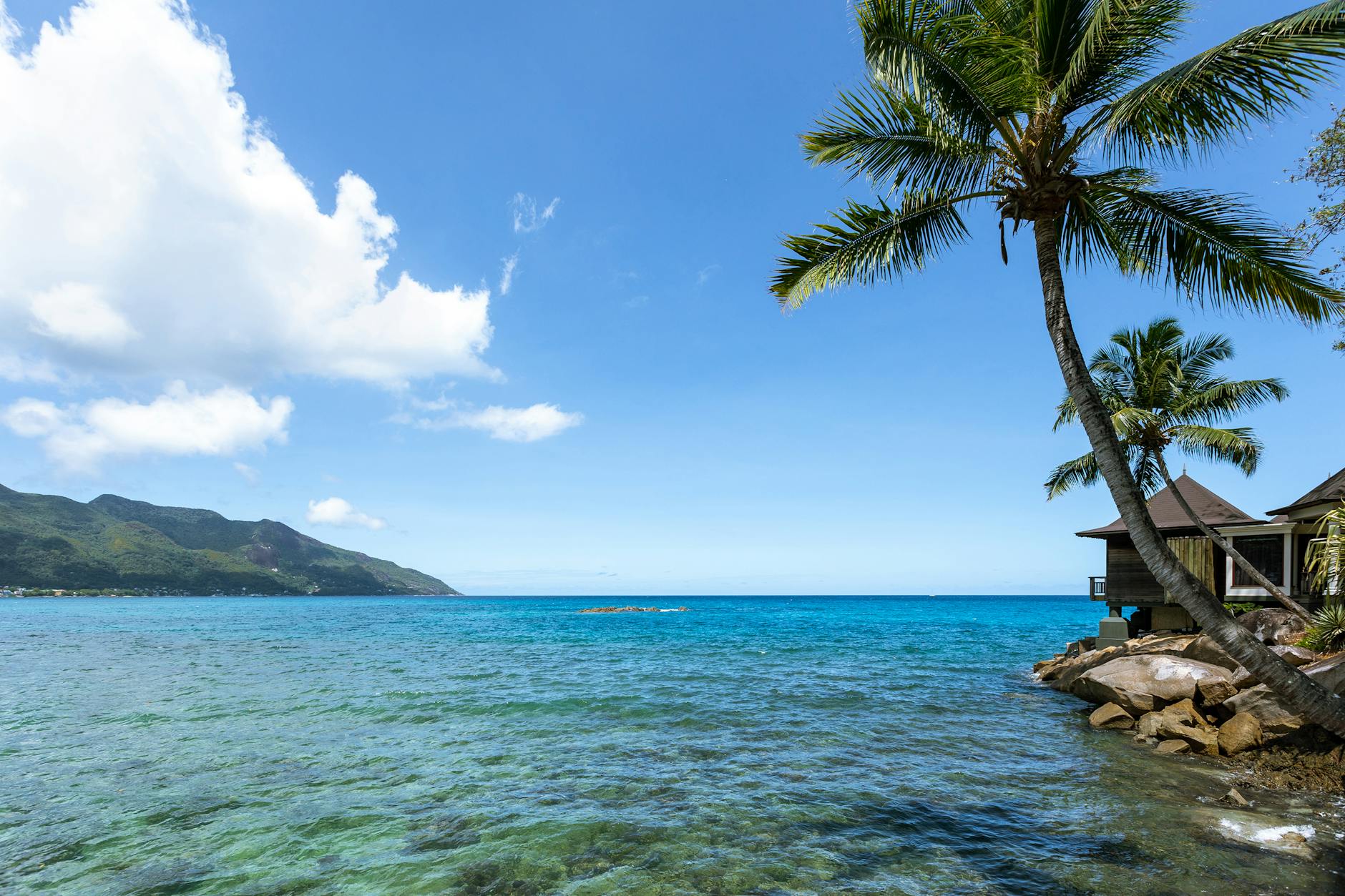
Nosy Komba — the island between the mainland and Nosy Be — is smaller, quieter, and wilder than its famous neighbour. Black lemurs wander village paths with the confidence of residents; the coral reef runs close to shore with some of the clearest water in northern Madagascar. Five days here covers the forest, the reef, the fishing villages, and the vanilla plantations without ever requiring a schedule.
Essential Gear for Madagascar’s Coastal Activities
Madagascar’s Underwater World Is World-Class — Film It in 5.3K Before It’s Gone
The coral gardens off Nosy Be, the whale sharks of the Mozambique Channel, the humpback whales migrating to Île Sainte-Marie — your phone doesn’t go underwater. The GoPro HERO13 Black shoots 5.3K60 video and is waterproof to 10 metres without any housing. Mount it on your snorkel mask, clip it to your kayak, hand it to your dive guide. Sold directly by Amazon.
Check current price and availability on Amazon →
Madagascar’s UV Index Hits 11+ — Your Skin Needs More Than Sunscreen in the Water
Nosy Be, Île Sainte-Marie, the reefs off Fort Dauphin — spectacular coastal waters under an equatorial sun with UV regularly hitting 11+. Sunscreen washes off within 20 minutes in water. O’Neill’s UPF 50+ long-sleeve rash guard blocks 98% of UV radiation all day, in and out of the water, without reapplication. Stays in place during snorkelling and dives.
Check current price and availability on Amazon →
Snorkelling Madagascar’s Reefs Without UV Protection Is How You Come Home With a Week of Sun Damage
The coral reefs of Nosy Be and Île aux Nattes are some of the most beautiful snorkelling in the Indian Ocean — in direct equatorial sunlight every minute you’re in the water. Hurley’s Women’s UPF 50+ long-sleeve rashguard covers your core, arms, and shoulders with full-spectrum UV protection. Lightweight, fast-drying, designed for real ocean conditions.
Check current price and availability on Amazon →
One Wave, One Pirogue Crossing, One Rain Shower — That’s All It Takes to Lose Your Phone in Madagascar
Madagascar’s water crossings are done in pirogues — narrow dugout canoes with no sides to speak of. One unexpected wave. One overfilled pirogue. One downpour on the RN7 with nowhere to shelter. The JOTO Universal Waterproof Pouch seals your phone in an IPX8-rated case to depths up to 30 metres. Use the touchscreen through the case, take underwater photos. Under $15.
Check current price and availability on Amazon →
Your Camera, Passport, and Valuables Need a Waterproof Shell for Madagascar’s Boat Transfers
Boat transfers to Nosy Komba, dive sites, and the remote beaches of Masoala — waves hit the deck, spray soaks everything unprotected. A wet camera, a soaked passport, or a ruined MacBook is not a one-hour problem in a country where Apple Stores don’t exist. The Earth Pak Dry Bag rolls and clips shut to create a 100% waterproof seal rated to IPX8. NY Times Wirecutter-recommended, 5-year warranty.
Check current price and availability on Amazon →
You’re Flying 10,000km to See Lemurs, Chameleons, and Fossa — Don’t Document It With a Phone Camera
Indri lemurs calling across the canopy of Andasibe. Panther chameleons in electric blue and orange. The fossa spotted on a night walk in Kirindy. A smartphone sensor in low rainforest light produces grainy, blurred images. The Sony a6400 with Real-Time Eye Autofocus locks onto animal eyes instantly — even through undergrowth and low light. APS-C sensor, 4K video, flip-up touchscreen.
Check current price and availability on Amazon →
Madagascar Has Over 100 Species of Lemur and 280 Species of Bird — You’ll Miss Most of Them Without Binoculars
Sifaka lemurs leap between canopy trees 30 metres up. The Madagascar fish eagle perches on a branch 200 metres across a lake. Without binoculars, you’re looking at distant shapes and taking your guide’s word for it. The Vortex Diamondback HD 10×42 delivers HD optical clarity with edge-to-edge sharpness. Waterproof, fog-proof, backed by Vortex’s unconditional lifetime warranty.
Check current price and availability on Amazon →
Madagascar Goes Completely Dark After Sunset — Don’t Navigate It Blind
Outside of Antananarivo’s main streets, Madagascar has virtually no street lighting. Wildlife walks in Ankarana, night lemur spotting in Ranomafana, the path to your bungalow — all navigated in total darkness. The Black Diamond Spot 400-R delivers 400 lumens with a 100-metre beam, USB-C rechargeable, IPX8 waterproof, with red night-vision mode for wildlife observation without disturbing animals.
Check current price and availability on Amazon →
Plan your Madagascar trip:
- Browse Madagascar tours and experiences (GetYourGuide)
- SafetyWing — monthly-subscription travel medical cover; you can check their plans.
- World Nomads — single-trip travel insurance with adventure-activity options.
Getting to Nosy Komba and Day 1: Arrival at Ampangorina
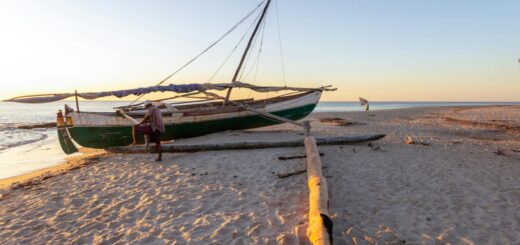
The main gateway to Nosy Komba is Ankify port on the mainland, 30 kilometres south of Ambanja. Speedboats cover the crossing in 15 minutes; pirogues take 45 minutes and cost considerably less. From Nosy Be, boat connections run from Hell-Ville harbour and take around 30 minutes. For a full breakdown of ferry and speedboat scheduling across northern Madagascar’s islands, the complete island-hopping guide covers seasonal variations in service. Ampangorina village is the main settlement — a single arc of stalls selling vanilla pods, carved wood, and woven baskets along a sandy path. Your lodge will arrange boat transfers from wherever you land. Day 1 is for settling in: explore the village on foot, eat fresh zebu brochettes from the beachside grill, and watch the canoe-based fishing fleet return at dusk. The pace here is deliberately slow — fighting it is the only mistake you can make.
Days 2 and 3: Black Lemur Forest Walks
The black lemur (Eulemur macaco) is Nosy Komba’s resident celebrity. Males are jet black; females are chestnut brown with white ear tufts — the most striking sexual dimorphism of any lemur species. The forest walk departing from Ampangorina village takes 1.5 to 2 hours and reaches the mid-island forest where groups of 15–30 lemurs have become habituated to visitors. They will descend to shoulder level for banana segments your guide carries — an encounter more intimate than any national park trekking experience in Madagascar. Entry and guide fees total around 30,000–50,000 MGA. Morning walks (6:30 AM departure) produce calmer, more active lemurs than afternoon circuits. Book a second morning walk on Day 3 to observe different family groups and access the higher forest trails where brown lemurs and flying foxes also appear. Guided island wildlife tours via GetYourGuide can include Nosy Komba as part of a wider northern Madagascar nature circuit.
Read also:
Book activities in Madagascar:
Days 4 and 5: Reef Diving and the Vanilla Plantation Circuit
Nosy Komba’s reef runs along its western and southern shores in 3–15 metres of water. The hard coral coverage is among the healthiest in Madagascar’s north — bleaching events have been less severe here than on the more exposed Mitsio archipelago. Day 4 suits a full diving or snorkeling day: the reef at Nosy Tanikely (20 minutes by speedboat) has a marine reserve with guaranteed sea turtle sightings. Equipment hire through your lodge costs 25,000–40,000 MGA; guided dives add 80,000–120,000 MGA. For a thorough comparison of Madagascar’s top dive sites, the complete diving guide covers Nosy Komba alongside the Radama Islands and Toliara reef. Day 5: hire a local guide for the island interior trail to the vanilla and cocoa plantations. Nosy Komba produces premium vanilla; the curing process walkthrough at a family farm costs around 15,000 MGA and ends with a tasting session. Return to Ankify or Nosy Be by speedboat for your onward journey.
Where to Stay, Getting There from Nosy Be and Full Budget
Nosy Komba has around fifteen guesthouses and small lodges, all clustered near Ampangorina beach. Tsara Komba Lodge is the island’s best-known upscale option at $180–280 per night all-inclusive. For mid-range comfort, Chez Eugénie offers bungalows with meals included at $60–90 per night. Budget travellers can find family-run guesthouses at $20–35 per night with basic facilities. All accommodation operates on generator power; Wi-Fi is limited to common areas. Compare current availability on Agoda before committing, as rooms are limited. For transfers from Nosy Be, the Nosy Be airport and transfer guide includes details on boat connections to Nosy Komba. Five-day budget: accommodation ($100–1,400), dives and reef ($80–200), lemur walks ($30–50), meals ($75–150), transfers ($40–80). Total: $325–1,880 depending on lodging choice.
Ready to book your Madagascar trip?
Frequently Asked Questions
Can I visit Nosy Komba as a day trip from Nosy Be?
Yes — speedboats from Hell-Ville take 30 minutes and the crossing costs around 20,000–30,000 MGA each way. A day trip allows time for the lemur walk and Ampangorina village but skips the reef. Staying overnight is strongly recommended for the full experience: the island atmosphere at sunset and dawn is the highlight most day-trippers miss entirely.
Are the black lemurs dangerous?
No — but they are wild animals and should be treated with respect. The habituated groups at Nosy Komba have interacted with visitors for decades and are calm around people. Avoid eye contact (perceived as aggression), don’t reach out to touch them before they approach, and never feed anything other than the banana provided by your guide. Bites are rare but have occurred when tourists try to force contact.
What is the best time of year for diving at Nosy Komba?
May to November offers the calmest seas and best underwater visibility — 15–25 metres on good days. December to March brings the cyclone season, rougher water, and reduced visibility. The reef is accessible year-round but the October shoulder season combines good diving with fewer visitors and lower prices.
Nosy Komba is Madagascar at its most intimate: small enough to cross on foot, wild enough to feel genuinely remote, and rich enough to justify five full days. The lemurs, the reef, and the vanilla together build a layered experience that larger islands can’t replicate. Before you travel, Check the plans with SafetyWing travel insurance — medical evacuation from a small island requires a boat and a flight, both of which need coverage. Reserve accommodation early via Agoda Nosy Komba — the island has fewer than 200 total beds and fills fast in July and August.
Start planning your Madagascar adventure today
Browse Madagascar experiences on GetYourGuide
Affiliate link – commission earned at no extra cost to you.
Flight delayed or cancelled? Flights to Madagascar often connect through Paris or Nairobi. EU regulation EC 261 may entitle you to up to €600 in compensation. Check your claim free on AirAdvisor →
Plan Your Trip to Madagascar
- Read the full Madagascar Travel Guide
- Explore itineraries by style and duration
- Best Tours and Guided Experiences
Where to Stay