Antsirabe vs Fianarantsoa 2026: Which Highland Town Should You Visit?
Affiliate disclosure: This article contains sponsored links to hotels, tour operators, insurance providers, and other travel services. We earn a small commission if you book through our links, at no extra cost to you.
At a Glance: Both sit on the RN7 in Madagascar’s central highlands, but they answer different questions. Choose Antsirabe if you want an easy, relaxing, spa-and-crafts stop close to Antananarivo. Choose Fianarantsoa if you’re going the full RN7 distance and want deeper Betsileo culture, the famous railway, wine country, and a springboard into Ranomafana rainforest.
- Book highland tours on GetYourGuide for guided day trips around either town.
- Planning the RN7 route? Contact Carla to tailor your highlands itinerary.
- The smartest way to link both towns is a private car & driver via Carla.
- Flight to Tana delayed or cancelled? Claim compensation with AirAdvisor.
- Cover the whole highlands trip with SafetyWing Nomad Insurance.
- Compare central highland stays on Agoda in both towns.
🎒 Madagascar Trip Essentials
A few inexpensive items make the biggest difference on the ground in Madagascar:
- Picaridin insect repellent — DEET-free protection against malaria mosquitoes. See on Amazon →
- Permethrin clothing spray — treat clothes; kills mosquitoes on contact for weeks. See on Amazon →
- Pop-up mosquito net — budget lodges rarely provide one; packs down tiny. See on Amazon →
- Water filter bottle — tap water isn’t safe to drink in Madagascar. See on Amazon →
- Universal travel adapter (USB-C) — Madagascar uses European-style plugs. See on Amazon →
- 8×42 binoculars — essential for spotting lemurs and chameleons in the canopy. See on Amazon →
As an Amazon Associate we earn from qualifying purchases.
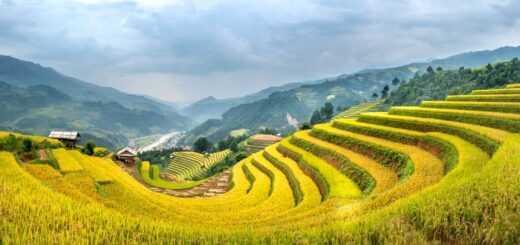
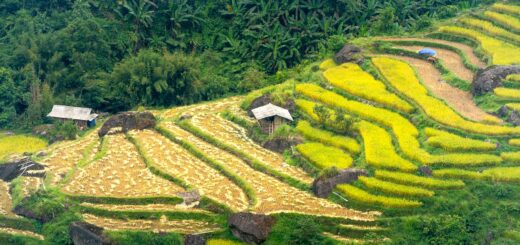
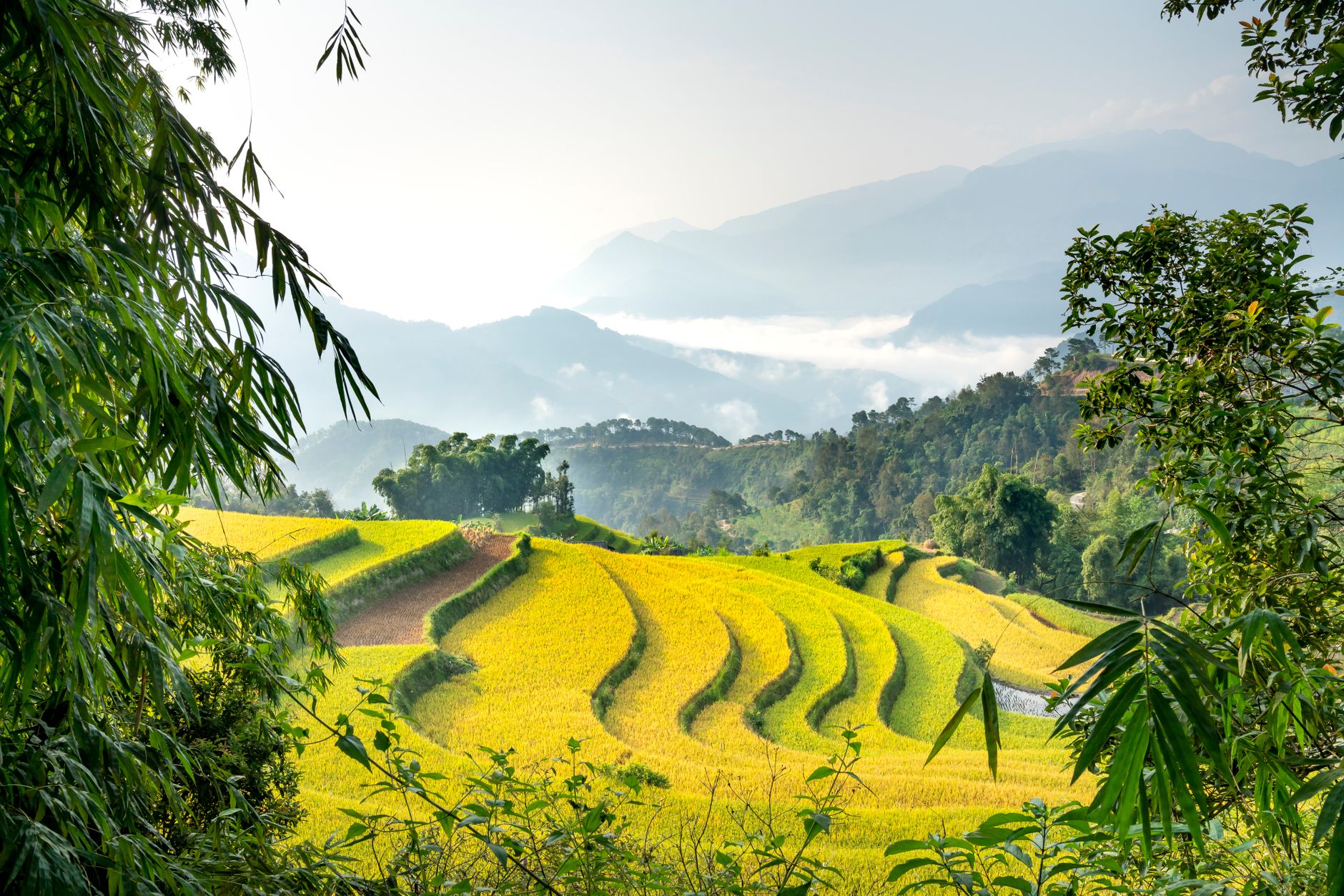
Drive south out of Antananarivo on the RN7 and you’ll thread through some of the most rewarding scenery in Madagascar: terraced rice paddies, red-brick Merina and Betsileo villages, pine ridges and zebu carts. Two highland towns anchor this route, and travellers planning their trip almost always end up asking the same question: Antsirabe or Fianarantsoa — which one is worth my time? They are often lumped together as “the highland stops,” but in character, distance, climate and what they offer they are genuinely different places, and choosing the right one (or fitting both in) makes a real difference to how your RN7 journey feels.
The short version: Antsirabe is the easy, polished, relaxing town — a former colonial spa resort just three to four hours from the capital, full of pousse-pousse rickshaws, thermal baths, crater lakes and craft workshops. Fianarantsoa is further, hillier, colder and grittier — the cultural capital of the Betsileo people, a working religious-and-educational city with a beautiful historic old town, a legendary scenic railway, Madagascar’s wine country, and the gateway to the Ranomafana rainforest. This guide compares them head to head so you can decide with confidence.
| Factor | Antsirabe | Fianarantsoa |
|---|---|---|
| Location & access | ~170 km / 3–4 hr south of Antananarivo on the RN7; easy half- or full-day from the capital | ~240 km further south of Antsirabe on the RN7; a long day’s drive from Tana |
| Vibe & character | Relaxed leisure and spa town; colonial elegance; the most polished tourist stop on the RN7 | Working religious and educational city; atmospheric, hilly, more “authentic” and lived-in |
| Top draws | Thermal baths & Hôtel des Thermes, pousse-pousse rickshaws, Lac Andraikiba & Lac Tritriva, craft workshops, STAR brewery, Asabotsy market | Historic hilltop Haute-Ville, the FCE scenic railway to Manakara, Betsileo wine country, Ranomafana gateway |
| Best for | First-timers, relaxation, crafts & shopping, an easy day trip or overnight from Tana | Culture & history lovers, rail enthusiasts, RN7 road-trippers heading deep south |
| Climate | Cool highland air at ~1,500 m; fresh evenings, bring a layer | Cooler and hillier still; often damp and chilly, especially in the old town |
| Nearby nature/parks | Crater lakes for walks and picnics; a good base toward Ambositra and its woodcarving villages | Gateway to Ranomafana National Park (rainforest, lemurs); Isalo lies further south |
| Tourist infrastructure | The most developed on the RN7; good range of polished hotels and restaurants | More limited; fewer tourist-grade hotels, more local character |
| Recommended length of stay | 1–2 nights; easy to enjoy in a relaxed day or two | 1–2 nights, or more if you ride the railway or detour to Ranomafana |
| Founding/identity | Founded 1872 by Norwegian missionaries as a spa retreat; “Madagascar’s Vichy” | Betsileo cultural capital; name means “place of good learning”; 4th-largest city |
Location & how easy each is to reach
This is the single biggest practical difference, and for many travellers it settles the question on its own. Antsirabe sits roughly 170 km south of Antananarivo, about three to four hours on the RN7. That puts it comfortably within reach of the capital — you can leave Tana in the morning, spend a full day exploring, and either return or stay the night without the day ever feeling rushed. It is the natural first proper stop on a southbound highlands trip, and it works equally well as a relaxed two-day escape for visitors who never intend to drive the full RN7.
Fianarantsoa is a different commitment. It lies a further 240 km or so south of Antsirabe — a long day on the road through beautiful but slow highland country. From Antananarivo it is realistically a full day’s drive, and you will almost always break the journey in Antsirabe or Ambositra along the way. Because of that distance, Fianarantsoa is rarely a casual day trip from the capital; it’s a town you reach because you’ve committed to travelling the highlands properly, usually en route to Ranomafana, the deep south, or the coast via the railway. If your trip is short and centred on Tana, Antsirabe wins on access alone. If you’re already road-tripping the RN7 toward Isalo and the south, reaching Fianarantsoa costs you nothing extra — it’s on the way. For linking the two comfortably, a private car & driver via Carla is far more pleasant than the public taxi-brousse.
Vibe & character: polished spa town vs lived-in cultural capital
Antsirabe and Fianarantsoa feel different the moment you arrive. Antsirabe is Madagascar’s spa town, founded in 1872 by Norwegian missionaries who came for the cool climate and the thermal springs and built a genteel resort that earned it the nickname “Madagascar’s Vichy.” That heritage still shows in its broad avenues, faded colonial grandeur and a generally relaxed, leisured atmosphere. It is the most developed and tourist-friendly stop on the RN7, which makes it easy and comfortable but also, at times, a little more curated than raw. The pousse-pousse rickshaws that fill its streets — Antsirabe is the rickshaw capital of the country — give it a gentle, slow-paced charm.
Fianarantsoa is a real working city — the fourth-largest in Madagascar and the cultural capital of the Betsileo people, famous as a centre of religion and education (its name literally means “place of good learning”). It is hillier, colder, and far less polished for tourism, and that’s precisely its appeal to a certain traveller. The atmospheric hilltop Haute-Ville, with its old churches and cobbled lanes tumbling down the slopes, feels genuinely historic rather than staged. Where Antsirabe invites you to slow down and be pampered, Fianarantsoa invites you to wander, climb and absorb a city that is getting on with its own life. Neither is better — they simply attract different moods. For a fuller picture of each, see our guides to the best of Antsirabe and the wider central highlands.
Top things to do in each
Antsirabe is about gentle, varied days. The headline draws are the thermal baths and the grand colonial Hôtel des Thermes, a relic of the spa era that’s worth seeing even if you don’t soak. Out of town, two crater lakes reward an easy excursion: Lac Andraikiba, good for a lakeside stroll, and the deep, sacred Lac Tritriva, ringed by legend and dramatic rock. The town is also a craft hub — miniature-craft and gemstone artisan workshops let you watch (and buy) intricate work made from horn, wood and semi-precious stones. Add the STAR brewery (home of THB beer), the lively Asabotsy market, and an afternoon touring by pousse-pousse, and you have an easily filled, low-effort itinerary. Dig deeper in our guide to things to do in Antsirabe.
Fianarantsoa’s draws are bigger in ambition. The historic Haute-Ville old town is the obvious one — a steep, photogenic warren of churches and colonial houses with sweeping views over the surrounding hills. The headline experience, though, is the legendary FCE (Fianarantsoa–Côte Est) railway, a slow, scenic train that grinds down the eastern escarpment through rainforest and tiny trackside villages to the coast at Manakara — one of the great rail journeys in Africa, if you have the time and patience. Fianarantsoa also sits at the heart of Madagascar’s small wine country, with Betsileo vineyards you can visit, and it’s the practical gateway to Ranomafana National Park, where rainforest trails offer some of the island’s best lemur watching. Add Isalo further south, and Fianarantsoa starts to feel less like a destination and more like a launchpad.
Climate & comfort
Both towns are highland-cool, which surprises first-timers expecting tropical heat everywhere in Madagascar. Antsirabe sits at around 1,500 m, giving it fresh, pleasant days and genuinely cool evenings — you’ll want a layer after dark even in the warmer months. Fianarantsoa is cooler and hillier still, and its steep old town can feel damp and chilly, especially in the cloudy season. Neither is uncomfortable, but the upshot for planning is simple: pack warm layers for both, and don’t assume “Madagascar” means beach weather inland. If you’re coming straight from the coast or arriving expecting heat, the highland chill can catch you off guard. For where each fits into a longer route, our Madagascar itinerary guide shows how the highlands knit into the bigger trip.
Nature & nearby parks
If wildlife and rainforest are high on your list, this axis tilts decisively toward Fianarantsoa. Antsirabe’s nature is gentle and close at hand — the crater lakes for walks and picnics, and an easy onward base toward Ambositra, the woodcarving town further down the RN7. It’s lovely, low-key countryside rather than headline wilderness. Fianarantsoa, by contrast, is the gateway to Ranomafana National Park, one of Madagascar’s premier rainforest reserves, where guided trails turn up lemurs, chameleons and dense, dripping forest. Isalo’s sandstone canyons lie further south on the same RN7 axis. If your dream of Madagascar centres on lemurs in the wild, Fianarantsoa puts you within striking distance; Antsirabe simply doesn’t.
Tourist infrastructure & where to stay
Antsirabe is the easier place to be a tourist. As the most developed stop on the RN7, it offers the widest range of polished hotels, comfortable restaurants and organised tours in the highlands — convenient if you value comfort and don’t want to work hard for it. You can compare options across both towns among central highland stays on Agoda, and our dedicated guide to the best Antsirabe hotels breaks down the standouts. Fianarantsoa’s infrastructure is more limited — fewer tourist-grade hotels, simpler dining, and a more local feel overall. That’s part of its character, but it’s worth knowing if you prefer your travels smooth and predictable. Budget-wise, both highland towns are easy on the wallet; see our breakdown of Antsirabe trip costs for a realistic sense of highland pricing.
Which should you choose?
Here’s the honest verdict. Choose Antsirabe if you want the easier, more relaxing experience: it’s the better day trip or short break from Tana, the better crafts-and-spa town, and the smoother, lower-effort stop for first-timers who want highland charm without a long commitment. It’s also the right answer if your trip is short and capital-centred. Choose Fianarantsoa if you’re travelling the full RN7 distance and want depth — Betsileo culture and history, the unforgettable FCE railway, the wine country, and above all the springboard into Ranomafana’s rainforest and the deep south.
And the best news: you usually don’t have to choose at all. On any proper RN7 road trip the two towns fall naturally on the same line — Antsirabe first as a relaxing early stop, Fianarantsoa later as the gateway south. A common, well-paced plan is a night or two in Antsirabe, a night in Ambositra, then a night or two in Fianarantsoa before pushing on to Ranomafana and Isalo. If you’re weighing the capital against the highlands more broadly, our Antananarivo vs Antsirabe comparison and the wider southern Madagascar / RN7 guide help you see where each piece fits.
Getting There & Travelling Well
Both towns are reached overland on the RN7 — there’s no practical flight or rail link from the capital to either, so almost everyone arrives by road from Antananarivo. Most international travellers fly into Tana first, then continue south by car. The most comfortable way to cover the highlands, and to link Antsirabe and Fianarantsoa without the cramped uncertainty of a taxi-brousse, is a private car and driver who knows the road. For more on overland options, see our guide to getting around Madagascar.
If your flight into Antananarivo is delayed, cancelled or overbooked, you may be entitled to compensation — check your claim with AirAdvisor before you write the disruption off.
Highland Madagascar is rewarding but remote, and long RN7 drives, rainforest trails and chilly nights are all part of the experience. Sensible travel insurance is essential here, far from major hospitals. SafetyWing Nomad Insurance is built for exactly this kind of independent, multi-stop trip, covering medical care and travel mishaps across long itineraries. Whether you settle on Antsirabe, Fianarantsoa or both, sort your SafetyWing cover before you set off so a minor problem on the road never becomes a major one.
Let Carla plan your highlands route
Deciding between Antsirabe and Fianarantsoa is easier when someone who knows the RN7 helps you map it out. Carla, our Madagascar travel specialist, can build a highlands itinerary around your time, pace and interests — whether that’s a relaxed Antsirabe break, a deep Fianarantsoa-and-Ranomafana run, or both towns stitched into a longer southbound trip. She arranges trusted drivers, sensible stops and timing that actually works on Madagascar’s roads. Contact Carla to start planning, or book a car & driver via Carla to link both highland towns in comfort.
Frequently Asked Questions
Is Antsirabe or Fianarantsoa better for a short trip from Antananarivo?
Antsirabe, easily. At three to four hours from the capital it works as a comfortable day trip or overnight, whereas Fianarantsoa is a full day’s drive further south and really only makes sense if you’re travelling the RN7 in depth.
Which town is better for seeing lemurs and rainforest?
Fianarantsoa, because it’s the gateway to Ranomafana National Park, one of Madagascar’s best rainforest reserves for lemur watching. Antsirabe’s nature is gentler — crater lakes and countryside rather than wilderness.
Do I have to choose, or can I visit both?
You can easily visit both. They sit on the same RN7 line, so a typical highlands road trip stops in Antsirabe first, then continues south to Fianarantsoa, often via Ambositra, on the way to Ranomafana and the deep south.
What is the famous train from Fianarantsoa?
The FCE (Fianarantsoa–Côte Est) railway, a slow, scenic line that descends the eastern escarpment through rainforest to the coastal town of Manakara. It’s one of the great rail journeys in the region, though it takes time and patience.
How cold do the highlands get?
Cooler than most visitors expect. Antsirabe sits at around 1,500 m with fresh days and cool evenings, and Fianarantsoa is cooler and hillier still. Pack warm layers for both towns regardless of season.
Ready to plan your highlands route? Whether you lean toward relaxing Antsirabe, cultural Fianarantsoa, or both on a full RN7 road trip, Carla can put it together for you. Contact Carla to tailor your itinerary, book a car & driver via Carla, and don’t forget your SafetyWing cover before you go.
Plan Your Trip to Madagascar
- Read the full Madagascar Travel Guide
- Explore itineraries by style and duration
- Explore the full destination guide
Where to Stay