Anja Community Reserve 2026: The Complete Guide to Madagascar’s Ring-Tailed Lemurs
Affiliate disclosure: This article contains sponsored links to hotels, tour operators, insurance providers, and other travel services. We earn a small commission if you book through our links, at no extra cost to you.
Anja Community Reserve 2026 — At a Glance
- What & where: A small (~30 ha) community-managed reserve beside the RN7, about 12 km south of Ambalavao in the Haute Matsiatra highlands of southern Madagascar — set at the foot of dramatic granite cliffs known as the “Three Sisters”.
- Best time: Visitable year-round; the dry season (April–November) makes the trails easiest, and ring-tailed lemurs are most active in the cool of the morning.
- The headline: Madagascar’s most-visited community reserve, home to a large, habituated population of ring-tailed lemurs (Lemur catta) — near-guaranteed, close-up sightings.
- Community conservation: Founded by local villagers around 1999 — one of Madagascar’s great community-run conservation successes; your entry fee funds the village and reforestation.
- Tours: Browse Anja & RN7 tours on GetYourGuide.
- Plan with a local: contact Carla to build an RN7 itinerary that includes Anja.
- Getting around: arrange a car & driver via Carla — by far the easiest way to do the RN7.
- Flight delays: if a flight is late or cancelled, you may be owed compensation — check with AirAdvisor.
- Insurance: cover the trip with SafetyWing Nomad Insurance.
- Where to stay: base in Ambalavao or Fianarantsoa — browse Madagascar stays on Agoda.
🐿 Wildlife-Watching Gear for Madagascar
The right kit turns a good wildlife trip into a great one:
- 8×42 binoculars — essential for spotting lemurs and chameleons in the canopy. See on Amazon →
- Rechargeable headlamp — essential for night walks; red mode won’t disturb wildlife. See on Amazon →
- Trekking poles — ultralight support for long park hikes. See on Amazon →
- Hiking daypack — comfortable pack for water, camera and layers. See on Amazon →
- Picaridin insect repellent — DEET-free protection against malaria mosquitoes. See on Amazon →
As an Amazon Associate we earn from qualifying purchases.
Of all the wildlife stops strung along Madagascar’s famous RN7 highway, few deliver as much joy for as little effort as the Anja Community Reserve. This is the place where, within minutes of leaving the road, you can stand a few metres from a troop of ring-tailed lemurs as they bask in the morning sun, groom one another, and pick their way across granite boulders with their black-and-white tails held high. There are bigger parks in Madagascar, and wilder ones, but there is nowhere easier — or more reliable — to meet the country’s most iconic lemur up close. And there is nowhere where your visit so directly puts money into the hands of the community that protects the forest.
Anja is not a national park. It is something rarer and, in many ways, more inspiring: a reserve created, owned, and run by the people who live beside it. Tucked under a wall of granite peaks just off the highway south of Ambalavao, it has become a model that conservationists point to across the island — proof that protecting wildlife and supporting a village can be the same project. This guide covers everything you need to plan a visit: what Anja is and exactly where to find it, the remarkable community story behind it, the lemurs and other wildlife you’ll see, the granite cliffs and Betsileo history woven into the landscape, the walks, the practicalities, and how Anja fits into a wider RN7 road trip through southern Madagascar.
What & Where Is the Anja Community Reserve?
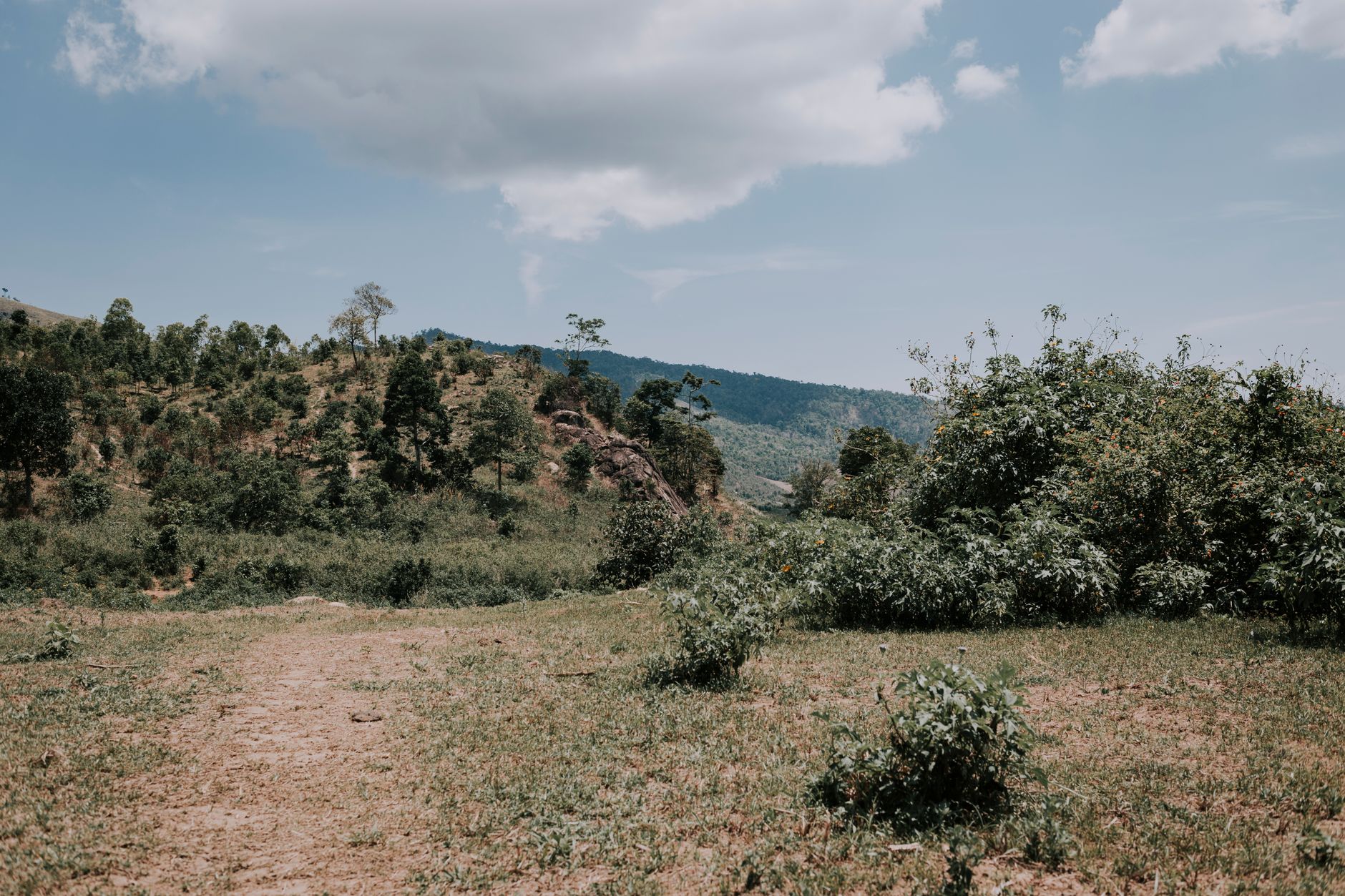
The Anja Community Reserve is a small protected area of roughly 30 hectares in the Haute Matsiatra region of southern Madagascar. It sits right beside the RN7 — the long north–south highway that links the capital, Antananarivo, with the southern town of Toliara — about 12 km south of the small town of Ambalavao. Ambalavao itself lies roughly 56 km south of Fianarantsoa, the regional hub of the southern highlands. That position, on a major tarmac road, is a big part of why Anja is so popular: unlike many of Madagascar’s reserves, you do not need a long, rough drive or an internal flight to reach it. You simply pull off the highway.
Crucially, Anja is a community reserve, not a national park. It is not managed by Madagascar National Parks (MNP); instead it is run by the local community through a village association. The forest covers a modest patch of land at the foot of three towering granite peaks locally nicknamed the “Three Sisters”, whose sheer faces dominate the skyline and give the reserve its unmistakable backdrop. Tumbled boulders, shady gallery forest, a small lake, caves, and rock shelters fill the ground between the cliffs and the road — a compact landscape that packs a surprising amount of life and history into a short loop. For the bigger picture of where Anja sits among the island’s protected areas, see our guide to Madagascar’s national parks and reserves.
The Community-Conservation Story
What makes Anja special is not only the lemurs — it is who looks after them. The reserve was founded around 1999 by the local community, at a time when the forest around the cliffs was shrinking under pressure from firewood collection, grazing, and clearance. Rather than wait for outside intervention, villagers organised themselves into an association, set the area aside, and began managing it as a protected reserve. In the decades since, Anja has become one of Madagascar’s most-cited examples of community-led conservation working in practice.
The model is simple and powerful. Every visitor pays a modest entry fee and is accompanied by a compulsory local guide drawn from the community. That income stays local: it pays the guides, funds the upkeep of trails, supports village projects, and finances reforestation to expand and protect the forest. In other words, your ticket does not disappear into a distant agency — it goes straight to the people whose decision to protect this patch of forest is the reason the lemurs are still here. Choosing to visit Anja is therefore one of the most directly beneficial things a traveller can do on the RN7: you see extraordinary wildlife, and the act of seeing it strengthens the very community that safeguards it.
It is also why hiring a community guide is not just a rule but part of the point. The guides know the troops individually, can read the landscape, and will explain the conservation work and Betsileo history as you walk. Tipping them well at the end is customary and goes a long way.
The Ring-Tailed Lemurs of Anja
The undisputed stars of Anja are its ring-tailed lemurs (Lemur catta) — the cat-sized, grey-and-white primates with the long, boldly banded black-and-white tails that have become the unofficial emblem of Madagascar. Anja is home to a large and well-habituated population, and the troops here are so used to respectful visitors that close, unhurried sightings are all but guaranteed. For many travellers, this is the single easiest place in the entire country to see ring-tailed lemurs well.
Ring-tailed lemurs are intensely social. They live in troops that can number from a handful to a couple of dozen or more, and they are unusual among lemurs in spending a lot of time on the ground. At Anja you’ll watch them move between the boulders and the forest floor, leaping onto rocks, scampering through the trees, and gathering in family groups. In the cooler hours you may catch the classic “sunbathing” pose — lemurs sitting upright with their arms outstretched and pale bellies turned to the morning sun, soaking up warmth before the day heats up. Mothers carry infants on their backs in the breeding months, and the troops communicate constantly through scent and a remarkable range of calls.
Because the population is so visible and habituated, Anja is ideal for photography and for travellers who want a reliable, ethical lemur encounter without a strenuous trek. Guides will keep a respectful distance and ask you to do the same — no feeding, no touching — which is exactly how it should be. If lemurs are a priority for your whole trip, our wider guide to where to see lemurs in Madagascar sets Anja in context alongside the island’s other top lemur sites.
Other Wildlife at Anja
While the ring-tailed lemurs steal the show, Anja rewards anyone who slows down and looks closely. The reserve is a good spot for chameleons, including the impressive Oustalet’s chameleon — one of the world’s largest chameleon species — as well as smaller chameleons and a variety of other reptiles such as geckos and the occasional snake (Madagascar’s snakes are harmless to humans). Your guide is invaluable here, with a sharp eye for spotting a motionless chameleon clinging to a branch that you would otherwise walk straight past.
Birdlife flits through the gallery forest and around the small lake within the reserve, and the granite slopes support hardy endemic plants, including succulents and aloes adapted to the dry, rocky habitat. The little lake and the shaded pockets of forest create surprising variety within such a compact area. None of this matches the lemurs for drama, but together it turns a quick lemur stop into a genuinely rich little nature walk. For a deeper look at the creatures you might encounter across the island, our wildlife and lemur guide is a useful companion.
The Granite Cliffs & Betsileo Culture
Anja is as much a cultural and geological landmark as a wildlife reserve. The “Three Sisters” — the trio of sheer granite peaks that rise behind the forest — give the place its dramatic scale, and the boulder-strewn ground beneath them is riddled with caves and rock shelters. These are not just scenery. Historically, the Betsileo people of the highlands used the caves and crevices among the cliffs as places of refuge during times of conflict, hiding in the rocks when raiders or rival groups threatened the villages.
The cliffs also hold a sacred dimension. Ancestral tombs are set into the rock faces and ledges, in keeping with the deep Malagasy reverence for ancestors that shapes life across the highlands. Your guide will point these out and explain their significance, and visitors are expected to treat them with respect — observing local customs (fady) around sacred sites. This blend of geology, history, and living culture is part of what makes a walk at Anja feel like more than a wildlife tick: you are moving through a landscape that has sheltered and sustained the local people for generations. The region around Ambalavao is also famous for traditional Antemoro paper, made with embedded flowers, which makes a fine souvenir from a nearby workshop.
The Walks at Anja
Visiting Anja means walking, and the good news is that the walks are accessible to most reasonably fit travellers. Guided loop circuits typically run from around one hour to about three hours, depending on how far you want to go and how long you linger with the lemurs. The shorter loops stay close to the road and the main lemur troops; longer options climb a little higher into the rocks and offer bigger views of the cliffs and the surrounding rice-terraced valleys.
Expect some uneven ground and a bit of boulder scrambling — there are sections where you’ll step up and over rocks, squeeze between boulders, or duck through low passages near the caves. None of it is technical or dangerous with a guide, but sturdy shoes with grip are sensible, and the rocks can be slippery after rain. Bring water, sun protection, and a hat, since the open granite areas catch the sun. Because the loops are flexible, Anja suits everyone from families wanting a gentle hour with the lemurs to keener walkers who’ll happily scramble for the longer circuit and the views.
When to Visit Anja
Anja can be visited year-round, which is one of its great conveniences. That said, the dry season — roughly April to November — generally makes for the easiest visits, with firmer trails, less chance of rain, and comfortable walking conditions in the highlands. The rainy months can make the rocks slippery and the air more humid, though the forest is at its greenest.
The single most useful piece of timing advice is to arrive in the morning. Ring-tailed lemurs are most active in the cooler early hours, when you’re most likely to catch them sunbathing, feeding, and moving in groups; by the heat of midday they often retreat to shade and rest. An early start also means cooler walking for you and softer light for photographs. For help planning your wider trip around the seasons, see our guide to the best time to visit Madagascar.
Getting to Anja
Anja’s location is one of its biggest advantages. It sits directly on the RN7, the main paved highway through southern Madagascar, roughly 12 km south of Ambalavao. Almost everyone reaches it as part of an overland journey along this route: most travellers driving the RN7 between Fianarantsoa and the south (towards Isalo and Toliara) pass right by the reserve, making it an easy and natural stop. From Fianarantsoa it’s a short drive of well under two hours; from Ambalavao it’s only a few minutes.
Because the RN7 is best explored at your own pace — with the freedom to stop for lemurs, viewpoints, paper workshops, and roadside markets — the most comfortable way to do it is with a private car and driver who knows the route. You can arrange a reliable car & driver via Carla, which removes the stress of navigation and lets you time your Anja visit for the best lemur-watching hours. For the full route context, our southern Madagascar RN7 guide maps out the journey and the stops along the way.
Where to Stay Near Anja
There’s no need to stay at Anja itself — most visitors come on a half-day stop and sleep in one of the nearby towns. The two obvious bases are Ambalavao, just 12 km north and the closest town with accommodation, and Fianarantsoa, the larger regional centre about 56 km north with a wider choice of hotels and guesthouses. Ambalavao is handy if you want to be on Anja’s doorstep for an early start, while Fianarantsoa offers more amenities and works well if you’re also exploring the surrounding highlands and the famous railway country.
Browse and compare options across the region with Madagascar stays on Agoda, and see our dedicated where to stay near Anja and Ambalavao guide for a closer look at the best places to base yourself. If you’re spending more time in the highlands hub, our Fianarantsoa guide covers the town and its surroundings in detail.
Fees & Visiting Practicalities
Visiting Anja is refreshingly straightforward and inexpensive. You pay a modest community entry fee at the reserve, and the cost of a compulsory local guide is added on top — both are very reasonable by international standards, and both go directly towards the community and the conservation work. Fees can change, so it’s wise to check the current rates locally or with your tour operator rather than relying on a fixed figure; expect them to be among the most affordable wildlife experiences in Madagascar.
A few practical notes: guides are arranged on arrival at the reception area, so there’s no need to book far in advance, though arriving early helps you get going while the lemurs are active. Tipping your guide at the end is customary and appreciated, given how directly it supports the community. Bring small denominations of local currency for fees, guide costs, and tips, as card payment may not be available. For a full breakdown of what a visit costs and how to budget for it, see our Anja trip cost guide.
How Anja Fits an RN7 Trip
Anja shines brightest as part of a bigger southern Madagascar journey. The RN7 is the country’s classic overland route, and Anja is one of its standout stops — easy, quick, and almost guaranteed to deliver lemurs. Most travellers combine it with the town of Ambalavao (for its Antemoro paper workshop, weekly zebu market, and wine), and with the dramatic granite landscapes of nearby Andringitra National Park, whose Pic Boby trek and rock-climbing valleys lie in the same corner of the highlands. The two make a natural pairing: Anja for an effortless lemur encounter, Andringitra for serious mountain trekking.
From here, the RN7 rolls south towards the canyons and sandstone formations of the Isalo region and on to the coast at Toliara, while north of Anja lie Fianarantsoa, the highland railway, and the road back towards Antananarivo. Built into a multi-day road trip, Anja is the kind of stop that costs you only a morning yet becomes one of the most-photographed and best-loved memories of the whole route.
Getting There & Travelling Well
Reaching Anja usually begins with an international flight into Antananarivo and then an overland journey south along the RN7, sometimes broken up with a domestic flight to Fianarantsoa’s region. Flights to and within Madagascar can be subject to delays and cancellations, and if that happens to you, you may be entitled to compensation. It’s worth checking your eligibility with AirAdvisor, which handles claims on your behalf so a disrupted flight doesn’t cost you more than it should.
Travel insurance is essential for any Madagascar trip, where medical facilities are limited and you’ll be travelling on long highland roads and walking on uneven terrain. SafetyWing Nomad Insurance is a flexible, traveller-friendly option that covers medical emergencies, trip disruption, and more, with simple monthly pricing that suits both short trips and longer journeys. If you’re combining Anja with trekking in Andringitra or a longer RN7 road trip, having proper cover in place is non-negotiable — sort out your SafetyWing policy before you leave home so you can explore with peace of mind.
How to Visit Anja
The ideal Anja visit is simple to organise. Arrive in the morning, ideally early, when the ring-tailed lemurs are most active and the granite hasn’t yet baked in the sun. Stop at the reserve’s reception area, pay your community entry fee, and you’ll be paired with a local guide. Discuss with them how much time you have and how energetic you’re feeling, and choose your loop accordingly — a gentle hour close to the road for an easy lemur fix, or a longer two-to-three-hour circuit that climbs higher among the boulders for bigger views and a deeper sense of the landscape.
Wear sturdy shoes with grip for the boulder sections, bring water, sun protection, and a camera, and follow your guide’s lead around the sacred tombs and rock shelters. Most travellers fold Anja into a half-day, leaving plenty of time to continue along the RN7. A natural plan is to visit Anja in the morning, browse Ambalavao’s Antemoro paper workshop and market afterwards, and either push on towards Isalo or detour to Andringitra National Park for hiking. Whether you keep it short or linger, you’ll come away having seen wild ring-tailed lemurs at arm’s length — and having supported the community that protects them.
Is Anja Worth Visiting?
Honestly? Yes — emphatically. Anja is one of the easiest wins on the entire RN7 and a genuine highlight of southern Madagascar. The lemur-watching is reliable to the point of near-guaranteed, the walks are short and flexible enough for almost anyone, and the whole experience is remarkably affordable. You don’t need a long detour, a rough road, or a strenuous trek — just a morning and a short stop off the highway.
Layered on top of that is the ethical dimension, which is hard to overstate. Because Anja is community-owned and community-run, your visit channels money straight to the village that protects the forest and to the reforestation work that keeps it growing. Few travel experiences let you do something so enjoyable while doing so much good. Add the cinematic backdrop of the “Three Sisters” cliffs and the Betsileo history in the caves, and Anja punches far above its modest 30 hectares. For most travellers driving the RN7, the only regret is not staying longer.
Plan Your Anja Visit with Carla
Want to fold Anja seamlessly into a southern Madagascar road trip — timed for the best lemur-watching, with the right stops along the RN7? Contact Carla, our trusted local travel planner, to build an itinerary around your dates, pace, and interests. Carla can also arrange a reliable car & driver for the whole RN7 route, so you can relax, stop where you like, and arrive at Anja in time for the morning lemurs.
Frequently Asked Questions
Is Anja a national park?
No. Anja is a community-managed reserve, not a national park, and it is not run by Madagascar National Parks (MNP). It was founded and is run by the local village community through a local association — one of Madagascar’s best examples of community-led conservation. Your entry fee goes directly to the community and to reforestation.
Are you guaranteed to see ring-tailed lemurs at Anja?
Sightings are about as close to guaranteed as wildlife ever gets. Anja has a large, habituated population of ring-tailed lemurs, and close encounters are the norm rather than the exception. For the best activity, arrive in the morning when the lemurs are feeding, moving, and sunbathing.
How long does a visit to Anja take?
Most people spend between one and three hours on a guided loop, depending on which circuit they choose and how long they linger with the lemurs. A typical visit is a half-day, leaving plenty of time to continue along the RN7 or explore Ambalavao.
Do I need a guide, and how much does it cost?
Yes — a local community guide is compulsory and is part of what makes Anja special. You pay a modest community entry fee plus the guide’s fee, both of which are very reasonable and go towards the community and conservation. Fees can change, so check the current rates locally, and bring small local currency for payment and a tip.
Where should I stay to visit Anja?
The closest base is Ambalavao, about 12 km north, ideal for an early start. Fianarantsoa, roughly 56 km north, has a wider choice of hotels and more amenities. You can compare options on Agoda and see our where to stay near Anja guide for details.
Ready to plan your Anja & RN7 adventure?
Let Carla, our local Madagascar travel planner, build a stress-free itinerary that includes Anja’s ring-tailed lemurs, Ambalavao, and the highlights of the RN7 — at your pace, on your dates.
Contact Carla to plan your trip →
Prefer to explore independently? Arrange a trusted car & driver via Carla, browse Anja & RN7 tours on GetYourGuide, and protect your trip with SafetyWing Nomad Insurance.
Plan Your Trip to Madagascar
- Read the full Madagascar Travel Guide
- Explore itineraries by style and duration
- Explore the full destination guide
Where to Stay