Toliara & Southwest Coast Trip Cost 2026: What a Madagascar Reef Holiday Really Costs
Affiliate disclosure: This article contains sponsored links to hotels, tour operators, insurance providers, and other travel services. We earn a small commission if you book through our links, at no extra cost to you.
Toliara & Southwest Coast Trip Cost 2026 — At a Glance
- The headline: an affordable reef-and-beach coast — no resort premium
- Biggest cost levers: how you get there (long RN7 drive vs a flight from Antananarivo) and whether you dive
- The cheap part: local food, guesthouses and fresh seafood
- Cost a trip honestly: contact Carla for figures with no hidden extras
- Check hotel prices: southwest coast hotels on Agoda
- Book reef tours: on GetYourGuide
- Flight protection: EU261 up to €600 per passenger
- Travel insurance: SafetyWing Nomad Insurance
💰 Carry Your Cash Safely in Madagascar
Madagascar runs largely on cash. Keep your money secure:
- Hidden money belt — keeps cash and passport out of a pickpocket’s reach. See on Amazon →
- RFID-blocking wallet — organises cards and blocks electronic skimming. See on Amazon →
- Neck wallet / passport pouch — discreet document holder for transit days. See on Amazon →
As an Amazon Associate we earn from qualifying purchases.
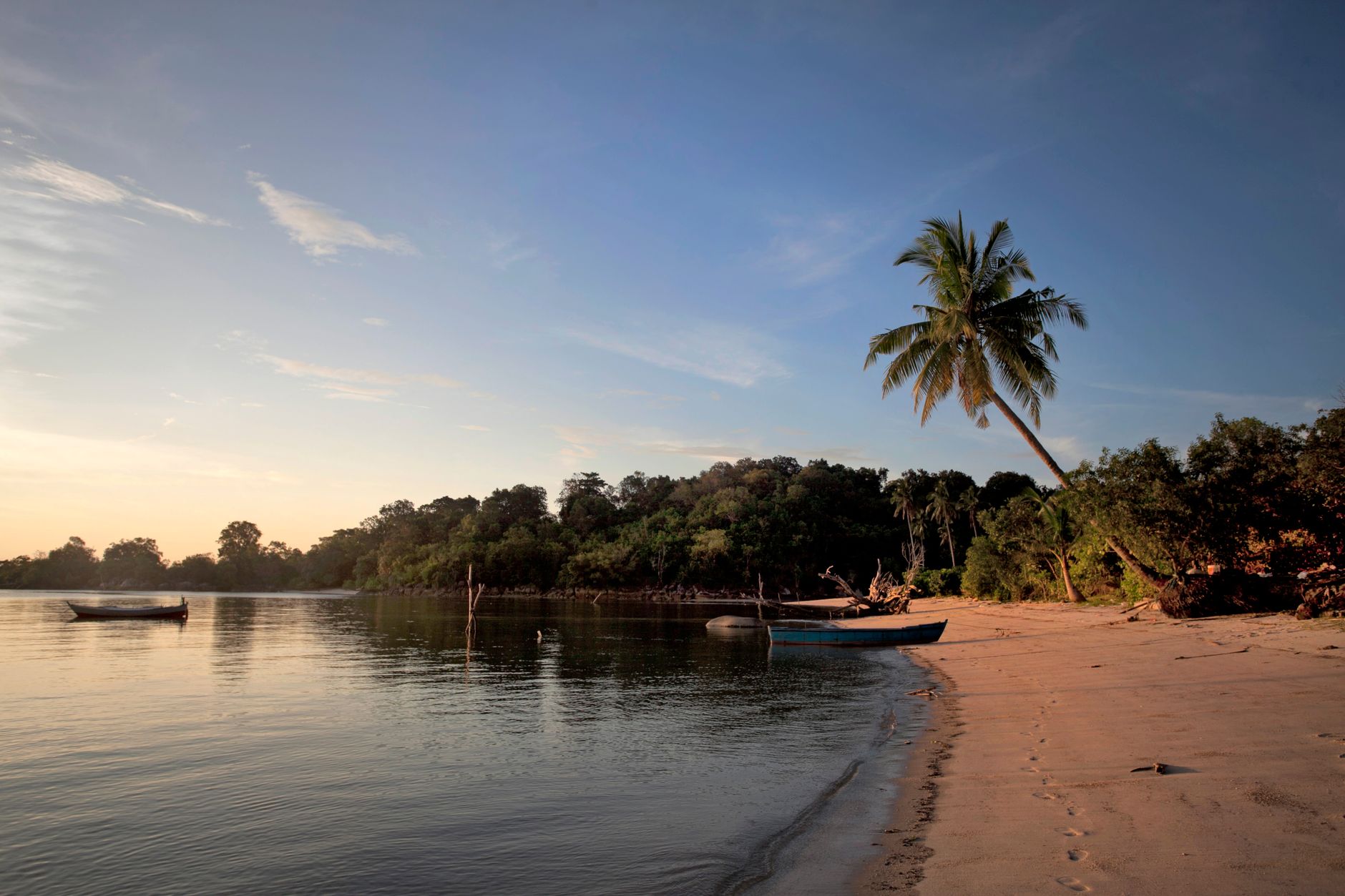
Of all the ways Madagascar can surprise a first-time visitor, the cost of its southwest coast is one of the most pleasant. There is a quiet assumption among people planning a beach-and-reef holiday that “tropical reef” automatically means “expensive resort”, the way it does on so many Indian Ocean islands. Around Toliara (Tuléar), Ifaty, Mangily and Anakao, that assumption simply does not hold. This is a working port town and a string of fishing villages that happen to sit beside one of the great barrier reefs of the western Indian Ocean — not a manufactured resort enclave. The result is a destination where your daily spending can stay genuinely low while the experience stays genuinely big.
This guide walks through what a Toliara and southwest-coast trip really costs, lever by lever, so you can budget honestly before you go. We will not invent a single price figure — exchange rates, fuel, seasons and your own taste move the numbers too much for that to be useful. Instead we will show you which decisions move your budget the most, and which ones barely matter, so you can spend where it counts. For the full picture of the region — where to base yourself, what to see and how the pieces fit together — start with our pillar guide to the best of Toliara and the southwest coast.
The Big Picture: An Affordable Reef Coast
The single most important thing to understand about the southwest is that there is no resort premium baked into the destination. You are not paying to be inside a gated all-inclusive bubble with imported everything. The local economy around Toliara runs on fishing, salt, transport and small-scale tourism, and prices reflect that. A plate of fresh fish at a beachside table, a night in a clean guesthouse a short walk from the sand, a pirogue trip out to the reef — all of these sit at the affordable end of any beach-holiday spectrum you could name.
That affordability is the baseline. On top of it, a small number of choices can push your total up sharply — chiefly how you cover the long distance from the capital, how comfortable you want your bed to be, and whether you want to scuba dive rather than snorkel. Those are the levers worth thinking about carefully. Almost everything else — meals, local transport, simple rooms, time on the beach — stays cheap whether you plan it down to the ariary or not.
So the honest mental model is this: the southwest is a low-cost place to be, reached by a potentially significant cost to get to, with a couple of optional splurges available on top. Get the getting-there decision and the diving decision right for your priorities, and the rest of the trip looks after itself.
What Drives the Cost
Before we look at sample budgets, it helps to separate the trip into its real cost drivers. Five things move your total, and they do not move it equally. Understanding which is which is the whole game.
Getting there: the long drive vs the flight
This is almost always the biggest single line in a southwest budget, and it is largely a fixed choice rather than a variable one. You either drive the long overland route down the RN7 from Antananarivo with a car and driver, or you fly into Toliara from the capital. The drive is a multi-day journey with its own costs — vehicle, driver, fuel, the driver’s nights on the road — but it is also a major part of the experience. The flight is faster and frees up days, but it costs more per person and skips the scenery. We unpack this in detail below, because for most travellers it is the decision that sets the tone of the whole budget.
Accommodation level
After getting there, where you sleep is the next big lever — and the one you control most directly, night by night. The southwest offers a wide range, from simple village guesthouses to comfortable beachfront and dive lodges. The gap between the budget end and the comfort end is real, but even the comfortable end is modest compared with resort islands elsewhere. You can dial this up or down per night, which makes it the easiest place to flex your budget.
Reef activities: boat trips, snorkelling, diving
Time on the reef is the reason most people come, and the activities span a wide cost band. A simple pirogue or boat trip out to a snorkelling spot is inexpensive. Snorkelling itself, with your own or rented gear, is one of the cheapest ways to see the reef. Scuba diving is a different category entirely — it is the priciest single activity on this coast, especially if you do a multi-dive package or a course. How much you dive, if at all, is a meaningful budget decision.
The Anakao boat transfer
If your plan includes Anakao — the quieter fishing village across the bay, reached by sea rather than road — there is a boat transfer to budget for in each direction. It is not enormous, but it is a real, easily-forgotten line item that does not exist if you stay around Ifaty and Mangily instead. We flag it here because it surprises people who only budgeted for the headline trip.
Food and daily living
This is the cheap part, and reliably so. Eating well on the southwest coast — especially fresh seafood — costs very little by any international standard. Local meals, market produce, soft drinks and the small day-to-day expenses of a beach holiday add up to a modest daily figure. You can spend more by sticking to hotel restaurants and imported drinks, but the floor is genuinely low and the food is genuinely good.
Getting There: Drive vs Fly
Because the getting-there decision is the biggest lever in the whole budget, it deserves the most thought. The two realistic options pull your costs in opposite directions and suit different kinds of traveller.
Driving the RN7. The classic approach is to travel overland from Antananarivo down the RN7, the long, scenic spine of southern Madagascar, with a hired car and a driver. The cost here is largely fixed regardless of group size: you are paying for the vehicle, the driver, fuel and the driver’s accommodation along the way. Crucially, that means the per-person cost drops sharply the more people share the car — a couple or a small group spreads the same fixed cost across more travellers. The drive is slow and takes several days, but it is also one of the great road journeys in Africa, threading through highland towns, the Isalo massif and the spiny forest before it reaches the coast. If you have the days, the drive often delivers the best value because it bundles transport and sightseeing into one line. For how this works in practice, see our guide to getting around Madagascar, and for the route itself, our deep dive on the southern RN7 road through southern Madagascar.
Flying from Antananarivo. The alternative is a domestic flight into Toliara from the capital. It is quicker and saves you several days, which has its own value if your time is short, but it costs more per person and it skips everything the road journey offers. For solo travellers the flight can actually be the more sensible choice, because there is no car cost to share down — a single driver-and-vehicle fee for one person is hard to justify against an air ticket. As a rough rule: the more days you have and the more people in your party, the better the drive looks; the fewer days and the smaller the party, the more the flight makes sense.
One important framing for either route: any flight protection you read about under EU261 — the rule that can pay up to €600 per passenger for long delays and cancellations — applies to the European-routed international flight that brings you to Madagascar, not to the domestic Antananarivo–Toliara hop. Budget your domestic flight on its own terms and treat EU261 as cover for the big international leg.
Accommodation Costs
Once you are on the coast, where you sleep is the lever you adjust most easily, and the southwest gives you a satisfying spread to work with. Think of it in three bands.
Budget. Simple guesthouses in and around Toliara, Ifaty and Mangily, and in Anakao, offer clean rooms, fans, mosquito nets and often a short walk to the beach. This is where shoestring and value-minded travellers will be very happy. Rooms at this level are inexpensive by any beach-destination standard, and the savings here free up money for activities.
Mid-range. Step up and you find comfortable beachfront places — proper bungalows, a pool, a reliable restaurant, sometimes air conditioning. This band offers the best balance for most visitors: a genuinely pleasant base without paying for a resort name. The jump from budget to mid-range is noticeable but not dramatic.
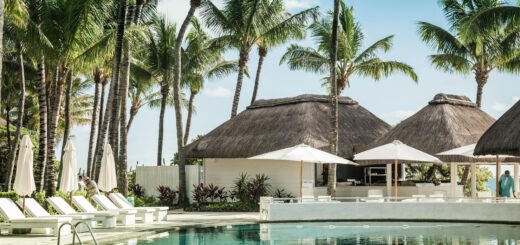
Comfort. The top of the local market is the comfortable beachfront and dive lodges — the most attractive bungalows, the best positions on the sand, full service and dive operations on site. Even here, you are paying lodge prices, not island-resort prices. This is the band where a honeymoon or a special trip lives, and it is still modest by international standards.
Because accommodation is so easy to flex, it is the smartest place to fine-tune your budget. To compare what is actually available and at what level, check southwest coast hotels on Agoda, and for a deeper look at the best places to stay along this coast, read our companion guide to the best Toliara and Ifaty hotels.
Reef Activities & Diving
The reef is the reason the southwest exists as a holiday destination, and your activity spending will track exactly how you want to experience it.
Snorkelling is the cheapest way onto the reef and, honestly, one of the most rewarding. With rented or your own gear and a short pirogue or boat trip out to a snorkelling spot, you can spend a morning over coral and fish for very little. For many travellers, snorkelling alone justifies the trip and keeps the activity budget tiny.
Boat trips — pirogue sails, transfers to reef sites, day excursions to Nosy Ve off Anakao — are inexpensive and add a lot of texture to a stay. These are easy to add as you go without blowing the budget.
Scuba diving is the one activity that genuinely lifts the total. It is the priciest single thing you can do on this coast, particularly if you book a multi-dive package or take a certification course. The southwest is a serious dive destination, so if diving is your purpose, budget for it deliberately as its own line — and remember that a package of dives usually works out better per dive than booking them one at a time. If diving is not a priority, you can skip it entirely and the coast still delivers fully through snorkelling.
You can book reef tours and excursions in advance on GetYourGuide, which is useful for locking in the bigger day-trips. For the full menu of what there is to do on the water and the spiny-forest side, see our sibling guide to things to do in Toliara and Ifaty.
Food & Daily Living
If the getting-there cost is the part that can sting, food and daily living are the parts that reliably soothe. Eating on the southwest coast is one of the great-value experiences in Madagascar. The sea delivers fresh fish, prawns, calamari and lobster, and beachside restaurants and guesthouse kitchens turn them into simple, excellent meals for a fraction of what the same plate costs almost anywhere else with a reef view.
Local market produce, rice-based dishes, fresh fruit and soft drinks keep daily spending low. Even a traveller eating three meals out a day will find the food budget modest. You can spend more — sticking exclusively to the comfort lodges’ restaurants and imported wine and spirits will raise the daily figure — but the floor is genuinely cheap, and the cheap option here is also delicious. If keeping the overall trip lean is your aim, our Madagascar budget travel guide goes deeper on eating and travelling cheaply across the country.
Sample Trip Budgets
With the levers laid out, here is how a southwest trip stacks up at three levels. These are relative pictures, not price quotes — the point is to show the shape of each budget and where the money goes, not to put figures on it.
Budget trip. You drive the RN7 sharing a car with others (or travel as cheaply as possible into the region), sleep in simple guesthouses, eat local seafood and market food, and stick to snorkelling and the occasional pirogue trip. The biggest line is the shared transport in; everything on the ground stays low. This is a remarkably cheap way to reach a world-class reef.
Mid-range trip. You might fly one leg or split a comfortable car-and-driver among a couple or small group, base yourself in a pleasant beachfront bungalow, mix snorkelling with a few boat trips and perhaps a couple of dives, and eat a balance of local and hotel meals. The total rises mainly through accommodation and a modest activity package, but it stays well short of a resort-island holiday.
Comfort trip. You fly to save days, stay in the nicest beachfront or dive lodge, dive properly with a multi-dive package, take the boat over to Anakao and Nosy Ve, and eat where you like. This is the southwest at its most indulgent — and it is still, by international beach-holiday standards, an affordable luxury. The two things lifting the total are the flight and the diving; the bed and the food remain reasonable even here.
Notice the pattern across all three: the ground costs barely change, while the getting-there choice and the diving decision do almost all the moving. That is exactly where to focus your planning. If you want a worked itinerary to hang these costs on, our guide to the best Madagascar itinerary shows how the southwest fits into a wider trip.
How to Keep Costs Down
If your aim is to enjoy the southwest without overspending, a handful of decisions do most of the work. None of them require sacrificing the experience.
- Drive instead of fly — and share the car. If you have the days, the overland route bundles transport and sightseeing, and the fixed car-and-driver cost shrinks per person with every traveller you add. A couple or small group driving the RN7 gets the best value on this coast.
- Choose Ifaty and Mangily over Anakao for cost. Staying around Ifaty and Mangily avoids the boat transfer that Anakao requires. Anakao is wonderful, but if every line matters, the road-accessible bases are cheaper to reach.
- Snorkel rather than dive. Snorkelling delivers the reef for a tiny fraction of the cost of scuba. Reserve diving for when it is genuinely the point of the trip.
- Travel in the shoulder season. Going just outside the peak windows can ease both flight and room prices while keeping good conditions. Our guide to the best time to visit Madagascar explains when the sweet spots fall.
- Eat local. Lean on beachside seafood and market food over imported menus. It is cheaper and, often, better.
Hidden Costs to Budget For
A few expenses are easy to leave out of a first budget and then surprise you on the ground. Account for them up front and there are no nasty surprises.
- Boat transfers. If Anakao or Nosy Ve is on your list, budget the sea transfer in each direction.
- Dive packages. Diving costs build quickly if you decide on it after arriving; a planned multi-dive package is both cheaper per dive and easier to budget.
- Park and reserve fees. The spiny-forest reserves and any protected areas you visit around Ifaty and on the RN7 carry entrance fees, often plus a local guide fee.
- Tips. Tipping drivers, guides and lodge staff is customary and worth setting aside money for separately.
- Drinks. Imported wine, spirits and soft drinks at comfort lodges add up faster than the food does.
- Air-conditioned rooms. A/C is usually a step up in price over fan rooms; decide whether you need it for your season.
Southwest vs an Island like Nosy Be on Cost
It is worth putting the southwest beside the obvious alternative. Nosy Be, Madagascar’s flagship island, is a more polished, more developed resort destination — and it carries a price to match. The accommodation skews more towards resorts, more is geared to international visitors, and the overall daily cost runs higher. The southwest, by contrast, is rawer, more local and noticeably cheaper to be in, day for day. Both reach excellent water, but the southwest gets you a comparable reef experience for less, with the trade-off being a longer journey to arrive and fewer resort comforts once there. If your priority is value and authenticity over polish, the southwest wins on cost — and the RN7 drive throws in a road trip that an island simply cannot.
Is It Worth It?
For the right traveller, the southwest is one of the best-value coastal experiences in the Indian Ocean. You get a genuine barrier reef, the strange beauty of the spiny forest, fresh seafood at village prices, and — if you drive — the grand finale of the RN7 as your way in. The headline costs are honest and the daily costs are low. The two big levers, getting there and diving, are entirely within your control, which means you can build a southwest trip at almost any budget level and still come away feeling you spent well. Affordable reef, real Madagascar, no resort markup: yes, it is worth it.
Getting There and Travelling Well
However you reach the coast, protect the journey. Your international flight into Madagascar is the one most worth covering: if it is routed through Europe and suffers a long delay or cancellation, EU261 can entitle you to compensation of up to €600 per passenger. It costs nothing to know your rights before you fly, and it can rescue a disrupted trip. Remember this covers the European-routed international leg, not the domestic Antananarivo–Toliara flight.
For everything on the ground, travel insured. A long overland drive, time on boats and the reef, and the realities of a remote coast all make medical and travel cover sensible rather than optional. SafetyWing Nomad Insurance is built for exactly this kind of flexible, long-haul travel, and it is straightforward to arrange before you go. Budgeting a southwest trip without insurance is a false economy; budgeting SafetyWing cover in from the start keeps the figure honest.
Cost It Honestly With Carla
Relative ranges only take you so far. When you want real figures for your actual dates, base and activities — with no hidden extras — the best move is to ask someone who lives and works in Madagascar. Carla can cost a southwest trip honestly, weigh the drive against the flight for your party size, and tell you straight where your money is best spent and where it is wasted. There is no obligation in asking, and a single conversation often saves more than it could ever cost. Reach out to Carla to put real numbers on your plan.
Frequently Asked Questions
Is the southwest coast of Madagascar expensive?
No — it is one of the more affordable beach-and-reef destinations you could choose. There is no resort premium: local food, guesthouses and fresh seafood are cheap, and even comfortable lodges are modest by international standards. The cost that can be significant is getting there.
What is the biggest cost in a Toliara trip?
Almost always how you arrive — either the multi-day RN7 drive with a car and driver, or the flight from Antananarivo into Toliara. After that, whether you scuba dive is the next biggest variable. Everything else, especially food and simple rooms, stays low.
Is it cheaper to drive or fly to Toliara?
It depends on your party size and days. The drive’s car-and-driver cost is largely fixed, so it gets cheaper per person the more people share it and works best when you have the time. The flight is faster and usually better value for solo travellers, but costs more per head and skips the RN7 scenery.
How much does diving on the southwest reef cost?
Diving is the priciest single activity on this coast, and a multi-dive package or a course raises the total noticeably. We do not quote figures, but budget for it deliberately if it is your purpose. If it is not, snorkelling delivers the reef for a fraction of the cost.
Is the southwest cheaper than Nosy Be?
Yes, day for day. Nosy Be is more developed and resort-oriented and runs higher. The southwest is rawer and more local, with comparable reef access for less — the trade-offs being a longer journey in and fewer resort comforts on arrival.
💰 Know What a Southwest Trip Will Cost — Ask Carla
Get honest figures for your dates, base and activities — with no hidden extras — from a Madagascar-resident specialist. Reach out to Carla.
Plan Your Trip to Madagascar
- Read the full Madagascar Travel Guide
- Explore itineraries by style and duration
- Best Tours and Guided Experiences
Where to Stay