The Comet Moth: Madagascar’s Giant Silk Weaver
Madagascar’s comet moth spans 20 cm, trails 15 cm tails, spins a shimmering cocoon — and hatches with no mouth, living just days. Science and soul in one creature.
Madagascar’s comet moth spans 20 cm, trails 15 cm tails, spins a shimmering cocoon — and hatches with no mouth, living just days. Science and soul in one creature.
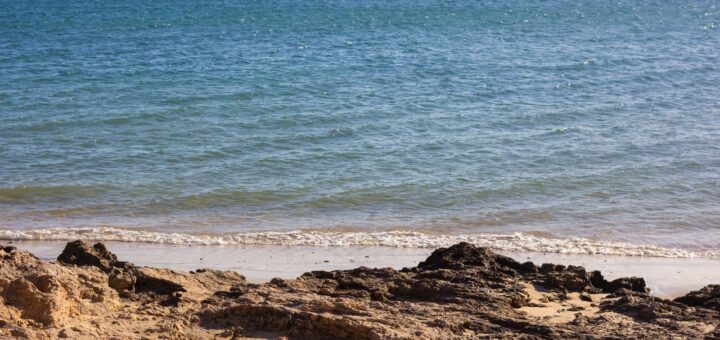
On Madagascar’s west coast, the spirits of dead kings speak through living mediums. Tromba is spirit possession as a nation’s living archive — and it is no tourist show.

Highland kings ruled with sacred talismans — the sampy that protected whole kingdoms and the ody that guarded individuals — until a queen burned the royal idols in 1869.
Before the Latin alphabet, Malagasy was written in Arabic-derived Sorabe script — sacred manuscripts of astrology and medicine kept by the Antaimoro’s ombiasy sages.
Half history, half myth, the Vazimba are remembered as Madagascar’s first inhabitants — venerated as the oldest ancestors and claimed by the kings who later ruled the island.
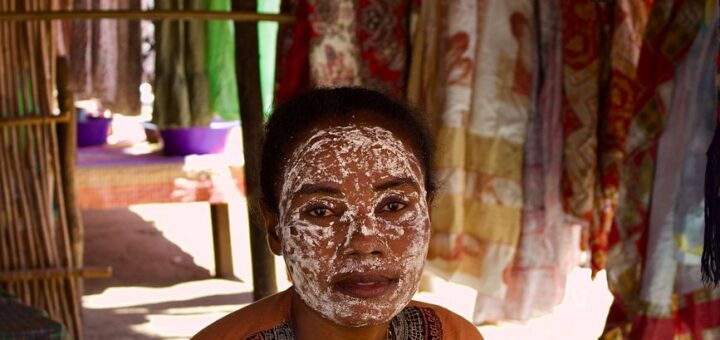
Madagascar has roughly eighteen ethnic groups — highlanders and côtiers — all speaking one Austronesian language. A traveller’s map to who’s who and why it matters.
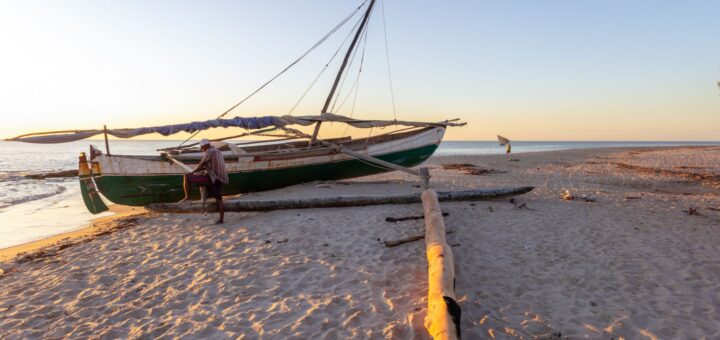
Madagascar’s first people didn’t come from nearby Africa — they crossed the Indian Ocean by canoe from Southeast Asia. The migration that still defines Malagasy identity.
Madagascar split from Africa ~165 million years ago and from India ~88 million years ago. That deep-time isolation is why 90% of its wildlife lives nowhere else.