Chameleons in Madagascar: Where to Find Them and Best Parks 2026
This post contains affiliate links. We may earn a small commission at no extra cost to you.
At a Glance
- Species count: 50+ chameleon species endemic to Madagascar (nearly half the world total)
- Best park for chameleons: Ranomafana or Amber Mountain (highest diversity)
- Best time: Night walks October–March (breeding season color displays)
- Book wildlife tours: Browse Madagascar night walk tours on GetYourGuide
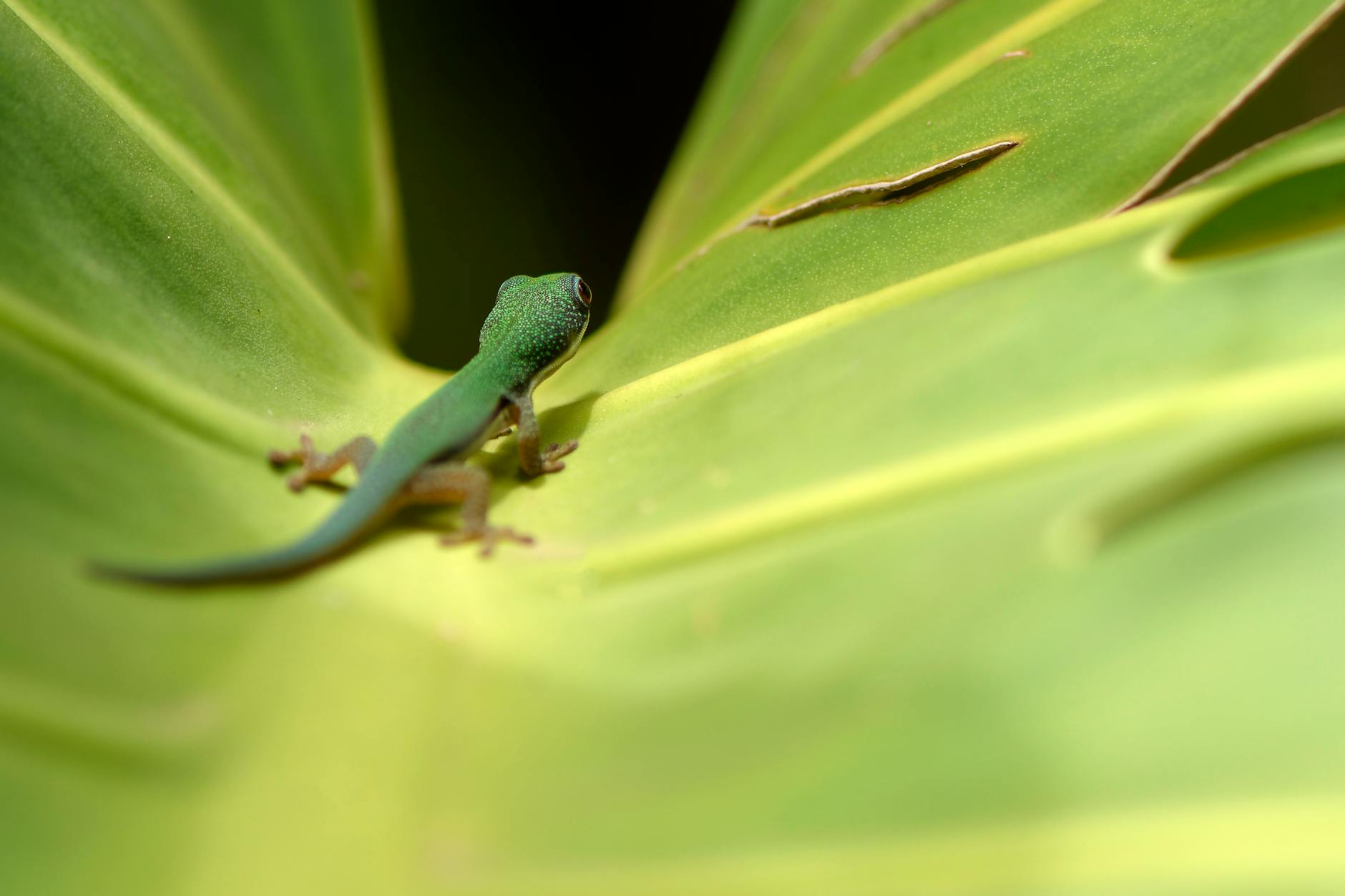
Madagascar is the global capital of chameleon diversity. More than 50 species are endemic to the island — nearly half of all chameleon species on Earth. From the giant Parson’s chameleon, as large as a domestic cat, to the nano-chameleons of the leaf litter so small they fit on a fingertip, Madagascar holds the full spectrum of this extraordinary reptile family. This guide covers the best parks, how to find chameleons in the wild and what to expect from a night walk in a Malagasy forest.
Recommended Gear for Your Madagascar Wildlife Trip
You’re Flying 10,000km to See Lemurs, Chameleons, and Fossa — Don’t Document It With a Phone Camera
Indri lemurs calling across the canopy of Andasibe. Panther chameleons in electric blue and orange. The fossa spotted on a night walk in Kirindy. A smartphone sensor in low rainforest light produces grainy, blurred images. The Sony a6400 with Real-Time Eye Autofocus locks onto animal eyes instantly — even through undergrowth and low light. APS-C sensor, 4K video, flip-up touchscreen.
Check current price and availability on Amazon →
Madagascar Has Over 100 Species of Lemur and 280 Species of Bird — You’ll Miss Most of Them Without Binoculars
Sifaka lemurs leap between canopy trees 30 metres up. The Madagascar fish eagle perches on a branch 200 metres across a lake. Without binoculars, you’re looking at distant shapes and taking your guide’s word for it. The Vortex Diamondback HD 10×42 delivers HD optical clarity with edge-to-edge sharpness. Waterproof, fog-proof, backed by Vortex’s unconditional lifetime warranty.
Check current price and availability on Amazon →
Madagascar Goes Completely Dark After Sunset — Don’t Navigate It Blind
Outside of Antananarivo’s main streets, Madagascar has virtually no street lighting. Wildlife walks in Ankarana, night lemur spotting in Ranomafana, the path to your bungalow — all navigated in total darkness. The Black Diamond Spot 400-R delivers 400 lumens with a 100-metre beam, USB-C rechargeable, IPX8 waterproof, with red night-vision mode for wildlife observation without disturbing animals.
Check current price and availability on Amazon →
Madagascar Has Some of the Highest Malaria Risk in the World
The rainforests of Andasibe, the wetlands of Morondava, the rice paddies outside every village — mosquitoes are relentless and bite at dusk and dawn. DEET burns skin and destroys gear. Natrapel 20% Picaridin is the CDC-recommended alternative that repels mosquitoes, ticks, and sandflies for up to 12 hours without damaging your equipment.
Check current price and availability on Amazon →
No Grid, No Problem — Charge Your Devices From the Sun in Madagascar’s Remote Parks
Marojejy. Andringitra. Tsingy de Bemaraha. Madagascar’s most spectacular parks are its most isolated — no power outlets, no phone signal. A 3-day wilderness circuit means running on whatever charge you left camp with. The BLAVOR Solar Power Bank pairs 10,000mAh with a fold-out solar panel that recharges itself from sunlight as you trek.
Check current price and availability on Amazon →
Plan your Madagascar trip:
Why Madagascar Has More Chameleon Species Than Any Other Country
Madagascar separated from Africa approximately 165 million years ago and from India 88 million years ago, creating a vast island laboratory where reptiles evolved in isolation across radically different habitats: humid eastern rainforest, dry western deciduous forest, spiny southern desert and cool northern montane forest. Chameleons colonized Madagascar in a single ancient event and then underwent explosive speciation across these habitats, producing the extraordinary species diversity we see today. The island holds species at every size extreme: Parson’s chameleon (Calumma parsonii) reaches 68 cm and is the world’s largest chameleon by body weight, found in the humid forests around Andasibe and Ranomafana. At the opposite end, the nano-chameleons (Brookesia nana and relatives) discovered as recently as 2021 are among the smallest reptiles on Earth at 13–29 mm. Between these extremes, Madagascar’s 50+ species occupy every habitat niche with color displays ranging from electric turquoise to forest-floor bark-brown.
Best Parks to See Chameleons: Site Guide
Ranomafana National Park is the top chameleon destination with at least 12 species recorded in the park including the spectacular Parson’s chameleon, the O’Shaughnessy’s chameleon and the tiny Brookesia species hiding in leaf litter. The dense rainforest and year-round humidity support the highest chameleon density of any accessible park. Amber Mountain National Park (Montagne d’Ambre) in the far north is a close second — its isolated humid pocket supports endemic species found nowhere else including the Amber Mountain chameleon (Calumma amber). Andasibe-Mantadia holds Parson’s chameleon reliably — individual animals inhabit the same tree sections for years and guides know their exact positions. Ankarana Special Reserve in the north offers dry-adapted species against the spectacular tsingy limestone backdrop. The Masoala Peninsula on the northeast coast is the most remote option — accessible only by boat — and rewards with undisturbed forest chameleons at their highest density. Book accommodation near Andasibe for easy access to Parson’s chameleon territory at dawn and dusk.
Read also:
Save money on your Madagascar trip:
Night Walks: When and How to Find Chameleons
Chameleons are diurnal but sleeping animals are dramatically easier to spot at night than moving daytime hunters. At night, chameleons sleep on branch tips and exposed twigs, often at head height, and glow white or pale yellow under a torch — completely invisible in daytime when their cryptic coloration matches bark and leaves precisely. Night walks are the single most reliable method for chameleon encounters regardless of species or park. The best seasons for night walk chameleon diversity are October to March when breeding season color displays are at their most intense and animals are more active at lower elevations. Guides at Andasibe and Ranomafana offer organized night walks for $8–15 per person. Bring a powerful headtorch — minimum 300 lumens — rather than relying on guide torches. Walk slowly and scan systematically at branch-tip height. A single 2-hour night walk at Ranomafana during October–November typically yields 4–8 chameleon species plus nocturnal lemurs, tree frogs and sleeping birds. Staying in a park lodge overnight means access to multiple night walks without the transport cost of day-trippers.
Photography, Ethics and What Else You Will Encounter
Chameleon photography in Madagascar produces some of the most striking reptile images available anywhere. Parson’s chameleons in particular are large, slow-moving and tolerant of close approach — a 100mm macro lens produces frame-filling portraits with room for bokeh backgrounds. For tiny Brookesia species, a dedicated macro lens and flash diffuser are recommended. Ethical handling: Madagascar guides may suggest picking up chameleons for closer photographs — this is common practice for habituated animals and does not cause distress if brief. Do not request the same animal more than once per session, and return it to exactly where it was found. Night walks at every Madagascar park also reliably produce: mouse lemurs (the world’s smallest primate), sportive lemurs asleep in tree hollows, leaf-tail geckos (Uroplatus species) that require guide expertise to spot against bark, tree frogs in extraordinary variety and — in Ranomafana — the chance of seeing a fossa hunting at the forest edge. Rent a 4WD on Carla to reach multiple parks without depending on shared transport schedules. SafetyWing travel insurance covers the remote forest areas where night walks take place.
Ready to book your Madagascar trip?
Frequently Asked Questions
How many chameleon species live in Madagascar?
More than 50 chameleon species are endemic to Madagascar — found nowhere else on Earth. This represents nearly half of all chameleon species globally. They range in size from the giant Parson’s chameleon (up to 68 cm) found in humid rainforests to the nano-chameleons (Brookesia species, 13–29 mm) discovered as recently as 2021 in leaf litter.
What is the best way to see chameleons in Madagascar?
Night walks are the single most effective method. Sleeping chameleons perch visibly on branch tips at night and glow pale under torchlight, whereas daytime camouflage makes them nearly impossible to spot without a specialist guide. Night walks run $8–15 per person at most national parks including Andasibe and Ranomafana, where guide expertise dramatically increases chameleon encounter rates.
When is the best time to see chameleons in Madagascar?
October to March (austral spring and summer) is the peak chameleon season: breeding activity means males display intense color changes, animals are more active at lower elevations and recently hatched juveniles increase the overall encounter rate. Night walks during this period at Ranomafana or Andasibe routinely produce 4–8 species in a single 2-hour session.
A night walk through Ranomafana in October with a torch and a good guide is one of Madagascar’s most accessible and consistently spectacular wildlife experiences. You do not need specialist knowledge — just the willingness to walk slowly and look carefully. The chameleons will do the rest: perched, illuminated and impossible to miss. Combine night walks with daytime lemur and bird trekking for the most complete Madagascar wildlife experience available. Book a guided Madagascar wildlife night tour on GetYourGuide for a guaranteed departure with a specialist naturalist guide.
Plan Your Trip to Madagascar
- Read the full Madagascar Travel Guide
- Explore itineraries by style and duration
- Explore the full destination guide
Where to Stay
Hotels, lodges, and tours fill fast for July–September — compare availability now.