Marojejy Tours & Trekking Packages 2026: Guided Sifaka Treks & How to Book
Affiliate disclosure: This article contains sponsored links to hotels, tour operators, insurance providers, and other travel services. We earn a small commission if you book through our links, at no extra cost to you.
Marojejy Tours & Trekking Packages 2026 — At a Glance
- The short version: Marojejy is a wild, near-vertical rainforest park in Madagascar’s northeast — you cannot wander in alone, so almost everyone visits on a guided 2-to-4-day trek built around the rare silky sifaka and a tough, rewarding summit climb.
- Book a trek: browse Marojejy & northeast Madagascar treks on GetYourGuide — compare bookable, guided experiences with reviews.
- Want it tailored? Plan a custom trek with a local — contact Carla to shape an itinerary around your dates, fitness and budget.
- Getting around: car & driver via Carla for transfers between Sambava, Andapa and the park gate.
- Flights: if a domestic flight is delayed or cancelled, AirAdvisor can help you claim compensation.
- Insurance: SafetyWing Nomad Insurance — sensible cover for remote, multi-day trekking.
- Stays before/after: Madagascar stays on Agoda for a night in town either side of the trek.
🐿 Wildlife-Watching Gear for Madagascar
The right kit turns a good wildlife trip into a great one:
- 8×42 binoculars — essential for spotting lemurs and chameleons in the canopy. See on Amazon →
- Rechargeable headlamp — essential for night walks; red mode won’t disturb wildlife. See on Amazon →
- Trekking poles — ultralight support for long park hikes. See on Amazon →
- Hiking daypack — comfortable pack for water, camera and layers. See on Amazon →
- Picaridin insect repellent — DEET-free protection against malaria mosquitoes. See on Amazon →
As an Amazon Associate we earn from qualifying purchases.
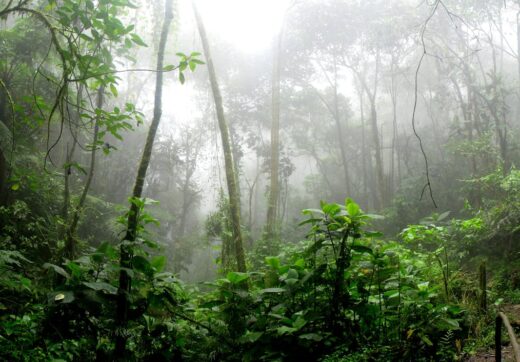
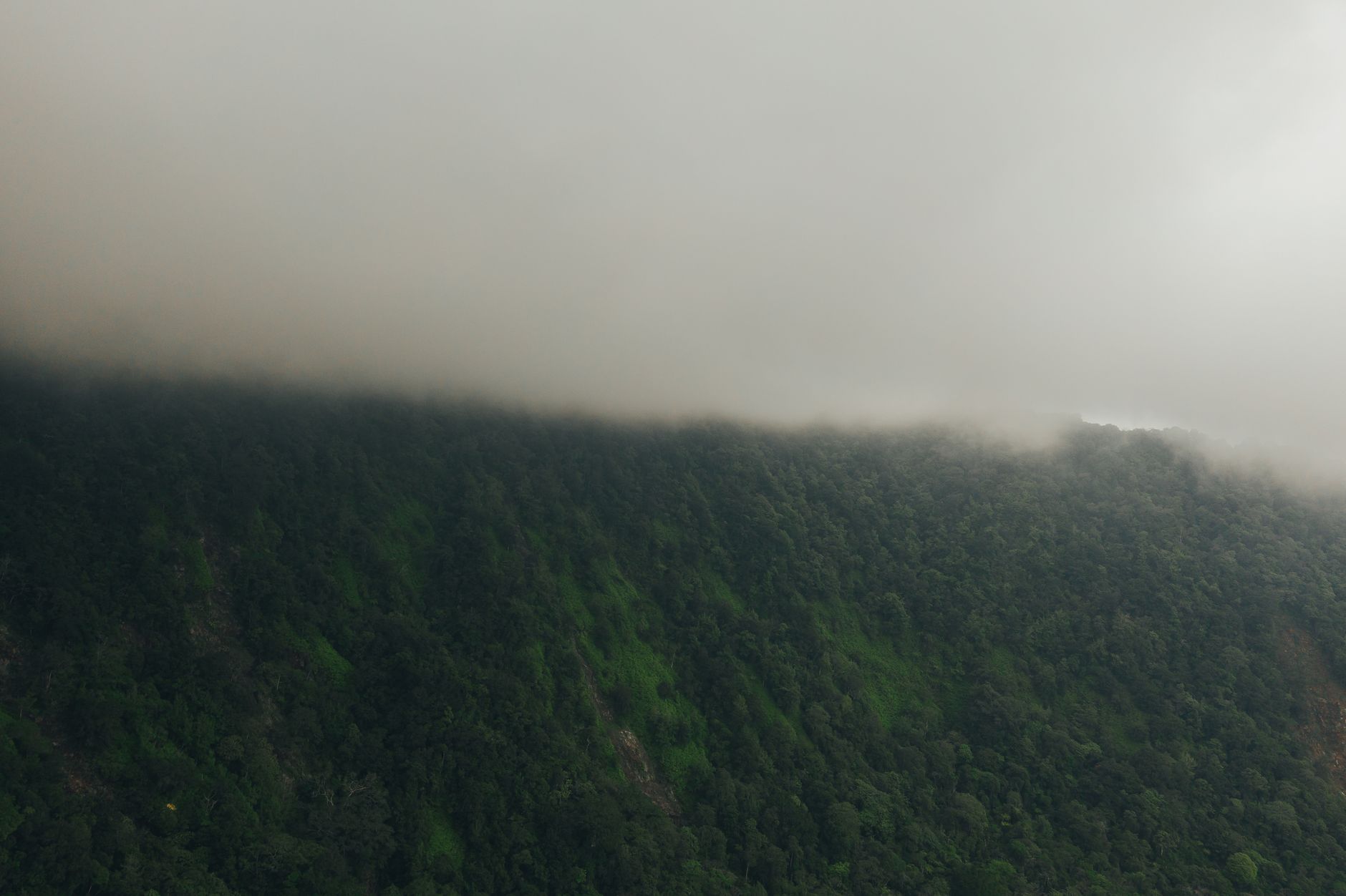
Marojejy National Park is one of the most dramatic places you can walk in Madagascar — a steep wall of rainforest rising from the lowland heat of the SAVA region to misty, moss-draped high-altitude forest near the summit of Marojejy itself. It is famous for the silky sifaka, one of the rarest lemurs on Earth, a ghostly white primate found in only a handful of forests in the northeast. But Marojejy is not a roadside park you can dip into for an hour. It is remote, it is vertical, and the trail climbs through camps that have to be reached on foot. For nearly every traveller, that means visiting on a guided, organised trek — and that is exactly what this guide is about.
Below we walk through how Marojejy treks actually work: why a guided trip is essentially required, the main types of trek you can choose from, what a typical package includes, a realistic day-by-day outline, the trade-offs between joining a group and going private, how Marojejy slots into a wider Madagascar itinerary, and how to choose a reputable operator who treats porters and guides well. Throughout, we point you to bookable treks on GetYourGuide and to Carla, our local contact who can build a fully tailored northeast trek. For the park itself, see our Marojejy National Park guide; for the wildlife star of the show, the silky sifaka trek deep-dive.
Why a guided, organised trek is essentially required
Marojejy is managed by Madagascar National Parks (MNP), and like most of the country’s serious protected areas, it cannot be entered without a local guide. This is not a bureaucratic formality — it is genuinely how the park works. The trail starts low and hot near the village of Manantenina and climbs relentlessly into the forest, passing a series of established camps. There are no roads inside, no lodges, no signposted self-guided loops to the summit. Everything above the gate has to be carried in, and everything you do depends on a small team that knows the route.
A guided Marojejy trek bundles several things that you simply cannot improvise on arrival. First, the compulsory MNP guide, who handles the park permit, finds the silky sifaka and other wildlife, and keeps you safe on slippery, exposed sections. Second, porters, who carry food, water, tents and your heavier gear up to the camps — the climb is hard enough without a full pack, and the porter system is also how local families earn a living from the park. Third, a cook and the camp logistics: the camps (often referred to as Camp Mantella lower down, Camp Marojejia in the middle, and Camp Simpona higher up) have basic shelters, and a good operator arranges tents, bedding, meals and water purification so you arrive to a working camp rather than a bare clearing.
Because all of this has to be coordinated in advance — guides booked, porters hired, food bought in Andapa or Sambava, park fees paid — the practical reality is that you book a package. You can do that two ways: through a bookable trek on GetYourGuide, which is the easiest if you want a confirmed, reviewed experience; or through a local specialist who assembles the team for you. If you want the second route with everything tailored to your dates and pace, Carla can arrange it.
The main trip types
Marojejy treks broadly fall into three shapes, and most of the decision-making comes down to how many days you have and how much you want to climb.
1. The 2-day silky-sifaka trek
This is the most popular option for travellers who are short on time or not aiming for the summit. You hike from the gate up to the first or second camp — usually Camp Mantella and on to Camp Marojejia — spend a night in the forest, and dedicate your time to finding the silky sifaka and other wildlife on the mid-altitude trails. It is still a real trek: the climb is steep and humid, and you sleep in a basic camp. But it skips the brutal upper section to the peak. For many people this is the sweet spot, because the silky sifaka is most reliably seen around the middle camps rather than at the very top.
2. The 3-to-4+ day summit trek
If your goal is the summit of Marojejy, you need more days. This longer trek pushes beyond the middle camps to Camp Simpona and on toward the peak, climbing through a striking change in vegetation — from lowland rainforest to mossy, cloud-soaked high-altitude forest. The summit days are genuinely demanding: long hours, slippery roots, exposed rock and unpredictable weather near the top. You will want a reasonable level of fitness and no fear of basic camping. The reward is one of the great mountain views in Madagascar and a far deeper experience of the park’s altitudinal zones. Plan three to four days as a minimum, and add a buffer day if the weather looks marginal.
3. Combined northeast itineraries
Many travellers fold Marojejy into a longer loop of the northeast. The classic pairing is with Masoala National Park — Madagascar’s largest protected area, a rainforest-meets-ocean wilderness reached by boat from the Antongil Bay side. A combined Marojejy + Masoala trip gives you both the steep silky-sifaka forest and the lush, coastal red-ruffed-lemur rainforest in one journey. Others build in the SAVA vanilla country around Sambava and Andapa, where you can visit vanilla and clove plantations between treks. A combined itinerary like this is where a local specialist really earns their keep, because the logistics of stitching parks, boats and flights together are fiddly — Carla can design the whole loop. For inspiration on structuring a trip, see our Madagascar itinerary guide.
What a Marojejy package typically includes
Inclusions vary by operator and by trek length, so always confirm the exact list before you pay. That said, a well-organised Marojejy package typically covers most of the following:
- Transfers from your base in Sambava or Andapa to the park gate near Manantenina, and back.
- The compulsory MNP guide for the duration of the trek.
- Porters to carry shared gear, food and water to the camps.
- A cook and prepared meals on the trail.
- Camp gear — tents, sleeping mats and often sleeping bags (confirm whether bags are provided or whether you bring your own).
- Park entrance fees and any required permits.
- Drinking water or water purification along the route.
What is usually not included: your domestic flights to and from Sambava, accommodation in town before and after, travel insurance, tips for the guide and porters, and any drinks or extras. We deliberately avoid quoting exact prices here, because they shift with season, group size, fuel and park fees — always check current prices directly with the operator or on the booking page. To compare what is actually bookable today, browse Marojejy treks on GetYourGuide, where listings spell out their inclusions; for a custom quote with everything itemised, ask Carla. You can also get a fuller picture of typical costs in our Marojejy trip cost guide.
A typical day-by-day outline of a silky-sifaka trek
No two treks are identical, and weather and wildlife dictate the rhythm, but here is a realistic typical shape for a 2-to-3-day silky-sifaka trek. Treat it as a sketch, not a fixed timetable.
Day 1 — Town to the forest. You transfer in the morning from Sambava or Andapa to the park gate, meet your guide and porters, and register at the entrance. The first day’s walk climbs steadily from the hot lowlands into the forest, gaining altitude as the trees close in overhead. You reach the first camp (often Camp Mantella) in the afternoon, settle in, and may take a short walk to look for chameleons, frogs and birds before dinner. Nights in the forest are humid and alive with sound.
Day 2 — Searching for the silky sifaka. An early start gives you the best chance of finding lemurs while they are active. You climb on toward the middle camp (often Camp Marojejia), the elevation band where the silky sifaka is most often seen, and spend the core of the day tracking wildlife with your guide. Sightings are never guaranteed — this is a wild forest, not a zoo — but a good guide who knows the resident groups dramatically improves your odds. You overnight at the middle camp.
Day 3 — Descent (or onward to the summit). If your trip ends here, you descend back to the gate and transfer to town, often arriving with time to clean up and rest. If you are continuing to the summit, this is the day you push higher toward Camp Simpona and the peak, swapping the descent for a tougher climb. Either way, expect a satisfying ache in your legs and a memory of one of the wildest forests in the country.
Private and custom vs joining a group
You can experience Marojejy either as part of a small group or on a private, custom trek, and each has clear trade-offs.
Joining a group is usually the more affordable route, because the fixed costs of guide, transfers and camp logistics are shared. Bookable group departures on platforms like GetYourGuide are convenient, come with reviews, and are easy to confirm before you arrive in Madagascar. The downside is less flexibility: you follow the group’s pace and schedule, and departures may be tied to set dates.
A private or custom trek costs more per person but gives you control. You set the dates, the pace, the number of days, and whether you push for the summit or focus on the silky sifaka. You can also weave Marojejy into a bigger northeast loop with Masoala and the SAVA region. This is where a local specialist like Carla shines — she can match the trek to your fitness and time, line up the team, and handle the awkward logistics of flights and transfers. If you are travelling as a couple, a family or a small group of friends, a private trek often works out surprisingly well, because you are already sharing the fixed costs among yourselves.
How Marojejy fits a wider Madagascar trip
Marojejy sits in the far northeast, in the SAVA region, and the gateway is the town of Sambava on the coast. The most practical way in is to fly into Sambava on a domestic flight, then transfer overland to Andapa and the park. Because the northeast is a long way from the classic RN7 route through the highlands and south, most travellers treat Marojejy as a dedicated northeast leg rather than a quick add-on.
A natural northeast circuit links Marojejy with Masoala and the vanilla towns of the SAVA triangle. Trekkers building a broader adventure across the country should read our Madagascar trekking and hiking guide, and anyone deciding which parks to prioritise can compare options in our roundup of the best national parks and reserves. Because the legs involve domestic flights, build in buffer time — internal schedules in Madagascar can shift, and you do not want a missed connection to eat your only summit weather window. For getting around on the ground between Sambava, Andapa and the gate, a car and driver arranged via Carla takes the stress out of the transfers.
Choosing a reputable operator
Marojejy is demanding, remote and dependent on a team of local people, so who you book with matters more than usual. A few things to look for:
- Fair porter and guide treatment. Porters carry heavy loads up a brutal trail. A reputable operator pays fairly, limits load weights, provides proper food and shelter for the team, and tips appropriately. Ask how the porters are looked after — a good operator will be proud to tell you.
- Safety and experience. The upper trail is slippery and exposed, and weather can turn fast near the summit. Look for experienced guides who know the route, carry basic first aid, and will turn back if conditions are unsafe.
- Honest expectations. A trustworthy operator never guarantees a silky sifaka sighting, because no one can — they explain the realistic odds and the best camps and times to look.
- Clear inclusions. The package should spell out exactly what is covered, so there are no surprise costs at the gate.
- Reviews and accountability. Booking a reviewed trek on GetYourGuide gives you a paper trail and recourse if something goes wrong; booking with a known local specialist gives you a real person who is accountable for the whole trip.
Booking options
There are two sensible ways to lock in a Marojejy trek. The first is to book a ready-made, reviewed experience: browse Marojejy and northeast Madagascar treks on GetYourGuide, compare inclusions and traveller reviews, and confirm online before you even land. This is the simplest path if you want certainty and a clear cancellation policy. The second is to go tailored: if you want a trek shaped around your exact dates, fitness, and a wider northeast loop with Masoala and the SAVA vanilla country, contact Carla and she will assemble the guide, porters, transfers and flights into one coherent trip.
Getting There & Travelling Well
Getting to Marojejy means a domestic flight into Sambava and then an overland transfer to Andapa and the park gate. Internal flights in Madagascar can be delayed or cancelled, and that can be costly when you have a guide, porters and a weather window all riding on your arrival — if a flight is disrupted, AirAdvisor can help you claim compensation.
Trekking in a remote rainforest is exactly the situation where travel insurance earns its cost. You are days from a town, climbing steep and slippery trails, often at altitude — a twisted ankle or a stomach bug is far more serious here than it would be in a city. We recommend SafetyWing Nomad Insurance for this kind of trip, because it is built for long, flexible journeys and covers the medical realities of remote travel. Sort your cover before you go, keep the details handy, and get a SafetyWing quote so a small accident in the forest does not turn into a major problem.
Let Carla build your Marojejy trek
If the logistics feel daunting, that is normal — Marojejy is one of Madagascar’s more involved parks. Carla, our trusted local contact, can build the whole thing for you: she arranges the domestic flights into Sambava, the transfers to the park gate, and the full trekking team of guide and porters, and she can shape the trek around the silky sifaka, the summit, or a combined northeast loop with Masoala. Tell her your dates, your fitness and your budget, and she will come back with a tailored plan and a clear quote. Reach out to Carla here.
Frequently Asked Questions
Do I need a tour to visit Marojejy?
In practice, yes. Marojejy is managed by Madagascar National Parks and you cannot enter without a compulsory local guide, and the trail relies on porters and arranged camps that you cannot organise on the spot. Almost everyone visits on a guided trek — either a bookable experience on GetYourGuide or a custom trip arranged by a local specialist.
How many days do I need?
For a silky-sifaka-focused trek to the middle camps, two to three days is typical. If you want to reach the summit of Marojejy, plan three to four days or more, and consider a buffer day for weather. Your fitness and the conditions will shape the exact length.
What is included in a package?
Inclusions vary, but a well-organised package typically covers transfers from Sambava or Andapa, the MNP guide, porters, a cook and meals, camp gear, park fees and water. Domestic flights, town accommodation, insurance and tips are usually extra. Always confirm the exact list and check current prices before booking — see our Marojejy trip cost guide for more detail.
Can I combine Marojejy with Masoala?
Yes, and it is one of the best northeast itineraries in Madagascar. A combined trip pairs Marojejy’s steep silky-sifaka forest with the rainforest-meets-ocean wilderness of Masoala. The logistics of linking the two parks plus flights are fiddly, so this is a good one to hand to Carla to design.
Group or private — which should I choose?
A group departure is usually cheaper, because fixed costs are shared, and bookable group treks on GetYourGuide are easy to confirm. A private or custom trek costs more per head but lets you set your own dates, pace and route, and weave Marojejy into a bigger trip — ideal for couples, families or small groups travelling together.
Ready to trek Marojejy? Let Carla plan it.
Marojejy is a once-in-a-lifetime trek — the silky sifaka, the cloud forest, the summit — but the logistics are real. Contact Carla to build a tailored Marojejy trek: she arranges your flights into Sambava, the transfers, and the full team of guide and porters, and can combine it with Masoala and the SAVA vanilla country. Or browse bookable Marojejy treks on GetYourGuide to compare ready-made options now.
Plan Your Trip to Madagascar
- Read the full Madagascar Travel Guide
- Explore itineraries by style and duration
- Explore the full destination guide
Where to Stay