Plane vs Bus vs 4WD: Best Method for Each Madagascar Route
This post contains affiliate links. We may earn a small commission at no extra cost to you.
At a Glance
- Antananarivo to Nosy Be: Fly — 1.5 hrs vs 4-day overland. Tsaradia from $130 one way
- Antananarivo to Isalo: 4WD on RN7 — 10–12 hrs, scenic, road is good enough for standard car
- Antananarivo to Fort Dauphin: Fly — no viable land route under 3 days
- Antananarivo to Toamasina: Bus or 4WD — RN2, 5–7 hrs, reasonable road
- Car rental: Carla for comparing rental rates across agencies
- Flight disruptions: AirAdvisor for compensation claims on delayed or cancelled domestic flights
- Travel insurance: SafetyWing covers all transport modes
- World Nomads — covers adventure activities: trekking, diving, motorbikes. Compare both.
🎒 Madagascar Trip Essentials
A few inexpensive items make the biggest difference on the ground in Madagascar:
- Picaridin insect repellent — DEET-free protection against malaria mosquitoes. See on Amazon →
- Permethrin clothing spray — treat clothes; kills mosquitoes on contact for weeks. See on Amazon →
- Pop-up mosquito net — budget lodges rarely provide one; packs down tiny. See on Amazon →
- Water filter bottle — tap water isn’t safe to drink in Madagascar. See on Amazon →
- Universal travel adapter (USB-C) — Madagascar uses European-style plugs. See on Amazon →
- 8×42 binoculars — essential for spotting lemurs and chameleons in the canopy. See on Amazon →
As an Amazon Associate we earn from qualifying purchases.
No single transport mode wins in Madagascar — the right answer changes with every route, every season, and every traveller’s priorities. This guide breaks down the optimal choice route by route so you can build an efficient itinerary without defaulting to the wrong mode.
Plan your Madagascar trip:
The Decision Framework: Time, Cost, Comfort, and Access
Every Madagascar route decision involves four variables. Time: flying saves days on long routes but costs 2–4 hours for airport logistics at each end — this matters more on short routes where the time advantage shrinks. Cost: Tsaradia domestic flights range from $80–200 one way; a full 4WD rental for a week runs $350–600 all-in; taxi-brousse bus fares are $8–40 depending on distance. Comfort: Domestic flights are cramped but short; self-drive 4WD gives you full control; taxi-brousse is physically exhausting on rough roads but culturally immersive. Access: Some destinations (Maroantsetra, Île Sainte-Marie, Mananara) are only realistically accessible by air or boat — the road either does not exist or is impassable for most of the year. The matrix approach: for routes under 300 km on a paved road, 4WD or bus is optimal. For routes over 500 km, or any route requiring crossing the northern wilderness, fly and rent locally. For mid-range routes (300–500 km) with good road surface (RN7, RN2), the 4WD journey is part of the experience and worth the time. Our full travel matrix provides route-by-route numbers.
Northern Routes: When to Fly vs Drive
Antananarivo to Diego Suarez (Antsiranana): Fly without question. The road distance is 1,450 km and the northern section passes through areas with no petrol and minimal road infrastructure. Tsaradia operates 4–5 weekly flights at $110–180 one way, 2 hours. Local 4WD rental in Diego Suarez is readily available for day trips once you arrive. Antananarivo to Nosy Be: Fly to Nosy Be Fascene airport (Air Madagascar or Tsaradia connections) or fly to Diego Suarez and take a shared taxi + speedboat from Ankify — the Diego routing costs less but adds a full travel day. Direct Nosy Be flights are $130–200. Antananarivo to Sambava or Maroantsetra: Fly — no practical overland option. Tsaradia frequencies are lower (2–3 per week) and book up. Reserve at least 3 weeks ahead for peak season. Last-minute domestic flight guide covers the risks of waiting. AirAdvisor handles compensation claims for disrupted Tsaradia connections.
Read also:
Book activities in Madagascar:
Southern Routes: The RN7 Case for Driving
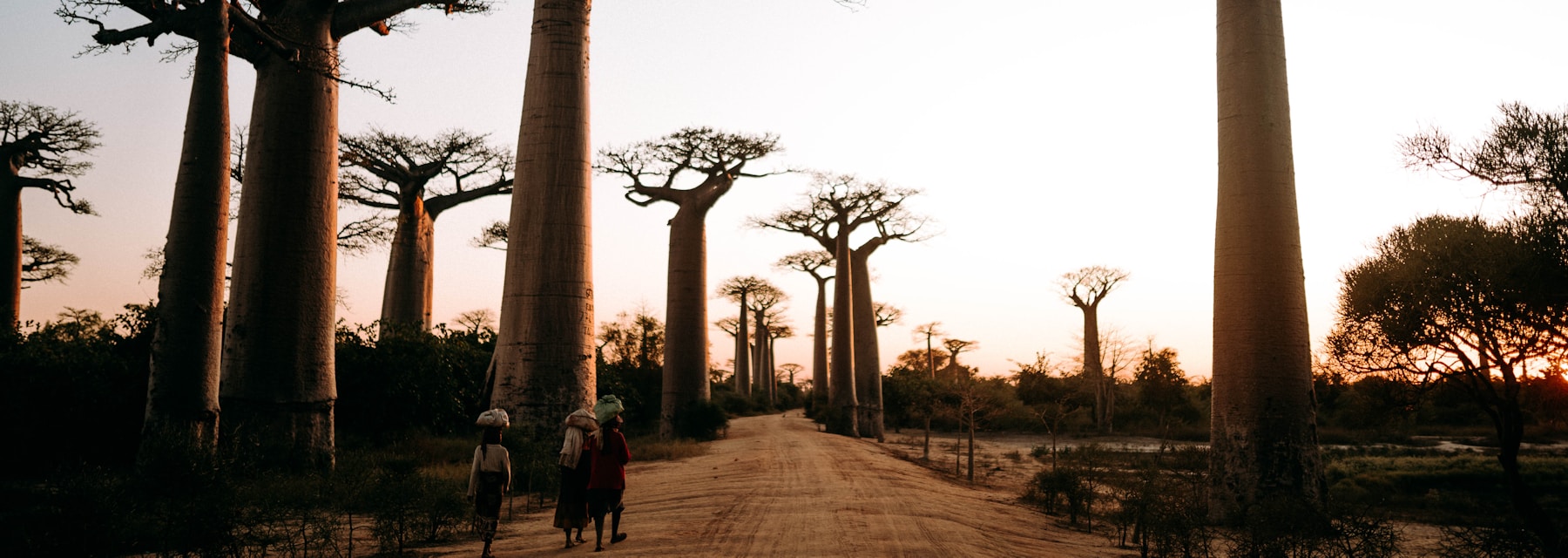
The southern route from Antananarivo to Toliara via the RN7 is the one route in Madagascar where self-driving genuinely competes with flying. The RN7 is 933 km of mostly paved road passing through Antsirabe, Ambositra, Fianarantsoa, Ranomafana, Ihosy, and Ranohira before reaching the coast. The scenery is among the best on the island — highland rice paddies, highland villages, baobab-studded plains approaching Isalo. Most travellers break the route into 3–4 driving days with stops. Antananarivo to Isalo National Park: 670 km, 10–12 hours. A standard car (not 4WD) is sufficient on this stretch except after heavy rain. Plan a night in Fianarantsoa or Ranohira. Antananarivo to Fort Dauphin: Fly. The RN13 from Toliara south to Fort Dauphin is one of the worst roads on the island — 600 km of corrugated dirt and sand tracks that takes 3–4 days of hard 4WD driving. Unless you specifically want this extreme adventure, the Tsaradia flight ($120–160) is the rational choice. Use Carla to compare rental options for your RN7 self-drive. See our 4WD vs standard car rental guide for which vehicle fits which stretch.
Eastern Routes: Mixing Modes for Best Results
Eastern Madagascar routes often reward a mixed-mode approach. Antananarivo to Toamasina: The RN2 is 370 km and mostly paved, making it the most efficient overland route on the island. Bus or shared taxi runs daily, taking 5–7 hours. Self-drive is straightforward in a standard car. Flying is an option (Tsaradia, ~$80) but given the reasonable road, overland is often preferred. Toamasina to Île Sainte-Marie: Tsaradia from Toamasina airport to Sainte-Marie (ILK) takes 25 minutes and costs $60–90. The ferry from Soanierana-Ivongo runs irregularly and takes 3–4 hours on open ocean — comfortable in calm conditions, rough in the May–October trade wind season. Antananarivo to Andasibe: 150 km on the RN2, 3 hours by self-drive or bus. No need to fly — this is an easy day-trip or overnight from the capital. Antananarivo to Maroantsetra or Mananara: Fly only. These northeastern destinations have no viable overland link. Our transport safety guide details which routes carry the highest risk of vehicle breakdown or road delays. SafetyWing covers incidents across all of these transport modes.
Ready to book your Madagascar trip?
Frequently Asked Questions
Is it cheaper to fly or drive from Antananarivo to Nosy Be?
Flying is cheaper when you factor in total costs. A Tsaradia flight is $130–200. Driving to the Ankify speedboat point requires 3–4 days of 4WD rental ($120–200), fuel ($80–100), accommodation along the way ($60–120), and a speedboat crossing ($30–50). Flying wins on cost and saves 3 days.
Can I take a regular bus from Antananarivo to Isalo National Park?
Yes. Taxi-brousse (shared minibuses) run daily from Antananarivo’s southern bus station (gare routière sud) toward Toliara, stopping at Ranohira (the Isalo gateway). Journey time is 10–14 hours and costs approximately MGA 45,000–60,000 ($10–13). Bring food, water, and expect a full day of travel.
Which transport mode is safest in Madagascar?
Domestic flights have the best safety record for long-distance travel. Self-drive 4WD on major roads is safe with daylight driving rules observed. Taxi-brousse carries higher risk due to vehicle age and driver fatigue on overnight routes. Night driving in any mode carries the highest risk.
Matching transport mode to route is the single biggest efficiency gain available in Madagascar travel planning. Fly the long hauls and remote destinations, drive the RN7 corridor if you have the time, and take local buses for short urban hops. Whatever mode you choose, make sure your safety net travels with you: get SafetyWing before departure — it covers accidents, medical evacuation, and trip interruptions across every transport mode on this list.
Start planning your Madagascar adventure today
Browse Madagascar experiences on GetYourGuide
Affiliate link – commission earned at no extra cost to you.
Plan Your Trip to Madagascar
- Read the full Madagascar Travel Guide
- Explore itineraries by style and duration
- Explore the full destination guide
Where to Stay