Transport Safety Madagascar: Most Risky Routes and How to Stay Safe
This post contains affiliate links. We may earn a small commission at no extra cost to you.
Health & Safety Essentials for Madagascar
Madagascar Has Some of the Highest Malaria Risk in the World
The rainforests of Andasibe, the wetlands of Morondava, the rice paddies outside every village — mosquitoes are relentless and bite at dusk and dawn. DEET burns skin and destroys gear. Natrapel 20% Picaridin is the CDC-recommended alternative that repels mosquitoes, ticks, and sandflies for up to 12 hours without damaging your equipment.
Check current price and availability on Amazon →
Madagascar’s Water Will Make You Sick — Unless You’re Carrying This
Tap water in Madagascar is not safe to drink anywhere — and the real danger is viruses (cholera, typhoid, hepatitis A) that standard filters don’t remove. The Grayl GeoPress removes viruses, bacteria, protozoa, and heavy metals in one 8-second press. Fill from any tap or river. Press. Drink. No chemicals, no waiting.
Check current price and availability on Amazon →
A Lighter Way to Never Pay for Bottled Water Again in Madagascar
Trekking through Isalo, cycling the RN7 — bottled water is bulky, expensive, and gone in an hour under Madagascar’s sun. The LifeStraw Go filters bacteria, parasites, and microplastics directly through the straw as you drink. No pumping, no waiting, no chemicals. Under $35 — the lightest way to guarantee safe hydration across Madagascar.
Check current price and availability on Amazon →
At a Glance
- Road fatality risk: Among the highest in Africa (WHO data) — poor infrastructure, limited lighting, animals on roads
- Highest-risk scenarios: Night driving, overloaded taxi-brousse, RN5 (east coast), flooded RN13 (south)
- Domestic flights: Generally safe aircraft type (ATR turboprops); delays and cancellations are the main risk, not airworthiness
- Best mitigation: Never drive at night, rent quality 4WD, build schedule buffers
- Quality car rental: Compare vetted 4WD rentals on Carla
- Flight delays: Check EU compensation eligibility on AirAdvisor
- Medical evacuation costs: USD 30,000–80,000 — cover yourself
- Travel insurance: Check SafetyWing’s plans
- World Nomads — covers adventure activities: trekking, diving, motorbikes. Compare both.
🎒 Madagascar Trip Essentials — Pack These Before You Go
A few inexpensive items make the biggest difference on the ground. These are the ones experienced travelers order before they leave:
- Picaridin insect repellent — malaria is a real risk here — the mosquito defence most travelers rely on. See options on Amazon →
- Permethrin clothing spray — treat your clothes before you fly; keeps working for weeks. See options on Amazon →
- Water filter bottle — tap water isn’t safe to drink in Madagascar. See options on Amazon →
- Universal travel adapter — Madagascar uses type C/E plugs. See options on Amazon →
- 8×42 binoculars — essential for spotting lemurs and chameleons. See options on Amazon →
As an Amazon Associate we earn from qualifying purchases, at no extra cost to you.
Madagascar is an extraordinary destination — and an honest one when it comes to transport risk. Road infrastructure is genuinely dangerous in places, and understanding which routes and methods carry the highest risk is the foundation of a trip that goes well. This guide gives you the real picture, not a sanitised one.
Plan your Madagascar trip:
Madagascar Road Safety: Understanding the Real Risk Level
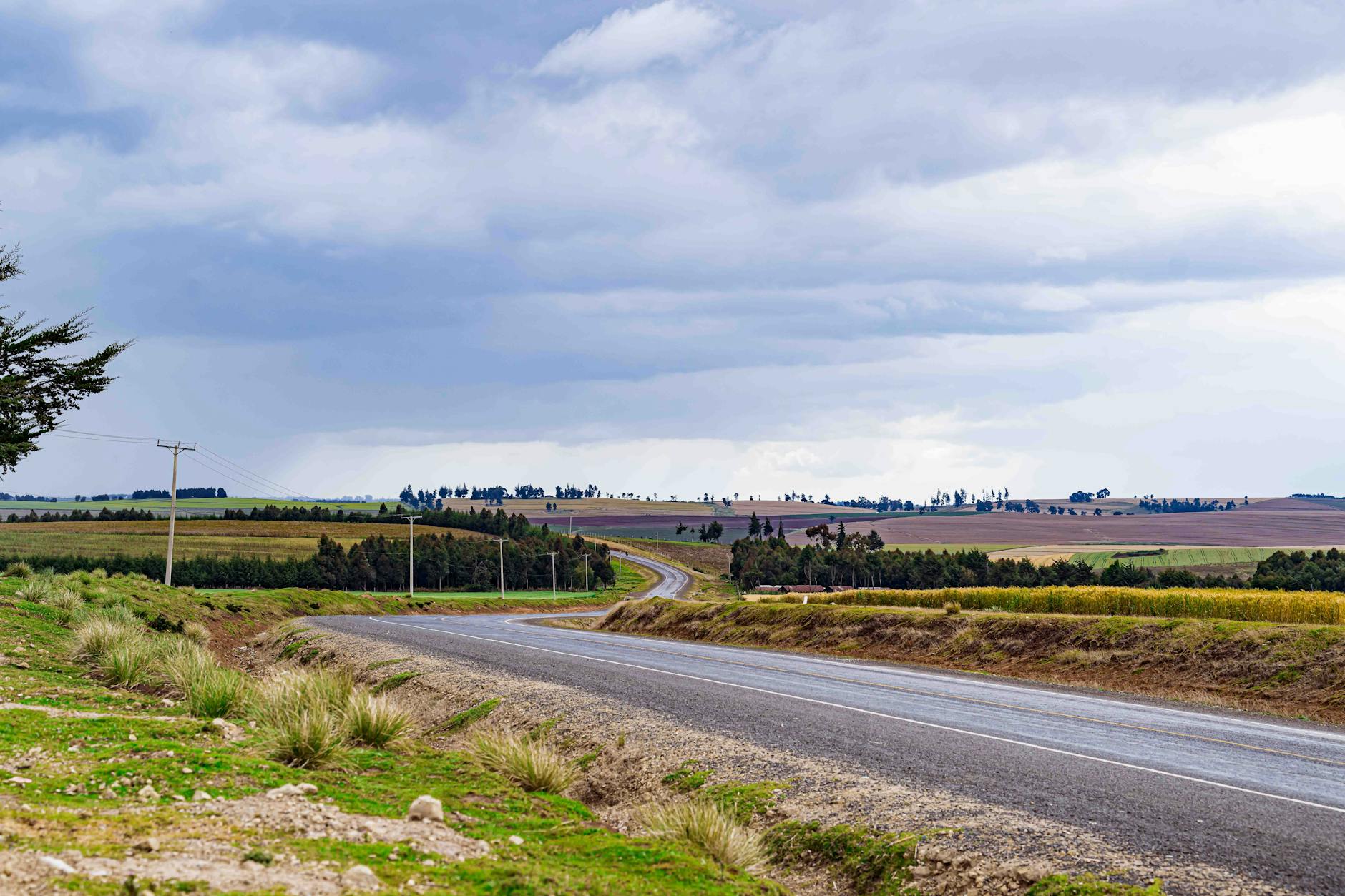
Madagascar consistently ranks among the countries with the highest road fatality rates relative to vehicle numbers in the WHO’s Global Status Report on Road Safety. The reasons are structural rather than behavioural: the vast majority of national roads are single-lane, unlit, unpaved in stretches, and shared by pedestrians, zebu carts, and slow-moving trucks with no marked lanes. Road maintenance is severely underfunded. Potholes large enough to swallow a wheel are common across every major national road. Bridges in rural regions are sometimes constructed from wood and concrete, weight-rated for far less than modern vehicles. During the rainy season (November through March), flash flooding makes sections of the RN5, RN13, and several east coast routes genuinely life-threatening to cross. The good news: the vast majority of road incidents involving tourists are vehicle damage and getting stuck rather than fatal collisions — the low average vehicle speed on most routes is itself a safety factor. Read the full Madagascar safety guide for health, security, and environmental risk across the country.
Most Dangerous Routes: RN5, Night Roads, and Taxi-Brousse Risk
The RN5 (Toamasina to Maroantsetra along the east coast) is consistently identified as one of Madagascar’s most dangerous roads — it passes through isolated jungle terrain, crosses dozens of small river bridges, and has sections that wash out entirely during cyclone season. Completion of the coastal road is planned but remains years away. The RN13 (Ihosy to Fort Dauphin through the spiny desert) is similarly high-risk for standard vehicles, particularly in the rainy season when river crossings become impossible. Night driving on any Madagascar road is categorically dangerous: zebu cattle roam freely across roads after dark, vehicles frequently travel without functioning lights, and emergency response in rural areas takes hours to days. Never drive after sunset in Madagascar — this is the single most effective safety rule for road transport on the island. Taxi-brousse carries its own risk profile: overloaded vehicles, drivers working excessive hours, and no seatbelts or crash standards. Read the taxi-brousse safety guide before using this mode of transport. Read the full night driving guide for the complete risk breakdown.
Read also:
Book activities in Madagascar:
Domestic Air Safety: Flights vs. the Risk of Ground Transport
Despite its operational unreliability (delays, cancellations), Tsaradia’s ATR 72-500 and ATR 42-500 turboprop aircraft are certified by EASA-aligned standards and have a strong global safety record as aircraft types. Airframe incidents involving Tsaradia are extremely rare compared to the daily frequency of road accidents. For longer distances within Madagascar — particularly routes over 400 km — flying is categorically safer than the ground alternatives. The risk profile of domestic aviation in Madagascar is primarily operational: a cancelled flight that strands you in a regional airport is inconvenient and can cascade into missed international connections, but it is not a physical safety threat. Build schedule buffers accordingly, carry insurance that covers trip disruption, and register a local mobile number with Tsaradia at booking to receive SMS cancellation alerts.
Flight delayed or cancelled? If your itinerary routes through Paris, Réunion, or any EU airport, EC Regulation 261 may entitle you to up to EUR 600. Check your claim free on AirAdvisor.
Practical Safety Checklist: How to Travel Safer in Madagascar
These five measures reduce transport risk substantially for any traveller in Madagascar. First, never drive at night — plan all driving to complete at least 1 hour before sunset to allow for delays. Second, rent a quality 4WD from a reputable operator rather than the cheapest option available. A quality high-clearance diesel 4WD with good tyres, a working spare, and basic recovery equipment is the difference between a manageable breakdown and a serious incident on a remote road. Compare quality 4WD rentals on Carla — book at least a week ahead in peak season. Third, always carry cash reserves for unplanned overnight stays caused by road or flight disruption. Fourth, share your itinerary with someone outside Madagascar and check in daily when on long-distance routes. Fifth, carry comprehensive travel insurance. Medical evacuation from Madagascar to Réunion or South Africa costs USD 30,000–80,000 — a figure that makes even the most expensive insurance policy look like a bargain. Get SafetyWing before you travel — covers emergency evacuation from USD 1.82 per day.
Ready to book your Madagascar trip?
Frequently Asked Questions
Is it safe to rent a car and drive in Madagascar?
Yes, with the right vehicle and rules. You need a 4WD for most routes outside Antananarivo, and you must never drive after dark. Stick to daytime driving, plan your daily distances conservatively, carry a spare tyre and basic recovery gear, and always tell your accommodation where you are going. The vast majority of self-drive tourists complete their trips without incident.
Are taxi-brousse (shared minibuses) dangerous?
They carry elevated risk compared to private vehicles. The primary risks are vehicle overloading, driver fatigue on long-distance routes, and the absence of safety standards. That said, millions of Malagasy people use taxi-brousse daily. For short urban routes, the risk is low. For overnight or multi-day journeys on poor roads, private hire or flying is significantly safer.
What is the single most dangerous thing a tourist does in Madagascar?
Driving or riding in a vehicle after dark. Night driving in Madagascar combines all the highest risk factors: zebu on roads, no lighting, driver fatigue, poor road surfaces, and no emergency response. Avoid it categorically. Every experienced traveller and operator in Madagascar will tell you the same thing.
Transport safety in Madagascar is manageable when you understand the real risk landscape and make decisions accordingly. Fly for long distances, drive only by day in a quality 4WD, and build buffers into every schedule. The most important safety investment you can make before arriving is comprehensive travel insurance. Medical evacuation from Madagascar costs USD 30,000–80,000 — and can happen from a road incident, a motorcycle fall, or a diving accident just as easily as an illness. Get SafetyWing before you travel to Madagascar — emergency evacuation cover from USD 1.82/day. Do not leave for the island without it.
Start planning your Madagascar adventure today
Browse Madagascar experiences on GetYourGuide
Affiliate link – commission earned at no extra cost to you.
Plan Your Trip to Madagascar
- Read the full Madagascar Travel Guide
- Explore itineraries by style and duration
- Where to See Lemurs in Madagascar
Where to Stay