The Fossa: Madagascar’s Top Predator — Where to See It 2026
This post contains affiliate links. We may earn a small commission at no extra cost to you.
At a Glance
- Best site: Kirindy Forest, 60 km north of Morondava
- Best season: September–November (mating aggregations)
- Night walk encounter rate: 30–40% on average
- Book a Kirindy wildlife tour: Browse on GetYourGuide
- Drive to Morondava: Compare 4WD rentals on Carla
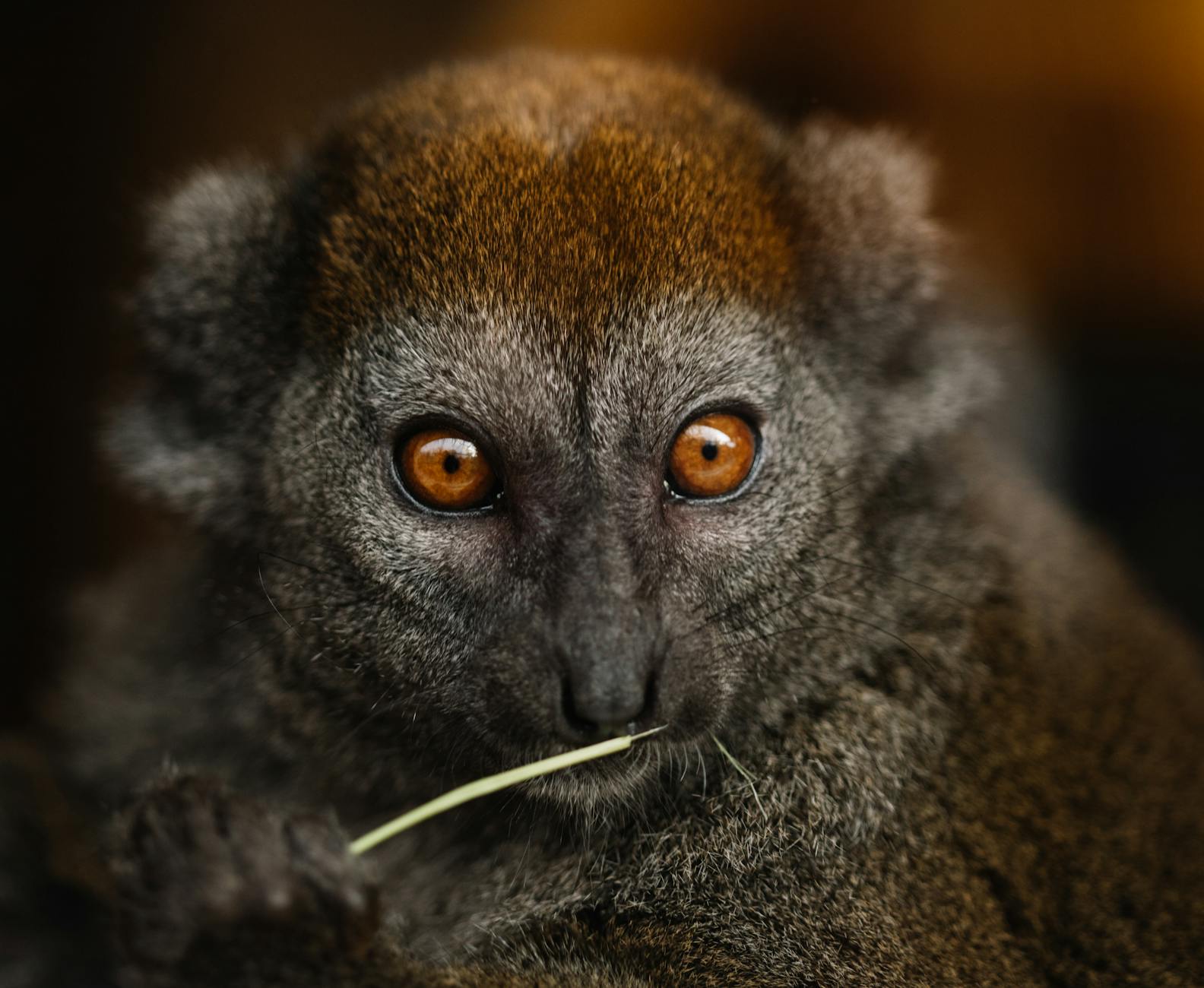
The fossa (Cryptoprocta ferox) is Madagascar’s apex predator — a cat-like carnivore roughly the size of a labrador that exists nowhere else on Earth. Despite being well-known among wildlife travelers, most Madagascar trips end without a sighting. Kirindy Forest near Morondava offers the best odds on the planet, particularly during the September-to-November mating season when fossas become temporarily bold and visible. This guide gives you the specific information needed to plan a trip that actually delivers.
Recommended Gear for Your Madagascar Wildlife Trip
You’re Flying 10,000km to See Lemurs, Chameleons, and Fossa — Don’t Document It With a Phone Camera
Indri lemurs calling across the canopy of Andasibe. Panther chameleons in electric blue and orange. The fossa spotted on a night walk in Kirindy. A smartphone sensor in low rainforest light produces grainy, blurred images. The Sony a6400 with Real-Time Eye Autofocus locks onto animal eyes instantly — even through undergrowth and low light. APS-C sensor, 4K video, flip-up touchscreen.
Check current price and availability on Amazon →
Madagascar Has Over 100 Species of Lemur and 280 Species of Bird — You’ll Miss Most of Them Without Binoculars
Sifaka lemurs leap between canopy trees 30 metres up. The Madagascar fish eagle perches on a branch 200 metres across a lake. Without binoculars, you’re looking at distant shapes and taking your guide’s word for it. The Vortex Diamondback HD 10×42 delivers HD optical clarity with edge-to-edge sharpness. Waterproof, fog-proof, backed by Vortex’s unconditional lifetime warranty.
Check current price and availability on Amazon →
Madagascar Goes Completely Dark After Sunset — Don’t Navigate It Blind
Outside of Antananarivo’s main streets, Madagascar has virtually no street lighting. Wildlife walks in Ankarana, night lemur spotting in Ranomafana, the path to your bungalow — all navigated in total darkness. The Black Diamond Spot 400-R delivers 400 lumens with a 100-metre beam, USB-C rechargeable, IPX8 waterproof, with red night-vision mode for wildlife observation without disturbing animals.
Check current price and availability on Amazon →
Madagascar Has Some of the Highest Malaria Risk in the World
The rainforests of Andasibe, the wetlands of Morondava, the rice paddies outside every village — mosquitoes are relentless and bite at dusk and dawn. DEET burns skin and destroys gear. Natrapel 20% Picaridin is the CDC-recommended alternative that repels mosquitoes, ticks, and sandflies for up to 12 hours without damaging your equipment.
Check current price and availability on Amazon →
No Grid, No Problem — Charge Your Devices From the Sun in Madagascar’s Remote Parks
Marojejy. Andringitra. Tsingy de Bemaraha. Madagascar’s most spectacular parks are its most isolated — no power outlets, no phone signal. A 3-day wilderness circuit means running on whatever charge you left camp with. The BLAVOR Solar Power Bank pairs 10,000mAh with a fold-out solar panel that recharges itself from sunlight as you trek.
Check current price and availability on Amazon →
Plan your Madagascar trip:
Kirindy Forest — Madagascar’s Fossa Capital
Kirindy Forest Management Zone covers 10,000 hectares of dry deciduous forest in the Menabe region, 60km north of Morondava. It was originally a forestry research concession, which explains why it has more infrastructure than most protected areas of comparable remoteness. The resident fossa population is unusually habituated to human presence — park rangers have conducted regular monitoring walks since the 1990s and individual animals can be recognised by name. During the September-to-November mating season, males aggregate at specific mating trees where up to 10 individuals may gather simultaneously — a spectacle few wildlife travelers ever witness. Outside the mating season, sightings remain possible but depend more on chance. Daytime walks sometimes locate fossas resting high in trees. The 3pm to 5pm afternoon walk and the 8pm to 10pm night walk give you two windows daily. Menabe Forest Camp lodge sits 5km inside the reserve boundary and can pre-arrange specialist guides for both walk types. Park entry costs 40,000 MGA per day and guide fees run 30,000 to 50,000 MGA per walk.
Fossa Behavior and What You Will Actually Observe
The fossa is not shy once habituated, but it operates on its own schedule entirely independent of visitor preferences. Daytime fossas are most often observed in one of three states: resting flat along a horizontal branch 5 to 10 metres above the ground, moving deliberately through understory on a scent trail, or competing at a mating tree during September to November. Their body language is distinctly feline in the way they pause and assess before changing direction, but movement through forest is more sinuous than a cat — they use semi-retractable claws to descend trees head-first in a manner reminiscent of clouded leopards. On night walks, fossas appear in torch beams as a pair of amber eyeshine at 0.5 to 1 metre height — they are ground-level hunters at night, not arboreal. Male fossas produce a strong musky scent that experienced guides detect before a visual encounter — when your guide crouches and sniffs the air, a fossa is close. Move slowly, maintain silence, and keep torch beams low and indirect when one is within 10 metres.
Read also:
Save money on your Madagascar trip:
Secondary Fossa Locations Across Madagascar
Kirindy is not the only place fossas live, but it is the only site where sightings are genuinely reliable for a planned visit. Ranomafana National Park holds a population in the eastern highland rainforest, but dense vegetation makes encounters far less predictable — the majority of Ranomafana visitors never see one despite multi-day stays. Masoala Peninsula also supports fossas; individuals have been tracked in long-term studies by Missouri Botanical Garden researchers. The Menabe Conservation Project north of Kirindy has documented one of the highest fossa densities in the country at approximately one individual per 4.5 square kilometres. Ankarafantsika National Park near Mahajanga holds fossas in the northwest dry forest, with sighting frequency improving as the protected population recovers. For any secondary site, a dedicated multi-night stay with a specialist guide who knows the territory is necessary — a single-day visit to any park other than Kirindy during the September-November mating window produces results close to zero.
Planning a Kirindy Trip — Full Logistics and Costs
Morondava is the access hub for Kirindy Forest. From Antananarivo, two options exist: fly with Tsaradia domestic airlines (approximately $120 one-way, 90 minutes), or drive via RN34 and RN35, which takes 12 to 14 hours on roads ranging from paved to rough piste. Driving from Tana allows a stop at Baobab Avenue near Morondava — the famous double row of Adansonia grandidieri trees lining a 2km stretch of dirt road, photographed at sunrise or sunset. Most wildlife-focused travelers drive rather than fly to combine both attractions. Compare 4WD rates in advance on Carla before booking to ensure the right vehicle for road conditions between Morondava and Kirindy. From Morondava, Kirindy is 60km north on unpaved track — plan 1.5 to 2 hours each way. The standard visit is two nights minimum: one afternoon walk and one night walk each day gives four encounter windows. Budget $50 to $80 per person per night at Menabe Forest Camp including meals. Park entry (40,000 MGA/day) and guide fees are paid separately at the gate.
Ready to book your Madagascar trip?
Frequently Asked Questions
Is the fossa dangerous to tourists?
No. The fossa avoids humans except when habituated at Kirindy. No documented cases of fossa attacks on tourists exist. The main practical concern is startling one at close range — move slowly and follow your guide’s instructions at all times.
How many nights do I need at Kirindy to see a fossa?
Two nights gives four walk opportunities and reasonable odds. Three nights provides good redundancy if early walks are unsuccessful. A single night is possible but risky — one bad walk and you leave without a sighting.
Can I combine a fossa visit with Baobab Avenue?
Yes, and most travelers do. Baobab Avenue is 30km south of Morondava, about one hour by car. Best times are sunrise and sunset. Plan to arrive in Morondava the evening before your Kirindy stay and photograph the avenue at sunrise before heading north.
The fossa is one of the world’s most exclusive wildlife sightings — not because of its rarity in absolute terms, but because Madagascar is the only place on Earth where it lives and Kirindy is the one site where the odds are genuinely in your favour. Two nights between September and November, a specialist guide and reasonable patience are all it takes. The encounter — brief in most cases, extended at a mating tree if your timing is right — is one of the defining wildlife experiences available anywhere in the Indian Ocean region.
Flight delayed or cancelled? Flights to Madagascar often connect through Paris or Nairobi. EU regulation EC 261 may entitle you to up to €600 in compensation. Check your claim free on AirAdvisor →
Plan Your Trip to Madagascar
- Read the full Madagascar Travel Guide
- Explore itineraries by style and duration
- Explore the full destination guide
Where to Stay
Hotels, lodges, and tours fill fast for July–September — compare availability now.