Food Allergies in Madagascar: How to Communicate Your Needs Safely
This post contains affiliate links. We may earn a small commission at no extra cost to you.
At a Glance
- Most common allergens in Malagasy cuisine: peanuts, shellfish, dairy, eggs, gluten (in baked goods)
- Hidden peanut risk: peanut sauce (kitoza voanjo), peanut oil cooking, peanut-flour pancakes
- Language strategy: French is universally understood by restaurant staff — write your allergy list in French + Malagasy
- Emergency medicine: EpiPen alternatives in pharmacies of Antananarivo (Pharmacie Métropole); rural pharmacies do NOT stock them
- Medical evacuation cost: $30,000–$80,000 from rural Madagascar to South Africa or Mauritius
- Always carry: 2 EpiPens, antihistamines (cetirizine), printed allergy card
- Base hotel: Find hotels in Antananarivo on Agoda
- Travel insurance: SafetyWing
🔒 Simple Theft-Proofing for Madagascar
Most trouble is opportunistic. A few cheap items make you a hard target:
- Portable travel door lock — secures any hotel door from inside in seconds. See on Amazon →
- Hidden money belt — keeps cash and passport out of a pickpocket’s reach. See on Amazon →
- RFID-blocking wallet — organises cards and blocks electronic skimming. See on Amazon →
- Anti-theft crossbody bag — slash-proof strap and lockable zips. See on Amazon →
- TSA luggage locks — lock bags on flights and in storage. See on Amazon →
As an Amazon Associate we earn from qualifying purchases.
Food allergies in Madagascar are manageable but require active planning — there is no national allergen-labelling system, restaurant staff are not trained in cross-contamination protocols, and rural medical infrastructure is limited. The single most important preparation is a printed allergy card in French and Malagasy that you hand to the cook directly, not just describe verbally.
Common Allergens in Malagasy Cuisine
Peanuts (voanjo) are the highest-risk allergen because they are deeply integrated into Malagasy cooking. Peanut sauce accompanies many traditional dishes (kitoza voanjo, romazava with peanut variant), peanut oil is widely used for frying, and peanut-flour pastries appear at markets. Always state: je suis allergique aux arachides — sans cacahuète, sans huile d’arachide.
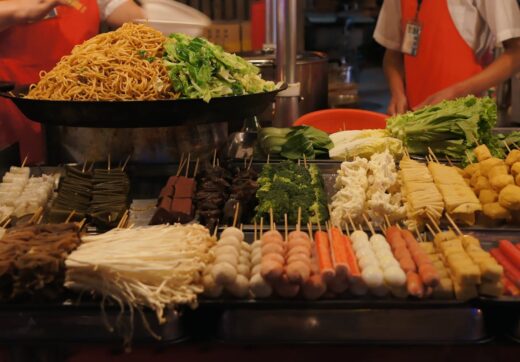
Shellfish (fruits de mer) is a major coastal cuisine ingredient — crab, lobster, shrimp and squid appear in soups, fried rice and sauces. Cross-contamination at coastal restaurants is real. Dairy is moderate-risk — local milk, cheese and yoghurt are common in highland regions and breakfast pastries. Eggs appear in mofo gasy (rice pancakes), fried rice, and most French-style baked goods. Gluten is present in all wheat-based breads, croissants, baguettes and pastries — gluten-free options outside Antananarivo are rare. Tree nuts are less common but appear in confectionery and some salads. Soy is largely absent from traditional Malagasy cuisine — low risk. For a broader food-context picture, see our vegetarian and vegan travel guide.
French and Malagasy Phrases for Allergy Communication
Memorise these in French (universally understood by all restaurant staff). Je suis allergique à… (I am allergic to…) — follow with: aux arachides (peanuts), aux fruits de mer (shellfish), au lactose / au lait (lactose/milk), aux œufs (eggs), au gluten / au blé (gluten/wheat), aux fruits à coque (tree nuts), au soja (soy). Add: réaction grave — peut être mortelle (severe reaction — can be fatal). Repeat: pas de contamination croisée s’il vous plaît (no cross-contamination please).
In Malagasy (for rural hotely where French is less strong): Tsy mahazaka… (I cannot tolerate…) — followed by voanjo (peanut), trondro (fish), ronono (milk), atody (egg), varimbazaha (wheat). Write your full allergy list on paper or your phone, in both languages, with the words DANGER and ALLERGIE GRAVE printed at the top. Show the card to the chef directly — not the server — and confirm the cook nodded understanding before ordering.
Restaurant Strategies by Allergy Type
Peanut allergy: avoid all sauces unless their composition is explicitly confirmed; ask whether frying oil is peanut-based (often is). Stick to grilled fish or meat with rice and steamed vegetables. Avoid all unlabeled snacks from markets. Shellfish allergy: do not eat at coastal restaurants where cross-contamination is constant — choose inland restaurants in Antananarivo or highland towns, and order vegetable or non-seafood dishes. Avoid mixed seafood soups even if you’ve ordered fish only.
Dairy/lactose allergy: skip the croissant breakfast and pastries; rice-based mofo gasy is generally safe (rice flour, no milk in the traditional recipe). Most savoury Malagasy main dishes are dairy-free naturally. Gluten allergy: rice is the staple grain — eat rice-based dishes and grilled fish or meat. Avoid all bread and pastries; ask about thickening agents in sauces. Egg allergy: avoid all baked goods, mofo gasy variants, and fried rice unless you can confirm no egg was added. Larger hotels in Antananarivo (Carlton, Colbert) and Nosy Be resorts have kitchen staff more familiar with allergy protocols; search those hotels on Agoda.
Emergency Plan: Medical Help and Insurance
Three layers of preparation. First, carry your own emergency medication — two EpiPens (in date), oral antihistamines (cetirizine or fexofenadine), and oral steroids if your specialist prescribes them for severe reactions. Rural Madagascar pharmacies will not have any of these. Antananarivo’s Pharmacie Métropole and Pharmacie de l’Océan Indien stock EpiPen alternatives but cannot match every dose.
Second, know the hospital network. Polyclinique d’Ilafy and Clinique des Soeurs Franciscaines in Antananarivo are the best private facilities. Polyclinique de Mahajanga handles emergencies on the northwest coast. Third, insurance is non-negotiable. Medical evacuation from rural Madagascar to South Africa or Mauritius costs $30,000–$80,000 — uninsured, this is financially catastrophic. SafetyWing covers anaphylaxis emergencies and evacuation. Save the hospital phone numbers in your phone before any rural travel. See our budget guide for typical pharmacy costs.
Flight delayed or cancelled? Connections to Madagascar are frequently disrupted — and missed connections complicate medication continuity. Check your compensation claim free on AirAdvisor — eligible passengers can receive up to €600.
Frequently Asked Questions
Are EpiPens available in Madagascar?
EpiPen alternatives (adrenaline auto-injectors) are stocked at Pharmacie Métropole and Pharmacie de l’Océan Indien in Antananarivo, but rural pharmacies do not carry them. Always travel with two of your own in-date EpiPens, ideally carried in different bags in case one is lost.
How do I tell a Malagasy chef about my allergies?
Use a printed card in French (universally understood) plus Malagasy, with the words ‘ALLERGIE GRAVE’ and ‘DANGER’ at the top. Show it to the chef directly, not the server. Confirm understanding before ordering. Repeat: ‘pas de contamination croisée’. For complex allergies, eat at international hotel restaurants where staff are more trained.
Which Madagascar restaurants are safest for severe allergies?
Major Antananarivo hotels (Carlton Anjahana, Colbert), upscale Nosy Be resorts, and French-managed restaurants in major towns. Avoid roadside hotely and street food for anyone with anaphylactic-risk allergies. Confirm allergy protocols at booking, not at arrival.
Severe food allergies are manageable in Madagascar with the right preparation — a printed bilingual allergy card, two in-date EpiPens, antihistamines, and a route built through allergy-aware city restaurants. Don’t improvise. Don’t trust verbal confirmation alone. Show the card to the chef. Before flying, make sure your insurance covers Madagascar medical evacuation — costs reach $80,000. Check SafetyWing’s plans for Madagascar.
Travel Insurance for Madagascar
Medical evacuation from Madagascar costs $30,000–$80,000. Don’t travel without cover.
- SafetyWing — monthly-subscription travel medical cover; you can check their plans.
- World Nomads — single-trip travel insurance with adventure-activity options.
Plan Your Trip to Madagascar
- Read the full Madagascar Travel Guide
- Explore itineraries by style and duration
- Explore the full destination guide
Where to Stay