Antsirabe: Why a Norwegian Mission Built a Spa Town
This article contains affiliate links. We may earn a small commission at no extra cost to you if you book through them.
By Jordan Lamont · Last updated 7 October 2026
At a Glance
- Founded: 1872, by a Norwegian Lutheran missionary
- Why there: cool highland air and thermal springs
- Nickname: “the Malagasy Vichy,” city of water
- Name: Antsirabe = “the place of much salt”
- Stay: Antsirabe hotels · highland tours
Say it like a local: Antsirabe (an-tsee-RAH-beh) — “the place of much salt”; pousse-pousse — the pulled rickshaw.
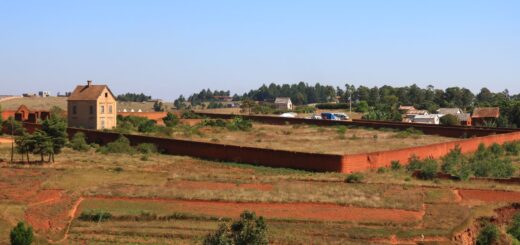
Three hours south of Antananarivo lies a town that feels oddly European: broad boulevards, faded pastel villas, a grand spa hotel, and the air of a 19th-century health resort transplanted to the tropics. This is Antsirabe — and the reason it looks like a French spa town is that it was designed to be one, by Norwegians, for their health. It is one of the strangest and most charming origin stories in Madagascar. (For what to do there now, see our full Antsirabe guide.)
A town the missionaries built for their health
Antsirabe owes its existence to the Norwegian Lutheran mission. The first Norwegian missionaries reached Madagascar in 1868, and in 1872 one of them, T.G. Rosaas, founded Antsirabe as a hill station — a cool-climate retreat where missionaries worn down by the heat and illness of the lowlands could recover. At around 1,500 metres, its crisp highland air was the whole point: a sanatorium town, planted deliberately in the mountains.
The Malagasy Vichy
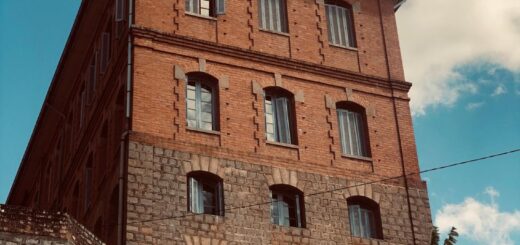
There was a second draw: water. The area is dotted with thermal springs, and Antsirabe grew into a genuine spa town, earning the nicknames ville d’eau (“city of water”) and le Vichy malgache — the Malagasy Vichy, after the famous French spa. Its very name, Antsirabe, means “the place of much salt,” a reference to the mineral-rich waters. The grand thermal baths opened in 1917, and the elegant, slightly faded resort architecture still gives the town its distinctive, time-capsule feel.
The city of a thousand rickshaws
Today Antsirabe has a very different signature: the pousse-pousse. The town has Madagascar’s highest concentration of these brightly painted pulled rickshaws, which throng its wide colonial streets in their hundreds. Cool, flat and spacious, Antsirabe is perfectly suited to them, and a pousse-pousse ride past the pastel villas and old spa hotel is the classic way to feel the town’s unusual character.
Why it matters today
Antsirabe is the essential highland stop on the RN7, a base for craft workshops, crater lakes and cool mountain air — and a living reminder that Madagascar’s story includes Norwegian missionaries and French spa culture as much as kings and lemurs. Read our Antsirabe guide, find a bed at our Antsirabe hotels page, and plan with our Madagascar travel guide.
See it for yourself — Antsirabe is the great highland stop on the RN7, three hours south of Antananarivo.
FAQ
Why was Antsirabe founded?
Norwegian Lutheran missionaries founded it in 1872 as a cool-climate hill station and retreat, drawn by the highland air and the local thermal springs.
Why is it called the “Malagasy Vichy”?
For its thermal springs: Antsirabe is nicknamed ville d’eau (“city of water”) and le Vichy malgache, after the famous French spa town. Its baths opened in 1917.
What does the name mean?
In Malagasy, Antsirabe means roughly “the place of much salt” — a nod to its mineral-rich waters.
What is it famous for today?
Its cool climate, colonial spa-town architecture, industry, and above all its thousands of colourful pousse-pousse rickshaws.
Travel insurance for Madagascar
Medical evacuation from Madagascar’s interior can cost USD 30,000–80,000, so travel medical cover is worth arranging before you go. SafetyWing is the disclosed partner we mention on this site — a monthly-subscription travel medical plan. Check SafetyWing’s plans.
Sources
Plan Your Trip to Madagascar
- Read the full Madagascar Travel Guide
- Explore itineraries by style and duration
- Explore the full destination guide
Where to Stay