Bargaining in Madagascar: What to Negotiate and What Not To 2026
This post contains affiliate links. We may earn a small commission at no extra cost to you.
At a Glance
- Always bargain at: craft markets, roadside stalls, taxi-brousse for private hire, hotel stays of 3+ nights at smaller establishments
- Never bargain at: supermarkets, pharmacies, restaurants with menu prices, fixed-price boutiques, hospitals, registered tour operator pre-quoted rates
- Standard markup vs locals: 2–4x in craft markets, 1.5–2x for tuk-tuk and taxi pricing
- Opening counter-offer rule: 30–50% of the first asked price for crafts, 60–70% for transport
- Most powerful tactic: the polite walk-away — works almost every time
- Base hotel: Find hotels in Antananarivo on Agoda
- Travel insurance: SafetyWing from $1.82/day
🎒 Madagascar Trip Essentials
A few inexpensive items make the biggest difference on the ground in Madagascar:
- Picaridin insect repellent — DEET-free protection against malaria mosquitoes. See on Amazon →
- Permethrin clothing spray — treat clothes; kills mosquitoes on contact for weeks. See on Amazon →
- Pop-up mosquito net — budget lodges rarely provide one; packs down tiny. See on Amazon →
- Water filter bottle — tap water isn’t safe to drink in Madagascar. See on Amazon →
- Universal travel adapter (USB-C) — Madagascar uses European-style plugs. See on Amazon →
- 8×42 binoculars — essential for spotting lemurs and chameleons in the canopy. See on Amazon →
As an Amazon Associate we earn from qualifying purchases.
Madagascar runs on bargaining in many situations and not at all in others — and getting the line wrong wastes money, makes you look foolish, or actively offends. This is the practical guide to where, how and how hard to negotiate in 2026.
Where Bargaining Is Expected
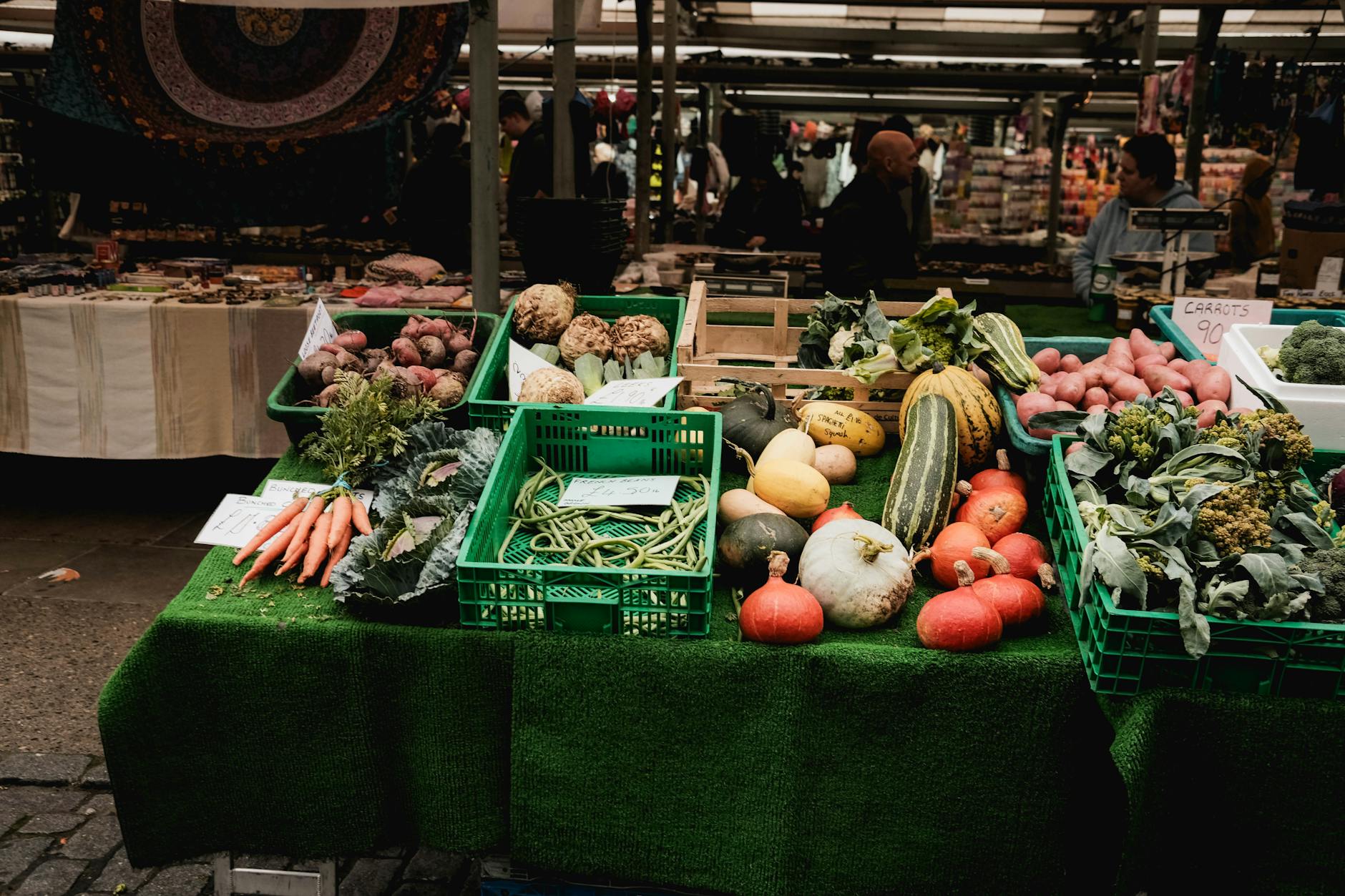
Bargaining is the default at every craft market (La Digue, Andravoahangy, Hell-Ville Bazary Be, Ambodifotatra), every roadside vendor selling fruit, vanilla pods, polished stones or carvings, every tuk-tuk and taxi ride that doesn’t use a meter (most of them), every taxi-brousse private hire, and most smaller hotels and guesthouses for stays of three or more nights — particularly off-peak. The opening price quoted to a foreigner (the “vazaha price”) is reliably 2–4x the price a Malagasy person would be quoted for the same item.
This is not personal hostility; it is how informal commerce works across Madagascar and most of East Africa. Vendors expect you to push back. Not bargaining is interpreted as either rich-tourist carelessness or naïveté — neither lands well, and you immediately set a precedent that distorts pricing for travellers behind you. A reasonable counter-offer starts at 30–50% of the opening ask for crafts, 60–70% for tuk-tuks and transport. Aim to settle at around 50–60% of the initial price for crafts, 75–85% for transport. Pair this with the cost overview in our Madagascar budget guide so you have anchor numbers for what items should actually cost.
Where Never to Bargain
Bargaining in the wrong place is a beginner mistake that brands you instantly. Never negotiate at supermarkets (Score, Shoprite, Leader Price, Magasin Champion) — prices are scanned, fixed and labelled. Never at pharmacies — medicine prices are regulated. Never at restaurants with a printed menu; prices are set and trying to haggle a chèvre rôti is rude. Never at fixed-price boutiques and craft galleries (Lisy Art Gallery, Madagascar Curio, Boutique du Lemurs Park, big tour-agency offices) where prices are clearly labelled — the staff don’t have authority to discount and asking makes them uncomfortable.
Never with hospitals, clinics or doctors — medical pricing in Madagascar is not negotiable. Never with park entry fees at Madagascar National Parks gates (Ranomafana, Andasibe, Isalo, Tsingy) — rates are posted, set, and bargaining is forbidden. Never with licensed national park guides over their official MNP rate — though you can negotiate the optional tip and any extra excursions on top. Pre-quoted tour operator rates are also not for haggling once you’ve accepted the quote: you negotiate before booking, not after. Use our food markets guide for the food-shopping equivalent of these rules.
The Mechanics: How to Bargain Without Being a Jerk
Good bargaining in Madagascar follows a calm rhythm. Greet first: “manao ahoana” (hello) and a smile costs you nothing and warms the encounter. Ask the price without showing strong interest. When the vendor names a number, react mildly (a soft “oh” rather than scoffing or laughing). Counter with a number well below your target — if you’re aiming to pay 30,000 Ar, counter at 15,000–20,000. The vendor will counter back. Move in small increments. Do not show how much you want the item; if you do, the price stays high.
When the vendor refuses to come down further but you’re close, the polite walk-away is the most powerful tool. Say “misaotra” (thank you), smile, and start to leave. Eight times out of ten the vendor calls you back with a final price. If they don’t, you genuinely walk and try another stall. Never insult the goods or the price — it is rude and it kills negotiation. Pay in small Ariary notes; pulling a $100 bill out of a money belt resets the whole conversation. Learn a few key Malagasy bargaining words from our Malagasy language basics guide: lafo loatra (too expensive), azo midina ve? (can you come down?), tsara, tsara (good, good — when agreeing).
Common Mistakes and How to Avoid Them
Five mistakes drag tourists into paying double or causing offence. Converting on the spot to USD or EUR mid-negotiation makes you anchor on “only $4 — it’s nothing” and stop pushing. Decide your maximum in Ariary before you start. Letting the group pile in destroys bargaining position; one nominated negotiator works far better than three travellers loudly interjecting. Bargaining for an hour over the equivalent of 50 cents is bad form — for tiny items pay the asking price and move on; the goodwill is worth more than the savings. Showing up at 4:50 p.m. and demanding rock-bottom prices works occasionally but vendors remember; you may pay more next time.
The biggest mistake is aggressive tone. Bargaining in Madagascar should feel like a slightly playful conversation, not a confrontation. Smile, joke gently, accept counter-offers gracefully. The vendor needs to feel they made a sale they were happy with, even if it was at your number. The walk-away should be polite and unbothered. Tipping rules are separate from bargaining: once you settle on a price you pay that price — adding a small tip to a market vendor is unusual and unnecessary. Save tipping for restaurant staff, guides and drivers. To move efficiently between scattered markets and bargaining locations, a flexible rental beats taxi-by-taxi: Compare Madagascar car rental prices on Carla.
Flight delayed home with your bargains? Air Madagascar and Air France routes via Paris have a history of disruption. Check your compensation claim free on AirAdvisor — eligible passengers can receive up to €600.
Frequently Asked Questions
How much can I realistically save by bargaining?
On craft items, 40–60% off the opening price is the typical achievable saving. On tuk-tuks and taxis, 20–30%. On hotels for stays of 3+ nights at smaller properties off-peak, 15–25% is realistic. On supermarket goods, restaurant meals or pharmacy items: nothing — these are fixed-price categories.
Will vendors be offended by my counter-offer?
Almost never. Vendors expect counter-offers below their opening ask — that is the game. What does offend is insulting the goods, mocking the price, or being aggressive. A calm, smiling counter at 30–50% of the asking price is standard and respected.
Should I bargain at hotels booked online?
No. Online-booked rates through Agoda, Booking and direct sites are pre-fixed and the front desk has no authority to renegotiate. If you want a discount, walk in unbooked or contact the hotel directly by email before booking — that is when prices are flexible.
Mastering Madagascar bargaining is one of the highest-return skills you can pick up for the trip — a few hours of practice saves real money across two weeks of travel. Stay calm, stay smiling, and walk away when needed. Cover the rest of your trip risk that no negotiation can fix: Get SafetyWing before you fly — from $1.82/day. Medical, baggage and trip-cancellation cover is the one set of prices where bargaining isn’t the play; comparing policies is.
Travel Insurance for Madagascar
Medical evacuation from Madagascar costs $30,000–$80,000. Don’t travel without cover.
- SafetyWing — Best for budget travelers and long stays. From $1.82/day.
- World Nomads — Best for adventure activities: trekking, diving, motorbikes.
Plan Your Trip to Madagascar
- Read the full Madagascar Travel Guide
- Explore itineraries by style and duration
- Explore the full destination guide
Where to Stay