Best Madagascar Kitesurfing & Watersports 2026: Spots, Seasons, Camps & Costs
Affiliate disclosure: This article contains sponsored links to hotels, tour operators, insurance providers, and other travel services. We earn a small commission if you book through our links, at no extra cost to you.
Best Madagascar Kitesurfing & Watersports 2026 — At a Glance
- Why kite Madagascar: World-class, uncrowded flat-water and wave riding — consistent trade winds, warm water, and spots like Sakalava Bay that rival anywhere, with a fraction of the crowds
- Top kite regions: Sakalava Bay and the Emerald Sea near Diego Suarez (Antsiranana), plus Nosy Be and the southwest
- Kite season: The windy season runs roughly April–November, with the strongest, most reliable winds in the dry-season months
- Other watersports: Windsurfing, wing foiling, SUP, kayaking, snorkelling, and surfing in the south
- Trip cost: $1,800–$4,000 per person (kite-camp week) to $6,000–$12,000+ (premium / private coaching)
- Flight protection: EU261 €600 per passenger on disrupted European inbound flights
- Travel insurance: SafetyWing Nomad Insurance — essential, and confirm it covers kitesurfing
- Kite-base hotels: Nosy Be & northern stays on Agoda
🏖 Beach & Snorkel Kit
For Madagascar’s islands and reefs, pack these:
- UPF-50 rash guard — all-day sun protection in and out of the water. See on Amazon →
- Waterproof phone pouch — IPX8 case for boats, beaches and snorkelling. See on Amazon →
- Waterproof dry bag — keeps gear dry on boat transfers and paddling. See on Amazon →
- Quick-dry travel towel — packs tiny, dries in the Madagascar heat. See on Amazon →
- Reef-safe sunscreen — protects you and the coral reefs. See on Amazon →
As an Amazon Associate we earn from qualifying purchases.
Madagascar is one of the world’s great under-the-radar kitesurfing destinations. While Zanzibar and Cape Town draw the crowds, Madagascar’s north delivers the same dream conditions — consistent trade winds, warm flat-water lagoons, and steady cross-shore breezes — at spots like Sakalava Bay that rival anywhere on Earth, with a fraction of the people on the water. For kitesurfers who want world-class wind and genuinely uncrowded lagoons, this is the destination. This guide maps the best kite regions, the conditions and seasons, the spots for every level, the other watersports on offer, the camps and operators, and exactly how to plan and budget a Madagascar kitesurfing trip that delivers session after session.
The defining appeal of Madagascar kitesurfing is reliable wind over empty water. Sakalava Bay, near Diego Suarez (Antsiranana) in the far north, is a flat-water and bump-and-jump paradise that catches the trade winds with remarkable consistency through the windy season — and yet you can ride it without the crowds that pack the famous spots elsewhere. Add warm water, a dramatic setting, and the option to combine kiting with Madagascar’s wildlife and beaches, and you have a kitesurfing trip few destinations can match. Whether you are a freestyle rider chasing flat water, a wave hunter, or a beginner learning in safe lagoon conditions, Madagascar rewards you.
Why Madagascar Is a World-Class Kitesurfing Destination
Madagascar’s kitesurfing appeal rests on several pillars that few destinations combine. First, wind reliability: the trade winds (the local “varatraza”) blow consistently through the windy season, particularly in the north, delivering the steady, predictable wind that makes a kite trip productive rather than a gamble. Second, world-class spots: Sakalava Bay offers flat water for freestyle and freeride, plus a wave section, in one bay — a rare combination — while the Emerald Sea nearby adds shallow turquoise lagoons. Third, uncrowded water: because Madagascar is remote and its kite scene young, even the best spots see a fraction of the riders that pack Zanzibar’s Paje or Cape Town’s beaches. Fourth, warm water and a wild setting: you kite in boardshorts over turquoise water against a backdrop of dramatic coastline and few signs of development.
The trade-off is that Madagascar is a destination for kiters who value the wind and the wildness over polished infrastructure. The best kiting is in the north around Diego Suarez, which takes effort to reach, and the scene is growing rather than fully developed. For the right kiter, that remoteness is precisely the appeal — it is what keeps the water empty and the experience authentic. Madagascar rewards those willing to travel a little further for world-class wind they don’t have to share.
The Best Kitesurfing Regions in Madagascar
Sakalava Bay and Diego Suarez — the kite heartland
Sakalava Bay, just outside Diego Suarez (Antsiranana) in the far north, is Madagascar’s premier kitesurfing spot and one of the best in the Indian Ocean. The bay offers flat water on the inside for freestyle and learning, a bump-and-jump zone, and a wave section on the reef — a remarkable range of conditions in one location. The trade winds funnel through the bay with great consistency through the windy season, and a kite camp sits right on the beach. For most kiters, Sakalava Bay is the reason to come to Madagascar, and the natural base. The wider Diego Suarez area, including the stunning Emerald Sea (Mer d’Émeraude) with its shallow turquoise lagoons, adds even more riding and downwind options.
What makes Sakalava Bay so special is the rare convergence of factors in one place. The bay’s shape funnels and smooths the trade winds, delivering side-shore wind — the safest and most useful direction — with remarkable consistency. The inside is flat and protected, ideal for freestyle and learning; the middle offers chop for jumping; and the reef at the mouth produces waves for those who want them. Few spots anywhere offer this full spectrum within a short ride of one beach, and fewer still do so with so few other riders on the water. The camp on the beach means you rig, launch, and ride within steps of your room, maximising water time. For a dedicated kiter, the appeal is simple: reliable wind, every kind of condition, warm water, stunning surroundings, and space to ride — the combination that defines a world-class kite spot, delivered here without the crowds that have come to define the famous ones.
Nosy Be and the northwest
Nosy Be and its surrounding islands offer kitesurfing in season, with warm water and beautiful island settings, though the wind is generally less reliable than the far north. For kiters who want to combine some riding with a beach or island holiday — and access to the islets, snorkelling, and lodges — Nosy Be is an appealing base, and our Nosy Be beaches guide covers the wider area. Browse northern and Nosy Be stays on Agoda to gauge accommodation.
The southwest and other spots
The southwest coast, around Tuléar and the reef-protected lagoons, offers kitesurfing and windsurfing in season, along with surfing further south. These spots are wilder and less developed, appealing to adventurous riders wanting to explore beyond the established north. The south is also Madagascar’s surfing region, with reef and beach breaks for board riders.
Conditions and Seasons
Madagascar’s kite season is driven by the trade winds, which blow most reliably through the dry season, roughly April–November. In the north around Sakalava Bay, this is the windy season, with strong, consistent wind on most days through the peak months — the prime time for a kite trip. The exact strongest months vary year to year, but the dry season is the reliable window. Outside this, the wind becomes lighter and less predictable, and the wet season (December–March) brings cyclone risk and is best avoided. Because wind reliability is everything for a kite trip, timing your visit to the windy season is essential — and a specialist who knows the local patterns can advise on the best weeks. As a rule, plan a Madagascar kite trip for the dry season, ideally the windier mid-season months.
Kitesurfing for Every Level
Madagascar suits a range of abilities. Beginners can learn in the safe, flat, shallow water of Sakalava Bay’s inside section or the Emerald Sea’s lagoons, with kite schools offering lessons and gear — ideal conditions to learn, with steady wind and forgiving water. Intermediate riders can progress on the flat water and bump-and-jump zones, building skills in reliable conditions without the crowds that make learning stressful elsewhere. Advanced riders will relish the flat water for freestyle, the bump-and-jump for big-air, and the wave section for strapless and wave riding — a rare all-in-one spot. The best camps tailor coaching to your level, so a beginner and an advanced rider can both have a great trip from the same base.
The Wind: Understanding the Varatraza
The engine of Madagascar’s kitesurfing is the varatraza, the southeasterly trade wind that sweeps the island’s north and east through the dry season. In the far north around Sakalava Bay, the local geography channels this wind so that it arrives strong, steady, and side-shore — exactly what a kiter wants. Through the windy months, riders can often expect usable wind on the large majority of days, with the wind typically building through the morning and peaking in the afternoon, then easing toward evening. This predictability is what separates a productive kite trip from a frustrating one: rather than waiting around hoping for wind, you can plan your days around a reliable pattern. The wind does vary in strength day to day and year to year, which is why timing your trip to the heart of the windy season, and allowing enough days, matters. But at its best, the varatraza delivers the kind of consistent, quality wind that kiters travel the world chasing — and at Sakalava Bay, it arrives over warm, empty water in a spectacular setting. Understanding the wind is the key to understanding why Madagascar’s north has quietly become one of the Indian Ocean’s standout kite destinations, and why the riders who discover it so often start planning their return before they have even left.
Other Watersports in Madagascar
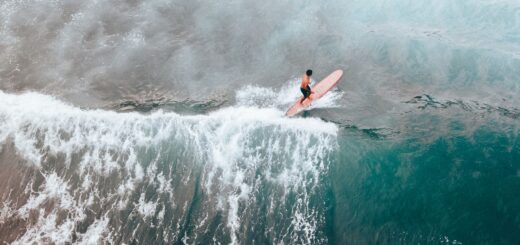
Beyond kitesurfing, Madagascar offers a full range of watersports. Windsurfing shares the same windy spots as kiting, particularly in the north. Wing foiling, the fast-growing discipline, is increasingly practised at the kite spots. Stand-up paddleboarding (SUP) and kayaking are perfect for the calm lagoons and mangroves, accessible to everyone. Snorkelling and diving are world-class on the reefs (covered in our diving guides). And surfing in the south offers reef and beach breaks for board riders. For a watersports-focused trip, Madagascar can combine several disciplines — a morning kite session, an afternoon SUP through mangroves, a snorkel on the reef — in genuinely beautiful, uncrowded settings.
Kite Camps and Operators
Madagascar’s kitesurfing is served by a small number of kite camps and operators, concentrated around Sakalava Bay. A good kite camp offers beachfront accommodation, lessons and coaching for all levels, gear rental and storage, and the local knowledge to make the most of the conditions. For kiting, the camp matters enormously — the right operation has quality gear, certified instructors, safety cover on the water, and a beachfront location that maximises your time riding. The best camps also handle the logistics (airport transfers, gear, meals) so you can focus on the wind. For beginners especially, choosing a reputable kite school with certified instruction is essential for safety and progression. A Madagascar-resident specialist can match you to the right camp for your level and the best weeks for wind.
How Kite Trips Are Structured
Madagascar kite trips take several shapes. Kite-camp packages base you at a beachfront camp at Sakalava Bay with daily riding, lessons or coaching, gear, and accommodation — the most popular structure, focused entirely on the kiting. Independent trips base you at a lodge with kiting arranged separately, offering more flexibility for non-kiting companions. Combined trips add a few days of kiting to a wider Madagascar itinerary — pairing the wind with wildlife, beaches, or the north’s other attractions. Downwind and exploration trips, for experienced riders, explore the coastline and the Emerald Sea’s lagoons. The right structure depends on how dedicated the kiting is and whether companions want other activities.
Getting There and Around for a Kite Trip
Most kite trips are based around Diego Suarez (Antsiranana) in the far north, reached by international flight to Antananarivo then a domestic connection, or via Nosy Be. International routes connect via Paris, Addis Ababa, Nairobi, or Mauritius. Because kite trips often involve bulky gear (boards, kites), plan transfers carefully: confirm baggage allowances for kite bags on domestic flights, build a buffer night against flight delays, and protect your inbound flights. If a European inbound flight is delayed or cancelled, EU261 protection can return up to €600 per passenger — worth having when a delay could cost you riding days. Most camps include airport transfers and are right on the beach, so once you arrive, the wind is at your doorstep.
Wing Foiling and the Newer Disciplines
Madagascar’s wind doesn’t only suit traditional kitesurfing. Wing foiling — the fast-growing discipline that pairs a handheld wing with a foil board — thrives in the same conditions, and the flat water of Sakalava Bay and the Emerald Sea is ideal for learning and progressing. The steady trade winds and forgiving water suit foiling beautifully, and riders increasingly bring wing gear alongside or instead of kites. Windsurfing, kitesurfing’s predecessor, also flourishes at the same spots, and the bay’s range of conditions suits everything from beginner windsurfing to advanced wave sailing. For riders curious about the newer disciplines, Madagascar’s uncrowded, reliable wind is an excellent place to learn or progress — with space and steady conditions that crowded spots can’t offer. A good camp can usually advise on or provide wing and windsurf gear alongside kites, so a trip can mix disciplines.
Tips for a Great Madagascar Kite Trip
A few practical tips make a kite trip smoother. Allow enough days: wind varies even in the windy season, so a longer trip (a week or more) gives more riding days and absorbs any light-wind spell. Bring or confirm the right gear: a range of kite sizes covers variable wind; confirm rental availability if not bringing your own. Respect the conditions: the trade winds can be strong, so ride within your limits and heed local advice on the reef and currents. Build in non-windy days: use lighter days to explore the north’s wildlife and landscapes rather than forcing a session. Protect your trip and gear: confirm insurance covers kitesurfing, and check baggage rules for kite bags. Stay hydrated and sun-safe: the wind masks the sun’s strength, and dehydration creeps up on the water. Above all, embrace the rhythm — a Madagascar kite trip is about riding world-class wind over empty water, and the unhurried, wind-led pace is part of the magic.
Safety and Travel Insurance
Kitesurfing is an adventure sport, and Madagascar’s remoteness raises the stakes, making the right travel insurance essential — and crucially, you must confirm it covers kitesurfing, as many standard policies exclude it. Coverage should include medical emergencies and evacuation (rural medical care is limited), the specific activity of kitesurfing, and trip disruption. SafetyWing Nomad Insurance offers flexible coverage well suited to active travel — verify the kitesurfing inclusion for your policy. Beyond insurance, ride within your limits, respect the local conditions and any reef hazards, use a reputable camp with safety cover, and always check the wind and your gear. The combination of strong wind and remote location rewards a sensible, safety-conscious approach.
The Emerald Sea: A Kiter’s Paradise
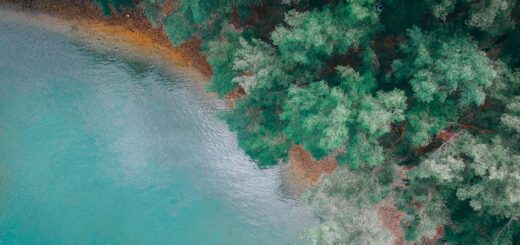
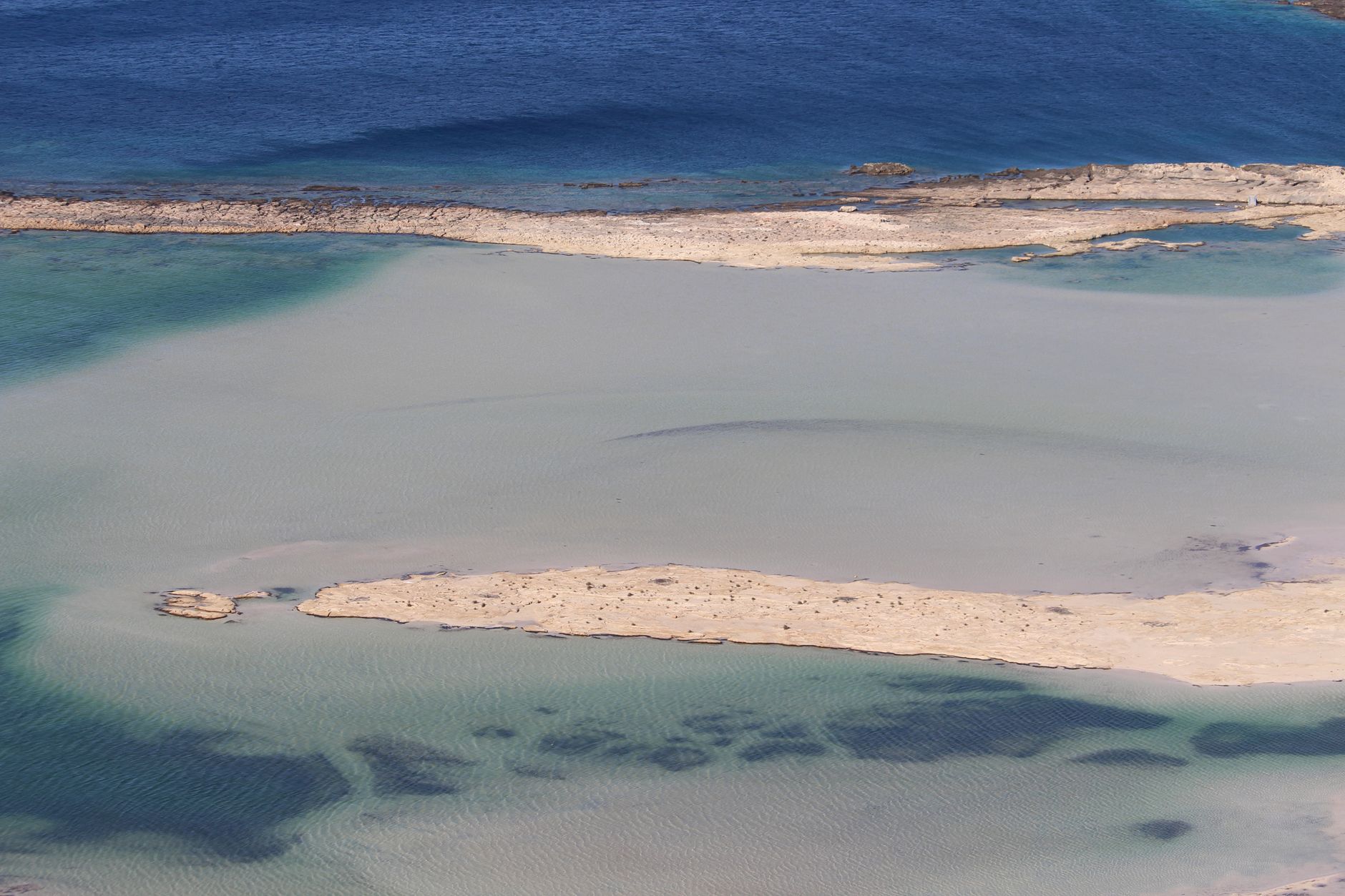
No account of Madagascar kitesurfing is complete without the Emerald Sea (Mer d’Émeraude), a stretch of impossibly shallow, brilliant turquoise water enclosed by a reef off Diego Suarez. The combination of waist-deep flat water, steady trade winds, and a backdrop of deserted white-sand beaches makes it one of the most beautiful places to kite anywhere on Earth. For beginners and freestyle riders, the shallow, forgiving water is ideal; for everyone, the sheer beauty of the setting — turquoise as far as you can see, often with not another rider in sight — is unforgettable. Many trips combine a session at Sakalava Bay with a day on the Emerald Sea, sometimes reached by boat, turning a kite trip into an exploration of one of Madagascar’s most spectacular seascapes. It is the kind of place that, once you have kited it, defines what you imagine a dream kite spot to be.
A Typical Day at a Madagascar Kite Camp
To picture it: you wake at a beachfront camp at Sakalava Bay, the trade wind already building across the bay. Over breakfast you check the forecast and the flags, rig your kite, and walk straight onto the beach. The morning session might be flat-water freestyle on the inside, or working the bump-and-jump zone for big air, the wind steady and the water warm. Mid-day, as the wind peaks, you rest, eat, and watch the bay — or head out for more if the conditions are firing. The afternoon brings another session, perhaps on the wave section as the light softens, before a sundowner on the beach watching the last riders come in. The rhythm of a Madagascar kite trip is exactly this: wind-driven, unhurried, and centred on the water, with the luxury of riding world-class conditions you barely have to share.
That rhythm is the appeal. Unlike the famous spots, where you queue for space and dodge other riders, Sakalava Bay offers room to ride, progress, and simply enjoy the wind. For dedicated kiters, the chance to log session after session in reliable wind over empty water is the whole point of travelling here — and a week of it can transform your riding.
Learning to Kitesurf in Madagascar
Madagascar is an excellent place to learn to kitesurf, particularly for those who want to learn somewhere genuinely beautiful and uncrowded. The flat, shallow inside section of Sakalava Bay and the waist-deep Emerald Sea provide ideal learning conditions — forgiving water you can stand up in, steady wind, and space to make mistakes without other riders in the way. Kite schools at the bay offer certified instruction, from first-time lessons through to independent riding, with the gear and safety cover beginners need. Learning in these conditions is far less stressful than at a crowded, choppy spot, and many people who try a lesson in Madagascar are hooked. For couples or friends where one kites and the other wants to learn, this is ideal: lessons for the beginner, world-class riding for the experienced, from the same camp. If learning is your goal, allow enough days — kitesurfing takes time to click, and a week gives you the best chance of riding independently by the end.
Combining Kitesurfing With Madagascar’s Wildlife and North
One of Madagascar’s great advantages as a kite destination is what surrounds the wind. The far north around Diego Suarez is rich in attractions: the Emerald Sea, the dramatic bays and headlands, the Montagne d’Ambre rainforest with its lemurs and waterfalls, the red and grey tsingy formations, and the historic town of Diego Suarez itself. A kite trip here can easily fold in a few non-windy days exploring this extraordinary region — tracking lemurs in the morning, kiting in the afternoon when the wind builds. For kiters travelling with non-kiting partners or families, the north offers plenty to keep everyone happy, turning a kite trip into a richer Madagascar adventure. This combination — world-class kiting plus genuine wildlife and landscape — is something no other major kite destination can offer, and it is a large part of why Madagascar appeals to kiters who want more than just wind.
What to Pack and Gear
Many kiters bring their own gear, particularly boards and bars they trust, though good camps offer quality rental kit — confirm in advance, especially for specialist disciplines. Bring a range of kite sizes if you have them, as wind strength varies; camps can advise on typical conditions. Beyond kit, pack high-factor sunscreen, a rash vest or wetsuit top (the water is warm but sun and wind exposure is high), a helmet and impact vest if you use them, booties for any reef, and soft luggage. Confirm baggage allowances for kite bags on domestic flights, as these can be restrictive and costly. A good specialist will advise exactly what to bring for the conditions and your chosen camp, so you arrive properly equipped rather than improvising — and so your gear actually makes it onto the small aircraft north.
Why a Specialist Matters for a Kite Trip
More than many trips, kitesurfing rewards being planned by someone who knows the destination and the wind. The reasons are specific. Timing the wind: wind reliability is everything, and a specialist who knows the local seasonal patterns can steer you to the windiest weeks — fishing the calendar, so to speak. Camp selection: the gap between a good kite camp and a poor one is large, and a resident specialist knows which deliver quality instruction, gear, and safety. Logistics: coordinating remote northern transfers, bulky kite-bag baggage, and accommodation is complex, and getting it wrong costs riding days. Honest expectation-setting: a good specialist tells you truthfully what’s realistic for your dates and level. Booking blind risks arriving in a light-wind week or at the wrong camp — a wasted trip when the whole point is the wind. And because kitesurfing is an adventure sport in a remote place, a specialist ensures your insurance actually covers the activity, a detail easily overlooked. The small effort of planning with a specialist is the difference between a frustrating trip and a dream one.
How Madagascar Kitesurfing Compares
Against the Indian Ocean’s better-known kite destinations — Zanzibar, Mauritius, and the global benchmark of Cape Town — Madagascar trades a little infrastructure and convenience for far more uncrowded water and a wilder setting. Zanzibar’s Paje is superb but increasingly packed; Mauritius’s Le Morne is world-class but premium and busy; Cape Town is the global mecca but crowded and a very different (cold-water, big-wind) experience. Madagascar offers comparable world-class wind at Sakalava Bay with a fraction of the riders, warm water, and a sense of frontier. For kiters who want dream conditions without the crowds, Madagascar increasingly wins. Our detailed comparison weighs Madagascar against Zanzibar and Cape Town for kitesurfing, linked from this pillar. Watersports travellers may also enjoy our best beaches and coastal escapes guide and the sailing options in our Nosy Be sailing routes guide.
Madagascar’s Place on the Global Kite Map
For years, the travelling kiter’s world map ran through familiar names — Cape Town for big wind, Zanzibar and Mauritius for warm-water freestyle, Brazil for endless downwinders. Madagascar barely featured, despite sitting in the path of reliable trade winds with a spot, Sakalava Bay, that delivers everything a kiter wants. That is changing. As riders seek out less-crowded spots and wilder experiences, Madagascar is emerging as one of the most exciting frontiers in kitesurfing — a place where the wind is world-class, the water is empty, and the setting is genuinely wild.
The island is still early in its development as a kite destination, which is precisely its appeal: the infrastructure is growing but the spots are not yet crowded, so kiters who go now experience Sakalava Bay much as the famous spots were before the crowds arrived. For the adventurous rider willing to travel a little further and accept a little less polish, Madagascar offers something increasingly rare — world-class, reliable wind over water you barely have to share, in a setting of extraordinary beauty. It is, in short, where the knowledgeable kiter goes before everyone else catches on, and word is steadily spreading among riders who have done the famous spots and want something wilder.
What a Kite Trip Costs
Madagascar kite-trip costs vary by structure and tier. A kite-camp week — beachfront camp at Sakalava Bay, daily riding, gear, and meals — typically runs $1,800–$4,000 per person all-in including international flights, depending on camp tier and whether you rent gear. A premium or private-coaching trip, with one-on-one instruction and the best accommodation, runs $6,000–$12,000+. The biggest cost variables are the camp tier, whether you bring or rent gear, the length of the trip, and international airfare. Sharing accommodation and travelling in a group reduces costs. For a full breakdown, see our kite trip cost guide, and the package options in our kite camp packages guide, both linked from this pillar. Madagascar kite trips offer excellent value compared to premium destinations like Mauritius, with the on-the-ground costs reasonable and the wind world-class.
The Watersports Traveller’s Madagascar
For travellers whose holiday revolves around the water, Madagascar is a remarkable and under-appreciated choice. Few destinations let you kite world-class wind, dive or snorkel pristine reefs, sail to deserted islands, fish lightly-pressured water, SUP through mangroves, and surf reef breaks — all within one country, and mostly in warm, beautiful, uncrowded settings. A watersports-focused Madagascar trip can be built around a single discipline (a dedicated kite week) or combine several (kiting in the north, diving and sailing around Nosy Be, surfing in the south), depending on your interests and time. The common thread is water that is warm, clear, and gloriously empty compared to the world’s busier watersports hubs. For active, water-loving travellers, Madagascar delivers a breadth and quality of watersports that belies its under-the-radar reputation — and a Madagascar-resident specialist can weave the disciplines you love into a single seamless trip.
Planning Your Madagascar Kitesurfing Trip
A great Madagascar kite trip rewards careful planning. The keys: time your visit to the windy season (dry season, ideally the windier mid-season months); base yourself at Sakalava Bay for the best conditions; choose a reputable kite camp matched to your level; confirm gear (bring your own or rent); plan transfers for bulky kite bags; never skip insurance and confirm it covers kitesurfing; and let a Madagascar-resident specialist coordinate the logistics. The difference between a good kite trip and a dream one lies in matching the season and spot to your riding — exactly what a knowledgeable specialist gets right.
Carla / Voyagiste Madagascar (bespoke kite-trip planning)
Madagascar-resident specialist for kitesurfing and watersports trips. Contact Carla directly to plan a kite trip matched to your level, dates, and budget — the right spot, season, and camp, with seamless logistics, so you ride the best wind over empty water.
Frequently Asked Questions
Is Madagascar good for kitesurfing?
Exceptionally — Sakalava Bay in the north offers world-class flat water, bump-and-jump, and a wave section with consistent trade winds and a fraction of the crowds of better-known spots.
Where is the best kitesurfing in Madagascar?
Sakalava Bay, near Diego Suarez (Antsiranana) in the far north, is the premier spot, with the Emerald Sea nearby. Nosy Be and the southwest offer kiting in season too.
When is the kite season in Madagascar?
The windy season runs roughly April–November (the dry season), with the strongest, most reliable winds in the peak mid-season months. Time your trip to this window.
Can beginners learn to kitesurf in Madagascar?
Yes — Sakalava Bay’s flat, shallow inside section and the Emerald Sea’s lagoons offer ideal, safe learning conditions, with kite schools offering lessons and gear.
How much does a Madagascar kite trip cost?
Roughly $1,800–$4,000 per person for a kite-camp week, $6,000–$12,000+ for premium or private-coaching trips, all-in including flights.
Do I need special travel insurance?
Yes — essential, and you must confirm it covers kitesurfing, as many policies exclude it. See SafetyWing and verify the activity inclusion.
🪁 Plan a World-Class Madagascar Kite Trip With Carla
Sakalava Bay’s wind is world-class — and uncrowded. Reach out to Carla, our Madagascar-resident specialist, to match the right spot, season, and camp to your level — so you ride the best wind over empty water.
Plan Your Trip to Madagascar
- Read the full Madagascar Travel Guide
- Explore itineraries by style and duration
- Explore the full destination guide
Where to Stay