Best of Northern Madagascar 2026: Nosy Be, Diego & the Far North
Affiliate disclosure: This article contains sponsored links to hotels, tour operators, insurance providers, and other travel services. We earn a small commission if you book through our links, at no extra cost to you.
Best of Northern Madagascar 2026 — At a Glance
- The icons: Nosy Be (Madagascar’s premier beach island), Diego Suarez, the Amber Mountain, and the Tsingy Rouge
- Best for: Beaches, diving, warm calm seas, comfort, and easy island relaxation
- Wildlife: Lokobe lemurs, Amber Mountain rainforest, whale sharks off Nosy Be (Oct–Dec)
- Gateways: Nosy Be (Fascene) and Diego Suarez (Antsiranana) airports, by domestic flight
- Best time: The dry season (April–November), with the beach window extending into December
- Character: The easiest, most comfortable region of Madagascar — sun, sea, and a relaxed pace
- Flight protection: EU261 €600 per passenger on disrupted European inbound flights
- Travel insurance: SafetyWing Nomad Insurance — essential, including dive cover
- Where to stay: Nosy Be stays on Agoda
🎒 Madagascar Trip Essentials
A few inexpensive items make the biggest difference on the ground in Madagascar:
- Picaridin insect repellent — DEET-free protection against malaria mosquitoes. See on Amazon →
- Permethrin clothing spray — treat clothes; kills mosquitoes on contact for weeks. See on Amazon →
- Pop-up mosquito net — budget lodges rarely provide one; packs down tiny. See on Amazon →
- Water filter bottle — tap water isn’t safe to drink in Madagascar. See on Amazon →
- Universal travel adapter (USB-C) — Madagascar uses European-style plugs. See on Amazon →
- 8×42 binoculars — essential for spotting lemurs and chameleons in the canopy. See on Amazon →
As an Amazon Associate we earn from qualifying purchases.
Northern Madagascar is the island’s beach-and-sea paradise — home to Nosy Be, the country’s premier resort island, the dramatic landscapes around Diego Suarez, and the easiest, most comfortable travel in all of Madagascar. If the west is about rugged adventure and iconic landscapes, the north is about warm seas, world-class diving, soft beaches, and a relaxed island pace. This guide is your complete overview of the north — the headline destinations, the beaches and wildlife, how to get there, when to go, and how to plan a trip that makes the most of the region. For how the north compares with the rugged west, see our western vs northern Madagascar guide.
The defining character of the north: it’s the part of Madagascar you come to for sun, sea, and relaxation, and the region where travel is at its easiest. Nosy Be and its surrounding islands offer Madagascar’s best beaches and diving in warm, calm waters, while the Diego Suarez area adds dramatic bays, the Amber Mountain rainforest, and the red pinnacles of the Tsingy Rouge. With better infrastructure and shorter distances than elsewhere, the north suits travellers who want a tropical island holiday with a side of wildlife and adventure. The rest of this guide shows you how to do it.
Why Visit Northern Madagascar
The north is where Madagascar feels most like a classic tropical island getaway — without losing the wild, endemic character that makes the country unique. Nosy Be is the heart of it: an island of beaches, resorts, dive centres, and easy island-hopping, ringed by smaller islands like Nosy Komba and Nosy Iranja. Around Diego Suarez in the far north, the scenery turns dramatic — one of the world’s great natural bays, the lush Amber Mountain rainforest, the surreal red rock formations of the Tsingy Rouge, and the turquoise Emerald Sea. Together they make the north both a beach destination and a place of real natural variety.
This combination is rarer than it sounds. Plenty of tropical destinations offer beaches; far fewer pair them with endemic rainforest wildlife, surreal geology, and world-class diving all within easy reach of a comfortable base. The north gives you the relaxation of an island holiday and the wonder of Madagascar’s unique natural world, without forcing you to choose between them or to travel hard for the privilege. That blend of ease and richness is the north’s signature, and it’s why the region wins over so many travellers who arrive expecting “just a beach” and leave having seen lemurs, whale sharks, and red stone forests too.
Crucially, the north is the easiest region of Madagascar to travel. Distances around Nosy Be are short, the infrastructure and accommodation are the country’s most developed, and the warm, calm seas make for reliable beach and water conditions throughout the long dry season. For travellers who want Madagascar’s wildlife and beauty with comfort and ease — families, honeymooners, divers, first-timers wary of rough roads, and anyone short on time — the north is the natural choice, delivering a genuine taste of the island without the demands the other regions can make. It’s also the region that pairs best with relaxation: where the west sends you home exhilarated and dusty, the north sends you home rested, sun-warmed, and already plotting a return.
There’s a common misconception that Madagascar is all rough roads and hard travel — true of some regions, but emphatically not the north. Here you can fly in, transfer a short distance to a comfortable beach resort, and spend a week mixing sand, sea, and gentle excursions with barely a bumpy road in sight. That accessibility opens Madagascar up to travellers who might otherwise be put off: those wanting a straightforward beach holiday, those travelling with children or older relatives, and those who simply want to unwind. The north proves that Madagascar can be as easy or as adventurous as you want it to be — and for the easy, beachy end of that spectrum, it’s unmatched on the island.
The Headline Destinations
Nosy Be
Nosy Be — “the big island” — is Madagascar’s premier beach destination and the gateway to the north. It offers the country’s best concentration of beaches, resorts, and dive sites, with warm, calm seas, a relaxed pace, and easy access to a constellation of smaller islands. From here you can dive or snorkel world-class reefs, island-hop to Nosy Komba (the “lemur island”) and the postcard sandbar of Nosy Iranja, and unwind on soft sand. Nosy Be has the country’s broadest range of accommodation too, from simple guesthouses to genuine luxury resorts, so it suits everyone from backpackers to honeymooners. Whatever your budget, the island makes a comfortable, well-served base from which the rest of the north opens up. For the beaches specifically, see our Nosy Be beaches complete guide; for the underwater world, our Nosy Be diving guide. Nosy Be is the comfortable, sun-soaked heart of any northern trip, and for many travellers the whole of it.
Beyond the beach, Nosy Be has a character of its own: ylang-ylang and vanilla plantations that scent the air (the island is a major producer of the perfume essence), lively markets in Hell-Ville (the main town), and a warm, easygoing Malagasy island culture. It’s developed enough to be comfortable and well-served by hotels and restaurants, yet still unmistakably Madagascar rather than a generic resort destination. This blend — real island life alongside genuine comfort — is a big part of why Nosy Be has become the country’s most popular beach base, and why so many trips to the north begin and end here. Browse Nosy Be stays on Agoda to find a base.
Diego Suarez and the far north
Diego Suarez (Antsiranana), at Madagascar’s northern tip, sits on one of the world’s most beautiful bays and anchors a region of dramatic, varied scenery. Nearby lie the Amber Mountain National Park — a lush rainforest of waterfalls, lemurs, and tiny chameleons — the surreal red sandstone pinnacles of the Tsingy Rouge, and the shallow turquoise Emerald Sea, ideal for sailing and snorkelling. The far north is less developed and less visited than Nosy Be, with a wilder, more adventurous feel, and it rewards travellers who venture beyond the beaches. In a single area you can hike rainforest trails to waterfalls one day, marvel at the red sandstone pinnacles of the Tsingy Rouge the next, and snorkel or sail the shallow turquoise Emerald Sea the day after — a remarkable concentration of contrasting landscapes. It’s the part of the north for the curious and the active, balancing Nosy Be’s pure beach relaxation with genuine exploration. Our dedicated Diego Suarez and far north guide covers it in full.
Diego itself is a characterful colonial-era port town wrapped around its vast bay — second only to Rio, some say, in natural grandeur — with a faded, atmospheric charm and a relaxed pace. The far north’s appeal lies in this combination of dramatic, varied landscapes packed into a relatively compact area: rainforest, red tsingy, turquoise sea, and big bays all within reach of one base. It sees far fewer visitors than Nosy Be, so it rewards travellers looking for a quieter, more adventurous side of the north, and it pairs naturally with a Nosy Be beach stay for those wanting both relaxation and exploration. For many, the far north is the north’s best-kept secret.
The islands around Nosy Be
Part of Nosy Be’s appeal is the cluster of smaller islands within easy reach. Nosy Komba is famous for its habituated lemurs and crafts villages; Nosy Tanikely is a protected marine park superb for snorkelling; Nosy Iranja is a stunning twin-island linked by a sandbar at low tide; and the remote Mitsio and Radama archipelagos offer pristine, barely-visited beauty for sailing trips. Island-hopping among these is one of the great pleasures of a northern trip, and a big part of why the region is so good for relaxed, sea-focused travel.
Each island has its own character, so a few days of hopping never feels repetitive. Nosy Komba is easy and sociable, a short hop for lemurs and crafts; Nosy Tanikely is all about the underwater world, with snorkelling and diving in a protected marine park; Nosy Iranja is the postcard escape, its twin islands joined by a dazzling sandbar that appears at low tide. Venture further to the Mitsio or Radama archipelagos and you reach genuinely remote, barely-touched islands best explored on a multi-day sailing trip. This abundance of accessible islands, each a short boat ride from the next, is something no other part of Madagascar offers, and it’s the heart of the northern experience.
Beaches and Diving
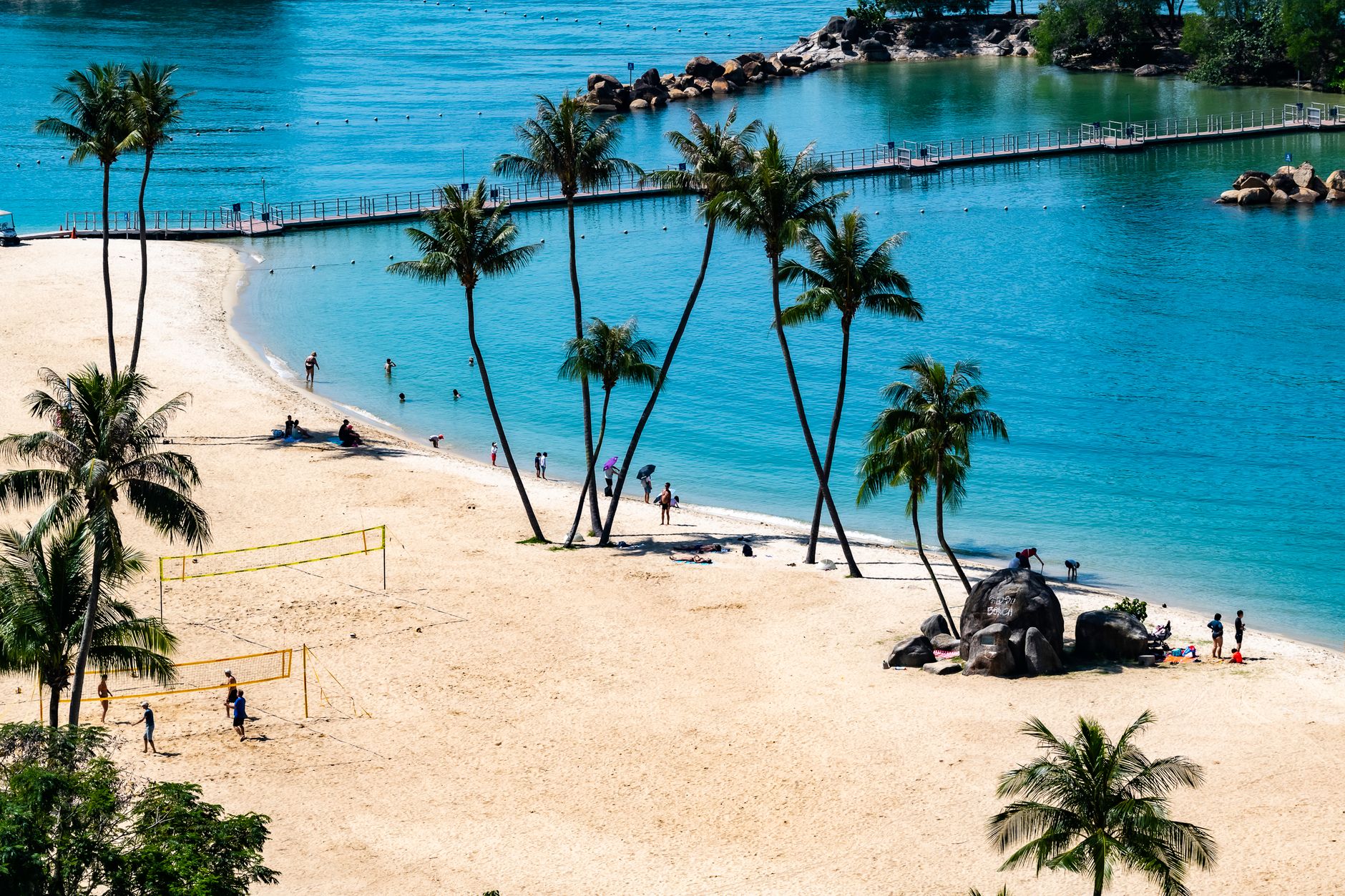
The north is Madagascar’s undisputed best region for beaches and diving — the single reason many travellers choose it over the island’s other regions. The seas around Nosy Be and its islands are warm, calm, and clear, with healthy reefs, abundant marine life, and excellent visibility through the dry season. Diving and snorkelling here range from gentle reef sites perfect for beginners to deeper walls and, seasonally, the chance to snorkel with whale sharks (around October to December) — a world-class wildlife encounter. The beaches themselves, from Nosy Be’s resort strands to the sandbar of Nosy Iranja, are the finest in the country, with soft sand, swaying palms, and warm shallows. For travellers whose priority is sun, sand, and sea, the north delivers what no other Madagascar region can. See our Nosy Be diving guide for the dive sites and seasons.
What sets the north’s waters apart is the combination of accessibility and quality: world-class reefs and marine life that are easy to reach, in calm, warm seas suitable for beginners and experienced divers alike. Nosy Tanikely’s protected marine park offers superb snorkelling straight off the beach; the reefs further out reward divers with turtles, rays, and vibrant coral; and the seasonal whale sharks are a genuine bucket-list encounter. Even non-divers find the snorkelling and the simple pleasure of warm, swimmable seas a revelation after Madagascar’s cooler, rougher coasts elsewhere. For a beach-and-water trip, this is the one region of Madagascar that competes with the famous Indian Ocean islands — at a fraction of their crowds. Detailed beach-by-beach coverage is in our Nosy Be beaches guide.
Wildlife of the North
The north combines its beaches with genuinely rewarding wildlife, and it does so with unusual convenience — many encounters are short trips from the resorts rather than expeditions. Lokobe Reserve on Nosy Be protects a pocket of lowland rainforest where you can see black lemurs, chameleons, and boas a short boat trip from the resorts. Amber Mountain National Park near Diego is a lush highland rainforest rich in lemurs, the tiny Brookesia chameleons (among the world’s smallest reptiles), waterfalls, and birds. And the seas deliver the seasonal whale sharks off Nosy Be, plus turtles and abundant reef life. While the north isn’t Madagascar’s premier big-wildlife region — that’s the parks of the centre and east — it offers a satisfying mix of accessible forest wildlife and outstanding marine life, all without straying far from the beaches.
The accessibility is the key: at Lokobe you can be watching black lemurs in rainforest within an hour of leaving your Nosy Be resort, and the Amber Mountain’s lemurs, chameleons, and waterfalls make an easy day or overnight from Diego. This makes the north ideal for travellers who want a taste of Madagascar’s famous wildlife without committing to the long drives and remote lodges of the dedicated wildlife regions. You won’t tick off every lemur species here, but you’ll see enough — and combine it with beaches and reefs that the wildlife regions can’t match. For travellers wanting the full big-wildlife experience as well, the north pairs naturally with a wildlife-focused leg elsewhere on the island.
Things to Do in the North
Beyond lying on the beach, the north offers a wealth of activities that make it more than a simple sun-and-sand destination. This is what separates a northern Madagascar holiday from a generic beach break: alongside the sand and sea, you have endemic wildlife, dramatic landscapes, and a rich island culture all within easy reach. The options run from gentle and relaxing to genuinely adventurous, so you can shape the trip to your own pace:
- Island-hopping by boat to Nosy Komba’s lemurs, Nosy Tanikely’s marine park, and Nosy Iranja’s sandbar — the signature northern experience.
- Diving and snorkelling the reefs around Nosy Be and Nosy Tanikely, with whale sharks in season — see our Nosy Be diving guide.
- Sailing the calm waters and remote archipelagos (Mitsio, Radama) by catamaran or dhow, a wonderful way to reach the quietest beaches.
- Rainforest walks at Lokobe on Nosy Be or the Amber Mountain near Diego, for lemurs, chameleons, and waterfalls.
- The Tsingy Rouge and Emerald Sea from Diego, for dramatic red-rock scenery and shallow turquoise snorkelling.
- Sundowners and seafood — the relaxed pleasures of a northern evening, watching the sun set over the Mozambique Channel.
This variety is the north’s quiet strength: you can do as much or as little as you like, mixing beach days with wildlife, water sports, and scenery. It’s why the region suits such a wide range of travellers, from those who want pure relaxation to those who want an active, varied island holiday with Madagascar’s unique wildlife woven in.
A particular pleasure of the north is how little effort the variety requires. Most of these activities are short boat trips or easy excursions from a single Nosy Be base, so you can dive one morning, visit lemurs the next, and laze on a beach the day after without ever packing and repacking or enduring long transfers. This is the opposite of the west’s expedition-style travel, and it’s exactly what makes the north so restful: the richness comes to you. For travellers who want to feel they’ve experienced Madagascar’s wildlife and beauty without working hard for it, no region delivers more comfortably. It’s this effortless variety, as much as the beaches themselves, that keeps the north at the top of so many Madagascar wish lists.
How to Get to Northern Madagascar
The north has two gateways, both reached by domestic flight from Antananarivo. Nosy Be (Fascene) airport serves the beach island directly and is the most common entry point; it sometimes also receives seasonal direct international charter flights, bypassing the capital. Diego Suarez (Arrachart) airport serves the far north. From Nosy Be, getting around is easy — short transfers, boat trips to the islands, and a compact road network. The far north around Diego involves more driving to reach the Amber Mountain, the Tsingy Rouge, and the Emerald Sea, but distances are still manageable. Many travellers focus on Nosy Be, or combine it with the far north via a short flight or transfer. For getting around Madagascar more broadly, see our best time to visit guide for seasonal flight tips.
The seasonal direct charter flights to Nosy Be are worth knowing about: in peak periods, some operators fly direct from Europe to Nosy Be, sparing you the connection through Antananarivo and the domestic flight. When available, these can make a Nosy Be beach holiday genuinely straightforward to reach — closer in ease to a mainstream Indian Ocean beach destination than most of Madagascar. For independent travellers, the domestic flights (Antananarivo to Nosy Be or Diego) are the practical option, and as with all Madagascar domestic flights, booking early secures both seats and better fares on the limited routes. However you arrive, the north’s compact geography means you spend less time in transit and more on the beach than almost anywhere else in the country.
When to Visit the North
The north is a dry-season destination (April–November), and one of the best regions to visit, with warm, sunny weather and calm, clear seas ideal for beaches and diving. Crucially, the north holds its good conditions longer than most regions — the beach-and-dive window extends comfortably into December, and the whale sharks arrive off Nosy Be from around October to December, making late in the year a highlight. The wet season (roughly January–March) brings rain and some cyclone risk, though Nosy Be is somewhat sheltered compared with the open east coast. For most travellers, the long dry season from April to December is the time to come. For the full regional breakdown, see our Madagascar weather by region guide.
This long, forgiving season is one of the north’s underrated advantages. While the west’s rough roads can close in the rains and the east is washed out for months, the north’s beaches and reefs stay enjoyable across a wider window, and even the shoulder months tend to deliver good beach weather. The peak months (roughly July to September) bring the best all-round conditions and the most visitors; the October-to-December stretch adds the whale sharks and warming seas with slightly fewer crowds; and April to June offers green surroundings and lower prices as the season opens. If your dates are fixed, the north is among the most likely Madagascar regions to deliver good conditions whenever you can travel — another reason it’s the easy choice.
Suggested Northern Itineraries
The Nosy Be beach trip (4–6 days): Fly to Nosy Be, settle into a beach resort, and split your time between the sand, the dive sites, and island-hopping to Nosy Komba, Nosy Tanikely, and Nosy Iranja. A relaxed, sea-focused trip with optional wildlife at Lokobe — the classic northern holiday. This is the most popular northern itinerary by far, the easiest Madagascar trip to organise, and an ideal standalone beach break or a restful finale to a busier Madagascar trip. With a few days you can settle into the island’s rhythm, snorkel or dive, and take two or three island day-trips without ever feeling rushed.
The full north (7–10 days): Combine Nosy Be’s beaches and islands with the far north — Diego Suarez, the Amber Mountain rainforest, the Tsingy Rouge, and the Emerald Sea — for a richer mix of beach, wildlife, and dramatic scenery. The complete northern experience, and the one we’d recommend for travellers who want to see all the north has to offer. This itinerary gives you both sides of the north: the comfortable, sea-focused Nosy Be and the wilder, more varied far north, linked by a short flight or transfer. It suits travellers who want more than a beach holiday but still value the north’s relative ease, and it showcases just how much variety the region packs into a relatively compact, easy-to-travel area.
The combined trip (2+ weeks): Pair the north with another region — most naturally the rugged west (baobabs and Tsingy) for adventure before relaxation, or the RN7 south for wildlife — connected by flights via Antananarivo. This delivers Madagascar’s full range, ending on the north’s relaxing beaches. See our western Madagascar guide for the natural pairing.
The “adventure first, beach last” structure is especially popular: tackle the rugged west or a wildlife-focused circuit while you’re fresh, then fly north to wind down on Nosy Be’s beaches before heading home. It’s the perfect decompression after Madagascar’s more demanding regions, and it means your final memories are of warm seas and sunsets rather than long, dusty drives. The catch is the distance — the north is far from the other regions, so you connect by flight via Antananarivo, which a well-planned itinerary handles smoothly. For a two-week-plus trip, this combination delivers the best of both the wild and the restful sides of the island.
Practical Tips for a Northern Trip
Base yourself by the sea. Nosy Be’s west and northwest coasts hold the best beaches and most resorts; choosing a base here puts the sand, the dive centres, and the island boats on your doorstep.
Book island day-trips ahead in peak season. The popular trips to Nosy Tanikely, Nosy Komba, and Nosy Iranja fill up; arranging them in advance secures your spot and the better boats.
Time it for the whale sharks if you can. The October-to-December window adds a world-class snorkelling encounter to a Nosy Be trip. If marine wildlife excites you, aim for these months.
Allow extra time for the far north. Diego, the Amber Mountain, and the Tsingy Rouge involve more driving than Nosy Be’s compact layout; build in the time rather than rushing.
Confirm your dive insurance. If you plan to dive, check your travel insurance covers it to your planned depth — a routine but essential check.
Carry some cash. Nosy Be’s resorts take cards, but smaller spots, island trips, and the far north often need cash (Malagasy ariary), so carry enough.
Who Should Visit the North
The north suits travellers who want a tropical beach holiday with Madagascar’s unique character on the side. If your ideal trip is warm seas, soft sand, world-class diving, and an easy, relaxed pace — with the option of accessible rainforest wildlife and dramatic far-north scenery — the north is for you. It’s particularly well suited to honeymooners, families, divers, and first-time visitors who want comfort and ease rather than rough roads and simple lodges, and it’s the most forgiving region for travellers with limited time, young children, or mobility concerns.
It’s less suited to travellers whose priority is Madagascar’s headline land wildlife or its most iconic landscapes — for the baobabs and the Tsingy de Bemaraha, the west delivers more, and for the great lemur-and-rainforest parks, the centre and east. But for relaxation, sea, and comfort, no region compares, and the north pairs beautifully with a more adventurous region elsewhere on the island for travellers who want both. For most people seeking the easy, beachy side of Madagascar, the north is simply the place to go.
Getting There and Travelling Well in the North
Madagascar is reached by connecting flights via Europe, the Gulf, or Africa, then a domestic flight (or seasonal charter) to Nosy Be or Diego. Book international flights early and protect them on European routes — EU261 entitles you to up to €600 per passenger for long delays, cancellations, and denied boarding. Register your inbound flight for EU261 coverage with AirAdvisor so any eligible claim is handled for you.
Comprehensive travel insurance is essential in the north as everywhere in Madagascar, and for the north it should specifically cover diving and water activities to your planned depth. Coverage should include medical emergencies, evacuation, and your activities. SafetyWing Nomad Insurance offers flexible, affordable cover well suited to a northern beach-and-dive trip. Even in the comfortable north, insurance is never optional — confirm it covers your diving before you go. Diving carries its own specific risks (decompression, equipment, boat access to remote sites), and standard travel policies don’t always include it, so a quick check of the small print is essential for anyone planning to get in the water. The same goes for the boat trips and island excursions that define a northern holiday. The north’s comfort can lull travellers into thinking little can go wrong, but you’re still in a remote part of the world where good insurance is the difference between an inconvenience and a crisis.
Carla / Voyagiste Madagascar (plan your northern trip)
Madagascar-resident specialist who can build a northern trip around the beaches, the diving, and the far north’s scenery. Contact Carla directly to plan a trip timed to the dry season — a relaxed Nosy Be beach holiday, the full north with Diego and the Amber Mountain, or a combined journey with the west — with the flights, transfers, island trips, and dive arrangements all handled. Local knowledge ensures you catch the whale sharks in season and find the best beaches and reefs.
Frequently Asked Questions
What is northern Madagascar best for?
Beaches, diving, warm calm seas, and comfortable, easy travel. Nosy Be is the premier beach island; the Diego Suarez area adds dramatic scenery, rainforest, and the Tsingy Rouge. It’s the region for travellers who want a relaxed island holiday with Madagascar’s unique wildlife and landscapes accessible alongside.
How do I get to northern Madagascar?
By domestic flight from Antananarivo to Nosy Be (Fascene) or Diego Suarez (Arrachart). Nosy Be sometimes also has seasonal direct international charter flights from Europe, which spare you the connection through the capital. Book domestic flights early, as the limited routes fill up in peak season.
When is the best time to visit the north?
The dry season, April to December, with the beach-and-dive window extending later than most regions. Whale sharks appear off Nosy Be from around October to December, making late in the year a particular highlight. The north’s long, forgiving season makes it the most flexible Madagascar region to plan around. See our best time to visit guide.
Is the north good for wildlife?
Yes, in its own way — Lokobe and Amber Mountain offer accessible rainforest lemurs and chameleons, and the seas deliver whale sharks, turtles, and reef life, though the centre and east have Madagascar’s premier big-wildlife parks. The north’s wildlife is best seen as a wonderful bonus to a beach trip rather than the main event.
Should I visit the north or the west?
The north for beaches, diving, and comfort; the west for iconic landscapes and adventure. If you want to relax and swim, choose the north; if you want the baobabs and the Tsingy de Bemaraha, choose the west. With two-plus weeks, you can combine both — adventure in the west, relaxation in the north. See our western vs northern Madagascar comparison.
Do I need travel insurance for the north?
Yes — essential, and it should cover diving and water activities to your planned depth. Comprehensive coverage with medical evacuation is a must even in the comfortable north, since you’re still in a remote part of the world far from major hospitals. Check the small print on diving before you travel.
🧭 Plan Your Northern Madagascar Trip With Carla
Beaches, diving, and the dramatic far north — the comfortable side of Madagascar. Reach out to Carla, our Madagascar-resident specialist, to build a dry-season northern trip with the beaches, islands, dives, and Diego scenery all handled.
Plan Your Trip to Madagascar
- Read the full Madagascar Travel Guide
- Explore itineraries by style and duration
- Best Tours and Guided Experiences
Where to Stay