Isalo National Park Complete Guide 2026: Hikes, Natural Pools & Wildlife
Affiliate disclosure: This article contains sponsored links to hotels, tour operators, insurance providers, and other travel services. We earn a small commission if you book through our links, at no extra cost to you.
Isalo National Park Complete Guide 2026 — At a Glance
- What it is: Madagascar’s “Grand Canyon” — a dramatic park of eroded sandstone massifs, deep canyons, natural pools, and palm oases on the RN7 in the south
- Wildlife: Ring-tailed lemurs, Verreaux’s sifakas, brown lemurs, endemic birds, and the unique Isalo flora
- Signature experiences: Canyon hikes, swimming in natural rock pools, the Window of Isalo at sunset, multi-day treks
- Best season: April–November (dry); the park is accessible year-round but best in the dry months
- Getting there: On the RN7, roughly a day’s drive south of Antananarivo via Ranomafana and Fianarantsoa; or fly to Toliara and drive north
- Flight protection: EU261 €600 per passenger for European inbound flight disruptions
- Travel insurance: SafetyWing Nomad Insurance — essential for hiking and remote travel
- Isalo-area hotels: Madagascar stays on Agoda
Book your Madagascar tours
Madagascar’s best small-group wildlife, lemur and park tours book out months ahead in peak season (July–October). Browse Madagascar tours & check live availability on GetYourGuide →
🐿 Wildlife-Watching Gear for Madagascar
The right kit turns a good wildlife trip into a great one:
- 8×42 binoculars — essential for spotting lemurs and chameleons in the canopy. See on Amazon →
- Rechargeable headlamp — essential for night walks; red mode won’t disturb wildlife. See on Amazon →
- Trekking poles — ultralight support for long park hikes. See on Amazon →
- Hiking daypack — comfortable pack for water, camera and layers. See on Amazon →
- Picaridin insect repellent — DEET-free protection against malaria mosquitoes. See on Amazon →
As an Amazon Associate we earn from qualifying purchases.
Isalo National Park is one of Madagascar’s most spectacular and beloved parks — and a complete change of scene from the island’s rainforests. Often called Madagascar’s “Grand Canyon,” Isalo is a vast landscape of eroded sandstone massifs, deep gorges, hidden canyons, natural swimming pools, and palm-fringed oases, set against the dry plains of the south. It combines dramatic scenery, rewarding hiking, refreshing swims, and ring-tailed lemurs into an experience quite unlike any other Madagascar park, and its position on the classic RN7 circuit makes it a highlight of most southern Madagascar journeys.
This complete guide covers everything you need for a visit to Isalo: the landscapes and wildlife, the best hikes and natural pools, when to go, how to get there, where to stay, and how Isalo fits into a broader Madagascar trip. It builds on our Madagascar national parks and reserves pillar with a destination-focused deep dive into the island’s premier landscape park.
Why Isalo Is Special
Isalo stands apart from Madagascar’s other parks because its primary draw is landscape as much as wildlife. Where the rainforest parks immerse you in dense green canopy, Isalo opens up into vast, dramatic scenery — towers and mesas of eroded Jurassic sandstone, sculpted over millions of years into a landscape of canyons, cliffs, and ruiniform rock formations. The contrast with the surrounding dry grasslands is striking, and the park’s hidden canyons conceal lush oases, clear pools, and pockets of green that feel like secret worlds within the arid expanse.
This makes Isalo a hiker’s park, an adventurer’s park, and a place of remarkable beauty. The ring-tailed lemurs basking on the rocks and the sifakas leaping through the canyon vegetation add wildlife to the landscape, and the park’s famous sunsets — particularly at the natural rock formation known as the Window of Isalo — are among Madagascar’s great scenic moments. For travelers on the RN7 circuit, Isalo provides a spectacular change of pace from the rainforest parks, and for many it becomes the highlight of the journey.
The Landscapes of Isalo
Isalo’s terrain is the result of millions of years of erosion acting on an ancient sandstone massif. The park’s iconic features include towering cliffs and mesas, deep narrow canyons, natural rock arches and windows, and the eroded “ruiniform” formations that resemble ruined cities. Within this dry, dramatic landscape lie the park’s secret treasures: lush canyon bottoms where streams support pandanus and palm groves, and crystal-clear natural pools fed by springs.
The contrast between the arid plateau and these hidden green oases is the essence of Isalo’s appeal. A hike often leads from open, sun-baked rock down into a shaded canyon where a waterfall feeds a swimming pool — the famous natural pools of Isalo, where hikers cool off in clear water surrounded by greenery and cliffs. The park’s geology, light, and scale make it one of Madagascar’s most photogenic destinations, and the changing colors of the sandstone through the day, culminating in the golden and crimson tones of sunset, are unforgettable.
Wildlife of Isalo
While landscape leads at Isalo, the park’s wildlife is a genuine draw. Ring-tailed lemurs, perhaps Madagascar’s most iconic species, are often seen basking on the rocks or moving through the canyon vegetation — a classic Isalo sighting. Verreaux’s sifakas, the “dancing lemurs,” leap through the trees and bound across open ground on their hind legs. Brown lemurs and nocturnal species add to the lemur count. The park’s birds include endemic species adapted to the dry environment, and the canyons shelter reptiles and the unique flora of Isalo, including the endemic Pachypodium (elephant’s foot plant) clinging to the rocks. Wildlife is concentrated around the water sources and canyon oases, where guided walks bring you close to the lemurs.
The Best Hikes and Natural Pools
Isalo is, above all, a hiking park, with routes ranging from short walks to multi-day treks.
Day hikes to the natural pools
The most popular Isalo experience is a day hike to the natural pools — typically the Piscine Naturelle (Natural Pool), a clear spring-fed pool surrounded by pandanus and cliffs, reached via a scenic trail. Other canyon hikes lead to the Blue Pool and Black Pool, and to waterfalls hidden in the gorges. These hikes combine dramatic canyon scenery, lemur sightings, and a refreshing swim, making them the quintessential Isalo day.
The Canyon des Makis and Canyon des Rats
These twin canyons are classic Isalo hikes, leading through narrow gorges where lemurs (makis) are often seen, with lush vegetation contrasting against the towering sandstone walls. They offer a rewarding half-day to full-day hike through the park’s most atmospheric terrain.
Multi-day treks
For the adventurous, Isalo offers multi-day trekking with camping in the park, reaching remote canyons, viewpoints, and formations away from the day-trip crowds. These treks reveal the full scale of the park and its changing landscapes, and are a highlight for hikers wanting to go deeper. The adventure and trekking guide covers Isalo trekking in the context of Madagascar’s wider hiking scene.
The Window of Isalo at sunset
The Fenêtre de l’Isalo (Window of Isalo) is a natural rock window framing the western sky, and watching the sunset through it is a beloved Isalo ritual. As the sun drops, the sandstone glows gold and red, and the window frames the spectacle — a perfect, easy end to a day of hiking.
When to Visit Isalo
Isalo is accessible year-round, but the dry season (April–November) is the prime time, with comfortable hiking conditions and reliable access. The dry south means Isalo is less affected by the wet-season rains than the eastern rainforest parks, making it a relatively weather-reliable park. That said, the dry months can be hot, especially midday, so hikes are best started early. The cooler dry-season months (roughly May–September) offer the most comfortable hiking. Sunset at the Window is spectacular year-round. For travelers on the RN7 circuit, Isalo fits naturally into a dry-season park-hopping journey.
Getting to Isalo
Isalo lies on the RN7 in southern Madagascar, near the town of Ranohira. Most visitors reach it by road as part of the RN7 circuit — roughly a long day’s drive south of Antananarivo, typically broken with stops at Ranomafana and Fianarantsoa along the way. Alternatively, travelers can fly to Toliara (Tuléar) on the southwest coast and drive north to Isalo, a shorter road journey. The drive through the southern highlands and plains to reach Isalo is scenic in itself, and the RN7 approach builds anticipation as the dramatic massif comes into view.
If your inbound international flight is delayed, cancelled, or overbooked on an eligible European route, EU261 protection can return up to €600 per passenger. Coordinating the RN7 circuit or the Toliara approach, the park logistics, and the right guides and accommodation is where local expertise helps. Contact Carla to structure an Isalo visit within your Madagascar itinerary.
The Geology and Formation of Isalo
Isalo’s dramatic landscape is a product of deep time. The park’s sandstone was laid down in the Jurassic period, roughly 200 million years ago, when the region was covered by ancient seas and rivers depositing layers of sand. Over the eons, as the land uplifted and the climate dried, wind and water carved these sandstone beds into the massif we see today — sculpting canyons, isolating mesas, and eroding the soft rock into the ruiniform shapes that give Isalo its otherworldly character.
Understanding this geological story deepens the experience of hiking Isalo. The layered cliffs reveal the ancient sediments; the canyons trace the paths of water over millions of years; and the natural pools and springs emerge where the rock’s structure channels water to the surface. The interplay of hard and soft rock layers explains the park’s distinctive forms — the resistant caps protecting softer rock below, creating the mesas and pinnacles. For travelers, this means every vista tells a story of deep time, and the landscape’s beauty is matched by its scientific fascination. It is a reminder that Madagascar’s wonders are not only living — the island’s geology is as remarkable as its wildlife.
Isalo’s Sacred Sites and Bara Culture
Isalo is not only a natural wonder but a cultural landscape. The region is the homeland of the Bara people, traditional cattle-herders of the southern plains, for whom the massif holds deep significance. The canyons and cliffs of Isalo contain Bara burial sites — the dead are placed in caves and crevices high in the rock, sacred places that visitors must respect. Some areas of the park are fady (taboo) for cultural reasons, and guides explain which sites are sacred and how to behave respectfully.
This cultural dimension adds depth to an Isalo visit. The Bara cattle culture, the burial traditions, and the spiritual significance of the massif connect the dramatic landscape to the living culture of the south. Travelers who approach Isalo with awareness of this heritage — respecting the sacred sites, learning the local customs from their guide — gain a richer understanding of the place. The park is a meeting of natural and cultural heritage, and the best visits honor both. It is a reminder that even Madagascar’s wildest landscapes are woven into the lives and beliefs of the people who have lived alongside them for generations.
A Sample Isalo Visit, Day by Day
Arrival day: Arrive in Ranohira via the RN7, settle into your lodge, and catch the sunset at the Window of Isalo — a gentle, spectacular introduction to the park.
Full hiking day: An early start for the signature day hike — through canyons, past lemurs, to a natural pool for a midday swim, returning in the afternoon. This is the classic Isalo day, combining landscape, wildlife, and a refreshing swim.
Second day (optional): A different canyon hike (the Canyon des Makis and Canyon des Rats), or a longer trek for the energetic, or a more relaxed morning walk followed by lodge time enjoying the views. Those continuing the RN7 circuit depart for Toliara and the coast, or head north back toward the rainforest parks.
Two days at Isalo allows a relaxed pace with time for the main hikes, the sunset, and the park’s atmosphere; a single full day captures the essential experience for those on a tighter schedule. Either way, building in time for an unhurried natural-pool swim and the sunset is what makes an Isalo visit memorable.
Isalo for Different Travelers
Active travelers and hikers find Isalo a highlight — the canyon hikes, multi-day treks, and dramatic terrain make it one of Madagascar’s best parks for those who love to walk. Families enjoy the shorter trails, the novelty of swimming in natural pools, and the easy lemur sightings, with the sunset at the Window an effortless treat. Photographers are rewarded by the sculpted landscapes, the changing light, and the lemurs against the rock. Couples appreciate the romance of the canyon pools and the spectacular sunsets, with upscale lodges making a comfortable base. And nature lovers on the RN7 circuit value the contrast Isalo provides to the rainforest parks — a different ecosystem, a different kind of beauty. Comprehensive travel insurance suits all of them given the hiking and remote location.
Where to Stay at Isalo
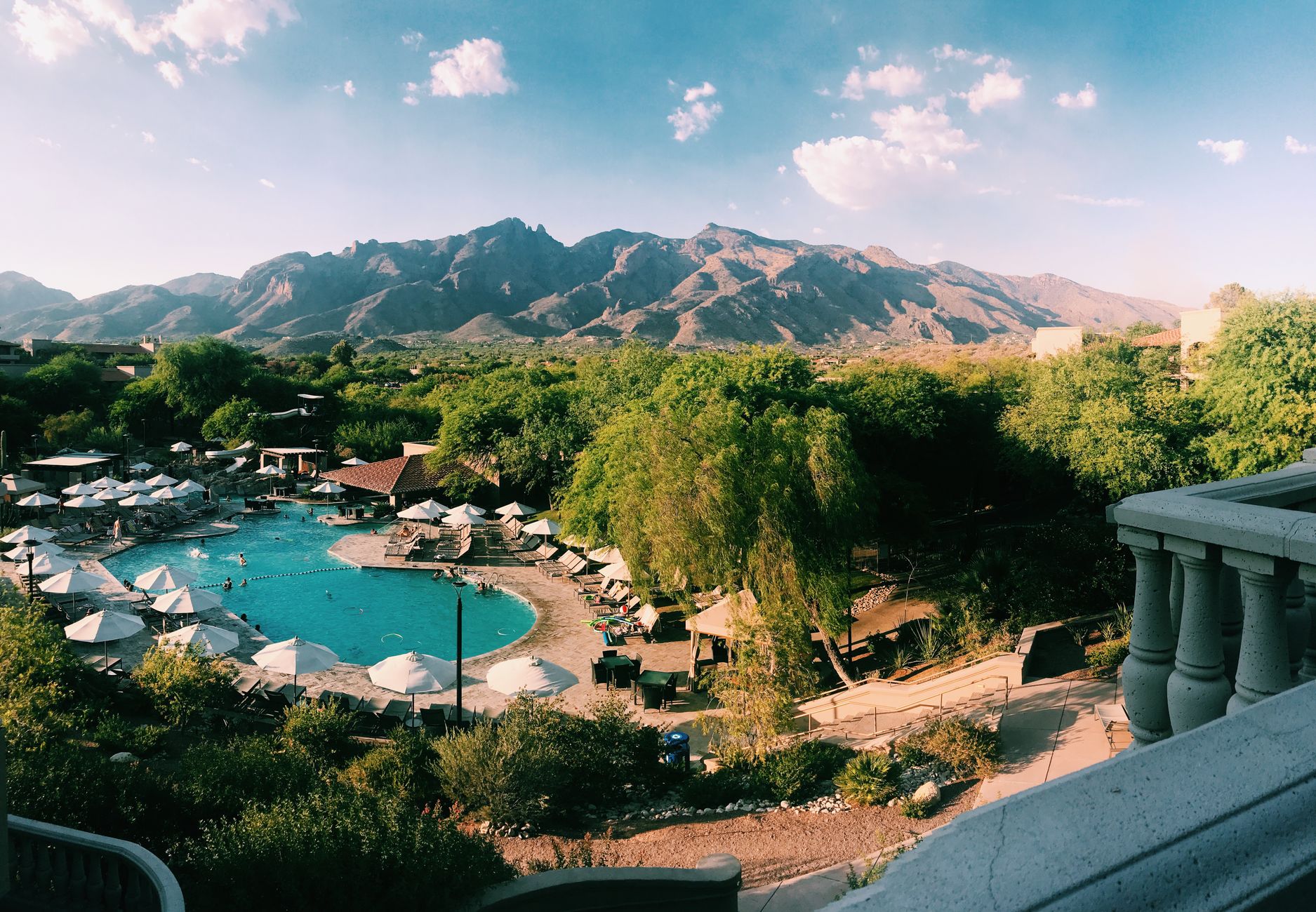
The area around Isalo, particularly near Ranohira, offers a surprisingly good range of accommodation given its remote location — from simple guesthouses to genuinely comfortable lodges and a few upscale options that make the most of the dramatic setting, some with pools overlooking the massif. Basing yourself near the park entrance maximizes hiking time and lets you catch the sunset at the Window. Compare current Madagascar accommodation on Agoda to find your fit; the better Isalo lodges book out in peak dry-season months, so early booking is wise.
Isalo in a Broader Madagascar Trip
Isalo is rarely visited alone — it is a key stop on the classic RN7 circuit, which links it with Ranomafana’s rainforest, the Anja community reserve, and Fianarantsoa’s Betsileo culture to the north, and continues toward Toliara and the southwest coast to the south. A typical RN7 journey combines rainforest wildlife, community reserves, dramatic Isalo landscapes, and often a beach finale on the southwest coast. This makes Isalo a natural centerpiece of a southern Madagascar trip, and its landscape provides a spectacular contrast to the rainforest parks that precede it. For the full circuit context, see the national parks pillar, and pair Isalo with the southwest’s reef-sheltered beaches via our coastal escapes guide.
Beyond the Park: Ranohira and the Surroundings
The gateway town of Ranohira, on the RN7 at the edge of the park, is the base for Isalo visits — a small, friendly town with lodges, restaurants, and the park office where guides are arranged. While modest, it has the services travelers need and a relaxed southern atmosphere. Nearby, the landscape of the deep south unfolds: the dry plains, the Bara cattle country, and, a short distance along the RN7, the sapphire-mining town of Ilakaka — a frontier boomtown that sprang up around one of the world’s significant sapphire deposits, offering a fascinating, if rough-edged, glimpse into Madagascar’s gemstone trade.
The drive to and from Isalo along the RN7 passes through varied southern landscapes, and many travelers break the journey with these stops, adding texture to the park visit. The contrast between the dramatic massif, the arid plains, the Bara herding culture, and the sapphire rush gives the Isalo region a character beyond the park itself. For those with time, exploring a little of the surroundings — a visit to a Bara village, a stop in Ilakaka, or simply enjoying the southern light over the plains — enriches the experience and connects the park to the wider life of southern Madagascar.
The Best Time of Day at Isalo
Timing your day well transforms an Isalo visit. Early morning is the prime time for hiking — cooler temperatures, active wildlife (lemurs feeding and moving), and the soft morning light on the sandstone. Starting at or before dawn lets you complete the main hikes before the midday heat. Midday is best spent at a natural pool, swimming and resting in a shaded canyon while the sun is fiercest. Late afternoon brings cooler temperatures again and the golden light photographers prize, building toward the day’s finale. Sunset at the Window of Isalo is the unmissable close — arrive in good time to secure a spot and watch the sky and sandstone ignite. Planning your day around this rhythm — hike early, swim at midday, sunset at the Window — makes the most of Isalo’s light, heat, and wildlife, and is exactly the kind of local knowledge a good guide provides.
Combining Isalo with the Southwest Coast
One of the most rewarding extensions from Isalo is to continue south on the RN7 to Toliara and the southwest coast, pairing the park’s dramatic landscapes with the reef-sheltered beaches of Ifaty and Anakao. This combination — canyons and lemurs followed by snorkeling and beach relaxation — makes for a superb southern Madagascar trip, and the relatively short drive from Isalo to the coast makes it logistically straightforward. After days of hiking the massif, the calm lagoons and seafood of the southwest are a perfect reward. Our coastal escapes guide details the southwest beaches, and combining them with Isalo creates the classic landscape-and-beach finale to an RN7 journey. This pairing captures two very different faces of Madagascar — the dramatic interior and the gentle coast — in a single, well-flowing itinerary.
Practical Tips for Visiting Isalo
Start hikes early: The midday sun is intense; early starts mean cooler hiking and better wildlife activity.
Bring swimming gear: The natural pools are a highlight — pack swimwear and a quick-dry towel for the canyon swims.
Wear proper footwear: The terrain is rocky and uneven; sturdy hiking shoes are essential.
Carry water and sun protection: The dry environment demands plenty of water, a hat, and sunscreen.
Hire a good guide: Guides are mandatory and valuable, finding lemurs, navigating the trails, and interpreting the landscape and flora.
Catch the sunset: Don’t miss the Window of Isalo at sunset — an easy, unmissable highlight.
What to Pack for Isalo
The right gear makes an Isalo visit far more comfortable. Sturdy hiking shoes or boots are essential — the terrain is rocky, uneven, and sometimes steep, and proper footwear protects your feet and ankles. Sun protection is critical in the dry, exposed environment: a wide-brimmed hat, high-SPF sunscreen, and sunglasses are must-haves. Plenty of water — the heat and dryness demand more than you expect, so carry a refillable bottle and drink regularly.
Swimwear and a quick-dry towel are needed for the natural pools, a highlight you won’t want to miss. Lightweight, breathable clothing suits the daytime heat, but bring a layer for cool evenings, especially in the dry-season winter months when nights can be genuinely cold. A small daypack carries water, snacks, sun protection, and your swim gear. Insect repellent is useful, particularly around the canyon water sources. And a camera — the landscapes, light, and lemurs make Isalo one of Madagascar’s most photogenic parks.
For multi-day treks, additional gear is needed (sleeping bag, camping equipment), usually arranged through your operator. For day visits, the essentials above keep you comfortable through a full day of hiking, swimming, and sunset-watching. Packing well for the heat, sun, rocky terrain, and the all-important natural-pool swim is the key to enjoying Isalo to the fullest.
The Wildlife Up Close
While Isalo’s landscapes lead, the wildlife encounters are genuinely rewarding and worth slowing down for. The ring-tailed lemurs are the stars — troops move through the canyon vegetation and bask on the rocks, often allowing close, relaxed observation as they go about their day. Watching a troop with youngsters clinging to their mothers, or a group sunbathing with their distinctive striped tails curled, is a quintessential Madagascar moment. The Verreaux’s sifakas, brilliant white with dark faces, are equally captivating, especially when they cross open ground in their famous sideways “dance.”
Beyond the lemurs, the park rewards attentive observation: endemic birds like the Benson’s rock thrush (found only in the Isalo region), reptiles basking on the warm rocks, and the remarkable flora — the swollen-trunked Pachypodium clinging to cliffs, the pandanus and palms of the canyon oases, and aloes flowering against the sandstone. A good guide turns a scenic hike into a wildlife experience, pointing out the species you’d otherwise walk past and explaining the ecology of this dry, dramatic environment. The combination of charismatic lemurs, endemic birds, unique plants, and spectacular landscape is what makes Isalo so much more than a hiking destination — it is a complete Madagascar experience in miniature.
Carla / Voyagiste Madagascar (Isalo & RN7 coordination)
Madagascar-resident specialist for Isalo and RN7 circuit travel. Contact Carla directly to coordinate an Isalo visit — the right hikes, natural pools, sunset timing, and accommodation — within a smooth RN7 park circuit combining rainforest, landscapes, and the southern coast.
Why Isalo Belongs on Every Madagascar Itinerary
Among Madagascar’s many parks, Isalo earns its place on almost every southern itinerary for a simple reason: it offers something none of the rainforest parks can — sweeping, dramatic landscape combined with accessible wildlife, hiking, and swimming. For travelers working their way down the RN7, Isalo provides a spectacular change of scene after the green intensity of Ranomafana and the highlands, a sun-drenched expanse of canyons and rock that feels like a different world entirely.
It is also one of the most versatile parks. Casual visitors can enjoy a gentle walk to a natural pool and the easy magic of the sunset; serious hikers can trek for days through remote canyons; families can swim and spot lemurs; photographers can chase the light across the sandstone. Few parks accommodate such a range of travelers and ambitions, and few combine landscape, wildlife, culture, and adventure so completely. Whether you have a single day or several, Isalo rewards the time you give it.
For most travelers, Isalo becomes a highlight of their Madagascar trip — the place where the island’s dramatic beauty, its unique wildlife, and the simple pleasure of a canyon swim come together. Placed at the heart of the RN7 circuit and easily extended to the southwest coast, it anchors a southern Madagascar journey that combines the best of the island’s interior with the relaxation of the coast. It is, quite simply, one of the parks that defines the Madagascar experience — and for many travelers, the single image they carry home is a sunset glowing through the Window of Isalo.
Frequently Asked Questions
What makes Isalo special?
Isalo is Madagascar’s “Grand Canyon” — a dramatic landscape park of sandstone massifs, canyons, and natural pools, offering hiking, swimming, ring-tailed lemurs, and spectacular sunsets, a complete contrast to the rainforest parks.
What are the best things to do?
Day hikes to the natural pools, the Canyon des Makis and Canyon des Rats, multi-day treks for the adventurous, and watching sunset through the Window of Isalo.
When is the best time to visit?
The dry season (April–November), with the cooler months (May–September) offering the most comfortable hiking. The dry south makes Isalo relatively weather-reliable.
How do I get to Isalo?
By road on the RN7 (a day’s drive south of Antananarivo via Ranomafana and Fianarantsoa), or by flying to Toliara and driving north.
Is Isalo good for families?
Yes — the day hikes and natural pools suit active families, with shorter trail options and the appeal of swimming and lemur sightings.
Is travel insurance necessary?
Yes. Hiking and remote travel make comprehensive coverage essential.
🌴 Plan Your Isalo Visit With Carla
Isalo’s canyons, natural pools, and sunsets are a highlight of any southern Madagascar trip. Reach out to Carla, our Madagascar-resident specialist, to structure an Isalo visit with the right hikes and accommodation within a smooth RN7 circuit combining rainforest, dramatic landscapes, and the coast.
Plan Your Trip to Madagascar
- Read the full Madagascar Travel Guide
- Explore itineraries by style and duration
- Best Tours and Guided Experiences
Where to Stay