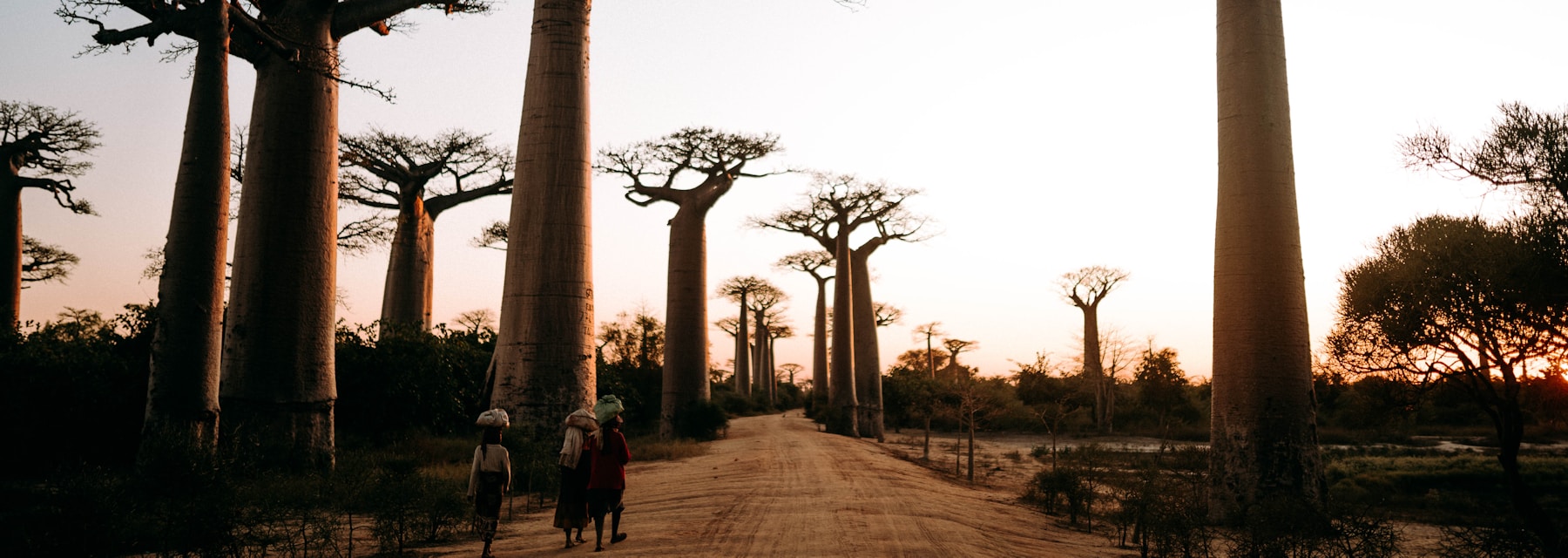
Madagascar Highlands Itinerary: Tana, Antsirabe, Fianarantsoa, Ranomafana
This post contains affiliate links. We may earn a small commission at no extra cost to you.
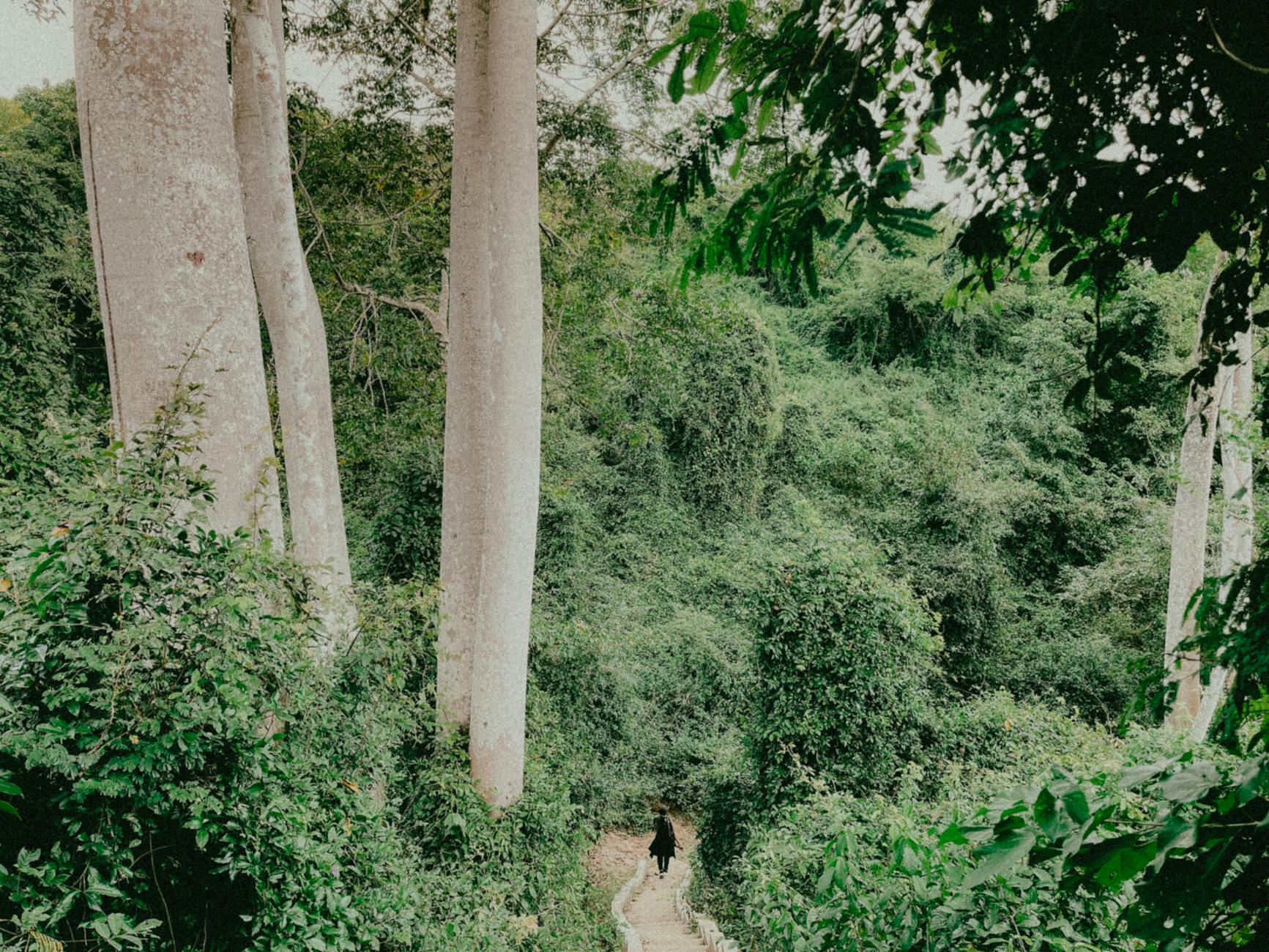
The Madagascar highlands are the country’s cultural and historical heartland — a cool, green plateau stretching south from Antananarivo through terracotta-brick villages, rice paddies flooded with mountain water and the colonial towns that the French built along the spine of the island. This is not a beach itinerary. It is a journey into Malagasy culture, highland architecture, wine and craft traditions, and the biodiversity of the eastern rainforest edge. The RN7 highlands circuit is perfect for travellers who want to understand Madagascar beyond its postcard wildlife images — and it is one of the easiest and most comfortable itineraries in the country.
Essential Travel Gear for Your Madagascar Trip
Madagascar’s Power Cuts Will Kill Your Phone — Here’s 4 Full Charges of Insurance
Délestage — Madagascar’s rolling blackouts — can last 8 to 14 hours a day. Your navigation app, offline maps, and boarding pass for tomorrow’s Tsaradia flight will all be dead. The Anker PowerCore 20,000mAh gives 4 full phone charges with fast USB-C delivery. Charge it during the hotel’s morning power window and you’re covered all day.
Check current price and availability on Amazon →
Madagascar Uses European Plugs Only — Your North American Charger Won’t Work Without This
Madagascar runs on Type C and E/F European plugs, 220V. North American plugs don’t fit. The TESSAN European adapter accepts North American plugs and adds 2 USB ports, so you can charge your phone and power bank simultaneously from a single outlet. Compact, grounded — one of those items that’s obvious in hindsight and impossible to find when you need it.
Check current price and availability on Amazon →
One Adapter for Every Country on Your Madagascar Journey — Including Stopovers in Paris or Réunion
Many travellers reach Madagascar via Paris CDG or Réunion — and face a different outlet at each stop. The GaN Universal Adapter covers all outlet types worldwide with USB-C PD fast charging — one device, 4 ports, every country. GaN technology runs cooler and charges faster than standard adapters.
Check current price and availability on Amazon →
Tsaradia Domestic Flights Have a 15kg Bag Limit — And They Enforce It at the Gate
Getting between Madagascar’s national parks requires domestic flights on Tsaradia — and the 15kg checked baggage limit is strictly enforced at even remote airstrips. The Etekcity Digital Luggage Scale gives an accurate reading in 2 seconds, handles up to 50kg, and fits in any pocket. Weigh your bag the night before every domestic flight. Under $15, sold directly by Amazon.
Check current price and availability on Amazon →
Stop Losing Cables and Adapters in Your Bag Across Madagascar’s 10-Stop Itinerary
A multi-park Madagascar itinerary means packing and unpacking 10 to 15 times. USB-C cables, adapters, SD cards, earphones — every one ends up tangled at the bottom of your bag and easy to leave at a remote guesthouse. The BAGSMART Tech Organizer gives every cable and adapter its own slot. Open flat, find what you need in 5 seconds.
Check current price and availability on Amazon →
Plan your Madagascar trip:
- Browse Madagascar tours and experiences (GetYourGuide)
- Get travel insurance for Madagascar (SafetyWing)
- World Nomads — covers adventure activities: trekking, diving, motorbikes. Compare both.
At a Glance: Madagascar Highlands Circuit
At a Glance
- Duration: 8–10 days
- Route: Antananarivo → Antsirabe → Fianarantsoa → Ranomafana → return
- Best months: April–November (road good year-round)
- Highlights: Terracotta villages, wine tasting, FCE mountain train, Indri and golden bamboo lemur
- Difficulty: Easy — sealed road, comfortable accommodation throughout
- Book highland tours: Browse highland Madagascar tours on GetYourGuide
This is the most culturally rich itinerary in Madagascar and the most accessible for first-time visitors uncomfortable with rough roads. Read our guide to Andasibe National Park to add wildlife to the opening leg.
Your Highlands Itinerary: Day by Day
Days 1–2: Antananarivo — Cultural Capital
Antananarivo is the highlands at its most concentrated: the Haute-Ville with its 18th-century fortified palaces, the Rova royal compound, the cathedral of Andohalo, the food and craft markets and the unique atmosphere of a Malagasy city built at altitude on a ridge. Day 1: Rova, Analakely market and a cooking lesson at a local family home. Day 2: visit Parc Tsimbazaza (lemur viewing, botanic garden), afternoon craft market for zebu leather, vanilla and handmade jewellery. Book an Antananarivo guided city tour here.
Days 3–4: Antsirabe — Thermal Town and Craft Hub
Drive south on the RN7 to Antsirabe (140km, 3 hours). Antsirabe is the thermal spring capital of the highlands, founded by Norwegian missionaries in 1866 and still operating the Grand Hotel thermal baths. Day 3: pousse-pousse ride through the symmetrical colonial streets, visit the geothermal springs, afternoon at the zebu cart workshop district. Day 4: day trip to Tritriva Crater Lake (dead volcanic crater, 2,050m altitude, no fish — local legends of drowned lovers). Return to Antsirabe for dinner at a local restaurant with highland specialities.
Days 5–6: Fianarantsoa — The Intellectual Capital
Drive south to Fianarantsoa (160km, 3 hours). Fianarantsoa is the cultural and educational capital of the south — the Haute-Ville (old town) is one of Madagascar’s most beautiful urban spaces, with stone churches, colonial administrative buildings and terracotta-tiled rooftops spilling down a hillside. Day 5: walking tour of the Haute-Ville (2 hours), visit the Lazan’i Betsileo wine cooperative (only functioning wine producer in Madagascar, tasting included). Day 6: FCE mountain railway (if schedule permits — the 163km line through dramatic gorge country to Manakara on the east coast). Buy artisanal raffia baskets and highland embroidery at the market.
Days 7–9: Ranomafana — Rainforest Edge
Drive east from Fianarantsoa to Ranomafana (60km, 1.5 hours). The descent from the plateau to the forest edge is dramatic — temperature drops, humidity rises and the vegetation transforms. Day 7: afternoon wildlife walk around the lodge gardens (chameleons, birds). Day 8: full-day guided trek in Ranomafana National Park — golden bamboo lemur, Milne-Edwards’ sifaka, red-fronted brown lemur, 115 bird species. Night walk by the thermal spring. Day 9: optional second wildlife trek or butterfly and frog survey walk, then return to Fianarantsoa for the drive back to Tana. See our guide on where to see lemurs in Madagascar for additional stops.
Day 10: Return to Tana and Departure
Drive north on the RN7 (6–7 hours Ranomafana to Tana) or fly from Fianarantsoa (if available on schedule). Evening in Antananarivo; international departure next morning. Compare hotel options for your Antananarivo stays on Agoda.
Read also:
Book activities in Madagascar:
Getting There: Flights and the RN7
The highlands itinerary starts and ends at Antananarivo (TNR) — international flights from Paris, Johannesburg, Nairobi and Dubai. The entire RN7 highlands section from Tana to Ranomafana is on sealed road and manageable in a rented car or with a private driver. If self-driving, use Carla to compare rental options with the right vehicle specifications. If any flight is disrupted, AirAdvisor helps claim compensation fast.
Also read: best time to visit Madagascar — the highlands are cool and dry April–November, the best travel window.
Accommodation in the Madagascar Highlands
The highlands have excellent accommodation at every price point. In Antananarivo: boutique hotels in the Haute-Ville (€50–€150/night). In Antsirabe: thermal spa hotels and colonial guesthouses (€20–€60/night). In Fianarantsoa: small family hotels and guesthouses (€15–€45/night). At Ranomafana: park-gate lodges with all-inclusive packages (€40–€90/night). All zones are covered on Agoda with real-time pricing and free cancellation.
Ready to book your Madagascar trip?
Frequently Asked Questions
Is the highlands route good for families?
Yes — it is one of the best Madagascar itineraries for families. No rough roads, cool and comfortable climate, wildlife experiences that are gentle and accessible for children, and culturally rich activities that work for all ages.
What is the FCE mountain train?
The Fianarantsoa–Côte Est (FCE) railway runs 163km from Fianarantsoa through dramatic highland gorges to Manakara on the east coast. Departures are Wednesday and Saturday from Fianarantsoa; the journey takes 9–12 hours. It is one of Madagascar’s most atmospheric travel experiences.
Can I taste wine in Madagascar?
Yes — at the Lazan’i Betsileo cooperative in Fianarantsoa. They produce red, rosé and white wine from highland grapes. Quality is modest by European standards but the experience and cultural context are unique. Tastings are included in the entry fee.
What is the altitude of the Madagascar highlands?
Antananarivo sits at 1,276m. Antsirabe is at 1,500m. The plateau between these cities ranges from 1,200–1,600m. Temperatures are cool year-round (18–25°C in dry season), requiring light layers, which surprises many visitors expecting tropical heat.
Is there Wi-Fi and connectivity in the highlands?
Good mobile connectivity (Telma and Orange) in Tana, Antsirabe and Fianarantsoa. At Ranomafana, connectivity is limited — prepare for an offline couple of days. Most lodges have WiFi in common areas.
The Madagascar highlands route is the island’s most underrated itinerary — easier than the coastal routes, cooler and more comfortable, and extraordinarily rich in culture, history and wildlife. The terracotta villages along the RN7, the cool mornings at Ranomafana and the extraordinary urban atmosphere of the Tana Haute-Ville form a trip that feels nothing like any other African destination. Secure travel insurance before you go: SafetyWing Nomad Insurance covers the full highlands circuit and is essential protection for any Madagascar journey.
Start planning your Madagascar adventure today
Browse Madagascar experiences on GetYourGuide
Affiliate link – commission earned at no extra cost to you.
Plan Your Trip to Madagascar
- Read the full Madagascar Travel Guide
- Explore itineraries by style and duration
- Best Tours and Guided Experiences
Where to Stay