Marojejy Trek: The Most Remote and Rewarding Hike in Madagascar
This post contains affiliate links. We may earn a small commission at no extra cost to you.
At a Glance
- Location: Marojejy National Park, northeast Madagascar (Andapa region)
- Trek duration: 3–5 days return (Camp 3 at 1,875m, summit option at 2,132m)
- Difficulty: Strenuous — rope-assisted sections above 1,400m
- Base town: Andapa (fly via Sambava from Antananarivo)
- Park entry: 65,000 MGA/day | Guide mandatory from 50,000 MGA/day
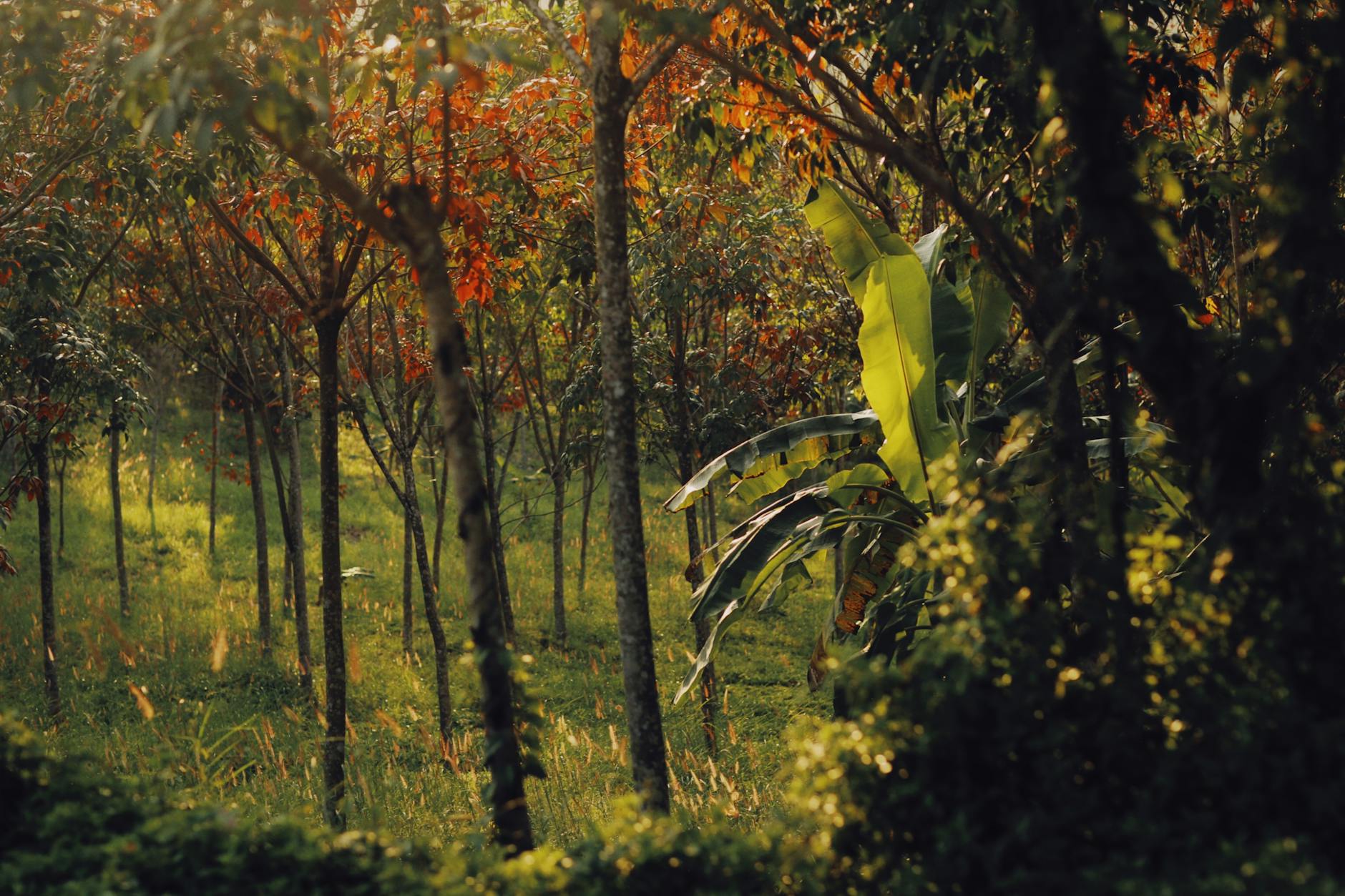
Marojejy is described by returning trekkers as the most rewarding wilderness experience in Madagascar — and also the hardest to reach. The park protects a continuous forest gradient from lowland rainforest at 100m to heath forest and rocky summit plateau above 2,000m, with species changing completely at each altitude band. Silky sifakas, one of the world’s rarest lemurs with a wild population estimated at under 2,000 individuals, inhabit the upper forest. The combination of genuine altitude, extraordinary biodiversity and full remoteness places Marojejy in a separate category from every other park in the country.
Essential Trekking Gear for Madagascar
Tsingy, Marojejy, Andringitra — Madagascar’s Hardest Treks Demand Proper Poles
The Tsingy needle-field requires scrambling over razor-sharp limestone. Marojejy’s Camp 3 gains 1,700 metres on muddy, root-tangled trail. Andringitra’s Pic Boby is a 4-hour vertical slog. Cascade Mountain Tech Carbon Fiber Poles are ultralight (under 500g per pair), quick-lock adjustable, sold directly by Amazon at a fraction of the cost of Black Diamond or Leki equivalents.
Check current price and availability on Amazon →
The Lightest Safe Water System on the Market — Built for Madagascar’s Remote Trek Circuits
Carrying a Grayl GeoPress on a 7-day wilderness circuit adds nearly 500 grams to your pack — every gram matters at 1,700 metres of elevation. But streams in Madagascar’s national parks are not safe to drink untreated. The Sawyer SP129 Squeeze weighs just 85 grams and filters 100,000 gallons down to 0.1 microns — removing 99.99999% of bacteria and protozoa. Sold directly by Amazon.
Check current price and availability on Amazon →
The Invisible Barrier That Keeps Malaria Mosquitoes Off Your Clothes
Your repellent only protects exposed skin — but in Madagascar’s humid evenings, mosquitoes bite through thin fabric. Sawyer Permethrin bonds to fabric fibres and kills mosquitoes on contact for up to 6 weeks and 6 washes. Treat your shirts, pants, socks, and tent before you fly — by the time you land in Antananarivo, the protection is already active.
Check current price and availability on Amazon →
Madagascar’s Rainforest Trails Are Infested With Leeches — These Keep Them Out of Your Boots
Andasibe-Mantadia, Ranomafana, Marojejy — Madagascar’s rainforest trails are where leeches thrive. They drop from leaves, emerge from wet soil, and find the gap between your sock and boot in minutes. You don’t feel them until you look down and see blood. Pike Trail Adjustable Leg Gaiters seal that gap physically, blocking leeches, mud, and water. Lightweight, waterproof, 3,600+ Amazon reviews.
Check current price and availability on Amazon →
Madagascar Goes Completely Dark After Sunset — Don’t Navigate It Blind
Outside of Antananarivo’s main streets, Madagascar has virtually no street lighting. Wildlife walks in Ankarana, night lemur spotting in Ranomafana, the path to your bungalow — all navigated in total darkness. The Black Diamond Spot 400-R delivers 400 lumens with a 100-metre beam, USB-C rechargeable, IPX8 waterproof, with red night-vision mode for wildlife observation without disturbing animals.
Check current price and availability on Amazon →
No Grid, No Problem — Charge Your Devices From the Sun in Madagascar’s Remote Parks
Marojejy. Andringitra. Tsingy de Bemaraha. Madagascar’s most spectacular parks are its most isolated — no power outlets, no phone signal. A 3-day wilderness circuit means running on whatever charge you left camp with. The BLAVOR Solar Power Bank pairs 10,000mAh with a fold-out solar panel that recharges itself from sunlight as you trek.
Check current price and availability on Amazon →
Plan your Madagascar trip:
The Three Trail Camps — Route, Elevation and Terrain
The Marojejy trek follows a single main route from the park entrance at Manantenina village, 65km from Andapa, up through three permanent camps to the summit ridge. Camp 1 (Mantella Camp) sits at 775m altitude — a 3-hour walk through lowland rainforest on a well-maintained trail. The camp is named for the Mantella poison frogs visible on the forest floor from the very start of the trail. Camp 2 (Marojejia Camp) at 1,250m requires 3 to 4 additional hours of increasingly steep forest. The trail between Camps 1 and 2 passes through the primary lemur zone where silky sifakas are most regularly sighted. Camp 3 (Simpona Camp) at 1,875m adds 3 more hours with rope-assisted sections on wet granite beginning above 1,400m. Conditions at Camp 3 are consistently cold, wet and windy — average overnight temperature between June and October is 8 to 12°C, dropping toward 0°C in wet weather. The summit at 2,132m adds 2 to 3 hours from Camp 3 and requires clear weather — visibility on the summit plateau can drop to zero within an hour without warning. Most trekkers spend two nights at Camp 2 or above to properly acclimatise and cover the silky sifaka zone on both the ascent and descent.
Wildlife on the Trek — from Frogs to Silky Sifaka
The silky sifaka (Propithecus candidus) is Marojejy’s flagship species and one of the rarest lemurs in the world. Their all-white pelage is unmistakable against dark forest — a group moving through mid-canopy is identifiable immediately. Park researchers estimate 1,000 to 2,000 individuals survive in the wild, with Marojejy holding one of the largest intact populations. Groups of 2 to 8 individuals are regularly encountered between Camps 1 and 2, and experienced guides can locate known groups reliably on the ascent. The red ruffed lemur is the second flagship species, found in lowland forest near Camp 1. The helmet vanga — a striking blue-billed bird — is sighted regularly on the lower trails. Marojejy holds more chameleon species per square kilometre than any other Madagascar park, with over 30 species recorded. The lowland leaf litter supports a spectacularly diverse frog fauna: more than 80 species have been documented in the park, including multiple species formally described after 2015. Above Camp 2, species shift completely — orange-eyed orchid frogs, rufous-headed ground-rollers and variable pittas replace the lowland assemblage in the cloud forest zone.
Read also:
Save money on your Madagascar trip:
Getting to Marojejy — Full Logistics Including Flights
Andapa is the gateway town for Marojejy, 65km from the park entrance at Manantenina. Reaching Andapa requires flying first to Sambava (served by Tsaradia from Antananarivo, approximately $130 one-way, 2 hours), then taking a shared taxi (90 minutes, 20,000 MGA) or private vehicle to Andapa. Tsaradia flights connect through Antananarivo — disruptions in the capital cascade into full-day delays at the trailhead. If your connection is disrupted on a European carrier, EU regulation EC 261 may entitle you to up to 600 EUR compensation. Check your AirAdvisor claim free in under 10 minutes. From Andapa, the remaining 65km to Manantenina takes 2 to 3 hours on piste. Most trekkers base at the Marojejy Hotel in Andapa the night before ($25/night) and stock food at the Andapa market — no resupply is possible once inside the park. Porters and a cook are mandatory and are arranged at the park gate or via the ANGAP office in Andapa. Budget $15 to $20 per day for a camp cook — strongly recommended as cooking at altitude after a hard day of climbing is genuinely difficult.
What to Pack for Marojejy — a Practical List
Marojejy’s altitude creates conditions that contradict the tropical Madagascar image entirely. Camp 3 in July feels closer to a Scottish mountain than an equatorial rainforest — bring a sleeping bag rated to 0°C, a fully waterproof shell jacket, and a thermal mid-layer. The lower camps are warm and humid, so pack for altitude transitions rather than for a fixed temperature. Essential gear beyond standard park kit: trekking poles (rope sections are guide-assisted but poles reduce fatigue on the descent significantly), a lightweight dry bag or waterproof covers for cameras and electronics, camp shoes for river crossings between the entrance and Camp 1, and enough food for the full duration as nothing is sold inside the park. Many trekkers hire a camp cook through the ANGAP office — this adds $15 to $20 per day but is strongly worthwhile. Stock high-calorie, lightweight items at the Andapa market: nuts, dried fruit, energy bars and instant noodles. For the summit attempt, start no later than 5am from Camp 3 — morning cloud cover typically clears between 6am and 8am, before building again by late morning.
Ready to book your Madagascar trip?
Frequently Asked Questions
Do I need mountaineering experience for the Marojejy trek?
No formal mountaineering experience is required, but the rope-assisted sections above 1,400m require comfort with exposure and wet rock. The trek is rated hard, not technical — experienced multi-day mountain trekkers are well-prepared for the conditions.
What is the best time of year to hike Marojejy?
May to October (dry season) offers the best trail conditions. July to September is coolest and driest but also busiest. November to April brings rain that makes upper sections extremely slippery and Camp 3 occasionally inaccessible.
Can I see silky sifakas on a day visit to Marojejy?
No. Silky sifakas are found between Camps 1 and 2, requiring at minimum an overnight stay. Most trekkers report their first sighting on the morning of day 2, during the ascent between the two camps.
Marojejy is the hardest park to reach in Madagascar and the one that comes closest to a genuinely unmatchable wilderness experience. The silky sifaka alone justifies the effort, but the forest itself — from the mantella-covered floor of the lower trail to the wind-scoured heath at Camp 3 — justifies three days of hard hiking on its own terms. Book a knowledgeable guide through the ANGAP office in Andapa, carry layers for cold conditions at altitude, bring enough food for the full stay, and give yourself at least three nights to do it properly.
Plan Your Trip to Madagascar
- Read the full Madagascar Travel Guide
- Explore itineraries by style and duration
- Explore the full destination guide
Where to Stay
Hotels, lodges, and tours fill fast for July–September — compare availability now.