Taxi-Brousse Safety Guide: What to Know Before Your First Long Trip
This post contains affiliate links. We may earn a small commission at no extra cost to you.
Health & Safety Essentials for Madagascar
Madagascar Has Some of the Highest Malaria Risk in the World
The rainforests of Andasibe, the wetlands of Morondava, the rice paddies outside every village — mosquitoes are relentless and bite at dusk and dawn. DEET burns skin and destroys gear. Natrapel 20% Picaridin is the CDC-recommended alternative that repels mosquitoes, ticks, and sandflies for up to 12 hours without damaging your equipment.
Check current price and availability on Amazon →
Madagascar’s Water Will Make You Sick — Unless You’re Carrying This
Tap water in Madagascar is not safe to drink anywhere — and the real danger is viruses (cholera, typhoid, hepatitis A) that standard filters don’t remove. The Grayl GeoPress removes viruses, bacteria, protozoa, and heavy metals in one 8-second press. Fill from any tap or river. Press. Drink. No chemicals, no waiting.
Check current price and availability on Amazon →
A Lighter Way to Never Pay for Bottled Water Again in Madagascar
Trekking through Isalo, cycling the RN7 — bottled water is bulky, expensive, and gone in an hour under Madagascar’s sun. The LifeStraw Go filters bacteria, parasites, and microplastics directly through the straw as you drink. No pumping, no waiting, no chemicals. Under $35 — the lightest way to guarantee safe hydration across Madagascar.
Check current price and availability on Amazon →
At a Glance
- What it is: Shared minibus or bush taxi — the backbone of Madagascar’s overland network
- Ticket prices: 15,000–80,000 MGA ($3–18 USD) depending on route length
- Journey times: 6–18 hours for inter-city routes; 1–3 hours for local hops
- Departure: Gare routière (bus station) — arrive by 5:30–6:00 AM for long-distance routes
- Best seat: Front passenger seat — worth the 1.5x premium on mountain roads
- Travel insurance: SafetyWing covers accidents from $1.82/day — get it before you board
Taxi-brousses are the engine of Madagascar’s overland transport network — overcrowded, unpredictable, and genuinely effective once you understand the system. Used by locals and budget travelers alike, they connect every city and village on the island at prices far below domestic flights or private drivers. Knowing how they work before your first long ride will save you hours of frustration and keep you safe on some of the island’s most demanding roads.
Plan your Madagascar trip:
How the Taxi-Brousse System Works
Unlike bus services with fixed timetables, taxi-brousses operate on a single rule: they leave when full. Vehicles range from aging Renault minivans and Toyota HiAces to Peugeot 504 pick-up trucks on remote rural routes. Each serves a fixed corridor, and tickets are sold at the gare routière found in every Malagasy city and town.
Prices are posted on a board at the ticket window or quoted verbally. Antananarivo to Toamasina (Tamatave) typically runs 20,000–30,000 MGA; the capital to Morondava costs 55,000–75,000 MGA; Fianarantsoa to Fort Dauphin, a grinding all-day ride, can reach 85,000 MGA. Luggage on the roof rack draws an extra 2,000–5,000 MGA per bag. Shared taxis between smaller towns cost 3,000–10,000 MGA for a seat.
For full route maps and operator listings, read the complete taxi-brousse transport guide covering every major corridor across the island.
Choosing Your Seat and Timing Your Departure
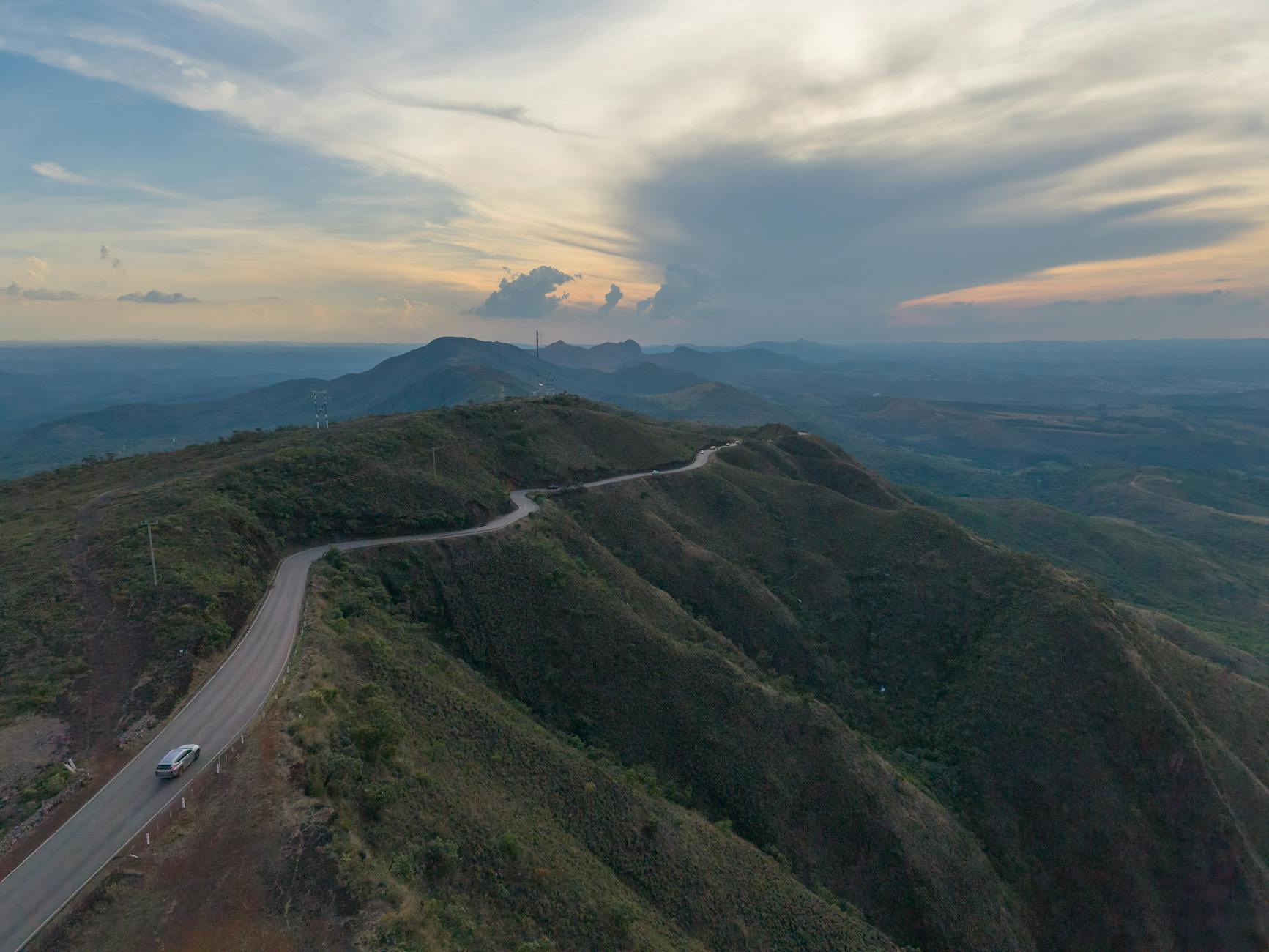
The single most impactful safety choice on a taxi-brousse is your seat position. The front passenger seat offers superior road visibility, dramatically more legroom, and significantly better crash survivability than the middle benches where passengers sit three across. Operators charge a premium — typically 1.5 to 2 times the standard fare — but it is worth every ariary on mountain switchback routes.
Arrive at the gare routière by 5:30 AM for long-distance departures. Vehicles for routes such as Tana–Morondava or Tana–Diego Suarez typically fill and depart between 6:00 and 7:30 AM. Arriving at 9:00 AM on a popular route often means a rear bench seat and waiting until the vehicle refills.
On city-pair routes (Antananarivo–Tamatave, Antananarivo–Fianarantsoa), some operators now accept next-day phone reservations. Confirm departure times the evening before on routes that are less familiar to you.
Read also:
Save money on your Madagascar trip:
What to Pack and How to Protect Your Luggage
Long taxi-brousse journeys demand practical preparation. Bring at least two litres of water — stops are infrequent and roadside vendors charge inflated prices. Pack dry snacks: biscuits, fruit, and nuts carry you through the mid-journey hours when sinuous highland roads and diesel fumes make eating a variable proposition.
Secure your roof rack luggage with a small combination padlock. Bags are typically covered with a tarpaulin, but opportunistic theft at scheduled stops is documented on high-traffic routes. Keep your daypack, phone, passport, and cash between your feet or on your lap at all times — never in overhead netting where you cannot monitor them during station pauses.
A light jacket is non-negotiable for the RN7 central plateau routes: temperatures at 1,400–1,500 metres drop sharply after dusk. Motion sickness tablets are equally important — highland roads are relentlessly sinuous, and the combination of altitude changes and diesel fumes catches travelers off guard.
If Something Goes Wrong: Breakdowns and Emergencies
Breakdowns are routine — they are part of the experience. The driver’s assistant (the malaso) will attempt roadside repairs; waits of 30 minutes to 3 hours are normal. Keep a local SIM card active so you can reach accommodation or a tour operator for backup advice. For security incidents, contact the Gendarmerie Nationale (dial 17 outside Antananarivo).
For medical emergencies, SAMU is reachable at 15. Response times outside Antananarivo are unreliable, and the nearest hospital may be hours away. Medical evacuation from rural Madagascar costs between $30,000 and $80,000 USD. That bill lands on you unless you are covered. SafetyWing Nomad Insurance covers emergency evacuation from $1.82/day and is designed specifically for overland and long-term travelers.
For the full risk picture across Madagascar, read our complete Madagascar travel safety guide for 2026.
Ready to book your Madagascar trip?
Frequently Asked Questions
Are taxi-brousses safe in Madagascar?
Taxi-brousses are the standard transport used by millions of locals and are generally safe. Accidents do occur on highland switchback routes. Choosing the front passenger seat and traveling strictly during daylight significantly reduces risk.
How early should I arrive at the gare routière?
For long-distance routes, arrive by 5:30 AM. Most vehicles depart between 6:00 and 8:00 AM. On busy routes, arriving late means waiting for the next vehicle or accepting a rear seat.
Can I book a seat in advance?
On popular city-pair routes, some operators accept next-day phone reservations. On most routes you arrive early, pay at the counter, and wait for the vehicle to fill. There is no national booking platform.
What should I do with valuable luggage?
Keep passports, electronics, and cash in a bag between your feet or on your person at all times. Padlock roof-rack luggage. Never leave valuables in overhead netting during station stops.
Taxi-brousses are not luxury transport — they are a raw, authentic, and genuinely useful way to cross Madagascar without spending a fortune. With an early start, a front seat, a padlocked bag, and two litres of water, most long-distance rides pass without incident. If you prefer a more flexible alternative, compare 4WD self-drive options on Carla — you set your own schedule and make stops wherever you want. For a full overview of overland transport options, explore our complete guide to public transport in Madagascar.
Medical evacuation from remote Madagascar costs $30,000–$80,000. The taxi-brousse network crosses some of the island’s most isolated terrain. Get covered with SafetyWing before your first long-distance ride — plans from $1.82/day include emergency evacuation coverage across the entire island.
Flight delayed or cancelled? Flights to Madagascar often connect through Paris or Nairobi. EU regulation EC 261 may entitle you to up to €600 in compensation. Check your claim free on AirAdvisor →
Plan Your Trip to Madagascar
- Read the full Madagascar Travel Guide
- Explore itineraries by style and duration
- Where to See Lemurs in Madagascar
Where to Stay