Things to Do in Mahajanga 2026: Beaches, Cirque Rouge, Baobabs & Wildlife
Affiliate disclosure: This article contains sponsored links to hotels, tour operators, insurance providers, and other travel services. We earn a small commission if you book through our links, at no extra cost to you.
Things to Do in Mahajanga 2026 — At a Glance
- In town: the beaches, the sunset corniche, the giant sacred baobab, markets and the old port
- Day trips: Cirque Rouge red-rock canyons, the Anjohibe caves, and Ankarafantsika National Park for lemurs and birds
- Best for: mixing beach time with real wildlife and culture, affordably
- Book tours & day trips: on GetYourGuide
- Arrange a car & driver: on Carla
- Plan it with a local: contact Carla
- Flight protection: EU261 up to €600 per passenger
- Travel insurance: SafetyWing Nomad Insurance
- Where to stay: Mahajanga stays on Agoda
🎒 Madagascar Trip Essentials
A few inexpensive items make the biggest difference on the ground in Madagascar:
- Picaridin insect repellent — DEET-free protection against malaria mosquitoes. See on Amazon →
- Permethrin clothing spray — treat clothes; kills mosquitoes on contact for weeks. See on Amazon →
- Pop-up mosquito net — budget lodges rarely provide one; packs down tiny. See on Amazon →
- Water filter bottle — tap water isn’t safe to drink in Madagascar. See on Amazon →
- Universal travel adapter (USB-C) — Madagascar uses European-style plugs. See on Amazon →
- 8×42 binoculars — essential for spotting lemurs and chameleons in the canopy. See on Amazon →
As an Amazon Associate we earn from qualifying purchases.
Mahajanga — most travellers still call it Majunga — is one of those places that quietly does more than its reputation suggests. It is first and foremost an easy northwest-coast base: a warm, low-key port city strung along the Mozambique Channel, where the day begins on a wide beach and ends on a long seaside corniche watching the sun drop into the water. But step a little further and the variety stacks up fast. Within a short drive you have the photogenic red-rock canyons of the Cirque Rouge, a colossal sacred baobab that locals have honoured for generations, a vast cave system at Anjohibe, and one of the country’s most rewarding dry-forest national parks at Ankarafantsika, full of lemurs and birds.
This is the activity guide to all of it — what to do in town, what to do on the coast, and which day trips are genuinely worth the early start. For the bigger picture on the city itself, where it sits and how to use it as a hub, read our complete Mahajanga guide. Here, we get straight into the doing.
Top Things to Do in Mahajanga
Mahajanga rewards a relaxed approach. You can fill three or four days without rushing, alternating beach mornings with afternoon excursions and slow, golden evenings on the corniche. Below are the highlights, roughly in the order most visitors discover them, with honest notes on what each is really like and how to do it well.
The beaches — Amborovy and around
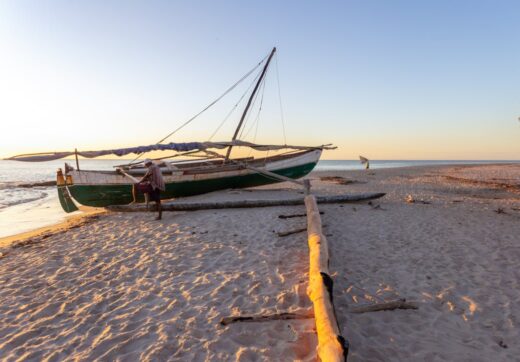
The beach most people mean when they talk about Mahajanga’s coast is Amborovy, a long, gently shelving stretch of sand a little north of the city centre, out near the airport. It is the city’s go-to swimming and weekend spot: shallow, warm water, a flat seabed that is forgiving for families, and a string of casual beach restaurants where grilled fish and a cold drink cost very little. It is not a desert-island fantasy — this is a working city beach, busiest on weekends when local families come down — but that is part of its charm. You get a real slice of Malagasy coastal life rather than a sanitised resort strip.
Come early or late for the best light and the calmest water, and treat the sun seriously: this coast is hot and the glare off the sand and sea is fierce. A few of the more comfortable hotels sit out near Amborovy, which is worth knowing if beach access matters to you — see the stay section below. The water is generally calm and good for swimming, though as anywhere you should ask locally about currents and the state of the tide before you go far out.
The corniche at sunset
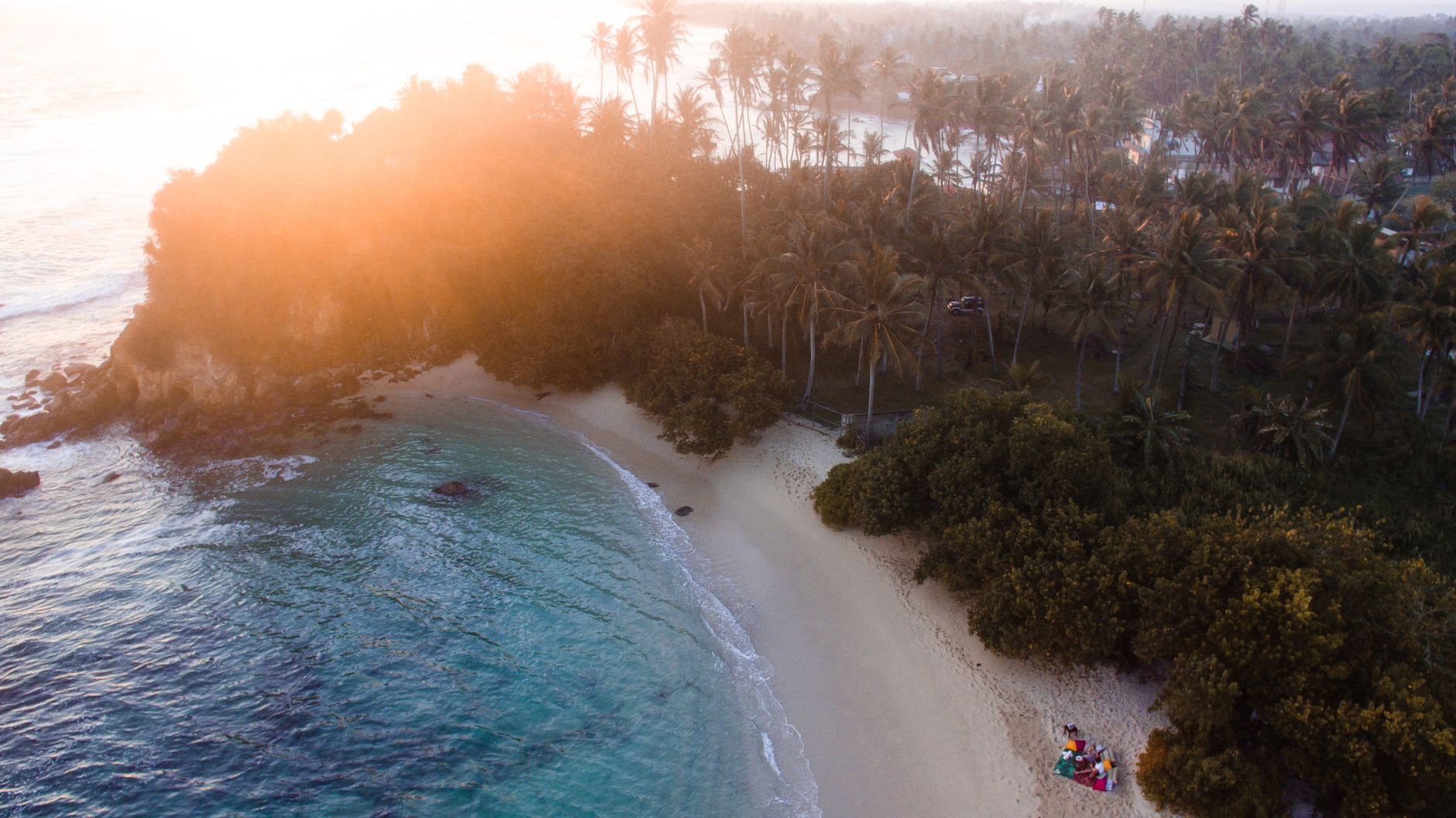
If Mahajanga has one signature ritual, it is the evening passeggiata along the corniche, the seafront boulevard that runs the length of the city’s western edge. As the heat eases, the whole town seems to drift down here: families, couples, kids on bikes, vendors selling brochettes and sticky-sweet snacks, all facing west to watch the sun sink into the Mozambique Channel. The sunsets here are genuinely excellent — the flat horizon and the haze over the channel turn the sky orange and pink most evenings.
It costs nothing and it is the single most enjoyable thing to do in town. Pick a bench or a roadside table, buy something grilled, and simply join in. It is also the best place to feel the easy, sociable rhythm of the city; nobody is in a hurry. This is the moment to slow down at the start or end of a busier sightseeing day.
The Cirque Rouge
A short drive from town — close enough to fold into a half-day — the Cirque Rouge is a natural amphitheatre of eroded sandstone where wind and rain have carved the soft rock into ridges, gullies and spires in bands of red, ochre, pink and white. It is small in scale but very photogenic, especially in the low, warm light of late afternoon when the colours deepen. A seasonal stream runs out through the formation toward the sea, and you can walk down into the bowl and around the base of the cliffs.
It is an easy outing rather than a strenuous one, which makes it a good pairing with a beach morning or a corniche evening. Go with a driver or a guided trip; the colours are at their best outside the midday flatness, so aim for the golden hour. You can book Madagascar tours and day trips on GetYourGuide, and a guide will also help you read the geology and the local stories attached to the site.
The giant sacred baobab
Just outside the city stands one of Mahajanga’s best-loved landmarks: an enormous baobab of extraordinary girth, so wide that visitors have long marvelled at the number of people it takes to encircle the trunk. It is a sacred tree — a site of local reverence and tradition — and it is treated with respect rather than as a climbing frame. Visiting is simple: it is a short stop, easily combined with the Cirque Rouge or a run out to Amborovy, and it makes a memorable photo.
Because it is a place of cultural and spiritual significance, follow your guide’s lead on what is and isn’t appropriate — there may be small observances or offerings associated with the tree. That respectful framing is part of what makes the visit feel meaningful rather than a tick-box stop. Baobabs are one of Madagascar’s signatures, and seeing a truly ancient one this close to a city is a rare treat.
Ankarafantsika National Park
For many travellers, Ankarafantsika is the reason Mahajanga punches above its weight. This is a large protected expanse of dry deciduous forest and savanna roughly a few hours’ drive southeast along the RN4 — the main road that links Mahajanga with the capital — which means you can reach it on a long day trip or, better, an overnight. It protects one of the best-preserved western dry forests in the country, and the wildlife is genuinely excellent.
Lemurs are the headline. The park is known for Coquerel’s sifaka — the striking white-and-chestnut “dancing” lemur — alongside brown lemurs and several nocturnal species you can find on a night walk, including mouse lemurs and the wide-eyed sportive lemurs. It is also one of Madagascar’s premier birding destinations, with a long list of endemics, and the forest hosts chameleons, geckos and other reptiles. At the heart of it lies a tranquil lake fringed by forest, a beautiful spot for a quiet boat or a dawn walk.
To do it justice, go with a park guide (required, and worth it for the wildlife-spotting alone), and consider staying over so you can do both a night walk and an early-morning forest circuit when the animals are most active. We cover the park in more depth in the day-trips section below; you can also see how it sits among the country’s reserves in our guide to the best Madagascar national parks and reserves.
The Anjohibe caves
Inland from Mahajanga lies the Anjohibe cave system, one of the most extensive in this part of Madagascar — a network of limestone galleries decorated with stalactites and stalagmites, with chambers large enough to feel genuinely cathedral-like. Some passages connect to natural pools, and the dry season is the time to visit; the track in can be impassable when the rains come.
This is a proper adventure outing rather than a quick stop. The road is rough and the trip takes the better part of a day, so it suits travellers who like their sightseeing with a sense of expedition. Go with a driver who knows the route and a local guide for the caves themselves — bring sturdy shoes, water and a torch, and be prepared for a bumpy ride. For those who make the effort, the scale and quiet of the caverns are the reward, and the surrounding bush often turns up wildlife along the way.
The port, the markets and the old town
Mahajanga’s character comes from its history as a trading port on the Indian Ocean rim, with centuries of Swahili, Comorian, Indian and Arab influence layered into its streets and faces. Spend a morning simply walking: the old port where dhows and fishing boats still come and go, the bustle of the markets, and the quieter back streets with their faded façades and shaded verandas. The markets are the place to feel the city’s commerce and colour — produce, spices, fabrics and the daily catch — and to pick up a few things to take to the beach.
It is unhurried, atmospheric and free, and it pairs naturally with a corniche evening. A guide can add a great deal here, unpacking the cultural mix and the port’s long story, but you can also simply wander. Dress modestly and ask before photographing people; the friendliness you’ll meet is part of what makes the city so likeable.
Boat trips and the bay
Mahajanga sits at the mouth of the Betsiboka, where the river meets the sea in a broad bay, and getting out on the water is one of the nicer ways to see the coast from a different angle. Depending on the season and what’s running, you may be able to arrange a boat outing along the coast, out toward quieter beaches, or simply a sunset cruise on the bay. It is a low-key pleasure rather than a headline excursion, but on a hot afternoon the breeze off the water is its own reward.
Arrange anything boat-related through a reputable operator or your hotel rather than an opportunistic offer on the beach, and check the weather and the state of the boat before committing. You can browse and book coastal and wildlife day trips on GetYourGuide to compare what’s available before you arrive.
Wildlife Day Trips from Mahajanga
Mahajanga’s secret weapon is that it gives you real Madagascar wildlife without a long expedition. The flagship is Ankarafantsika National Park, and it deserves a closer look because it is what turns a pleasant beach break into a genuine wildlife trip.
The drive out follows the RN4 southeast, a few hours through changing landscapes of savanna and dry forest. Many visitors do the park as a single very long day, leaving before dawn and returning after dark, but the far better option is to stay overnight near or in the park. That unlocks two of the best wildlife experiences Madagascar offers: a guided night walk, when nocturnal lemurs, chameleons and geckos emerge and your guide’s torch picks out the eyeshine in the trees, and an early-morning forest circuit when the diurnal lemurs are feeding and the birds are most vocal.
The star is Coquerel’s sifaka, which moves through the canopy in long leaps and crosses open ground in an upright, bounding “dance” that is one of the great sights of Malagasy wildlife. Add brown lemurs, several nocturnal lemur species, a long list of endemic birds, chameleons, geckos and the lake at the park’s heart, and you have a destination that stands comparison with far more famous parks. A knowledgeable guide makes all the difference here — they know where the sifaka groups range and which trails are productive.
If wildlife is your main reason for travelling, Ankarafantsika should anchor your Mahajanga days. It also slots neatly into a wider trip: the park sits on the route between the capital and the coast, so it pairs well with a broader Madagascar safari itinerary. To understand what you’re likely to see and how to identify it, our complete guide to the lemurs of Madagascar is the place to start, and the national parks and reserves guide shows how Ankarafantsika compares with the country’s other protected areas.
Activities by Interest
Different travellers come to Mahajanga for different things. Here’s how the city’s options break down by what you’re chasing.
Beach and relaxation
If you mainly want to unwind, Mahajanga delivers easily: warm, swimmable water at Amborovy, casual seafood lunches, and the nightly corniche ritual. Build your days loosely — a slow beach morning, a siesta through the worst of the heat, and an evening on the seafront. The pace here is gentle and the value is excellent.
Wildlife
For wildlife, Ankarafantsika is the priority, ideally as an overnight so you catch both a night walk and a dawn circuit. Closer to town, the sacred baobab and the bush around the Anjohibe caves and Cirque Rouge can turn up birds, chameleons and other small wildlife. Pair the park with a guide who specialises in spotting, and you’ll see far more than you would alone.
Culture
The city itself is the cultural draw: the port, the markets, the Swahili-and-Indian-influenced streets, and the easy social life of the corniche. The sacred baobab adds a spiritual dimension, and a good local guide turns a stroll into a real sense of the city’s layered history. This is low-effort, high-reward sightseeing.
Adventure
For something more active, the Anjohibe caves are the standout — a rough road, a long day and a genuine sense of exploration underground. The Cirque Rouge adds light hiking and scrambling among the rock formations, and boat trips on the bay round things out. None of it is extreme, but it gives an energetic traveller plenty to do beyond the beach.
How Many Days Do You Need?
Mahajanga works best as a relaxed three-to-four-day base. Two days is enough for the in-town highlights — beaches, corniche, market, the sacred baobab and the Cirque Rouge — but it would be a shame to come this far and skip Ankarafantsika, and doing the park properly means adding a night. So three to four days is the sweet spot: a couple of easy coastal days bookending an overnight wildlife trip, with the Anjohibe caves as an optional extra if you crave adventure and have the time.
If you’re slotting Mahajanga into a longer journey, it fits naturally at the end of an RN4 route from the capital, letting you wind down on the coast after wildlife and highland stops. For ideas on sequencing the whole country, see our Madagascar itinerary guide, which shows where a northwest-coast stop slots in.
Best Time for These Activities
Mahajanga is hot and tropical, and the calendar matters more for the day trips than for the beach. The dry season, broadly from around April or May into November, is the prime window: roads are passable, the Anjohibe caves are reachable, the forest at Ankarafantsika is easier to walk, and the skies over the corniche are reliably clear at sunset. This is comfortably the best time for the wildlife and adventure outings.
The wet season brings heat, humidity and rain, and the rough tracks to the caves and the park can become difficult or impassable; it also overlaps with the broader cyclone-risk months on the coast. The beaches and corniche remain enjoyable on dry days year-round, but if your trip hinges on Ankarafantsika and Anjohibe, plan for the dry months. For the full national picture, including regional differences, read our guide to the best time to visit Madagascar.
Getting Around to the Sights
In town, Mahajanga is walkable along the corniche and around the centre, and short taxi hops cover the rest. But almost everything on this list beyond the city — the Cirque Rouge, the sacred baobab, Amborovy, the Anjohibe caves and Ankarafantsika — is best reached with a car and driver. Distances are real, some tracks are rough, and a driver who knows the routes saves you time and uncertainty, especially for the cave road and the long RN4 run to the park.
The simplest approach is to arrange a car with a driver for your day trips, either through your hotel or in advance. You can arrange a car and driver through Carla, which takes the logistics off your plate. For the broader question of moving around the island — flights, the road network, taxi-brousse and private vehicles — our guide on how to get around Madagascar lays out the options.
Where to Stay for Easy Access
Where you base yourself shapes how easily you reach the sights. Staying in or near the city centre puts you on the corniche and close to the port and markets, which is ideal for the cultural side and the evening ritual. Staying out toward Amborovy puts the best swimming beach on your doorstep and shortens the run to the airport and the Cirque Rouge. Either works for day trips, since you’ll be using a car for the wildlife and adventure outings regardless.
For Ankarafantsika, the best wildlife experience comes from staying a night near or in the park rather than commuting both ways in a single day. In the city, compare options and prices for your dates — browse Mahajanga stays on Agoda to find something that matches your priorities, whether that’s a beachfront base or a central spot for the corniche. For a deeper look at the options, see our guide to the best Mahajanga hotels.
What These Activities Cost
One of Mahajanga’s real strengths is value. The two best things to do — the beaches and the corniche — cost nothing, and casual seafood meals are inexpensive. The day trips carry the cost, mostly in the car and driver, the guide and the park fees. The Cirque Rouge and the sacred baobab are cheap half-day outings; Ankarafantsika adds park entry, a guide and, ideally, a night’s accommodation; the Anjohibe caves are the most demanding in time and vehicle wear, so they tend to cost more per outing.
The single biggest variable is whether you share a vehicle. The car and driver is a largely fixed cost regardless of how many people ride along, so splitting a day trip across a couple or a small group brings the per-person cost down sharply. For a full breakdown of what a Mahajanga trip adds up to — accommodation, transport, day trips and food — see our companion guide to Mahajanga trip costs. We don’t quote fixed prices here because guide, fuel and park fees move over time and with the season.
Practical Tips
A few things make the difference between a comfortable Mahajanga trip and a hot, tiring one:
- Respect the heat. This is one of Madagascar’s hottest cities. Do your sightseeing early and late, rest through the midday peak, and never underestimate the sun off the sand and sea.
- Hydrate constantly. Carry more water than you think you need, especially for the caves, the park and the Cirque Rouge, where shade can be scarce.
- Use guides where they add value. The national park requires one, the caves need one for safety and navigation, and a guide deepens the Cirque Rouge, the sacred baobab and the old town immeasurably.
- Plan the day trips around the dry season. The cave and park roads can be difficult or impassable in the rains.
- Carry small cash. Markets, beach restaurants, guides and fees are smoother with local cash in small denominations.
- Dress modestly in town and at the sacred sites, and ask before photographing people — it is courteous and usually welcomed.
Getting There and Travelling Well
Mahajanga has its own airport and is most easily reached by a domestic flight from the capital, which saves a long road journey; some travellers also arrive overland on the RN4. Whichever way you come, build a little slack into your plans, because domestic schedules in Madagascar can shift.
If you’re flying into Madagascar on a European-routed international flight, that journey can be covered by EU261 air-passenger rights, which provide compensation of up to €600 per passenger for long delays and cancellations on qualifying flights — note this applies to the international leg, not to domestic Madagascar hops. It’s worth knowing your rights before you travel: check your EU261 flight compensation, up to €600 per passenger.
For everything on the ground — heat-related illness, a tumble on the cave road, a problem on a long day trip, or a wildlife outing that goes sideways — proper travel insurance is non-negotiable for a trip like this. We recommend SafetyWing Nomad Insurance, which is straightforward to arrange and built for exactly this kind of independent, multi-stop travel. Given the remoteness of Ankarafantsika and the Anjohibe caves, having SafetyWing cover in place before you leave home gives real peace of mind. It’s the kind of thing you hope never to use, but you’ll be very glad it’s there if you do.
Plan Your Mahajanga Days with Carla
Sequencing beach time, the Cirque Rouge, the sacred baobab and an overnight at Ankarafantsika into an easy, well-paced trip is exactly the sort of thing a Madagascar-resident specialist does best — getting the timing right, the driving sensible and the wildlife days set up for success. Rather than piecing it together blind, reach out to Carla to build a Mahajanga plan around what you most want to see, and she can also arrange the car and driver you’ll need for the day trips.
Frequently Asked Questions
What is the number one thing to do in Mahajanga?
For most travellers it’s a tie between the free pleasures — swimming at Amborovy beach and the nightly sunset on the corniche — and the wildlife of Ankarafantsika National Park. If you only do one excursion, make it Ankarafantsika, ideally as an overnight so you catch a night walk and a dawn forest circuit. In town, the corniche at sunset is unmissable and costs nothing.
Can you see lemurs near Mahajanga?
Yes. Ankarafantsika National Park, a few hours’ drive southeast on the RN4, is the place. It’s known for Coquerel’s sifaka — the white-and-chestnut “dancing” lemur — along with brown lemurs and several nocturnal species visible on a guided night walk. It’s also superb for birds. A park guide is required and well worth it for the spotting. See our lemurs of Madagascar guide for what to look for.
Is the Cirque Rouge worth visiting?
Yes, particularly in late-afternoon light when the eroded red, ochre and pink sandstone glows. It’s a short, easy outing close to town, perfect to pair with a beach morning or the sacred baobab. Go with a driver or a guided trip and aim for the golden hour rather than the flat midday sun.
How many days should I spend in Mahajanga?
Three to four days is ideal: a couple of easy coastal days for the beaches, corniche, market and Cirque Rouge, plus an overnight wildlife trip to Ankarafantsika. Add a day if you want to tackle the Anjohibe caves, which is a long, rough-road adventure. Two days covers only the in-town highlights.
When is the best time for Mahajanga’s day trips?
The dry season, broadly April or May to November. That’s when the rough tracks to the Anjohibe caves and Ankarafantsika are passable, the forest is easier to walk, and the corniche sunsets are reliably clear. The beaches are enjoyable on dry days year-round, but the wildlife and cave outings really need the dry months — see our best time to visit Madagascar guide.
🗺️ Build a Mahajanga Itinerary — Ask Carla
Get the beaches, Cirque Rouge and Ankarafantsika wildlife sequenced into an easy trip by a Madagascar-resident specialist. Reach out to Carla.
Plan Your Trip to Madagascar
- Read the full Madagascar Travel Guide
- Explore itineraries by style and duration
- Best Tours and Guided Experiences
Where to Stay