Vin de Madagascar contre vin sud-africain : une comparaison honnête en 2026
Divulgation d’affiliation : Cet article contient des liens sponsorisés vers des hôtels, voyagistes, assureurs et autres services de voyage. Nous percevons une petite commission si vous réservez via nos liens, sans coût supplémentaire pour vous.
En bref — Vin de Madagascar contre vin sud-africain
L’Afrique du Sud est une grande puissance viticole mondiale, forte de plusieurs siècles de viticulture, d’un système d’appellation formel (Wine of Origin) et de domaines de Vitis vinifera de classe mondiale à Stellenbosch, Paarl et Constantia. Madagascar produit un volume minuscule, presque entièrement destiné au marché intérieur, à partir de cépages hybrides franco-américains résistants aux maladies, cultivés dans les hautes terres betsileo autour de Fianarantsoa. Verdict honnête : les deux ne jouent pas dans la même catégorie, mais le vin malgache reste une étape culturelle authentiquement charmante et bon marché lors d’un voyage sur la RN7.
- Réserver des hôtels au pays du vin malgache : Vérifiez les disponibilités à Fianarantsoa sur Agoda — chambres limitées, réservez à l’avance en saison sèche (mai à octobre).
- Réserver des hôtels au pays du vin sud-africain : Vérifiez les disponibilités à Stellenbosch sur Agoda et au Cap sur Agoda.
- Réserver des excursions œnologiques : Parcourez les circuits des hautes terres et du vin de Madagascar sur GetYourGuide.
- Assurance voyage : Assurez-vous à partir d’environ — SafetyWing.
🎒 L’essentiel pour Madagascar
Quelques articles bon marché changent tout sur le terrain à Madagascar :
- Répulsif à la picaridine — sans DEET, contre les moustiques du paludisme. Voir sur Amazon →
- Spray perméthrine vêtements — tue les moustiques au contact pendant des semaines. Voir sur Amazon →
- Moustiquaire pop-up — rare en hébergement économique; se plie très petit. Voir sur Amazon →
- Gourde filtrante — l’eau du robinet n’est pas potable à Madagascar. Voir sur Amazon →
- Adaptateur universel (USB-C) — Madagascar utilise des prises de type européen. Voir sur Amazon →
- Jumelles 8×42 — indispensables pour repérer lémuriens et caméléons. Voir sur Amazon →
En tant que Partenaire Amazon, nous réalisons un bénéfice sur les achats éligibles.
Demandez à n’importe quel amateur de vin éclairé de nommer un vin africain et la réponse sera presque certainement sud-africaine : un cabernet de Stellenbosch, une syrah du Swartland, un vin doux crayeux de Constantia, ou le rouge emblématique du pays, le pinotage. Presque personne ne répond « Madagascar ». Pourtant, l’île Rouge cultive bel et bien la vigne et met en bouteille du vin, haut dans les hautes terres betsileo près de Fianarantsoa, et les voyageurs empruntant la RN7 vers le sud se demandent de plus en plus s’il vaut la peine d’y goûter.
Voici une comparaison honnête et technique. Nous opposerons les deux pays sur le terroir et le climat, le matériel végétal en place, l’échelle et la maturité de l’industrie, les styles de vin et la qualité œnologique, l’expérience de visite, ainsi que le coût et la logistique pour s’y rendre réellement. La conclusion ne surprendra personne qui connaît le vin — mais le parcours de la comparaison explique pourquoi l’écart est si grand, et pourquoi le vin malgache mérite tout de même un verre.
La réponse courte : deux catégories différentes
Soyons francs d’emblée, car l’honnêteté est tout l’objet de cet article. Le vin sud-africain est de classe mondiale. Il rivalise au plus haut niveau international, remporte des récompenses majeures et exporte des centaines de millions de litres par an. Le vin de Madagascar est une curiosité culturelle — une production modeste, rustique, en grande partie demi-douce, élaborée dans des conditions tropicales difficiles, bue presque exclusivement à l’intérieur du pays et rarement rencontrée hors des hautes terres.
Si votre question est « lequel fait le meilleur vin ? », la réponse est sans ambiguïté : l’Afrique du Sud, et de loin, selon tous les critères techniques. Mais si votre question est « le vin de Madagascar vaut-il la peine d’être goûté en voyage ? », la réponse est un oui chaleureux — car la valeur du verre malgache ne réside pas dans le liquide seul, mais dans la surprise, les paysages, le prix et l’histoire de la culture de la vigne là où presque personne n’imaginait qu’elle survivrait. Pour tout le contexte du côté malgache, consultez notre guide pilier sur le vin de Fianarantsoa, le pays du vin inattendu de Madagascar.
Terroir et climat : Cap méditerranéen contre hautes terres tropicales
Le terroir — la combinaison du climat, du sol, de la topographie et des pratiques humaines qui façonne un vin — est l’endroit où les deux pays divergent le plus fondamentalement, et il explique presque tout ce qui suit.
Afrique du Sud : un climat viticole de manuel
Le Western Cape se situe vers 33–34°S, en plein dans la bande de latitude qui produit la majeure partie des grands vins du monde. Ses régions phares — Stellenbosch, Paarl, Franschhoek, Constantia, le Swartland — jouissent d’un climat méditerranéen : étés chauds et secs, hivers frais et humides, la saison de croissance tombant dans les mois sans pluie. Cet été sec est décisif. Une faible humidité pendant la maturation signifie une faible pression fongique, si bien que la vigne peut mûrir sainement avec un minimum de maladies. L’influence maritime du courant froid de Benguela et le vent du « Cape Doctor » modèrent la chaleur, tandis que les versants montagneux offrent exposition, altitude et drainage. Les sols vont du granite décomposé autour de Stellenbosch aux célèbres schistes et grès altérés du Cap. C’est, en somme, un climat façonné par la nature pour les cépages nobles.
Madagascar : latitude tropicale sauvée par l’altitude
Les vignobles de Madagascar se situent près de 21°S — bien à l’intérieur des tropiques, une latitude où la sagesse conventionnelle veut que les cépages de qualité ne puissent prospérer. Ce qui rend la viticulture possible, c’est l’altitude. Les hautes terres betsileo autour de Fianarantsoa et d’Ambalavao se trouvent à environ 1 100–1 400 mètres, assez haut pour récupérer une partie des nuits fraîches et de l’amplitude thermique diurne dont la vigne a besoin pour conserver son acidité et développer une maturité équilibrée. Sans cette altitude, il n’y aurait pas d’industrie vinicole malgache.
Le problème décisif est l’humidité. La saison de croissance de Madagascar chevauche l’été austral chaud et humide. Pluie et humidité pendant la fenêtre critique de maturation créent une pression fongique implacable — mildiou (Plasmopara viticola), oïdium (Erysiphe necator), botrytis et anthracnose prospèrent précisément dans ces conditions. Là où le Cap mûrit sous un soleil sec, les hautes terres betsileo mûrissent sous la menace de la pourriture. Ce seul fait climatique dicte le matériel végétal décrit dans la section suivante, les styles de vin et, en définitive, le plafond de qualité. Pour en savoir plus sur la région elle-même, voyez notre guide de Fianarantsoa.
Matériel végétal et ampélographie : vinifera noble contre hybrides interspécifiques
C’est le cœur de la comparaison et le facteur qui sépare le plus nettement les deux pays. L’ampélographie — l’identification et l’étude des cépages — révèle que les deux ne travaillent même pas avec le même type de plante.
Afrique du Sud : du Vitis vinifera classique
L’Afrique du Sud cultive le noble Vitis vinifera — la même espèce européenne à l’origine de la quasi-totalité des grands vins du monde. Ses cépages emblématiques incluent le chenin blanc (connu localement sous le nom de Steen, dont l’Afrique du Sud possède plus de surfaces plantées que partout ailleurs sur terre), le cabernet sauvignon, la syrah/shiraz, le sauvignon blanc, le chardonnay, le cinsaut, et la signature du pays : le pinotage, un croisement de 1925 entre le pinot noir et le cinsaut créé à Stellenbosch. Comme ailleurs dans le monde, la vigne est généralement greffée sur des porte-greffes américains ou hybrides pour gérer le phylloxéra, tandis que le cépage fructifère au-dessus de la greffe est du vinifera pur. Le climat sec permet à ces cépages nobles, pourtant sensibles aux maladies, de mûrir sainement.
Madagascar : hybrides interspécifiques franco-américains
Madagascar ne peut pas faire mûrir de façon fiable du Vitis vinifera pur dans ses hautes terres humides — la pression fongique est tout simplement trop forte pour des cépages nobles à peau fine et sensibles aux maladies. L’industrie s’appuie donc plutôt sur des hybrides interspécifiques franco-américains : des croisements entre Vitis vinifera et des espèces américaines de Vitis résistantes (telles que V. labrusca, V. rupestris et d’autres). Ces hybrides ont été sélectionnés précisément pour leur résistance aux maladies fongiques et leur tolérance à l’humidité, ce qui leur permet de survivre à une saison de croissance tropicale d’altitude. Parmi les cépages signalés dans les hautes terres betsileo figurent des hybrides des lignées Couderc et Villard ainsi que des croisements résistants similaires.
Le compromis est bien compris par les œnologues du monde entier : les hybrides achètent la résistance aux maladies au prix de la finesse. Beaucoup portent une note aromatique « foxée » ou confite caractéristique — souvent liée au composé anthranilate de méthyle issu de la parenté américaine du Vitis — aux côtés d’une moindre complexité phénolique, d’une structure tannique plus souple et d’un profil aromatique que le marché international des grands vins ne valorise pas. C’est le choix agronomique rationnel, voire ingénieux, pour ces conditions — ils exigent moins de traitements fongicides, tolèrent l’humidité et mûrissent là où le vinifera pur pourrirait tout simplement — mais il impose un plafond strict au style et au prestige du vin obtenu. Ce n’est pas un échec des vignerons malgaches ; c’est la conséquence honnête de la culture de la vigne là où le climat vous combat à chaque étape. La même logique explique pourquoi les cépages hybrides dominent d’autres zones viticoles humides et marginales du monde, des régions du Midwest américain à l’Inde et au Brésil tropicaux.
Échelle et maturité de l’industrie : exportateur mondial contre curiosité domestique
Les deux industries sont séparées par des siècles et par des ordres de grandeur.
La viticulture sud-africaine remonte aux années 1650, lorsque les premières vignes furent plantées au Cap ; Constantia produisait un vin doux mondialement célèbre dès le XVIIIe siècle. Aujourd’hui, l’Afrique du Sud est l’un des plus grands producteurs de vin du monde et un exportateur important, avec un secteur professionnel mature couvrant viticulteurs, coopératives, négociants, grands producteurs de marques et domaines de boutique, ainsi que des institutions de recherche et d’enseignement. Surtout, elle dispose d’un cadre d’appellation formel — le système Wine of Origin (WO), introduit en 1973 — qui certifie l’origine géographique, le millésime et le cépage sur l’étiquette, à la manière des systèmes d’appellation européens. Cette maturité réglementaire soutient la confiance des consommateurs et la crédibilité à l’export.
L’industrie vinicole de Madagascar, en revanche, est petite, jeune par comparaison et essentiellement domestique. La production se concentre autour de Fianarantsoa et d’Ambalavao dans les hautes terres betsileo, élaborée par une poignée de producteurs et de coopératives. Parmi les étiquettes qu’un visiteur peut rencontrer figurent Lazan’i Betsileo, Clos Malaza, Côtes de Fianar et Soavita. Il n’existe pas de système d’appellation reconnu internationalement sur le modèle sud-africain, peu ou pas de présence à l’export, et le vin est consommé en très grande majorité à Madagascar. Il vaut mieux le comprendre comme un produit artisanal régional plutôt que comme une industrie d’exportation nationale. Notre article complémentaire comparant le vin de Madagascar au reste du monde viticole replace cet écart d’échelle dans un contexte plus large.
Tableau comparatif tête-à-tête
| Facteur | Afrique du Sud | Madagascar |
|---|---|---|
| Latitude / cadre | ~33–34°S, Western Cape méditerranéen | ~21°S tropical, sauvé par ~1 100–1 400 m d’altitude |
| Climat à la maturation | Été sec, faible pression fongique | Chaud et humide, forte pression fongique |
| Matériel végétal | Vitis vinifera noble (chenin, cabernet, syrah, pinotage) | Hybrides interspécifiques franco-américains |
| Vins emblématiques | Pinotage, chenin blanc, assemblages bordelais du Cap, MCC effervescent | Vin gris pâle, rouges légers, blancs demi-doux |
| Système d’appellation | Wine of Origin (WO), depuis 1973 | Aucun sur le modèle WO |
| Échelle et export | Grand producteur et exportateur mondial | Minuscule, essentiellement domestique |
| Expérience de visite | Domaines soignés, gastronomie | Coopératives rustiques, dégustations simples |
| Idéal pour | Œnotourisme sérieux et garde en cave | Une halte culturelle charmante et bon marché sur la RN7 |
Styles de vin et qualité œnologique
Le matériel végétal se retrouve directement dans le verre. L’Afrique du Sud élabore un spectre complet de vins sérieux : rouges structurés et aptes à la garde de style bordelais du Cap et syrah ; chenin blanc minéral et de longue garde, allant du sec et vif au riche fermenté en barrique ; sauvignon blanc aromatique ; effervescents de méthode traditionnelle appelés Méthode Cap Classique (MCC) ; et l’historique vin doux de Constantia. Ces vins affichent une réelle profondeur phénolique, une acidité équilibrée et une capacité de vieillissement — les marques d’une vinification de qualité sur des raisins de vinifera sains.
La gamme de Madagascar est plus étroite et plus douce, façonnée par les raisins hybrides et le climat chaud. Le style le plus caractéristique est un vin gris pâle — un rosé très clair pressé à partir de raisins rouges avec un contact minimal avec les peaux — aux côtés de rouges légers, souvent un peu rustiques, et de blancs fréquemment demi-doux portant un sucre résiduel notable. Le profil demi-doux, à faible acidité et faible teneur en tanins, relève en partie d’un choix stylistique adapté au goût local et en partie d’une réponse pragmatique à un raisin hybride qui n’offre pas la structure ni la complexité phénolique du vinifera. Sur le plan technique, le climat chaud tend aussi à faire grimper les sucres tandis que les acides chutent : les producteurs travaillent donc souvent des raisins qui mûrissent vite mais manquent de la trame acide naturelle qui donne au vin sa fraîcheur et son potentiel de garde ; le sucre résiduel de nombreux blancs malgaches aide à équilibrer ce qui semblerait sinon plat. Ce sont des vins faciles, sans prétention, donnant une impression de faible alcool, à boire jeunes, frais et sur place — ils ne sont pas conçus pour la garde, et il n’y a aucune raison de s’y attendre. Jugés face au Cap, ils sont modestes ; jugés comme le produit d’une haute terre tropicale humide où la vigne survit à peine, ils sont un petit triomphe de persévérance et d’ingéniosité locale. Pour planifier un itinéraire de dégustation, consultez notre guide des circuits de dégustation de vin à Madagascar.
L’expérience de visite : domaines soignés du Cap contre coopératives rustiques des hautes terres
Pour un voyageur, l’expérience de la visite est aussi différente que le vin lui-même.
Les Cape Winelands
L’Afrique du Sud offre l’une des scènes œnotouristiques les plus soignées et accessibles de la planète. Stellenbosch, Franschhoek et Paarl regorgent de domaines proposant des dégustations professionnelles au caveau, des séries structurées avec notes de dégustation, des restaurants au cœur des vignes et de la gastronomie, des visites de chais et des propriétés magnifiquement entretenues — le tout à une excursion facile du Cap. Les infrastructures sont excellentes, l’anglais est universel et le niveau d’accueil est véritablement de classe mondiale. C’est mature, confortable et conçu pour les visiteurs.
Les hautes terres betsileo
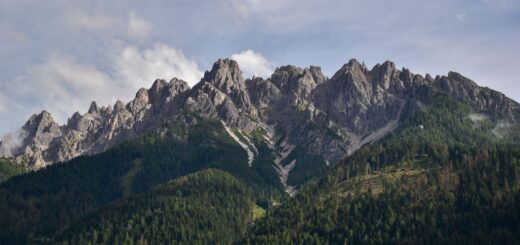
Visiter le pays du vin malgache est une expérience plus brute et plus authentique. Les dégustations ont lieu dans de petites coopératives et caves à Fianarantsoa, à Ambalavao et alentour, souvent informelles, modestes dans leur présentation et rafraîchissantes par leur absence de vernis. Vous serez bien plus susceptible d’être reçu par les personnes qui font réellement le vin que par un hôte de salle de dégustation formé. L’attrait tient précisément à ce manque de lustre — c’est une rencontre authentique et sans artifice, au milieu des rizières en terrasses et des collines de granite des hautes terres du sud. Ajustez vos attentes en conséquence : c’est d’abord du voyage culturel, et un pèlerinage vinicole ensuite. Notre guide des domaines des hautes terres betsileo détaille les caves qui valent la visite.
La plupart des voyageurs rejoignent le pays du vin betsileo par la route, le long de la RN7. Madagascar ne dispose d’aucun transport public fiable pour ce type d’itinérance, un véhicule est donc indispensable. Comparez les locations de 4×4 avec chauffeur sur Carla — réservez au moins une semaine à l’avance en saison sèche (mai à octobre), lorsque les hautes terres sont à leur apogée. Pour le road trip complet, voyez notre guide d’itinéraire du sud de Madagascar et de la RN7.
Coût et logistique
Le coût diffère nettement, tant pour le vin que pour le voyage. Le vin malgache est peu cher — une bouteille achetée localement coûte typiquement une petite fraction du prix d’un vin de domaine sud-africain comparable, et les dégustations dans les hautes terres sont bon marché ou informelles. Le vin sud-africain s’étend de bouteilles d’entrée de gamme au bon rapport qualité-prix jusqu’à des vins véritablement haut de gamme et de collection, et l’expérience des Cape Winelands, bien que raisonnable selon les standards internationaux, reste à un prix d’économie développée.
Sur le plan logistique, les Cape Winelands sont bien plus faciles : un court trajet bien desservi depuis l’aéroport international du Cap, avec de nombreuses options de circuits. Le pays du vin de Madagascar exige un long trajet routier vers le sud depuis Antananarivo, le long de la RN7 — gratifiant mais lent — et s’intègre dans un voyage plus large dans les hautes terres plutôt que de constituer une destination autonome. Les deux pays se rejoignent généralement par avion, souvent via des vols avec correspondance.
Vol retardé ou annulé ? Les vols vers Madagascar et l’Afrique du Sud passent souvent par Paris, Nairobi, Addis-Abeba ou Johannesburg. Si votre correspondance a été retardée, le règlement CE 261 peut vous donner droit à jusqu’à 600 EUR d’indemnité.
Vérifiez votre réclamation gratuitement sur AirAdvisor.
Où loger dans chaque pays du vin
À Madagascar, installez-vous à Fianarantsoa pour explorer les caves betsileo et les hautes terres environnantes ; les chambres sont limitées et se remplissent en pleine saison sèche. Vérifiez les disponibilités à Fianarantsoa sur Agoda bien avant un voyage de mai à octobre.
En Afrique du Sud, logez à Stellenbosch ou à proximité pour être au cœur des Cape Winelands, ou utilisez Le Cap comme base confortable pour des excursions à la journée. Vérifiez les disponibilités à Stellenbosch sur Agoda ou parcourez les hôtels du Cap sur Agoda — les Winelands affichent vite complet pendant la saison estivale des vendanges de l’hémisphère sud.
Assurance voyage pour l’un ou l’autre voyage
Que vous parcouriez le Cap ou les hautes terres de la RN7, ne voyagez pas sans assurance. Une évacuation médicale depuis une zone reculée de Madagascar peut coûter entre 30 000 et 80 000 $, et les routes rurales des hautes terres comportent un risque réel. Deux options utilisées par les voyageurs : SafetyWing (assurance médicale voyage par abonnement mensuel) et World Nomads (assurance voyage à voyage unique avec options d’activités d’aventure) — vous pouvez consulter les offres de chaque prestataire. Pour la plupart des amateurs de road trip dans les hautes terres, la couverture à la carte de SafetyWing est la solution la plus simple.
Le verdict honnête
Sur la qualité, le prestige, l’échelle et la régularité, l’Afrique du Sud l’emporte de façon décisive — c’est un pays viticole de classe mondiale, et Madagascar ne l’est pas. Il n’y a pas match sur le vin lui-même, et il serait malhonnête de prétendre le contraire. Le vin sud-africain a sa place dans toute cave sérieuse ; le vin malgache, non, et il n’est pas fait pour cela.
Mais c’est la mauvaise question pour un voyageur. Le vin de Madagascar est une curiosité culturelle, et une curiosité délicieuse — un verre de vin gris pâle et demi-doux des hautes terres siroté parmi les rizières en terrasses et les pics de granite, élaboré à partir de vignes hybrides robustes qui n’ont aucune raison de prospérer à 21° de latitude sud. Il est bon marché, surprenant, et porteur d’une vraie histoire. Dégusté dans le cadre d’un voyage dans les hautes terres de la RN7 plutôt que comme une destination en soi, il vaut absolument votre temps. Allez au Cap pour de grands vins ; arrêtez-vous à Fianarantsoa pour une grande expérience. Commencez à planifier avec notre guide du pays du vin de Fianarantsoa.
Foire aux questions
Le vin de Madagascar est-il aussi bon que le vin sud-africain ?
Non, et il est honnête de le dire. L’Afrique du Sud produit des vins de Vitis vinifera de classe mondiale dans des conditions méditerranéennes idéales avec un système d’appellation mature, tandis que Madagascar élabore des vins à petite échelle, souvent demi-doux, à partir d’hybrides résistants aux maladies dans un climat tropical d’altitude difficile. Ils sont dans des catégories différentes — mais le vin malgache est une curiosité culturelle charmante qui mérite d’être goûtée.
Pourquoi Madagascar utilise-t-il des cépages hybrides plutôt que du cabernet ou du chenin blanc ?
À cause de la pression fongique. Les vignobles de Madagascar mûrissent dans une saison chaude et humide qui favorise le mildiou, l’oïdium et l’anthracnose. Les cépages nobles de Vitis vinifera à peau fine peinent dans ces conditions, si bien que les viticulteurs s’appuient sur des hybrides interspécifiques franco-américains sélectionnés pour leur résistance aux maladies et leur tolérance à l’humidité.
Peut-on acheter du vin malgache en dehors de Madagascar ?
Presque jamais. La production vinicole de Madagascar est minuscule et essentiellement domestique, consommée à l’intérieur du pays et rarement exportée. Pour y goûter, il faut généralement se rendre dans les hautes terres betsileo autour de Fianarantsoa et d’Ambalavao.
Où produit-on le vin sud-africain et pour quoi est-il célèbre ?
Principalement dans le Western Cape — Stellenbosch, Paarl, Franschhoek, Constantia et le Swartland. Il est célèbre pour le chenin blanc (Steen), le cabernet sauvignon, la syrah et son rouge emblématique, le pinotage, un croisement de 1925 entre le pinot noir et le cinsaut, le tout encadré par le système d’appellation Wine of Origin.
Le pays du vin de Madagascar vaut-il la visite ?
Oui, dans le cadre d’un voyage plus large dans les hautes terres plutôt que comme un pèlerinage vinicole autonome. Les coopératives autour de Fianarantsoa offrent des dégustations bon marché, authentiques et sans fard au milieu de magnifiques paysages en terrasses sur la RN7 — une halte culturelle mémorable, à condition d’arriver avec des attentes réalistes sur le vin.
Planifiez votre voyage au pays du vin de Madagascar avec Carla
Les caves betsileo se trouvent le long de la RN7, au plus profond des hautes terres du sud, sans transport public fiable — le moyen le plus simple de déguster votre chemin à travers Fianarantsoa et Ambalavao est avec votre propre véhicule et chauffeur. Notre conceptrice de voyages locale Carla peut bâtir un itinéraire vin-et-paysages des hautes terres autour de vos dates.
Contactez Carla pour planifier votre voyage · Comparez les locations de 4×4 avec chauffeur sur Carla · Parcourez les circuits des hautes terres sur GetYourGuide · Réservez des hôtels à Fianarantsoa sur Agoda · Assurez-vous avec SafetyWing
Planifiez Votre Voyage à Madagascar
- Lire le guide de voyage complet Madagascar
- Explorer les itinéraires par style et durée
- Explorer le guide complet de la destination
Où Dormir