Kirindy Day Trip from Morondava: Fossa, Lemurs and Night Safari
This post contains affiliate links. We may earn a small commission at no extra cost to you.
At a Glance
- Distance from Morondava: 60 km northeast (1.5 hours on dirt road)
- Key draw: Fossa (Madagascar’s apex predator) + 6 lemur species
- Best time: September–October (fossa mating season — highest activity)
- Book a safari: Browse Morondava wildlife tours on GetYourGuide
- Base: Find Madagascar hotels on Agoda
Kirindy Forest Reserve, 60 kilometres northeast of Morondava, is the single most reliable place on Earth to see the fossa — Madagascar’s largest carnivore and a species unlike anything else alive today. The dry deciduous forest also shelters six lemur species, the giant jumping rat and numerous nocturnal creatures that make the night walk one of Madagascar’s most surprising experiences. To pair Kirindy with Madagascar’s other famous west coast landmark, read our complete Tsingy de Bemaraha guide.
Recommended Gear for Your Madagascar Wildlife Trip
You’re Flying 10,000km to See Lemurs, Chameleons, and Fossa — Don’t Document It With a Phone Camera
Indri lemurs calling across the canopy of Andasibe. Panther chameleons in electric blue and orange. The fossa spotted on a night walk in Kirindy. A smartphone sensor in low rainforest light produces grainy, blurred images. The Sony a6400 with Real-Time Eye Autofocus locks onto animal eyes instantly — even through undergrowth and low light. APS-C sensor, 4K video, flip-up touchscreen.
Check current price and availability on Amazon →
Madagascar Has Over 100 Species of Lemur and 280 Species of Bird — You’ll Miss Most of Them Without Binoculars
Sifaka lemurs leap between canopy trees 30 metres up. The Madagascar fish eagle perches on a branch 200 metres across a lake. Without binoculars, you’re looking at distant shapes and taking your guide’s word for it. The Vortex Diamondback HD 10×42 delivers HD optical clarity with edge-to-edge sharpness. Waterproof, fog-proof, backed by Vortex’s unconditional lifetime warranty.
Check current price and availability on Amazon →
Madagascar Goes Completely Dark After Sunset — Don’t Navigate It Blind
Outside of Antananarivo’s main streets, Madagascar has virtually no street lighting. Wildlife walks in Ankarana, night lemur spotting in Ranomafana, the path to your bungalow — all navigated in total darkness. The Black Diamond Spot 400-R delivers 400 lumens with a 100-metre beam, USB-C rechargeable, IPX8 waterproof, with red night-vision mode for wildlife observation without disturbing animals.
Check current price and availability on Amazon →
Madagascar Has Some of the Highest Malaria Risk in the World
The rainforests of Andasibe, the wetlands of Morondava, the rice paddies outside every village — mosquitoes are relentless and bite at dusk and dawn. DEET burns skin and destroys gear. Natrapel 20% Picaridin is the CDC-recommended alternative that repels mosquitoes, ticks, and sandflies for up to 12 hours without damaging your equipment.
Check current price and availability on Amazon →
No Grid, No Problem — Charge Your Devices From the Sun in Madagascar’s Remote Parks
Marojejy. Andringitra. Tsingy de Bemaraha. Madagascar’s most spectacular parks are its most isolated — no power outlets, no phone signal. A 3-day wilderness circuit means running on whatever charge you left camp with. The BLAVOR Solar Power Bank pairs 10,000mAh with a fold-out solar panel that recharges itself from sunlight as you trek.
Check current price and availability on Amazon →
Plan your Madagascar trip:
- Browse Madagascar tours and experiences (GetYourGuide)
- SafetyWing — monthly-subscription travel medical cover; you can check their plans.
- World Nomads — single-trip travel insurance with adventure-activity options.
Getting There from Morondava
Kirindy is 60 kilometres northeast of Morondava on a dirt track that requires a 4WD vehicle — a standard sedan will not make it in wet conditions. The journey takes 1.5–2 hours depending on the road state. Organised day trips from Morondava hotels are the most practical option and include a 4WD vehicle, driver and guide. Independent travellers can hire a 4WD taxi with driver from Morondava for around Ar 200,000–250,000 return, but must arrange their guide separately at the reserve entrance.
The road to Kirindy is impassable during the rainy season (December–March). The reserve is officially closed during this period and some tours suspend operations as early as November. Best conditions: May–October, with September–October offering peak fossa activity during mating season.
Flying to Morondava: Morondava Airport (MOQ) receives daily domestic flights from Antananarivo. Before you depart, get Carla travel insurance — coverage is essential in remote west coast locations. For delayed or cancelled flights, AirAdvisor files your compensation claim automatically.
Meeting the Fossa and Other Wildlife
The fossa (Cryptoprocta ferox) is a cat-like predator distantly related to the mongoose, capable of taking lemurs twice its own weight. Adults weigh 5–10 kg and are formidably fast through the dry forest canopy. Kirindy is home to the highest known fossa density of any location — during mating season (September–October), multiple adults congregate at traditional mating trees, making sightings near-certain for patient observers.
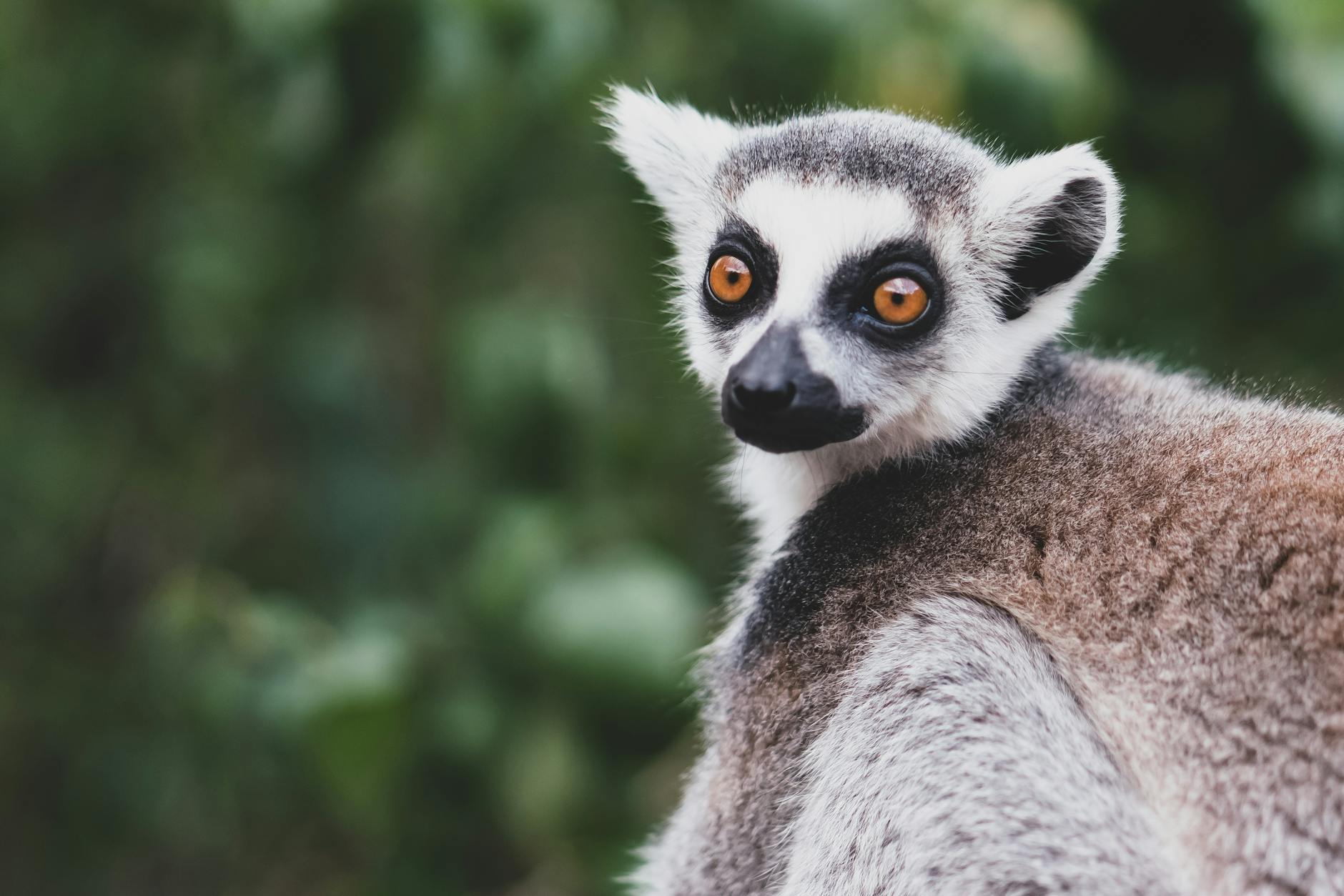
Beyond the fossa, Kirindy shelters Verreaux’s sifaka, red-fronted brown lemur, fat-tailed dwarf lemur, grey mouse lemur, and the giant jumping rat (Hypogeomys antimena) — the world’s largest rodent endemic to a single geographic range. Reptile diversity is high: Kirindy chameleons and several gecko species are found here that occur nowhere else. For a complete overview of Madagascar’s lemur-watching sites, read our guide to seeing lemurs in Madagascar.
Read also:
Book activities in Madagascar:
The Night Walk: When and What to Expect
Kirindy’s night walk is an unmissable addition if you have the flexibility to stay for it (it begins after dark, typically 21:00–22:00). The walk reveals grey mouse lemurs foraging in the leaf litter, fat-tailed dwarf lemurs clinging to branches and, with luck, the giant jumping rat bounding between trees. The fossa is occasionally spotted on night walks — its eye-shine is distinctive.
To access the night walk on a day trip, you need to plan your schedule carefully: depart Morondava by 09:00, complete the morning wildlife circuit, take an afternoon rest at the basic campsite, then join the night walk before driving back (arriving in Morondava around midnight). Staying one night at the Kirindy campsite allows a full night walk plus a predawn morning session — strongly recommended for serious wildlife observers.
Combining Kirindy with Baobab Avenue
Most visitors combine Kirindy with the Avenue of the Baobabs (Allée des Baobabs), 20 kilometres north of Morondava on the RN35. The classic strategy: leave Morondava at dawn to photograph the baobabs in the early morning light, continue northeast to Kirindy for the morning wildlife session, return to Morondava in the afternoon, then drive back to the baobabs for the famous sunset. This double-feature day is long but highly efficient.
Search combined Kirindy + Baobab Avenue tours on GetYourGuide for operators who run this full circuit. Entry to the Kirindy reserve costs Ar 10,000 per person; a guide is mandatory at Ar 15,000–25,000 per group. For timing your west coast trip optimally, see our best time to visit Madagascar guide.
Ready to book your Madagascar trip?
Frequently Asked Questions
Is it guaranteed to see the fossa at Kirindy?
Nothing in wildlife is guaranteed, but Kirindy offers the best odds anywhere. Outside mating season (September–October), fossa sightings are likely with a full morning circuit and a patient guide. Night walks increase the probability significantly.
Can I do Kirindy as a day trip from Morondava?
Yes, but it is a long day. Depart by 09:00, complete the morning circuit (3–4 hours), rest at the campsite in the afternoon, attend the night walk, and return to Morondava by midnight. Alternatively, stay one night for a more relaxed experience.
What is the road like to Kirindy?
The track is unpaved dirt and requires a 4WD. In dry season (May–October) it is rough but passable. In wet season (December–March) it becomes deeply rutted and impassable — the reserve closes during this period.
What other animals will I see besides the fossa?
Six lemur species including Verreaux’s sifaka and grey mouse lemur, the giant jumping rat (endemic to this region), Kirindy chameleons, various geckos, and numerous bird species endemic to Madagascar’s dry western forests.
How much does a Kirindy day trip cost from Morondava?
Organised tours run Ar 250,000–350,000 per person including 4WD transport, guide and entry fee. A private 4WD with driver costs Ar 200,000–250,000 return, plus entry (Ar 10,000) and guide (Ar 15,000–25,000) separately.
Kirindy is the one place in Madagascar where the fossa stops being a rumour and becomes something you can watch from five metres away. Pair it with the baobabs at sunrise and you have the definitive west coast day. Before any trip into Madagascar’s remote west, Check the plans with SafetyWing travel insurance — it covers emergency evacuation from areas with no nearby medical facilities.
Start planning your Madagascar adventure today
Browse Madagascar experiences on GetYourGuide
Affiliate link – commission earned at no extra cost to you.
Plan Your Trip to Madagascar
- Read the full Madagascar Travel Guide
- Explore itineraries by style and duration
- Explore the full destination guide
Where to Stay