Madagascar South Itinerary: Tana, Isalo, Toliara and Fort Dauphin
This post contains affiliate links. We may earn a small commission at no extra cost to you.
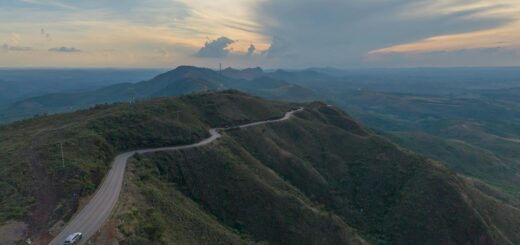
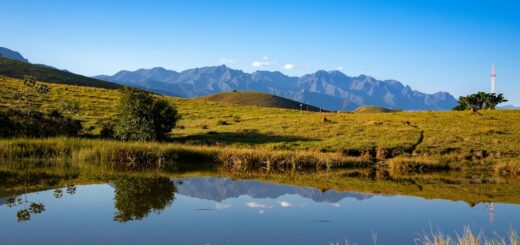
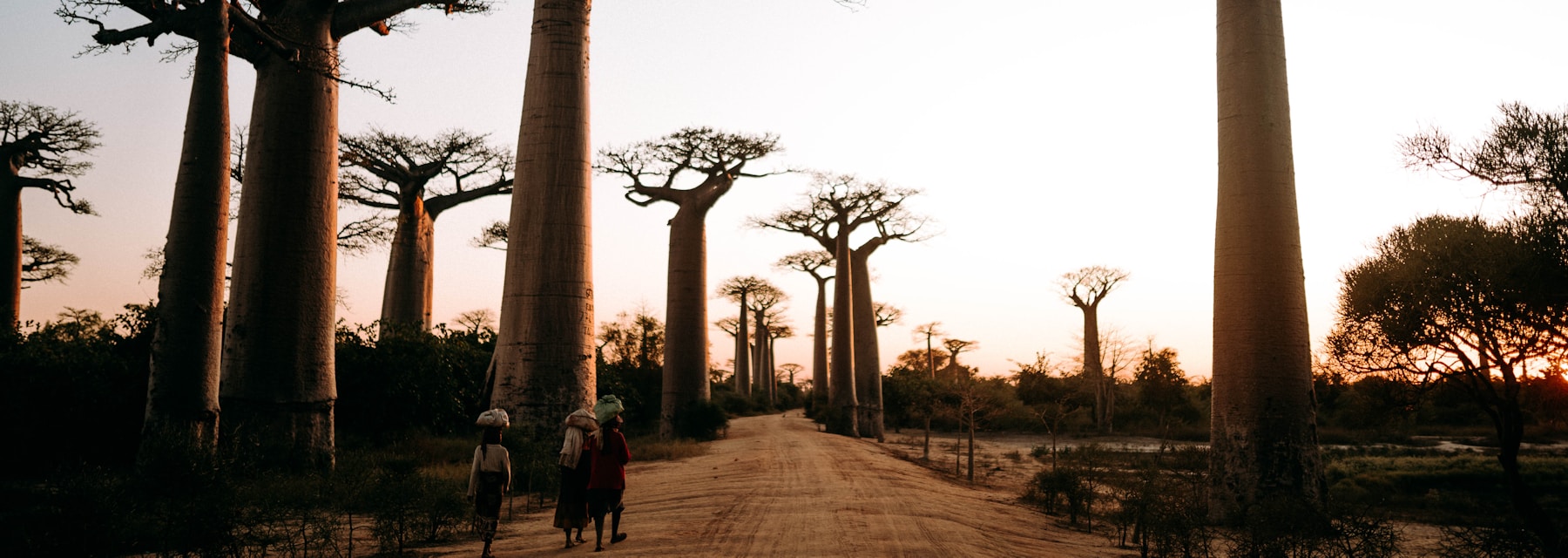
The south of Madagascar is the island’s most elemental region — and the hardest to leave. The RN7 spine passes through the country’s most photographed landscapes: the high plateau dropping into dry canyon country, the baobab-studded savannah of Isalo, the spiny forest around Toliara and the turquoise reef of the Mozambique Channel. Further east, Fort Dauphin sits at the end of the road, where the southern coastline meets a sheltered bay of extraordinary beauty. This southern itinerary runs 14 days and covers the full arc from Antananarivo south and east to Fort Dauphin — a route that few travellers manage to complete but those who do describe as their best trip anywhere.
Recommended Gear for Your Madagascar Wildlife Trip
You’re Flying 10,000km to See Lemurs, Chameleons, and Fossa — Don’t Document It With a Phone Camera
Indri lemurs calling across the canopy of Andasibe. Panther chameleons in electric blue and orange. The fossa spotted on a night walk in Kirindy. A smartphone sensor in low rainforest light produces grainy, blurred images. The Sony a6400 with Real-Time Eye Autofocus locks onto animal eyes instantly — even through undergrowth and low light. APS-C sensor, 4K video, flip-up touchscreen.
Check current price and availability on Amazon →
Madagascar Has Over 100 Species of Lemur and 280 Species of Bird — You’ll Miss Most of Them Without Binoculars
Sifaka lemurs leap between canopy trees 30 metres up. The Madagascar fish eagle perches on a branch 200 metres across a lake. Without binoculars, you’re looking at distant shapes and taking your guide’s word for it. The Vortex Diamondback HD 10×42 delivers HD optical clarity with edge-to-edge sharpness. Waterproof, fog-proof, backed by Vortex’s unconditional lifetime warranty.
Check current price and availability on Amazon →
Madagascar Goes Completely Dark After Sunset — Don’t Navigate It Blind
Outside of Antananarivo’s main streets, Madagascar has virtually no street lighting. Wildlife walks in Ankarana, night lemur spotting in Ranomafana, the path to your bungalow — all navigated in total darkness. The Black Diamond Spot 400-R delivers 400 lumens with a 100-metre beam, USB-C rechargeable, IPX8 waterproof, with red night-vision mode for wildlife observation without disturbing animals.
Check current price and availability on Amazon →
Madagascar Has Some of the Highest Malaria Risk in the World
The rainforests of Andasibe, the wetlands of Morondava, the rice paddies outside every village — mosquitoes are relentless and bite at dusk and dawn. DEET burns skin and destroys gear. Natrapel 20% Picaridin is the CDC-recommended alternative that repels mosquitoes, ticks, and sandflies for up to 12 hours without damaging your equipment.
Check current price and availability on Amazon →
No Grid, No Problem — Charge Your Devices From the Sun in Madagascar’s Remote Parks
Marojejy. Andringitra. Tsingy de Bemaraha. Madagascar’s most spectacular parks are its most isolated — no power outlets, no phone signal. A 3-day wilderness circuit means running on whatever charge you left camp with. The BLAVOR Solar Power Bank pairs 10,000mAh with a fold-out solar panel that recharges itself from sunlight as you trek.
Check current price and availability on Amazon →
Madagascar’s Power Cuts Will Kill Your Phone — Here’s 4 Full Charges of Insurance
Délestage — Madagascar’s rolling blackouts — can last 8 to 14 hours a day. Your navigation app, offline maps, and boarding pass for tomorrow’s Tsaradia flight will all be dead. The Anker PowerCore 20,000mAh gives 4 full phone charges with fast USB-C delivery. Charge it during the hotel’s morning power window and you’re covered all day.
Check current price and availability on Amazon →
Madagascar Uses European Plugs Only — Your North American Charger Won’t Work Without This
Madagascar runs on Type C and E/F European plugs, 220V. North American plugs don’t fit. The TESSAN European adapter accepts North American plugs and adds 2 USB ports, so you can charge your phone and power bank simultaneously from a single outlet. Compact, grounded — one of those items that’s obvious in hindsight and impossible to find when you need it.
Check current price and availability on Amazon →
One Adapter for Every Country on Your Madagascar Journey — Including Stopovers in Paris or Réunion
Many travellers reach Madagascar via Paris CDG or Réunion — and face a different outlet at each stop. The GaN Universal Adapter covers all outlet types worldwide with USB-C PD fast charging — one device, 4 ports, every country. GaN technology runs cooler and charges faster than standard adapters.
Check current price and availability on Amazon →
Plan your Madagascar trip:
- Browse Madagascar tours and experiences (GetYourGuide)
- Get travel insurance for Madagascar (SafetyWing)
- World Nomads — covers adventure activities: trekking, diving, motorbikes. Compare both.
At a Glance: Madagascar South Route
At a Glance
- Duration: 14 days
- Route: Tana → Antsirabe → Fianarantsoa → Ranomafana → Isalo → Toliara → Fort Dauphin
- Best months: April–November
- Highlights: Isalo gorges, Toliara reef, Fort Dauphin bay, RN7 drive
- Difficulty: Moderate — some long road days
- Book south Madagascar tours: Browse southern Madagascar tours on GetYourGuide
The southern route follows the famous RN7 — one of Africa’s most scenic driving roads. For budget planning along the full route, read our Madagascar travel budget guide.
Your South Madagascar Itinerary: Day by Day
Days 1–2: Antananarivo
Arrive at Ivato, day 1 in the capital. Visit the Rova, Analakely market and eat at a traditional Malagasy restaurant. Day 2: hire a private driver for the RN7 leg — private car is strongly preferred over taxi-brousse for this multi-day route. Drive south toward Antsirabe (140km, 3 hours).
Day 3: Antsirabe — Thermal Highland Town
Antsirabe is the thermal spring capital of Madagascar. Pousse-pousse rides through the grid-plan colonial streets, visit the thermal baths (built by Norwegian missionaries in 1872), lunch at the central market. Drive on toward Fianarantsoa in the afternoon (160km, 3 hours). Overnight in Fianarantsoa.
Days 4–5: Fianarantsoa and Ranomafana
Day 4: morning walk through the Fianarantsoa Haute-Ville (UNESCO candidate), visit the wine cooperative (Lazan’i Betsileo wines), optional FCE mountain train (book ahead). Drive to Ranomafana (60km, 1.5 hours). Day 5: full-day wildlife trek in Ranomafana National Park — golden bamboo lemur, greater bamboo lemur, Milne-Edwards’ sifaka and 115 bird species. Night walk by the thermal spring river. Book a Ranomafana guided tour here.
Days 6–8: Isalo National Park
Drive south from Ranomafana to the Isalo massif (160km, 3–4 hours). Two full days in this extraordinary landscape. Day 7: Canyon des Singes circuit (ring-tailed lemurs guaranteed). Day 8: Piscine Naturelle and Piscine Bleue — the two natural rock pools that are Isalo’s most iconic stops. Sunset from the Reine de l’Isalo viewpoint is worth the extra 30-minute drive.
Days 9–10: Toliara and the Ifaty Reef
Drive southwest to Toliara (Tuléar) — 200km, 4 hours on good tar road. Day 9: arrive, settle at Ifaty (25km north), first evening on the beach. Day 10: full day at sea — snorkelling or diving the Toliara Reef (one of the Indian Ocean’s longest barrier reefs). Spiny forest walk at dusk to see chameleons and night birds. Visit a Vezo fishing village for lunch.
Days 11–14: Fort Dauphin — Southern Conclusion
Fly from Toliara to Fort Dauphin (45 minutes on Tsaradia — the RN13 overland adds 2 days by rough road). Days 11–13: explore Fort Dauphin’s bays, the extraordinary Lokaro lagoon day trip (boat through mangroves to a turquoise lagoon, one of Madagascar’s most beautiful), Berenty Reserve (ring-tailed lemurs and sifaka in dry deciduous forest). Day 14: fly Fort Dauphin → Tana for international departure. See our full beach guide at best beaches in Madagascar.
Read also:
Book activities in Madagascar:
Getting There and the RN7 Drive
Fly into Antananarivo (TNR) internationally. For the RN7 drive, hire a private driver through your hotel or a reputable Tana tour operator — this is the single most important logistics decision of the southern route. A good driver knows where the road narrows, where fuel is scarce, and which guesthouses are reliable. Car rental on the RN7 is possible but not recommended for first-time visitors. For options, use Carla. Domestic flights (Toliara and Fort Dauphin segments) should be booked on Tsaradia in advance. If flights are delayed, AirAdvisor handles compensation.
Also read: best time to visit Madagascar — Isalo and Toliara are best visited in the dry season (May–October).
Accommodation Along the South Route
Antsirabe, Fianarantsoa and Ranomafana all have quality guesthouses and lodges in the €20–€60/night range. Isalo: stay at one of the hotels in Ranohira (the gateway town) — several have sunset views of the massif. Ifaty and Toliara: beachside hotels and dive lodges. Fort Dauphin: mid-range hotels in the town centre or the Libanona Beach area. Compare options and book via Agoda. For car rental along the RN7, see our car rental guide for Madagascar.
Ready to book your Madagascar trip?
Frequently Asked Questions
How many days do you need for the RN7 route?
Minimum 8 days from Tana to Toliara with proper stops (Antsirabe, Fianarantsoa, Ranomafana, Isalo). Ten to twelve days is more comfortable and allows rest days at Ranomafana and Isalo.
Is the RN7 paved all the way?
Most of the RN7 from Tana to Toliara is sealed tar — one of the best roads in Madagascar. The sections around Ranomafana have some rougher patches. Fort Dauphin adds the notorious RN13 which is unpaved and very rough.
Is Fort Dauphin worth the extra effort?
Yes — Fort Dauphin is one of Madagascar’s most undervisited destinations. The Lokaro lagoon day trip alone justifies the journey. Combine with Berenty Reserve for a powerful wildlife finale.
Can I rent a car for the RN7 route independently?
Technically yes, but a private driver is strongly recommended. The RN7 has fuel gaps, unmarked road hazards and guesthouse knowledge that a driver provides and a rental car does not.
What wildlife can I see on the southern route?
Ranomafana: golden bamboo lemur, Milne-Edwards sifaka. Isalo: ring-tailed lemur, Verreaux’s sifaka. Fort Dauphin/Berenty: ring-tailed lemur, white sifaka. The southern route is also excellent for endemic reptiles.
The southern route is the soul of Madagascar. The RN7 is not just a road — it is a passage through landscapes that shift from highland cool to desert heat to ocean turquoise over a span of days that feels like a week in any other country. Plan carefully, budget generously for transport, and do not rush Isalo or Fort Dauphin. Secure comprehensive travel insurance before departure: SafetyWing Nomad Insurance covers the full route including remote parks and coastal zones.
Start planning your Madagascar adventure today
Browse Madagascar experiences on GetYourGuide
Affiliate link – commission earned at no extra cost to you.
Plan Your Trip to Madagascar
- Read the full Madagascar Travel Guide
- Explore itineraries by style and duration
- Best Tours and Guided Experiences
Where to Stay