Madagascar Car & Driver Hire 2026: Why a Private Driver-Guide Is the Best Way to Get Around
Affiliate disclosure: This article contains sponsored links to hotels, tour operators, insurance providers, and other travel services. We earn a small commission if you book through our links, at no extra cost to you.
Madagascar Car & Driver Hire 2026 — At a Glance
- The model: you hire a vehicle WITH a local driver-guide — not self-drive
- Why: safer, more flexible, reaches everywhere, and the driver-guide handles roads, language and wildlife stops
- Self-drive? rarely advisable for visitors — poor signage, hazards, and breakdowns far from help
- Hire a car & driver: compare car-and-driver options on Carla
- Arrange it with a local: contact Carla for a driver-guide matched to your route
- Book tours & transfers: on GetYourGuide
- International flight protection: EU261 up to €600 per passenger
- Travel insurance: SafetyWing Nomad Insurance
- Where to stay: Antananarivo stays on Agoda
🎒 Madagascar Trip Essentials
A few inexpensive items make the biggest difference on the ground in Madagascar:
- Picaridin insect repellent — DEET-free protection against malaria mosquitoes. See on Amazon →
- Permethrin clothing spray — treat clothes; kills mosquitoes on contact for weeks. See on Amazon →
- Pop-up mosquito net — budget lodges rarely provide one; packs down tiny. See on Amazon →
- Water filter bottle — tap water isn’t safe to drink in Madagascar. See on Amazon →
- Universal travel adapter (USB-C) — Madagascar uses European-style plugs. See on Amazon →
- 8×42 binoculars — essential for spotting lemurs and chameleons in the canopy. See on Amazon →
As an Amazon Associate we earn from qualifying purchases.
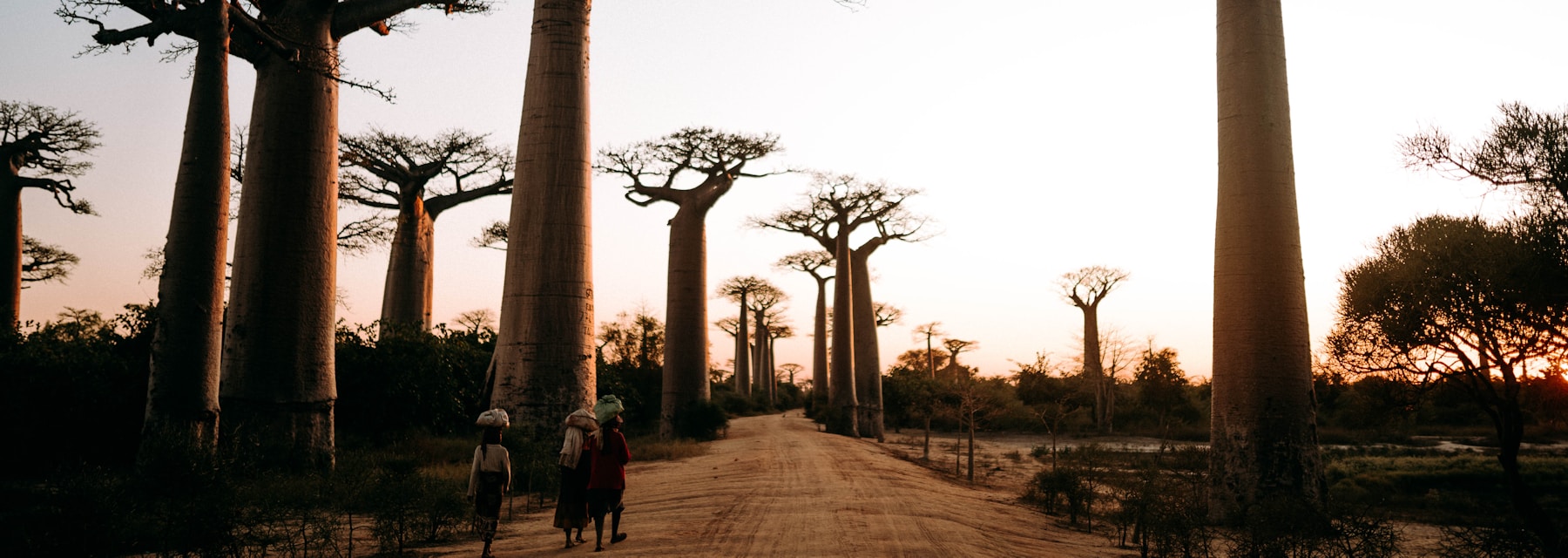
In Madagascar, the journey is not the part you endure to reach the good bit — the journey is the trip. Roads thread through rice terraces and granite mountains, drop into spiny forest, and open onto avenues of baobabs. The catch is that those same roads are slow, sometimes rough, often unsigned, and rarely the place you want to be stranded after dark. That single reality shapes the most important decision you will make about a Madagascar trip: how you get around. For the great majority of visitors, the answer is not self-drive. It is a private car hired together with a local driver-guide.
This guide explains exactly what that means, why it consistently beats renting a car and driving yourself, what a good driver-guide actually does for you, and how to arrange it properly so your money buys flexibility and peace of mind rather than headaches. It sits alongside our overarching guide to how to get around Madagascar, which compares every option side by side; here we go deep on the one most travellers end up choosing.
What “Car and Driver” Actually Means in Madagascar
When Madagascar travellers say they have “a car,” they almost never mean a rental they drive themselves. They mean a vehicle hired together with a driver — and in practice, that driver is also a guide. You are paying for the vehicle, the fuel, and the person at the wheel as a single package, arranged for the length of your trip or for specific legs of it. The car is yours for the duration. It waits while you walk a national park, it carries your luggage between towns, and it adapts to your pace rather than a timetable.
This is the standard way independent travellers move around the island, and it is the model nearly every reputable trip is built on. It is not the same as a chauffeur-driven airport transfer, which is a one-off. A driver-guide stays with you day after day, learns how you like to travel, and becomes the most useful person on your trip. The relationship is informal but real: you share long hours in the car, stop where you want, and rely on his read of the road, the weather, and the season.
The vehicle itself ranges from a comfortable sedan or small SUV for the paved routes to a proper 4×4 for the rough tracks of the west and far south. We cover how to choose below. The constant across all of it is that you are never the one navigating an unfamiliar, poorly signed road network in a country where help can be hours away. Someone who does it for a living is doing it for you.
Why a Driver-Guide Beats Self-Drive
Self-drive rental does exist in Madagascar, and if you genuinely want the independence we have written a separate Madagascar car rental guide covering that option honestly. But for the overwhelming majority of visitors, driving yourself trades a small gain in autonomy for a large stack of risk and friction. Here is what you are really up against behind the wheel.
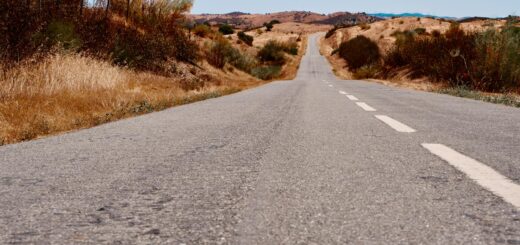
The roads. Madagascar’s main paved arteries, like the RN7 from the capital toward the south, are drivable but slow, with potholes, blind bends, livestock on the tarmac, and long stretches with no shoulder. Secondary and western roads degrade quickly into rutted dirt, river crossings, and tracks that vanish in the rains. Distances that look short on a map take far longer than you expect, and average speeds are low. A driver who runs these roads for a living knows which sections are passable in the current season, where the rough patches are, and how to pace a long day so you arrive before dark.
Signage and navigation. Road signs are sparse and inconsistent, town turn-offs are easy to miss, and offline maps are incomplete. Getting lost is not a charming detour here — it can mean hours added to an already long day, or a wrong turn onto a track you cannot turn around on. A local driver simply knows the way.
Breakdowns far from help. Garages, spare parts, and recovery services are concentrated in larger towns and scarce elsewhere. A flat or a mechanical fault on a remote stretch is a genuine problem for a foreigner with no language and no contacts. Driver-guides carry tools, know roadside fixes, and have a network they can call on. The vehicle is their livelihood, so it is maintained and they nurse it carefully.
Police checkpoints. Routine checkpoints are part of road travel in Madagascar. They are usually quick and unremarkable, but they are conducted in Malagasy and French, and knowing how to handle them calmly and correctly matters. Your driver deals with them as a matter of course; for a self-driving foreigner they are a recurring source of stress and potential misunderstanding.
Language. Outside the main tourist hubs, English is rarely spoken and even French can be limited in rural areas. Everything from buying fuel to asking directions to ordering lunch is smoother with someone who speaks Malagasy. Your driver-guide is your interpreter for the whole trip.
Local knowledge. A map cannot tell you which viewpoint is worth the stop, where the chameleons cross the road at dusk, which roadside stall is clean, or when a village market is on. A driver-guide who knows the route turns transit time into part of the experience. That is the single biggest thing self-drive throws away.
What a Good Driver-Guide Does for You
The title “driver-guide” undersells the role. On a well-run trip this person is your navigator, fixer, translator, naturalist, and safety net rolled into one. Here is what that looks like day to day.
Navigates rough roads so you don’t have to
He reads the surface, picks the line through potholes and ruts, judges river crossings, and knows when to slow down for livestock or an oncoming truck on a blind bend. On a full driving day of six, eight, even ten hours, that concentration is exhausting — and it is his job, not yours. You watch the landscape go by instead.
Handles logistics and fuel
He knows where the reliable fuel stations are and fills up before the long empty stretches. He manages the day’s timing so you reach your lodge before dark, when driving becomes genuinely hazardous. If a road is closed or a ferry is not running, he reroutes without drama.
Translates and bridges culture
He speaks Malagasy and usually French, and often workable English. He orders your meals, explains local customs, smooths interactions at markets and villages, and helps you avoid the small missteps that come from not knowing the etiquette. He is the difference between watching Madagascar through glass and actually meeting it.
Spots wildlife and knows the stops
Drivers who run wildlife routes develop a sharp eye. He will pull over for a chameleon on a branch, a group of lemurs at the forest edge, or a baobab catching the late light — sights you would blow straight past on your own. He knows which viewpoints, picnic spots, and short detours are worth the time, and which to skip.
Solves problems on the ground
Plans change. A park is unexpectedly closed, a hotel has lost your booking, the weather turns, someone falls ill. A good driver-guide is the person who makes calls, finds an alternative, and quietly sorts it out using contacts and know-how you simply do not have as a visitor.
Keeps you safe
From avoiding night driving, to choosing where to stop, to reading a situation that does not feel right, an experienced driver-guide manages the small daily risks of travel so they never become incidents. This is the quiet value you only notice by its absence.
What’s Included — and What’s Not
Understanding the split between what your car-and-driver arrangement covers and what you pay separately prevents budget surprises. The exact terms vary, so confirm them in writing before you commit, but the typical structure looks like this.
Usually included in the daily rate: the vehicle itself, fuel for the agreed itinerary, the driver-guide’s services, and the driver’s own meals and accommodation along the route (drivers are looked after by the lodges and guesthouses you stay at, which is standard practice). In other words, the line item covers getting you and your luggage reliably from place to place with a knowledgeable person at the wheel.
Usually NOT included, and budgeted separately: your own accommodation and meals; national park entry fees and the mandatory local park guides (separate from your driver, and required inside reserves); activity and excursion costs such as boat trips or guided walks; and a tip for your driver-guide at the end. Internal flights, if you mix flying with driving, are also separate — see our domestic flights guide.
The headline point: the car and driver is the backbone cost of an independent Madagascar trip. Most other costs sit on top of it. That is exactly why getting this part right — and sharing it where you can — matters so much, which we come back to under costs.
Choosing the Right Vehicle
Matching the vehicle to your route is one of the few technical decisions you need to get right, because it affects both comfort and where you can actually go. The choice comes down to terrain.
2WD sedan or small SUV — for the paved routes. If your trip sticks largely to the sealed RN7 corridor running south from the capital through the highlands toward the south — the classic first-timer route covered in our southern Madagascar RN7 guide — a comfortable 2WD is usually fine and costs less. It handles the tarmac, returns better fuel economy, and is perfectly adequate for the parks and towns strung along that road.
4×4 — for the west, the far south, and remote tracks. The moment your itinerary leaves the sealed roads — heading for the baobabs and tsingy of the west, covered in our western Madagascar guide, or pushing into remote reserves — you need a proper 4×4 with good clearance. River crossings, deep ruts, and sandy or muddy tracks defeat a 2WD and will end your day at the first bad section. Do not economise here; the wrong vehicle on the wrong road is the classic false saving.
Comfort for long days. Madagascar driving days are long, so do not overlook the inside of the car. Air conditioning matters in the hot lowlands. Enough seats that nobody is wedged in for ten hours matters more than you think over a two-week trip. If you are a group, size the vehicle so luggage and people both fit comfortably — a cramped car sours a long road trip fast. You can compare car-and-driver options on Carla to see what fits your party and route.
How to Arrange a Car and Driver
Arranging this well is mostly about doing it in advance, with someone reputable, around a clear plan. Here is how to get it right.
Book ahead. Good driver-guides and well-maintained vehicles are booked up in the high season (roughly April to November). Arranging transport before you arrive, rather than scrambling for a car on the ground, gets you a better vehicle, a better driver, and a fair price. Last-minute is how you end up with a tired car and a stranger you cannot vet.
Use a reputable arrangement. Your car and driver should come through a trustworthy channel — a recognised platform or a local contact with a track record — not a random offer at the airport. The easiest route is to compare car-and-driver options on Carla, which lets you line up a vehicle and driver for your dates with the booking handled cleanly. For a driver-guide matched specifically to your route and language, you can also contact Carla directly to arrange it around your itinerary.
Bring a clear itinerary. The more precisely you can describe your intended route, dates, and the parks you want, the better the vehicle and driver can be matched to it and the more accurate the arrangement. Build your route first using our best Madagascar itinerary guide or, for a tighter trip, the 10-day itinerary, then hand that plan to whoever arranges your transport. A clear itinerary is also the foundation for sizing the right vehicle and estimating cost.
Confirm terms in writing. Before you commit, get clarity on what the rate covers, the vehicle type, the language your driver speaks, and how changes are handled. A reputable arrangement will be happy to put this in writing.
You can also book individual tours and transfers on GetYourGuide for specific legs or day excursions that sit alongside your main car-and-driver arrangement.
Costs and Value
We do not quote rates, because they move with the season, the vehicle, the route, and fuel — and any number you read online is out of date the moment it is published. What is durable is the shape of the cost, and understanding that shape is what lets you spend well.
The car and driver is the single largest line in most independent Madagascar budgets. It is also, crucially, a largely fixed cost: the vehicle, the fuel, and the driver cost roughly the same whether one person or four are in the car. That has a powerful consequence — the biggest saving available to you is sharing the car across a group. A solo traveller carries the whole backbone cost alone; a couple halves it; a group of four quarters it per head. This is why a small group trip can work out dramatically cheaper per person than the same route done solo, and why pairing up with others is the smartest budget move on the island.
For how this fits into a full trip budget, see our dedicated Madagascar transport cost guide, and for squeezing the most from every ariary, our budget travel guide. The takeaway: do not look for the cheapest car and driver — look for the right one, and then share it.
Driver-Guide Etiquette and Tipping
The relationship with your driver-guide works best when you treat it as a genuine partnership rather than a transaction. A few customs are worth knowing.
Tipping at the end of the trip is customary and expected, and it is a meaningful part of a driver’s income. There is no rigid formula, but the tip should reflect the length of the trip and the quality of the service — a good driver-guide who has spotted your wildlife, solved your problems, and got you everywhere safely has earned it. Hand it over directly at the end, with thanks.
Beyond the tip, small courtesies go a long way. Include your driver when you stop for coffee, share the day’s plan so he can pace the driving, and respect that his accommodation and meals are arranged separately — you are not expected to host him, only to be considerate. Many travellers find the driver becomes the person they remember most warmly from the whole trip; treating the relationship with respect from day one is how that happens.
Car and Driver vs Flying vs Taxi-Brousse
Car and driver is the default for good reason, but it is not the only way to move, and the best trips often mix modes. Here is the quick steer.
Versus flying. Madagascar is vast, and some legs — the far north, the remote west, Nosy Be — are a brutal multi-day drive that a short flight collapses into an hour. The smart play is often to fly the longest, least interesting legs and drive the scenic, wildlife-rich ones. Weigh it up with our flights vs driving comparison and the practicalities in our domestic flights guide.
Versus taxi-brousse. The shared bush taxis are how Madagascar itself travels — cheap, authentic, and an experience in their own right. They are also slow, crowded, run to their own schedule, and not built for visitors trying to cover a wildlife circuit on a fixed holiday. They are a fine adventure for a single short leg if you want the local texture; they are not a substitute for your own car and driver across a full itinerary.
For most visitors, the car and driver is the spine of the trip, with the occasional flight to skip a long haul. Everything else is a flourish on top of that.
Where to Stay Along the Way
Your driver gets you there; you still need somewhere good to land each night. Booking your stops in advance keeps the trip smooth — and your driver’s own lodging is sorted at the same places. A few anchors to build around:
- Antananarivo — your arrival and departure hub, and the start of the RN7. Browse Antananarivo stays on Agoda.
- Nosy Be — the northern beach and diving base, often reached by a flight-and-drive combination. Browse Nosy Be stays on Agoda.
- Toliara — the southern end of the RN7 and gateway to the spiny forest and southwest coast. Browse Toliara stays on Agoda.
Common Mistakes When Hiring Transport
A handful of avoidable errors cost travellers comfort, money, and time. Steer clear of these.
- Choosing self-drive to save money or feel independent. The roads, signage, breakdowns, checkpoints, and language make this a false economy for almost everyone. The “saving” evaporates the first time you are lost or stranded.
- Booking the wrong vehicle for the terrain. A 2WD on western dirt roads ends your day; a 4×4 you do not need on the RN7 wastes money. Match the car to the route.
- Leaving it to the last minute. Arriving without arranged transport in high season means a worse car, a stranger as your driver, and a weaker price.
- Underestimating driving times. Distances are deceptive; plan fewer kilometres per day than you think and you will not be driving after dark.
- Treating the driver as just a chauffeur. The travellers who engage their driver-guide as a partner get the wildlife stops, the cultural bridge, and the problem-solving. Those who do not, miss the best of the role.
- Skipping travel insurance. Long days on rough roads in a remote country are exactly the scenario insurance exists for. Do not travel without it — more below.
Getting There and Travelling Well
Before any of this, you have to reach Madagascar — and most international routes connect through Europe, the Gulf, or a regional African hub. Long-haul connections are where delays bite, so it pays to be protected. If your international flight is delayed, overbooked, or cancelled on a European-regulated route, you may be entitled to EU261 compensation of up to €600 per passenger — AirAdvisor handles the claim for you. (This applies to the European-routed international flight, not to Madagascar’s domestic hops.)
Once on the ground, the case for insurance is overwhelming. You will spend long days on rough roads, often hours from a hospital, in a country where medical evacuation can be the only real option in a serious emergency. SafetyWing Nomad Insurance is built for exactly this kind of travel, covering medical care and emergencies wherever your route takes you. For a trip that involves this much road, going uninsured is the one risk not worth taking — sort your SafetyWing cover before you fly.
Get a Trusted Car & Driver-Guide with Carla
The easiest way to lock in your transport
Everything in this guide points to one conclusion: a private car with a local driver-guide is the way to travel Madagascar, and arranging it well in advance is what turns the trip from stressful to seamless. The simplest way to do that is to compare car-and-driver options on Carla for your dates and route. Line up the right vehicle — 2WD for the RN7, 4×4 for the west — sized for your group, with the booking handled cleanly so you arrive to a car and a driver who are expecting you.
Want it matched to your exact route?
If you would rather have a driver-guide chosen specifically for your itinerary and language, contact Carla and describe your plan. You will get a vehicle and a driver-guide matched to the roads you intend to travel — the difference between a generic rental and a trip-long partnership. And for any individual day tours or transfers to slot alongside, browse Madagascar excursions on GetYourGuide.
Frequently Asked Questions
Should I rent a car and drive myself in Madagascar?
For almost all visitors, no. Poor signage, rough and unpredictable roads, breakdowns far from help, police checkpoints conducted in Malagasy and French, and the language barrier make self-drive a genuine risk and a false economy. A private car with a local driver-guide is safer, more flexible, and lets you actually enjoy the journey. If you still want the self-drive option, read our dedicated car rental guide first.
Is the driver also a guide?
In practice, yes. The standard Madagascar driver-guide navigates the roads, translates, bridges culture, spots wildlife, knows the best stops, and solves problems on the ground. Note that national parks still require a separate, mandatory local park guide inside the reserves — your driver-guide gets you there and supports you, but the in-park guiding is a distinct role.
2WD or 4×4 — which do I need?
It depends entirely on your route. A 2WD is fine for the sealed RN7 corridor south of the capital. The moment you head into the west for the baobabs and tsingy, into the far south, or onto any remote dirt road, you need a proper 4×4 with good clearance. Build your itinerary first, then size the vehicle to it.
How much does a car and driver cost in Madagascar?
We do not quote rates because they shift with season, vehicle, route, and fuel. What matters is the shape: it is the largest, and largely fixed, cost of an independent trip — roughly the same for one person or four in the car. The biggest saving is sharing it across a group. See our transport cost guide and budget guide for how it fits a full budget.
Should I tip my driver-guide?
Yes. A tip at the end of the trip is customary, expected, and a meaningful part of a driver’s income. There is no fixed formula — let it reflect the length of the trip and the quality of the service, and hand it over directly with thanks. Treating your driver as a partner throughout, not just at the end, makes the whole trip better.
🚗 Get a Trusted Car & Driver-Guide — Ask Carla
Travel Madagascar the easy, safe way with a private car and an English- or French-speaking driver-guide arranged around your route. Reach out to Carla to set it up.
Plan Your Trip to Madagascar
- Read the full Madagascar Travel Guide
- Explore itineraries by style and duration
- Explore the full destination guide
Where to Stay