Forfaits tortues terrestres à Madagascar 2026 : circuits faune du sud et de la forêt épineuse
Divulgation d’affiliation : Cet article contient des liens sponsorisés vers des hôtels, voyagistes, assureurs et autres services de voyage. Nous percevons une petite commission si vous réservez via nos liens, sans coût supplémentaire pour vous.
Forfaits tortues terrestres à Madagascar 2026 — En bref
- Ce que c’est vraiment : un voyage faune dans le sud et la forêt épineuse — associé au récif, aux baobabs et aux lémuriens — pas un « circuit tortues » isolé
- Principaux types : court séjour Toliara & forêt épineuse, circuit faune du sud, tortues au sein d’un plus grand circuit RN7, voyage axé conservation, ou sur mesure
- L’éthique d’abord : n’achetez ni ne manipulez jamais de tortues — choisissez des sites accrédités, soucieux de la conservation
- Réservez un circuit faune du sud : sur GetYourGuide
- Organisez un voyage privé : contactez Carla
- Comment y aller : voiture & chauffeur sur Carla
- Protection des vols : UE261 jusqu’à 600 € par passager
- Assurance voyage : SafetyWing Nomad Insurance
- Où dormir : Toliara & le sud-ouest sur Agoda
🎒 L’essentiel pour Madagascar
Quelques articles bon marché changent tout sur le terrain à Madagascar :
- Répulsif à la picaridine — sans DEET, contre les moustiques du paludisme. Voir sur Amazon →
- Spray perméthrine vêtements — tue les moustiques au contact pendant des semaines. Voir sur Amazon →
- Moustiquaire pop-up — rare en hébergement économique; se plie très petit. Voir sur Amazon →
- Gourde filtrante — l’eau du robinet n’est pas potable à Madagascar. Voir sur Amazon →
- Adaptateur universel (USB-C) — Madagascar utilise des prises de type européen. Voir sur Amazon →
- Jumelles 8×42 — indispensables pour repérer lémuriens et caméléons. Voir sur Amazon →
En tant que Partenaire Amazon, nous réalisons un bénéfice sur les achats éligibles.
Cherchez un « circuit tortues à Madagascar » et vous remarquerez vite une chose : presque personne n’en vend. Il y a une bonne raison à cela, et c’est l’élément le plus utile à comprendre avant de dépenser le moindre centime. Les tortues, à Madagascar, ne sont pas une attraction de parc d’attractions où l’on fait la queue. La célèbre tortue radiée, à la haute carapace au motif rayonnant doré et noir, vit dans la forêt épineuse sèche de l’extrême sud et du sud-ouest. La tortue à soc, en danger critique d’extinction, ne survit que dans une petite poche du nord-ouest et, de façon réaliste, ne peut être observée par les voyageurs responsables que dans un centre d’élevage de conservation. Ce que vous réservez en réalité, c’est donc un voyage faune dans le sud ou le sud-ouest de Madagascar qui inclut les lieux — et les sites éthiques, soucieux de la conservation — où l’on peut voir des tortues.
Ce recadrage est libérateur plutôt que limitant. Le même coin de l’île qui abrite les tortues abrite aussi une forêt épineuse irréelle, des baobabs imposants, des sifakas bondissants, le récif et les plages autour de Toliara et d’Ifaty, ainsi que certains des projets de conservation les plus engagés du pays. Ce guide passe en revue les types de forfaits réalistes, ce qu’ils coûtent en temps et en argent, et — surtout — comment choisir un voyagiste qui traite les tortues comme une faune à protéger plutôt que comme des accessoires à manipuler. Pour tout le contexte d’histoire naturelle, commencez par notre guide pilier sur les tortues de Madagascar.
Ce qu’est vraiment un voyage axé sur les tortues
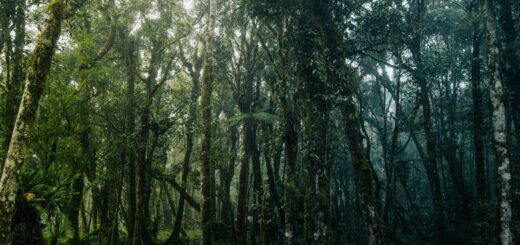
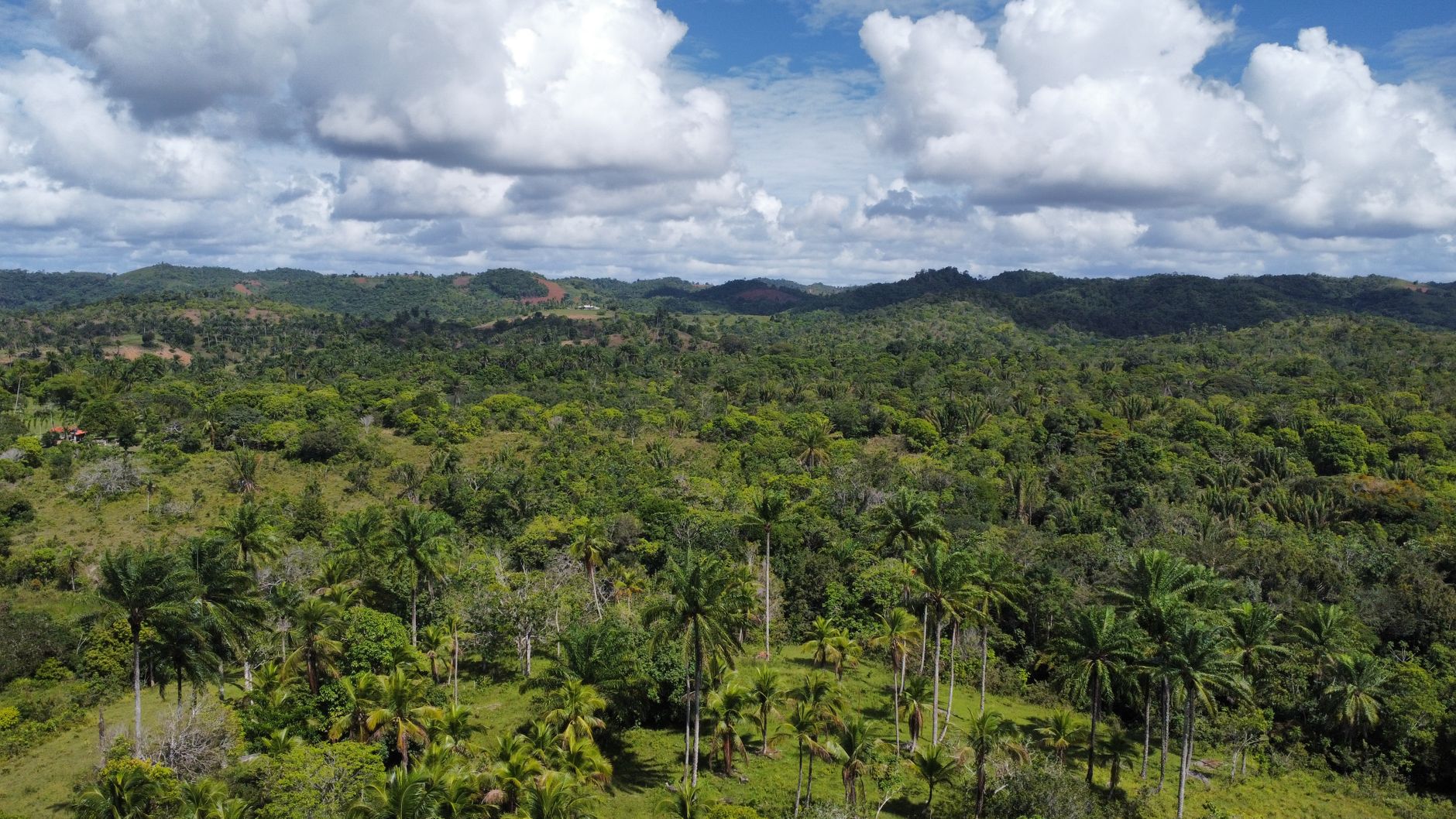
Il est utile de penser à un voyage tortues comme vous penseriez à un « voyage lémuriens » ou un « voyage baobabs » : l’animal est la tête d’affiche, mais la structure du voyage est géographique. Pour voir des tortues radiées à l’état sauvage et se comportant naturellement, on se rend dans la forêt épineuse et les réserves sèches du sud et du sud-ouest — des lieux comme la réserve de Reniala près d’Ifaty, le parc national de Tsimanampetsotsa, et la réserve privée de Berenty dans l’extrême sud. Aucun de ces endroits n’est un « zoo à tortues ». Ce sont des écosystèmes intacts où les tortues partagent la scène avec des caméléons, des lézards radiés et à queue épineuse, des baobabs et des lémuriens.
Cela signifie que l’unité sensée à réserver est un circuit faune du sud de plusieurs jours, et non un après-midi. Un chauffeur-guide vous prend en charge, l’itinéraire enfile plusieurs réserves, et les tortues sont l’une des nombreuses récompenses en chemin. Les voyages qui déçoivent sont ceux bâtis autour d’une rencontre rapprochée garantie ; les voyages qui réussissent sont bâtis sur un bon habitat, un guide patient et des attentes réalistes. Parcourez la gamme d’expériences faune du sud guidées sur GetYourGuide pour sentir comment ces itinéraires sont généralement assemblés, puis affinez à partir de là.
Un dernier point d’honnêteté : l’observation d’une tortue radiée sauvage n’est jamais garantie, comme l’est presque celle d’un lémurien dans une bonne réserve. Elles sont timides, bien camouflées dans la litière de feuilles et — c’est déchirant — bien plus rares qu’il y a une génération à cause du braconnage et de la perte d’habitat. Un guide réputé vous le dira d’emblée. Si un circuit vous promet que vous verrez et « tiendrez » à coup sûr une tortue, considérez cela comme un signal d’alarme, pas comme un argument de vente.
Les principaux types de forfaits tortues & faune du sud
Il n’existe pas un seul forfait « correct ». Le bon dépend du temps dont vous disposez, de la distance que vous voulez parcourir, et de savoir si les tortues sont la tête d’affiche ou simplement un chapitre d’un voyage malgache plus large. Voici les cinq formes réalistes que prennent ces voyages.
1. Court séjour Toliara & forêt épineuse (Reniala + récif d’Ifaty)
C’est l’option la plus accessible et le choix naturel si votre temps est compté ou si vous ajoutez de la faune à des vacances balnéaires. Vous vous installez autour de Toliara (Tuléar) et de la bande hôtelière d’Ifaty sur la côte sud-ouest, et passez une matinée ou deux dans la forêt épineuse — le plus souvent la petite réserve privée bien gérée de Reniala, où arbres-pieuvres et baobabs au tronc en bouteille encadrent votre marche et où l’on peut croiser des tortues radiées le long des sentiers. Le récif tout proche offre snorkeling et plongée l’après-midi, si bien qu’une seule base procure à la fois faune et plage.
C’est une introduction compacte et confortable : deux à quatre jours suffisent amplement. Le compromis tient à la profondeur — vous voyez le décor emblématique de la forêt épineuse et avez une chance réaliste de voir des tortues, mais vous ne pénétrez pas les réserves plus sauvages et plus sèches du sud. Pour mieux cerner la région comme destination, voyez notre guide de Toliara et du sud-ouest. Les randonnées à la journée et les sorties récif dans ce secteur sont exactement le genre de chose que vous pouvez comparer sur GetYourGuide.
2. Circuit faune du sud (RN7 sud + Tsimanampetsotsa + Berenty)
C’est le cœur d’un véritable voyage tortues-et-forêt-épineuse. Après avoir atteint Toliara, vous partez vers les réserves plus sèches où se concentrent les spécialités du sud. Le parc national de Tsimanampetsotsa, avec son lac de soude, ses poissons aveugles des grottes, ses flamants et son plateau calcaire d’une beauté austère, est un habitat de premier choix pour la tortue radiée. Plus loin, la célèbre réserve privée de Berenty, dans l’extrême sud, est surtout connue pour ses sifakas bondissants et ses lémuriens à queue annelée, mais elle se situe en pays de forêt épineuse et constitue une étape classique d’une boucle faune du sud.
Comptez environ cinq à huit jours pour un circuit de ce genre, car les distances dans le sud sont longues et les routes lentes — ce temps de trajet fait partie de l’expérience, il n’est pas perdu. Vous verrez bien plus que des tortues : c’est une immersion totale dans l’une des forêts sèches les plus étranges de la planète. Associez cela à notre aperçu des parcs nationaux et réserves de Madagascar et à la grande route RN7 du sud pour comprendre comment les réserves s’enchaînent. Pour voir comment les voyagistes assemblent cette boucle, parcourez les circuits du sud sur GetYourGuide.
3. Les tortues au sein d’un plus grand circuit RN7
Beaucoup de premiers visiteurs ne viennent pas à Madagascar spécifiquement pour les tortues — ils viennent pour « le tout », et les tortues deviennent un fil mémorable tissé dans un voyage plus long. Le classique grand circuit RN7 part de la capitale des hauts plateaux, descend par Antsirabe, les parcs à lémuriens du centre, jusqu’à la forêt épineuse et la côte à Toliara. Sur un tel itinéraire, les tortues et la forêt épineuse du sud sont le bouquet final après des semaines de forêt tropicale, de hauts plateaux et de lémuriens.
C’est l’option à choisir si vous voulez de l’ampleur : deux à trois semaines, la coupe complète de Madagascar le long de la RN7, et les tortues comme une espèce parmi des dizaines. C’est aussi la façon la plus économique d’« inclure » les tortues, puisque vous voyagez de toute façon déjà vers le sud. Servez-vous de notre guide de la RN7 du sud pour visualiser l’itinéraire, et rappelez-vous que les lémuriens rencontrés en chemin sont une tête d’affiche à part entière — voyez le guide des lémuriens de Madagascar pour la distribution complète. Les itinéraires de type grand circuit sont largement disponibles sur GetYourGuide.
4. Voyage axé conservation (centres d’élevage)
Si votre intérêt pour les tortues est sérieux — et surtout si vous espérez entrevoir l’ultra-rare tortue à soc — votre voyage doit être bâti autour de projets de conservation accrédités plutôt que d’observations sauvages. La tortue à soc survit en si petit nombre à l’état sauvage que la seule manière responsable d’en voir une est dans un centre reconnu d’élevage et de protection, où les visites sont encadrées pour soutenir, et non perturber, le programme. Un itinéraire à thème conservation intègre ces centres aux côtés des réserves de forêt épineuse, et inclut souvent une présentation du travail anti-braconnage et de « tête-de-départ » qui les sous-tend.
C’est l’option la plus gratifiante pour les voyageurs qui veulent que leur argent et leur attention soutiennent directement la protection. Elle demande un peu de patience — les visites sont contrôlées et saisonnières — mais c’est l’étalon-or éthique et la voie réaliste vers la tortue à soc. Nous ne publions jamais l’emplacement précis des populations sauvages vulnérables, et un bon spécialiste local n’organisera l’accès qu’à travers des canaux légitimes et autorisés. Pour bien organiser cela, contactez Carla, qui peut acheminer un itinéraire soucieux de la conservation par les bons centres.
5. Voyage privé sur mesure
Enfin, la forme la plus flexible de toutes : un voyage privé, sur mesure, conçu autour de précisément ce que vous voulez voir, à votre propre rythme, avec votre propre chauffeur-guide. C’est l’idéal si vous combinez des intérêts spécifiques — par exemple les tortues plus un birding sérieux, la photographie, ou une famille aux niveaux d’énergie variés — ou si vous voulez accentuer vos journées sur la forêt épineuse et les réserves tout en gardant une fin balnéaire à Ifaty. Vous fixez les priorités ; un spécialiste résident construit l’itinéraire, la liste des sites éthiques et les hébergements autour.
Les voyages sur mesure ne sont pas nécessairement plus chers qu’un circuit de groupe fixe une fois pris en compte ce qui est inclus, et ils vous donnent un contrôle total sur l’éthique et le rythme. Pour un voyageur axé sur les tortues, c’est souvent le meilleur des mondes. La façon la plus simple de commencer est de décrire votre liste de souhaits et de laisser un expert local lui donner forme : écrivez à Carla pour un itinéraire faune du sud privé.
L’éthique d’abord : choisir des voyagistes soucieux de la conservation
Si vous ne lisez qu’une seule section de ce guide, que ce soit celle-ci. Les tortues comptent parmi la faune la plus trafiquée de Madagascar, et vos choix de visiteur comptent réellement. Le critère le plus important pour choisir un forfait n’est ni le prix, ni l’itinéraire, ni le confort — c’est de savoir si le voyagiste et les sites qu’il utilise sont soucieux de la conservation et éthiques.
Voici le test simple et non négociable. N’achetez jamais de tortue, et ne visitez jamais un endroit qui vend, échange ou propose des tortues à la vente. Ne fréquentez jamais un lieu qui vous laisse ramasser, poser avec ou « tenir » une tortue sauvage ; la manipulation stresse l’animal, propage des maladies et banalise le comportement même qui alimente le commerce illégal d’animaux de compagnie. Un site qui vous tend une tortue pour une photo n’est pas un site de conservation, quel que soit le nom qu’il se donne. Partez, et dites à votre guide pourquoi.
Cherchez plutôt ces signaux positifs : des visites de réserves et centres d’élevage accrédités et reconnus ; des guides qui gardent une distance respectueuse et découragent le contact ; des droits d’entrée qui financent visiblement la réserve et la communauté locale ; et des voyagistes transparents sur le fait que les observations sauvages ne sont pas garanties. Les meilleurs voyagistes annoncent leur position de conservation avant même que vous ne le demandiez. Si vous souhaitez de l’aide pour évaluer un itinéraire du sud selon ces standards, demandez à Carla — un spécialiste résident sait quels sites sont réellement accrédités et lesquels éviter.
Associer les tortues aux autres temps forts du sud
L’une des joies d’un voyage faune du sud est que les tortues voyagent en excellente compagnie. La même région offre quatre autres expériences phares, et un forfait bien conçu les réunit toutes en un seul voyage.
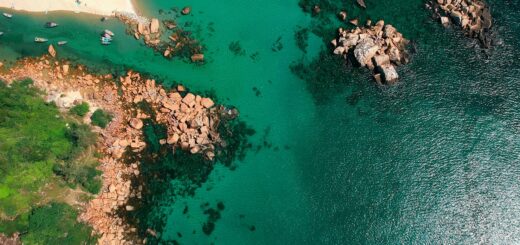
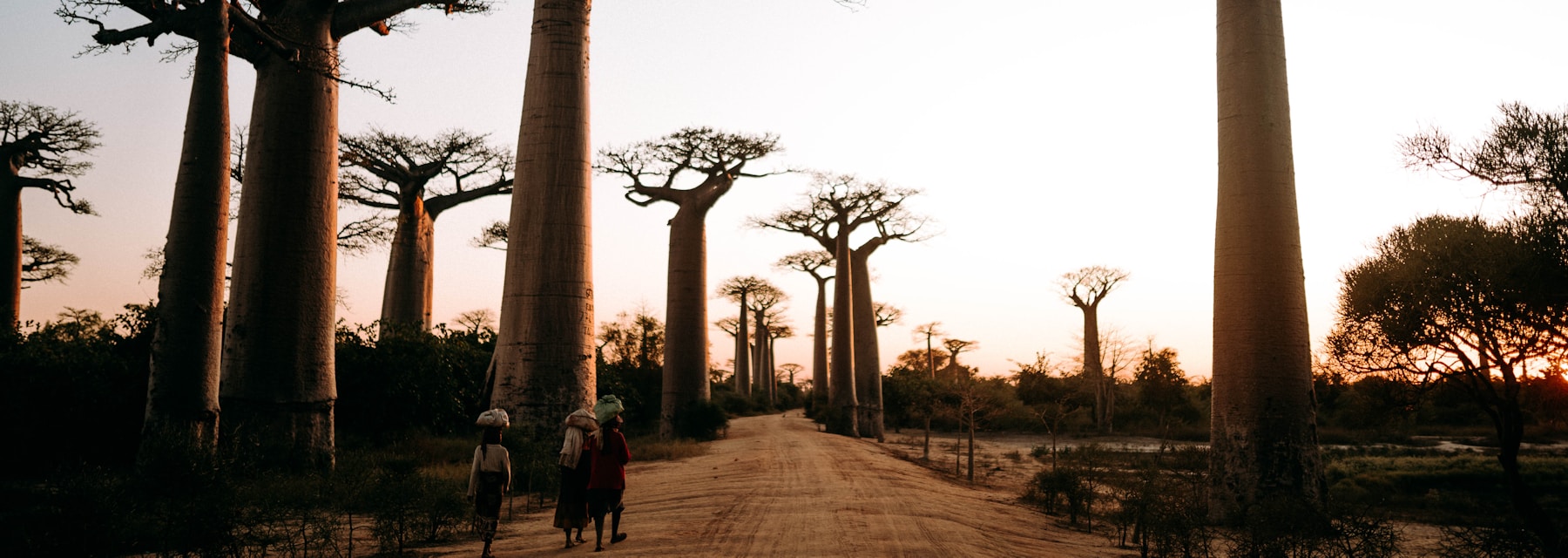
Le récif au large de Toliara et d’Ifaty est l’un des plus vastes de l’océan Indien, vous offrant snorkeling, plongée et une vraie plage pour vous détendre entre les marches en forêt. Les baobabs de la forêt épineuse — y compris l’espèce trapue au tronc en bouteille et les « arbres-pieuvres » sauvages — font du sud-ouest l’un des paysages les plus photogéniques de Madagascar. Les lémuriens sont un ravissement constant : les lémuriens à queue annelée et les sifakas bondissants sont faciles à voir dans des réserves comme Berenty, et justifient à eux seuls le voyage ; la distribution complète est couverte dans notre guide des lémuriens de Madagascar. Et les plages autour d’Ifaty transforment un voyage faune en vacances, parfaites pour un atterrissage en douceur à la fin.
C’est pourquoi le sud récompense quelques jours supplémentaires. Plutôt que de foncer pour voir les tortues et repartir aussitôt, donnez-vous le loisir de plonger sur le récif, de photographier les baobabs au coucher du soleil et de regarder les sifakas bondir à travers la forêt épineuse. Notre guide de destination sur Toliara et le sud-ouest explique comment les combiner, et un bon voyagiste équilibrera les journées pour que chaque temps fort ait son dû. Le mélange d’expériences terrestres et de récif est facile à parcourir sur GetYourGuide.
Ce qui est inclus — et ce qui ne l’est pas
La tarification des circuits à Madagascar peut sembler opaque tant que l’on ne comprend pas ce qu’un forfait du sud type regroupe. Connaître les composantes vous permet de comparer les devis équitablement et d’éviter les mauvaises surprises sur la route.
La plupart des forfaits privés et en petit groupe de qualité incluent le véhicule et le chauffeur-guide (généralement un 4×4 pour les routes plus rudes du sud), l’hébergement et les repas du chauffeur-guide, le carburant et l’itinéraire principal. Ils incluent typiquement les droits d’entrée des parcs et réserves et les guides locaux que plusieurs réserves vous obligent à engager — une inclusion judicieuse, car un guide local averti fait la différence entre voir des tortues et passer à côté. Les forfaits de milieu et de haut de gamme regroupent vos hébergements et la plupart des repas ; les circuits économiques peuvent laisser les repas à la carte.
Ce qui n’est généralement pas inclus : vos vols internationaux et éventuels vols intérieurs ; l’assurance voyage ; les boissons ; les activités optionnelles comme la plongée ; et les pourboires pour votre chauffeur-guide et les guides locaux (un pourboire modeste est d’usage et sincèrement apprécié). Confirmez toujours si les vols intérieurs entre la capitale et Toliara sont dans ou hors du devis, car cette seule ligne peut beaucoup déplacer le total. En cas de doute, demandez au voyagiste de détailler ligne par ligne ; un devis transparent et détaillé est en soi le signe d’un bon voyagiste.
Groupe vs privé / sur mesure
Les voyages en petit groupe comme les voyages privés peuvent être excellents ; le bon choix tient à votre façon de voyager. Un circuit en petit groupe répartit les coûts fixes du véhicule, du guide et du carburant sur plusieurs voyageurs, ce qui en fait généralement l’option la plus économique, et il ajoute le plaisir social de partager les observations. Le compromis est un itinéraire et un rythme fixes — vous bougez quand le groupe bouge, et vous ne pouvez pas vous attarder une heure de plus dans une réserve parce que les tortues étaient insaisissables ce matin-là.
Un voyage privé ou sur mesure coûte plus par personne mais vous achète le contrôle : votre propre rythme, vos propres priorités, la liberté d’accentuer les journées sur la forêt épineuse ou le récif, et — crucial pour l’éthique — la capacité d’exiger des sites accrédités et d’éviter tout ce qui semble abusif. Pour les couples, les familles, les photographes et quiconque prend les tortues au sérieux, le voyage privé vaut généralement le supplément. Pour une comparaison plus approfondie du calcul, notre guide des coûts d’un circuit tortues détaille les dépenses groupe contre privé.
Comment choisir le bon forfait
Avec cinq formes de forfait sur la table, le choix se résume à trois questions honnêtes sur votre propre voyage.
À quel point êtes-vous intéressé, vraiment ? Si les tortues sont une curiosité que vous apprécieriez aux côtés des lémuriens et des plages, un court séjour Toliara-et-Ifaty ou une place dans un grand circuit RN7 est parfait. Si elles sont la raison de votre venue — et surtout si la tortue à soc figure sur votre liste de souhaits — bâtissez le voyage autour du circuit faune du sud ou d’un itinéraire axé conservation avec centres d’élevage.
De combien de temps disposez-vous ? Deux à quatre jours conviennent à un court séjour à Toliara ; cinq à huit jours débloquent le circuit du sud ; deux à trois semaines permettent aux tortues de s’inviter dans un grand circuit RN7 complet. Et combien voulez-vous combiner ? Plus vous intégrez de temps forts — récif, baobabs, lémuriens, plages — plus un circuit plus long ou un itinéraire sur mesure est rentable. Une fois une forme en tête, vérifiez le budget par rapport à notre guide des coûts d’un circuit tortues, et tenez compte de la saison : voyez la meilleure période pour visiter Madagascar, car le sud sec est le plus agréable et le plus actif pendant les mois secs et plus frais.
Comment y aller
Tout voyage tortues du sud pivote autour de l’arrivée à Toliara (Tuléar), la porte d’entrée de la forêt épineuse et du récif. Vous avez deux façons d’y arriver. L’option panoramique est de parcourir la légendaire RN7 depuis la capitale, Antananarivo, un trajet de plusieurs jours à travers les hauts plateaux et les parcs à lémuriens qui est un voyage en soi et s’enchaîne naturellement avec le forfait grand circuit. L’option la plus rapide est un vol intérieur de la capitale à Toliara, qui échange le paysage de la route contre un jour ou deux gagnés — sensé si votre temps est compté ou si vous vous concentrez sur le seul sud.
Quelle que soit votre arrivée dans la région, les journées sur place se font en voiture avec chauffeur, pas en autonomie : les réserves du sud s’atteignent au mieux avec une voiture et un chauffeur-guide privés qui connaissent les routes rudes et les réserves. Vous pouvez organiser exactement cela via Carla. Pour un panorama complet des déplacements sur l’île — vols, routes, brousse, et quand chacun a du sens — lisez notre guide pour se déplacer à Madagascar.
Où dormir
Toliara et la bande balnéaire d’Ifaty constituent la base évidente d’un voyage tortues-et-forêt-épineuse : vous pouvez dormir au bord du récif, lancer les marches matinales en forêt depuis là, et vous détendre sur le sable l’après-midi. L’hébergement va des simples maisons d’hôtes en ville de Toliara aux confortables lodges de plage le long d’Ifaty, il y a donc de quoi convenir à la plupart des budgets. Sur un circuit du sud plus long, vous passerez aussi la nuit dans des lodges près des réserves elles-mêmes, que votre voyagiste organise généralement dans le cadre du forfait.
Si vous réservez votre propre base — ou ajoutez quelques nuits indépendantes de part et d’autre d’un circuit — comparez les options pour Toliara et le sud-ouest sur Agoda. Utiliser le sud-ouest comme camp de base garde la forêt épineuse, les réserves et le récif tous à portée de main, et vous évite de revenir sur vos pas à travers les longues distances de l’île.
Pourquoi un voyage organisé localement vaut mieux qu’une réservation à l’aveugle
Vous pouvez assembler un voyage du sud vous-même à distance — mais pour les tortues en particulier, un voyage organisé localement présente deux avantages décisifs difficiles à reproduire depuis l’étranger. Le premier est l’éthique. Un spécialiste résident sait quelles réserves et centres d’élevage sont réellement accrédités, quels guides respectent la faune, et quelles « attractions » de bord de route éviter entièrement. En réservant à l’aveugle depuis un moteur de recherche étranger, il est bien trop facile d’atterrir dans un endroit qui tend une tortue aux touristes pour une photo — l’exact contraire de ce que vous voulez.
Le second est le guidage. La forêt épineuse paraît vide à un œil non averti ; un excellent guide local la fait vivre, repérant une tortue radiée tapie dans la litière de feuilles, nommant les arbres-pieuvres et lisant la forêt sèche comme un livre. Un voyage organisé localement met cette expertise au cœur de vos journées au lieu de la laisser au hasard. Pour obtenir les deux — des sites éthiques et un excellent guidage en forêt épineuse — organisez votre voyage avec Carla, une résidente qui peut se porter garante de chaque étape de l’itinéraire.
Bien voyager et y arriver
Deux précautions pratiques transforment un superbe itinéraire du sud en un itinéraire sans stress. La première est la protection des vols. Le long trajet vers Madagascar transite généralement par l’Europe, et si ce vol international acheminé par l’Europe est retardé, annulé ou surréservé, vous pourriez avoir droit à une indemnisation pouvant atteindre 600 € par passager au titre du règlement UE261. (Notez que cela ne s’applique qu’au vol international acheminé par l’Europe, pas aux sauts intérieurs de Madagascar.) Être couvert ne coûte rien : voyez l’indemnisation de vol UE261 jusqu’à 600 € par passager.
La seconde est l’assurance voyage. L’extrême sud est isolé, les routes sont exigeantes, et les bonnes infrastructures médicales sont loin, donc une couverture adéquate n’est pas optionnelle. SafetyWing Nomad Insurance est une couverture simple et flexible conçue précisément pour ce genre de long voyage d’aventure — et elle s’accorde naturellement avec les réalités de routes rudes d’un circuit faune du sud. Réglez votre couverture SafetyWing avant de partir pour que la seule chose à l’esprit dans la forêt épineuse soit la faune.
🐢 Planifiez votre voyage tortues du sud avec Carla
La façon la plus nette de transformer tout cela en un itinéraire réel — sites éthiques, bonnes réserves, bons guides et fin balnéaire — est de le confier à quelqu’un qui vit sur place. Un spécialiste résident peut adapter la forme du forfait à vos intérêts, vérifier chaque étape selon les standards de conservation, et organiser la voiture et le chauffeur-guide qui font chanter la forêt épineuse. Dites à Carla ce que vous voulez voir et laissez-la construire l’itinéraire : démarrez votre demande ici. Et avant de partir, bloquez votre assurance voyage SafetyWing.
Foire aux questions
Puis-je réserver un « circuit tortues » isolé à Madagascar ?
Pas vraiment, et vous ne devriez pas le vouloir. Ce que vous réservez est un voyage faune du sud ou du sud-ouest — basé autour de Toliara, de la forêt épineuse et des réserves — où les tortues radiées sont une récompense parmi d’autres. Les circuits qui tentent de garantir une seule rencontre avec une tortue sont généralement ceux à éviter. Parcourez les itinéraires faune du sud sur GetYourGuide pour voir comment ils sont structurés.
Où puis-je réellement voir des tortues à l’état sauvage ?
Les tortues radiées vivent dans la forêt épineuse du sud et du sud-ouest — la réserve de Reniala près d’Ifaty, le parc national de Tsimanampetsotsa et la région autour de Berenty sont des lieux classiques. Les observations ne sont jamais garanties, car les animaux sont timides et, hélas, bien plus rares qu’autrefois. Notre guide frère sur où voir des tortues à Madagascar couvre les sites en détail.
Comment voir la rare tortue à soc ?
De façon réaliste, uniquement dans un centre d’élevage de conservation accrédité. La tortue à soc survit en si petit nombre à l’état sauvage que les voyageurs responsables ne la cherchent pas dans son habitat reculé ; une visite encadrée d’un programme d’élevage reconnu est la manière éthique d’en voir une et de soutenir sa protection. Un itinéraire axé conservation, organisé par un spécialiste local, est la voie à suivre.
Comment savoir si un voyagiste est éthique vis-à-vis des tortues ?
Le test le plus clair : il ne vend jamais de tortues et ne vous laisse jamais manipuler de tortues sauvages. Cherchez des visites de réserves et centres d’élevage accrédités, des guides qui gardent une distance respectueuse, et l’honnêteté que les observations sauvages ne sont pas garanties. Évitez tout endroit qui propose une tortue pour une photo. Pour connaître d’abord le contexte des espèces, voyez notre guide sur les types de tortues de Madagascar.
Combien coûte un voyage tortues du sud ?
Cela varie largement selon la durée, le niveau de confort, et selon que vous voyagez en privé ou en groupe. Un court séjour Toliara-et-Ifaty est bien moins cher qu’un circuit complet du sud ou un itinéraire axé conservation. Pour une ventilation correcte des inclusions, du calcul groupe-contre-privé et de la façon de budgétiser, voyez notre guide des coûts d’un circuit tortues.
🐢 Obtenez un voyage faune du sud éthique — demandez à Carla
Un spécialiste résident peut construire un voyage du sud avec la forêt épineuse, le récif et des sites de tortues soucieux de la conservation. Contactez Carla.
Planifiez Votre Voyage à Madagascar
- Lire le guide de voyage complet Madagascar
- Explorer les itinéraires par style et durée
- Explorer le guide complet de la destination
Où Dormir