Toliara et la côte sud-ouest de Madagascar 2026 : la porte du récif et de la forêt épineuse
Divulgation d’affiliation : Cet article contient des liens sponsorisés vers des hôtels, voyagistes, assureurs et autres services de voyage. Nous percevons une petite commission si vous réservez via nos liens, sans coût supplémentaire pour vous.
Toliara et la côte sud-ouest 2026 — En bref
- Ce que c’est : la côte du récif et de la forêt épineuse de Madagascar — le final ensoleillé du road trip sur la RN7
- Les bases : Ifaty–Mangily pour le récif et la plage, Anakao pour une escapade isolée, la ville de Toliara comme point d’attache
- Y aller : par la route sur la RN7 depuis l’Isalo, ou en avion depuis Antananarivo — réservez une voiture avec chauffeur sur Carla
- Réserver excursions récifales et activités : sur GetYourGuide
- Planifier avec une experte locale : contactez Carla
- Protection des vols : CE 261 jusqu’à 600 € par passager sur les vols européens perturbés à l’arrivée
- Assurance voyage : SafetyWing Nomad Insurance
- Où dormir : hébergements à Toliara et Ifaty sur Agoda
🎒 L’essentiel pour Madagascar
Quelques articles bon marché changent tout sur le terrain à Madagascar :
- Répulsif à la picaridine — sans DEET, contre les moustiques du paludisme. Voir sur Amazon →
- Spray perméthrine vêtements — tue les moustiques au contact pendant des semaines. Voir sur Amazon →
- Moustiquaire pop-up — rare en hébergement économique; se plie très petit. Voir sur Amazon →
- Gourde filtrante — l’eau du robinet n’est pas potable à Madagascar. Voir sur Amazon →
- Adaptateur universel (USB-C) — Madagascar utilise des prises de type européen. Voir sur Amazon →
- Jumelles 8×42 — indispensables pour repérer lémuriens et caméléons. Voir sur Amazon →
En tant que Partenaire Amazon, nous réalisons un bénéfice sur les achats éligibles.
Il y a un instant, vers la fin de presque chaque grand road trip à Madagascar, où la terre finit par s’épuiser. La RN7 vous a descendu des hautes terres, au-delà des rizières en terrasses et des villages de terre rouge, à travers les canyons de l’Isalo et une plaine blond poussière hérissée des plantes les plus étranges de la planète. Puis l’air devient chaud et chargé de sel, la route se glisse dans un fouillis de bâtiments bas et de pousse-pousse, et au-delà de tout cela s’étend le plat éclat argenté du canal du Mozambique. C’est Toliara — Tuléar sur les vieilles cartes — et c’est là que Madagascar rencontre la mer.
Le sud-ouest est le coin brûlé de soleil, frangé de récifs et couvert de forêt épineuse de l’île, et pour beaucoup de voyageurs il constitue le final naturel du périple terrestre le plus célèbre du pays. Il fait chaud et sec la majeure partie de l’année, ce qui est une bénédiction après les hautes terres fraîches et humides. Juste au nord s’étend la bande de plage décontractée d’Ifaty et Mangily, face à l’un des grands récifs coralliens du monde ; au sud, le village vézo isolé d’Anakao offre une escapade plus lente, accessible uniquement par bateau. C’est une destination de plage et de récif au caractère sauvage, aride et résolument malgache — pas une côte de complexes hôteliers lissés, et c’est tant mieux. Si vous façonnez encore la trame générale de votre voyage, commencez par notre guide d’itinéraire complet de Madagascar et voyez comment le sud-ouest s’insère à la fin.
Pourquoi visiter Toliara et le sud-ouest
Le sud-ouest se vend sur le contraste. Vous arrivez surchauffé et poussiéreux après la longue route, et en moins d’une heure vous pouvez flotter le visage dans l’eau au-dessus d’un jardin de corail, dans une eau tiède comme un bain, à regarder les poissons-perroquets brouter le récif et les poissons-clowns se chamailler parmi les anémones. Le récif barrière qui longe le large depuis Toliara jusqu’au-delà d’Ifaty est l’un des plus vastes de l’océan Indien — une longue muraille quasi continue qui abrite un lagon turquoise parfait pour la plongée avec masque, la plongée bouteille et la voile en pirogue. Pour quiconque a passé deux semaines à poursuivre les lémuriens dans une forêt humide et fraîche, c’est la récompense : chaleur, lumière et la mer.
Mais le récif n’est que la moitié de l’attrait. Éloignez-vous de quelques centaines de mètres de la plage d’Ifaty vers l’intérieur et vous entrez dans la forêt épineuse — un habitat surréaliste, d’un autre monde, que l’on ne trouve presque nulle part ailleurs sur Terre. Ici, les arbres-poulpes (didierea) tordent vers le ciel leurs bras épineux et sans feuilles, les baobabs aux troncs massifs se dressent comme des sentinelles, et tout le paysage paraît préhistorique, silencieux et insoutenablement photogénique à l’aube. Le contraste entre le récif et la forêt épineuse en une seule matinée est ce qui rend le sud-ouest différent de partout ailleurs à Madagascar.
Et puis il y a la culture. C’est le pays des Vézo, un peuple marin semi-nomade dont la vie est encore façonnée par les marées, le vent et les sveltes pirogues à balancier qu’ils mènent avec une habileté stupéfiante. Voir une flottille de voiles vézo rentrer au crépuscule, basses et silencieuses sur un ciel orange comme une fournaise, est l’une de ces images de Madagascar qui vous accompagnent des années durant. Ajoutez à cela des fruits de mer tout juste débarqués, un rythme véritablement nonchalant et la satisfaction d’avoir mérité la côte par la route, et le sud-ouest gagne sa place sur presque tout itinéraire sérieux à Madagascar.
Il y a aussi un plaisir plus discret que les habitués de Madagascar finissent par apprécier : le sud-ouest se ressent comme différent du reste de l’île. Les hautes terres sont agricoles et densément cultivées, les forêts humides de l’est sont vertes et moites, le nord est tropical et luxuriant — mais le sud-ouest est sec, dépouillé et presque africain dans sa lumière et son espace. Les horizons sont vastes, les couleurs délavées et dorées, et toute la région porte une qualité de bout du monde qui sied à la fin d’un long voyage. Ici, vous ne courez pas vers le prochain parc ou le prochain point de vue ; vous êtes arrivé, et la seule chose qu’il reste à faire est de ralentir et de laisser le lieu agir sur vous.
Où c’est et comment y aller
Toliara se trouve sur la côte sud-ouest de Madagascar, à environ 930 kilomètres de la capitale, Antananarivo, tout au bout de la RN7 — la route la plus parcourue et la plus spectaculaire du pays. La ville fait face au canal du Mozambique et sert de porte d’entrée vers toute la côte du récif, avec Ifaty et Mangily à courte distance au nord et Anakao accessible seulement par bateau au sud.
Par la route sur la RN7 (la manière classique)
L’écrasante majorité des visiteurs rejoint Toliara par la route, en grand final d’un voyage sur la RN7. Le trajet complet depuis Antananarivo est un périple de plusieurs jours découpé en étapes confortables — généralement via Antsirabe, Ranomafana ou Fianarantsoa, Ambalavao, puis le massif désertique de l’Isalo avant la descente finale vers la côte. La dernière étape, de l’Isalo jusqu’à Toliara, est l’une des transitions les plus spectaculaires du voyage malgache : la route quitte le pays des canyons pour la plaine côtière brûlée de soleil, où baobabs et forêt épineuse remplacent le vert des hautes terres. Pour l’itinéraire complet, voyez notre guide du sud de Madagascar et de la RN7.
On ne conduit pas soi-même à Madagascar. Il n’existe aucun transport public fiable pour les visiteurs, les distances sont immenses et l’état des routes varie ; la solution sensée — et la plus courante — est un véhicule privé avec chauffeur-guide qui gère la route pendant que vous regardez le pays défiler. Réservez une voiture avec chauffeur sur Carla, et réservez bien à l’avance pour la haute saison de mai à octobre, lorsque les meilleurs chauffeurs sont retenus des mois à l’avance. Pour la vue d’ensemble des déplacements sur l’île, notre guide sur comment se déplacer à Madagascar couvre toutes les options.
En avion depuis Antananarivo
Si vous manquez de temps, ou ne souhaitez simplement pas faire la RN7 dans les deux sens, Toliara dispose d’un aéroport domestique avec des vols réguliers depuis Antananarivo. Le vol dure un peu plus d’une heure et transforme plusieurs jours de route en une seule matinée — un choix populaire pour les voyageurs qui arrivent en avion, profitent de la côte et repartent en avion, ou qui descendent par la RN7 et remontent en avion pour gagner du temps. Un schéma fréquent et très satisfaisant consiste à descendre lentement, en savourant la route, puis à remonter en avion à la fin.
Vol retardé ou annulé ? Votre vol international vers Madagascar fera probablement escale par Paris, Nairobi ou Addis-Abeba. Si un segment européen a été retardé ou annulé, le règlement européen CE 261 peut vous donner droit à jusqu’à 600 € par passager. Vérifiez votre réclamation gratuitement sur AirAdvisor. (À noter : cela s’applique au vol européen à l’arrivée, pas au saut domestique Antananarivo–Toliara.)
Les lieux : Toliara, Ifaty, Anakao et la forêt épineuse
Le sud-ouest n’est pas une destination unique mais un petit ensemble de lieux très différents, tous à portée de Toliara. Comprendre comment ils s’articulent est la clé pour organiser votre temps sur la côte.
La ville de Toliara (Tuléar)
Toliara elle-même est une ville portuaire poussiéreuse, basse et décontractée — le genre d’endroit plus pratique que joli, mais doté d’un charme tranquille qui finit par séduire. Les pousse-pousse cliquettent le long des larges avenues sablonneuses, le marché central déborde de fruits tropicaux et de poisson séché, et la chaleur ralentit tout le monde à une allure paisible. La plupart des voyageurs considèrent Toliara comme un point d’attache plutôt qu’un séjour : un lieu où arriver, s’approvisionner, bien manger et organiser la suite du transport vers les plages. Elle mérite tout de même un après-midi — les petites mais excellentes collections culturelles mahafaly et sakalava, le front de mer et la vie quotidienne authentique et sans hâte d’une ville côtière malgache récompensent une flânerie tranquille. Toliara est aussi le point de départ des bateaux pour Anakao et le tremplin vers les réserves de forêt épineuse de l’intérieur.
Il vaut la peine de comprendre le rôle de Toliara dans le rythme d’un voyage dans le sud-ouest. Si vous arrivez par la route, vous débarquerez sans doute poussiéreux et fatigué en fin d’après-midi après la longue descente depuis l’Isalo, et une seule nuit en ville pour vous doucher, manger du poisson frais et vous réorganiser avant de gagner la côte est du temps bien employé. Si vous arrivez en avion, l’aéroport se trouve juste à la sortie de la ville, et la plupart des voyageurs transitent directement vers Ifaty ou descendent vers le bateau d’Anakao. Dans tous les cas, Toliara est l’endroit où régler tout ce qui est pratique — retirer de l’argent, acheter des provisions, confirmer les bateaux ou vols suivants — car les villages de plage offrent bien moins de services. Voyez-la moins comme une destination que comme la charnière sur laquelle pivote tout le sud-ouest.
Ifaty et Mangily (la bande de plage)
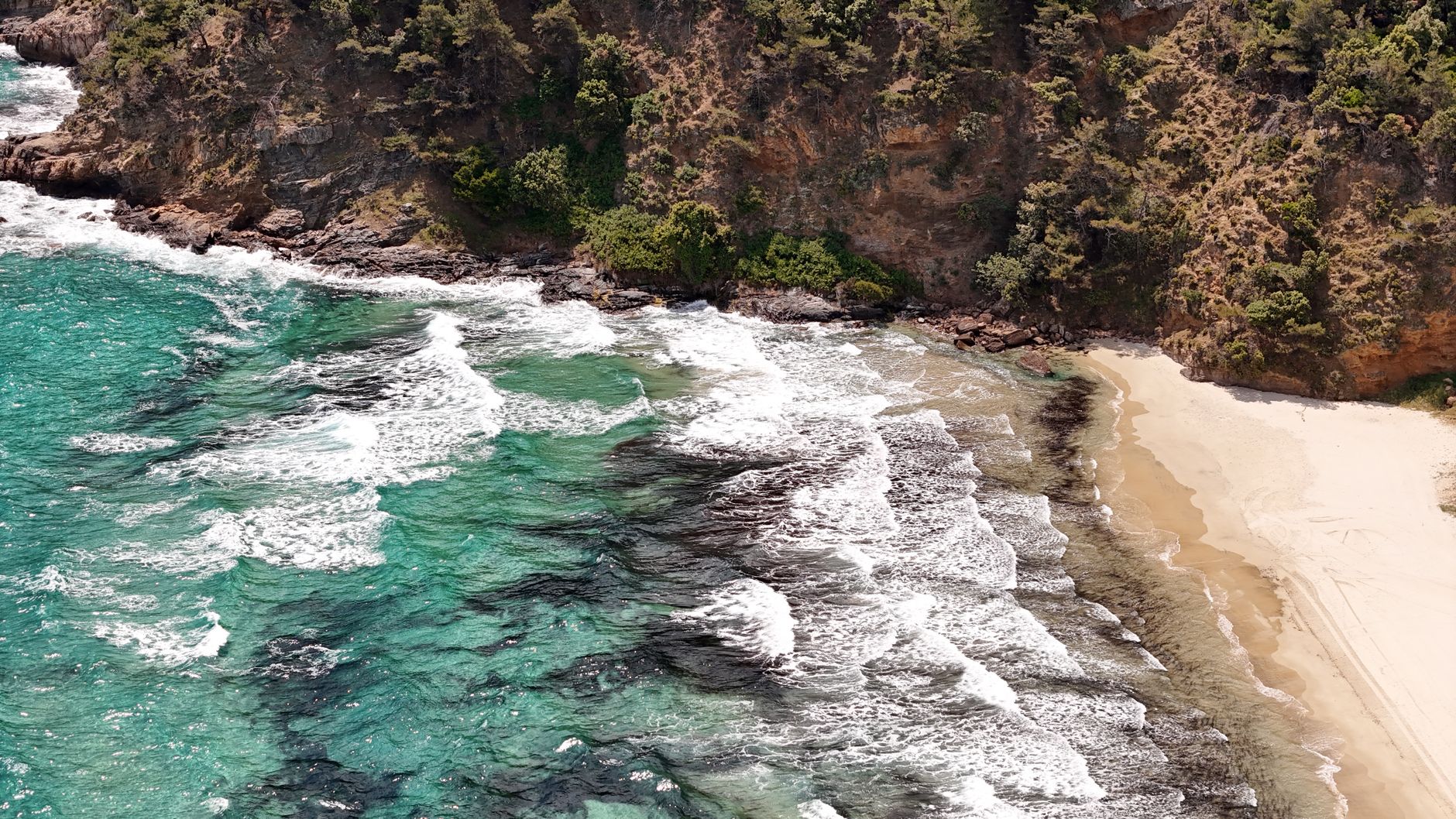
Roulez environ une heure au nord de Toliara le long d’une piste côtière sablonneuse et vous atteignez Ifaty et sa voisine Mangily — la principale base plage-et-récif du sud-ouest, et là où séjourne la plupart des visiteurs. C’est une longue et basse bande d’hôtels de plage et de bungalows face à un lagon calme protégé par le récif, le récif barrière brisant en blanc à l’horizon. L’eau est peu profonde et chaude, la plongée avec masque et la plongée bouteille y sont excellentes, et l’ensemble vit à un rythme magnifiquement lent : pirogues tirées sur le sable, pêcheurs réparant leurs filets, et pas grand-chose à faire au-delà de manger, nager, naviguer et regarder la lumière changer. Juste derrière la plage s’étend la forêt épineuse, si bien que vous pouvez plonger sur un récif corallien le matin et marcher parmi les baobabs l’après-midi. Pour tout ce qui mérite d’être fait ici, voyez notre guide des choses à faire à Toliara et Ifaty.
Anakao (l’escapade vézo isolée)
Au sud de Toliara, accessible seulement par un transfert en bateau d’environ une heure à travers la baie, se trouve Anakao — un village de pêcheurs vézo devenu une paisible escapade balnéaire. C’est tout ce qu’est Ifaty, en plus isolé, plus simple et plus atmosphérique : un chapelet de lodges de plage posés sur une large étendue de sable pâle, les pirogues du village allant et venant au gré des marées, et presque aucune foule. Juste au large se trouve la petite île de Nosy Ve, un îlot de sable cerné de récif et historiquement important pour les Vézo, tandis que le village de Saint-Augustin, sur son promontoire, se situe entre Toliara et Anakao. La traversée elle-même donne le ton : vous laissez derrière vous l’agitation du port de Toliara, longez le promontoire près de Saint-Augustin et la large embouchure de la baie, et arrivez sur une plage où le son le plus fort est le vent dans les voiles des pirogues. Les journées y ont une forme simple — une sortie au masque vers le récif ou Nosy Ve le matin, un long déjeuner, un après-midi à somnoler ou à marcher sur le sable jusqu’au village, et un coucher de soleil qui vide la plage de tout sauf de la couleur. Anakao s’adresse aux voyageurs qui veulent la beauté du sud-ouest dépouillée de toute agitation — il troque la facilité d’accès contre un sentiment d’évasion plus profond. Si vous hésitez entre les deux bases, notre comparatif Ifaty contre Anakao expose les compromis.
La forêt épineuse de Reniala et les baobabs
Derrière Ifaty s’étend la réserve de Reniala — un petit lopin privé de forêt épineuse protégée dont le nom, à propos, est le mot malgache pour le baobab. Une marche ici, idéalement à la première lueur du jour ou en fin d’après-midi, est une révélation tranquille : des baobabs imposants vieux de plusieurs siècles, l’enchevêtrement épineux des arbres-poulpes, et tout un cortège d’oiseaux, de caméléons et de tortues adaptés à l’un des habitats les plus secs de l’île. Au sud de Toliara, l’Arboretum d’Antsokay protège une superbe collection de la flore de la zone sèche du sud-ouest, un catalogue vivant des plantes bizarres et magnifiques de la forêt épineuse, en grande partie endémiques et médicinales. Les deux sont des visites faciles et gratifiantes d’une demi-journée, parfait contrepoint au temps de plage. Pour comprendre où ces sites s’inscrivent dans le réseau plus large des aires protégées de Madagascar, voyez notre panorama des parcs nationaux et réserves de Madagascar.
Le récif corallien
La véritable tête d’affiche du sud-ouest est le récif lui-même. Courant parallèlement à la côte depuis Toliara jusqu’au-delà d’Ifaty, le récif barrière du sud-ouest est l’un des plus vastes systèmes récifaux de l’océan Indien — une longue muraille protectrice qui crée le lagon calme et limpide pour lequel viennent les voyageurs. À l’intérieur du lagon, les amateurs de masque dérivent au-dessus de têtes de corail grouillantes de poissons de récif ; au-delà, les plongeurs explorent des tombants plus profonds, des chenaux et des étendues de coraux durs et mous en bonne santé. Le récif est la raison même pour laquelle le sud-ouest fonctionne comme destination balnéaire : il dompte l’océan ouvert en une piscine d’eau chaude pleine de poissons. Il est aussi, comme tous les récifs, fragile — choisissez des prestataires qui sensibilisent de façon responsable et ne vous laissent jamais marcher sur le corail ou le toucher.
Les meilleures activités du sud-ouest
Le sud-ouest récompense un mélange d’activités dans l’eau et sur terre. Excursions sur le récif, sorties en pirogue et marches en forêt épineuse s’organisent facilement sur place, et vous pouvez réserver à l’avance sur GetYourGuide les excursions populaires, qui se remplissent vite au pic de juillet à septembre. Pour le panorama complet des activités, voyez notre guide des choses à faire à Toliara et Ifaty.
Plongée avec masque et plongée bouteille sur le récif
C’est la grande affaire. Le lagon protégé par le récif au large d’Ifaty et de Mangily offre l’une des plongées avec masque les plus accessibles de Madagascar — peu profonde, chaude et grouillante de poissons de récif, souvent à quelques minutes de bateau de la plage. Les plongeurs sont encore mieux servis : une série de sites le long du récif barrière, des plongées de lagon douces adaptées aux débutants aux tombants et chenaux plus profonds pour les expérimentés. Plusieurs lodges gèrent des centres de plongée, et les conditions sont fiablement calmes durant la saison sèche. Que vous passiez un brevet ou empruntiez simplement un masque, le récif est la meilleure raison de venir.
Quelques détails pratiques font la différence entre une bonne journée sur le récif et une journée exceptionnelle. L’eau est assez chaude pour que vous n’ayez rarement besoin de plus d’une combinaison fine, mais le soleil équatorial est féroce — un lycra anti-UV et une crème solaire respectueuse du récif comptent plus que vous ne le pensez, et la réverbération sur le lagon vous brûle en quelques minutes. Les sorties du matin offrent généralement l’eau la plus calme et la meilleure lumière, alors réservez les excursions matinales quand vous le pouvez. Et prenez au sérieux les consignes de protection : marchez une seule fois sur une tête de corail et vous détruisez des décennies de croissance. Si vous comptez plonger en bouteille plutôt qu’au masque, vérifiez avant de partir que votre assurance voyage couvre la plongée de loisir, car de nombreuses formules standard l’excluent.
Voile en pirogue avec les Vézo
Rien ne capture l’esprit du sud-ouest comme une sortie en pirogue à balancier vézo. Ces sveltes canoës à voile construits à la main sont le souffle vital de la côte, et une sortie d’une demi-journée ou au coucher du soleil avec un équipage vézo est à la fois douce aventure et rencontre culturelle. Vous glissez en silence sur le lagon, vous arrêtant peut-être pour plonger au masque ou pêcher, tandis que la voile s’incline et que l’eau siffle le long de la coque. Au coucher du soleil, la voile rougeoyant d’orange, c’est de la pure magie — et bien plus mémorable que tout transfert en hors-bord. Beaucoup de voyageurs jugent une sortie en pirogue vézo comme la chose la plus évocatrice de tout leur séjour dans le sud-ouest, précisément parce qu’elle est sans hâte, sans technologie et entièrement ancrée dans le lieu. Emportez un chapeau, de l’eau et une protection solaire ; le lagon vous renvoie la chaleur en plein visage, et il n’y a aucune ombre sur une pirogue.
Marches en forêt épineuse et parmi les baobabs
Une marche guidée dans la réserve de Reniala ou l’Arboretum d’Antsokay est le pendant terrestre du récif. Le petit matin ou la fin d’après-midi sont les meilleurs moments — la lumière est douce, la chaleur supportable, et les oiseaux et reptiles sont actifs. Attendez-vous à des baobabs anciens, aux formes extraterrestres des arbres-poulpes, et à un guide compétent vous montrant les extraordinaires stratégies de survie de plantes qui prospèrent dans un quasi-désert. C’est sans hâte, photogénique, et un rappel que la faune et la flore du sud-ouest ne sont pas seulement sous-marines.
Temps de plage
Parfois, tout l’intérêt du sud-ouest est simplement de s’arrêter. Après les rigueurs de la RN7, les longues plages chaudes d’Ifaty et d’Anakao sont faites pour ne rien faire de particulier : un livre à l’ombre, une baignade dans le lagon, un déjeuner tranquille de poisson grillé, une sieste l’après-midi interrompue seulement par le bruit de la mer. Peu de destinations à Madagascar vous donnent ainsi la permission d’être aussi oisif, et après quinze jours de route vous en aurez envie. Les plages elles-mêmes varient de caractère — la bande d’Ifaty est plus animée et plus facile, avec ses hôtels alignés le long du rivage, tandis que le sable d’Anakao paraît plus sauvage et plus vide — mais toutes deux partagent la même qualité essentielle : une eau chaude, peu profonde et calme comme un lagon, et de longues étendues de sable qui se vident dès que les visiteurs d’un jour repartent. C’est le genre d’endroit où une demi-journée à ne rien faire se transforme tranquillement en trois.
Culture vézo et fruits de mer
Le sud-ouest est l’un des meilleurs endroits de Madagascar pour s’immerger dans la culture côtière malgache et pour manger extraordinairement bien. Les Vézo construisent, naviguent et pêchent à peu près comme ils le font depuis des générations, et une visite à un village de pêcheurs, à un marché ou simplement à une table en bord de plage offre un véritable sentiment du lieu. Les fruits de mer sont la récompense : poulpe, langouste, poisson pêché à la ligne et crevettes, souvent grillés quelques heures après le débarquement. Mangez là où la pêche arrive à terre et vous mangerez aussi bien que partout sur l’île.
Observation des baleines en saison
Brièvement mais spectaculairement, le sud-ouest offre aussi l’observation des baleines. Les baleines à bosse migrent le long du canal du Mozambique durant l’hiver austral — grosso modo de juillet à septembre — et les sorties en bateau vers le large peuvent permettre d’apercevoir ces géants, sautant parfois tout près des pirogues. C’est saisonnier et jamais garanti, mais aux bons mois cela ajoute une dimension palpitante à un séjour dans le sud-ouest. Si la faune marine est une priorité de votre voyage, notre guide du safari à Madagascar explique comment s’articulent les expériences animalières du pays.
Meilleure période pour visiter le sud-ouest
Le sud-ouest est le coin chaud et sec de Madagascar, et ce climat est son plus grand atout pratique. Tandis que les hautes terres deviennent fraîches et humides, la côte autour de Toliara reste chaude et largement sans pluie la majeure partie de l’année. La saison sèche — grosso modo d’avril à novembre — est la période idéale : ciel bleu, mers calmes, excellente visibilité sur le récif, et cette chaleur côtière fiable. Cela coïncide aussi avec les meilleurs mois pour parcourir la RN7, ce qui explique pourquoi le final en road trip fonctionne si bien.
Le cœur de l’hiver austral, vers juillet à septembre, apporte les températures les plus agréables, les conditions de plongée les plus calmes et la saison d’observation des baleines — mais aussi le plus de visiteurs et la plus forte demande pour les meilleurs lodges et chauffeurs. Les mois les plus chauds, vers octobre à décembre, sont intensément chauds sur la côte et conviennent surtout aux voyageurs qui aiment véritablement la chaleur. Pour un découpage mois par mois sur toute l’île, voyez notre guide de la meilleure période pour visiter Madagascar.
Où dormir : Ifaty, Anakao ou la ville de Toliara
Le lieu où vous vous installez façonne tout le voyage. Les trois options servent trois voyageurs différents, et beaucoup d’itinéraires combinent une nuit en ville avec plusieurs nuits à la plage.
- Ifaty et Mangily — la base balnéaire par défaut. Le plus large choix de lodges et de bungalows, le meilleur accès aux centres de plongée et aux excursions récifales, et à une heure de route facile de Toliara. Idéal pour les primo-visiteurs, les familles et quiconque veut récif, plage et forêt épineuse à portée de main.
- Anakao — l’escapade isolée. Moins de lodges, pas d’accès routier (transfert en bateau uniquement) et un séjour plus calme et plus atmosphérique au sein d’une communauté de pêcheurs vézo. Idéal pour les voyageurs qui privilégient la tranquillité sur la commodité.
- La ville de Toliara — le point d’attache pratique. Idéal pour une seule nuit de transit à l’arrivée ou au départ, avec le plus large éventail de restaurants et de services, mais pas une base balnéaire en soi.
Quel que soit votre choix, le pic de la saison sèche (juillet–septembre) se réserve tôt — les meilleurs lodges d’Ifaty et d’Anakao sont petits et se remplissent des mois à l’avance. Vérifiez les disponibilités à Toliara et Ifaty sur Agoda avant que vos dates ne se remplissent, et pour un comparatif des établissements réels, voyez notre guide des meilleurs hôtels de Toliara et Ifaty. Si vous transitez d’abord par la capitale, vous pouvez aussi réserver un séjour à Antananarivo sur Agoda pour vos nuits de transit.
Ce que coûte un voyage dans le sud-ouest
Le sud-ouest est, en termes relatifs, l’une des destinations côtières au meilleur rapport qualité-prix de Madagascar — certainement plus abordable que l’île de villégiature de Nosy Be. Les coûts sont déterminés moins par la destination elle-même que par la manière dont vous l’atteignez : le véhicule privé et le chauffeur-guide pour la RN7 sont le plus gros poste de dépense pour la plupart des voyageurs, tandis que la côte elle-même propose de tout, du simple bungalow de plage à une poignée de lodges plus confortables. Excursions récifales, sorties en pirogue et marches en forêt sont peu coûteuses ; les fruits de mer offrent un excellent rapport qualité-prix ; et Anakao, malgré le transfert en bateau, est rarement onéreux une fois sur place.
En gros, le sud-ouest convient confortablement à un budget moyen, avec la possibilité de dépenser moins dans de simples bungalows ou davantage dans les meilleurs lodges. Nous gardons tous les chiffres relatifs plutôt que de citer des prix exacts, qui évoluent sans cesse — pour un découpage détaillé, voyez notre guide du coût d’un voyage à Toliara et dans le sud-ouest et notre guide du voyage à petit budget à Madagascar plus large.
Ifaty contre Anakao — quelle base balnéaire ?
Si vous ne pouvez choisir qu’une seule base balnéaire, le choix se résume à l’accès contre l’évasion. Ifaty l’emporte sur la commodité : c’est une route facile depuis Toliara, le plus large choix de lodges et d’opérateurs de plongée, et le récif, la plage et la forêt épineuse tous à portée. C’est le bon choix pour la plupart des primo-visiteurs, les familles et quiconque manque de temps. Anakao l’emporte sur l’atmosphère : l’accès uniquement par bateau le garde tranquille, le cadre du village vézo est plus authentique, et le sentiment d’avoir voyagé vers un lieu isolé y est bien plus fort. Choisissez Anakao si la tranquillité est la priorité et que la logistique supplémentaire ne vous dérange pas.
Beaucoup de voyageurs disposant de quelques jours font les deux — deux nuits à Ifaty pour le récif et la logistique facile, puis un transfert vers Anakao pour une fin plus paisible. Pour un comparatif complet, lisez notre comparatif dédié Ifaty contre Anakao.
Combiner le sud-ouest avec la RN7
Le sud-ouest prend tout son sens non pas isolément mais comme apogée du road trip sur la RN7 — l’itinéraire terrestre emblématique de Madagascar, des hautes terres à la mer. La séquence classique part d’Antananarivo, descend par Antsirabe, la forêt humide de Ranomafana, Fianarantsoa et le pays viticole autour d’Ambalavao, puis pénètre dans le massif désertique du parc national de l’Isalo, dont les canyons de grès et les bassins naturels sont un temps fort à part entière. Depuis l’Isalo, la descente finale rejoint la plaine côtière et Toliara — le moment où le voyage atteint la mer.
Placer le sud-ouest à la fin de la RN7 signifie que vous terminez en beauté : plage, récif et repos après quinze jours de route et d’animaux. Que vous repreniez ensuite l’avion pour la capitale ou refassiez la route est affaire de temps et de goût. Pour l’itinéraire terrestre complet, voyez notre guide du sud de Madagascar et de la RN7, et pour des durées de voyage clés en main, notre itinéraire de 10 jours à Madagascar montre comment assembler les points forts.
Le sud-ouest en vaut-il la peine ?
Honnêtement ? Oui — à condition de venir pour les bonnes raisons. Le sud-ouest en vaut la peine pour le récif et la plongée avec masque, pour la surréaliste forêt épineuse, pour la culture vézo et les fruits de mer, et par-dessus tout pour la profonde satisfaction d’arriver à la mer par la route, ayant mérité la côte kilomètre poussiéreux après kilomètre. Comme final d’un voyage sur la RN7, c’est proche de la perfection.
Ce que le sud-ouest n’est pas, c’est une côte de villégiature lissée et soignée. Les plages sont sauvages plutôt que ratissées, les lodges ont du caractère plutôt que cinq étoiles, la ville est poussiéreuse, et le rythme est lent jusqu’à l’immobilité. Si vous rêvez de piscines à débordement, de bars dans l’eau et d’un luxe sans accroc, le sud-ouest vous décevra — et Nosy Be ou Sainte-Marie vous conviendront peut-être mieux. Mais si vous voulez une plage qui a du caractère, un récif de classe mondiale et un véritable sentiment du lieu au terme d’un grand voyage, peu de coins de Madagascar tiennent leurs promesses aussi pleinement.
Y aller et bien voyager
Atteindre le sud-ouest signifie un vol international vers Antananarivo, puis soit le long trajet sur la RN7, soit un saut domestique jusqu’à Toliara. Les acheminements internationaux font presque toujours escale par un hub européen ou africain, et les correspondances peuvent être serrées.
Vol retardé ou annulé ? Les vols vers Madagascar font souvent escale par Paris, Nairobi ou Addis-Abeba. Si votre vol acheminé par l’Europe a été retardé, annulé ou surréservé, le règlement européen CE 261 peut vous donner droit à jusqu’à 600 € par passager. Vérifiez votre réclamation gratuitement sur AirAdvisor.
Quel que soit votre itinéraire, ne voyagez pas sans assurance. Le sud-ouest implique de rouler sur des routes isolées, des transferts en bateau en pleine eau, de la plongée et du temps loin des grands hôpitaux — et une évacuation médicale depuis Madagascar peut coûter entre 20 000 € et 100 000 €. Une bonne assurance n’est pas négociable. SafetyWing Nomad Insurance est simple et abordable pour la plupart des voyages, avec une couverture flexible adaptée aussi bien aux courts séjours qu’aux périples plus longs ; assurez-vous que votre formule inclut la plongée et les activités d’aventure si vous comptez vous mettre à l’eau. Souscrire une couverture avant de quitter votre domicile est toujours moins cher et plus simple que de la chercher en catastrophe sur la route.
Planifiez votre voyage dans le sud-ouest avec Carla
Le sud-ouest est le genre d’endroit qui se déroule sans accroc quand la logistique est confiée à quelqu’un qui connaît le pays — les étapes de la RN7, la bonne base balnéaire selon votre style, le transfert en bateau vers Anakao, et un chauffeur-guide fiable pour toute la route. Plutôt que de l’assembler à l’aveugle, appuyez-vous sur une spécialiste résidant à Madagascar. Réservez votre voiture avec chauffeur sur Carla, ou contactez Carla pour planifier tout le tronçon du sud-ouest — du final de la RN7 au récif — en un seul voyage harmonieux.
Foire aux questions
Comment rejoindre Toliara et la côte sud-ouest ?
La plupart des voyageurs arrivent par la route sur la RN7 depuis Antananarivo, généralement en final d’un road trip de plusieurs jours à travers les hautes terres et l’Isalo. L’alternative est un vol domestique d’Antananarivo à Toliara, qui dure un peu plus d’une heure. Ifaty se trouve à environ une heure de route au nord de Toliara ; Anakao s’atteint par bateau depuis Toliara.
Ifaty ou Anakao, quelle est la meilleure base balnéaire ?
Ifaty est plus pratique — une route facile depuis Toliara, le plus large choix de lodges et d’opérateurs de plongée, et le récif, la plage et la forêt épineuse tous à proximité. Anakao est plus isolé et atmosphérique, accessible uniquement par bateau et niché au sein d’un village de pêcheurs vézo. Choisissez Ifaty pour la facilité, Anakao pour la tranquillité, ou combinez les deux si vous en avez le temps.
Quelle est la meilleure période pour visiter le sud-ouest ?
La saison sèche, grosso modo d’avril à novembre, est la meilleure, l’hiver austral (juillet–septembre) offrant les mers les plus calmes, la meilleure plongée et la saison d’observation des baleines — même si c’est aussi la plus fréquentée. Le sud-ouest reste chaud et largement sec la majeure partie de l’année, ce qui en fait une destination balnéaire fiable même lorsque les hautes terres sont fraîches et humides.
Qu’est-ce que la forêt épineuse, et où puis-je la voir ?
La forêt épineuse est un habitat aride et surréaliste propre au sud et au sud-ouest de Madagascar, plein d’arbres-poulpes épineux et de baobabs. Vous pouvez marcher dans la réserve de Reniala juste derrière la plage d’Ifaty, ou visiter l’Arboretum d’Antsokay près de Toliara, qui protège une riche collection de plantes de zone sèche et endémiques. Les deux sont des visites faciles d’une demi-journée.
Le sud-ouest en vaut-il la peine si je veux des vacances en complexe de luxe ?
Probablement pas. Le sud-ouest est une côte de plage et de récif sauvage et pleine de caractère, avec des lodges simples à moyen de gamme, des villes poussiéreuses et un rythme lent — superbe pour les voyageurs qui veulent un récif de classe mondiale et un véritable sentiment du lieu, mais pas une destination de villégiature lissée. Pour un confort de complexe plus haut de gamme, Nosy Be ou l’île Sainte-Marie vous conviendront peut-être mieux.
🐠 Planifiez votre voyage sur la côte sud-ouest — Demandez à Carla
Faites séquencer le récif, la forêt épineuse et le final de la RN7 en un seul voyage harmonieux par une spécialiste résidant à Madagascar. Contactez Carla.
Planifiez Votre Voyage à Madagascar
- Lire le guide de voyage complet Madagascar
- Explorer les itinéraires par style et durée
- Meilleures excursions guidées
Où Dormir