Le vin de Madagascar face au monde : comparaison avec la France, l’Italie et l’Argentine (2026)
Divulgation d’affiliation : Cet article contient des liens sponsorisés vers des hôtels, voyagistes, assureurs et autres services de voyage. Nous percevons une petite commission si vous réservez via nos liens, sans coût supplémentaire pour vous.
En bref — le vin de Madagascar sur la scène mondiale
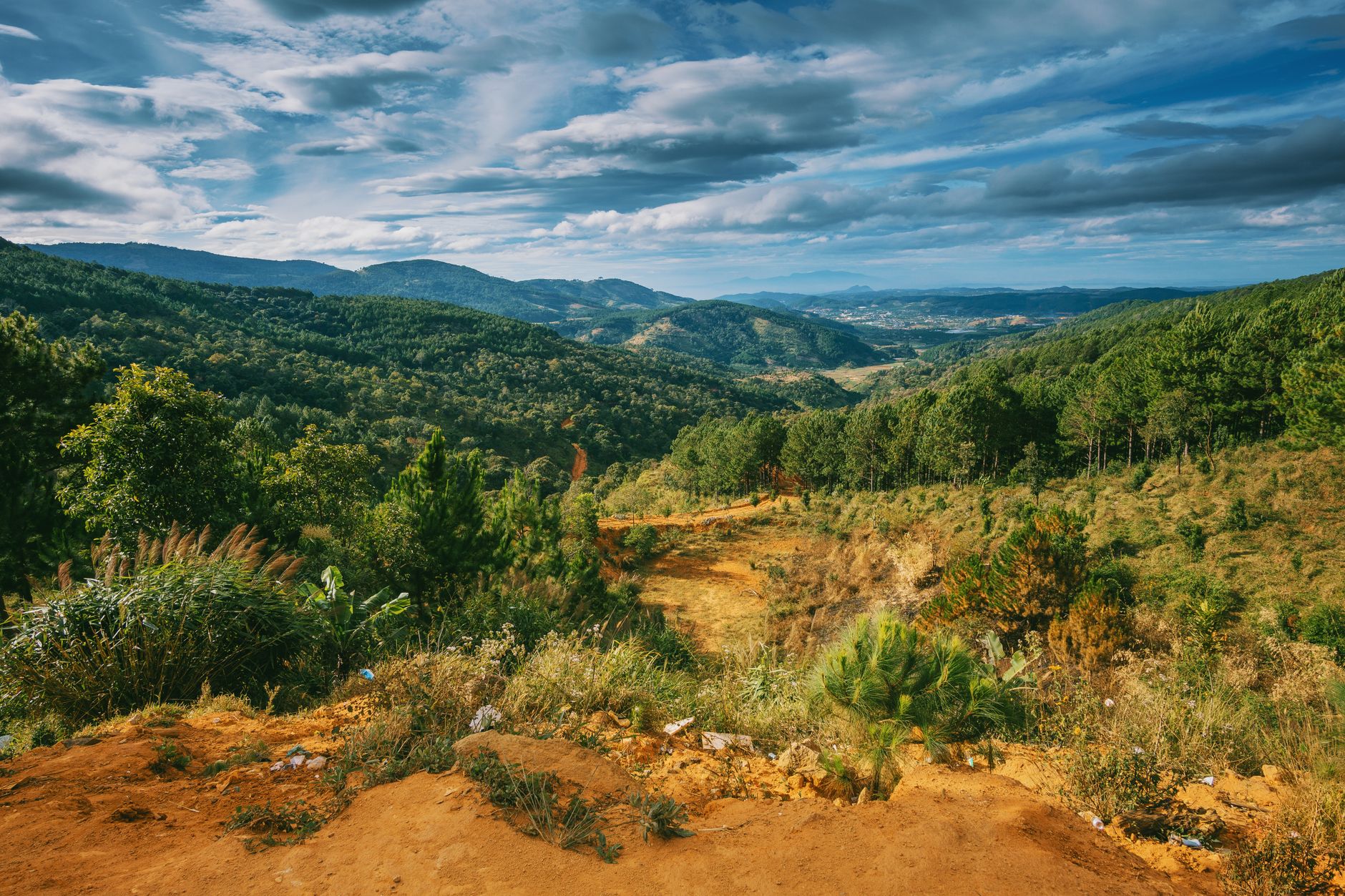
Madagascar produit du vin dans les hautes terres fraîches du pays betsileo, autour de Fianarantsoa, à environ 1 000–1 200 m d’altitude et à une latitude tropicale d’environ 21° Sud. Cela le place bien en dehors de la « ceinture viticole » tempérée classique (~30–50° de latitude) où la France, l’Italie et l’Argentine cultivent les cépages nobles de Vitis vinifera. Pour résister à la chaleur, à l’humidité et à la pression fongique, les vignerons malgaches s’appuient largement sur des hybrides interspécifiques franco-américains plutôt que sur le vinifera, produisant des rouges légers, des rosés en vin gris et des blancs demi-secs. Verdict honnête : c’est une curiosité émergente et une magnifique histoire de voyage — pas encore un pair de Bordeaux, de la Toscane ou de Mendoza, mais d’un intérêt unique en tant que viticulture tropicale d’altitude.
- Goûtez-le lors d’une excursion : Découvrez les excursions dans le vignoble malgache sur GetYourGuide — les caves de Fianarantsoa se remplissent vite en saison sèche (mai–octobre).
- Logez au cœur du vignoble : Hébergements à Fianarantsoa sur Agoda — la porte d’entrée des vignobles betsileo.
- Comparez avec les classiques : Hébergements à Bordeaux sur Agoda · Hébergements à Florence (Toscane) sur Agoda · Hébergements à Mendoza sur Agoda.
- Protégez le voyage : les longs trajets à correspondances vers Madagascar méritent une assurance — assurez-vous dès environ avec SafetyWing.
🎒 L’essentiel pour Madagascar
Quelques articles bon marché changent tout sur le terrain à Madagascar :
- Répulsif à la picaridine — sans DEET, contre les moustiques du paludisme. Voir sur Amazon →
- Spray perméthrine vêtements — tue les moustiques au contact pendant des semaines. Voir sur Amazon →
- Moustiquaire pop-up — rare en hébergement économique; se plie très petit. Voir sur Amazon →
- Gourde filtrante — l’eau du robinet n’est pas potable à Madagascar. Voir sur Amazon →
- Adaptateur universel (USB-C) — Madagascar utilise des prises de type européen. Voir sur Amazon →
- Jumelles 8×42 — indispensables pour repérer lémuriens et caméléons. Voir sur Amazon →
En tant que Partenaire Amazon, nous réalisons un bénéfice sur les achats éligibles.
Le vin est, au fond, une expression du lieu. Si Bordeaux a le goût de Bordeaux, le Chianti celui du Chianti et le Malbec de Mendoza celui de Mendoza, c’est parce que la vigne est exquisément sensible à la latitude, à l’altitude, au sol et au climat. Alors quand on découvre que Madagascar — une île tropicale plutôt connue pour ses lémuriens, ses baobabs et sa vanille — produit aussi du vin, la question naturelle est : comment se compare-t-il vraiment aux grandes nations viticoles ? Ce guide y répond honnêtement et techniquement, en plaçant la petite industrie des hautes terres betsileo aux côtés de la France, de l’Italie et de l’Argentine, et en expliquant pourquoi elle occupe une catégorie à part.
Pour connaître toute l’histoire de où et comment Madagascar cultive la vigne, commencez par notre guide de Fianarantsoa, le pays viticole inattendu de Madagascar. Cet article prend de la hauteur pour offrir le tableau mondial.
La bande de latitude des grands vins — et pourquoi Madagascar enfreint la règle
Pendant l’essentiel de l’histoire viticole, le grand vin a été un produit de la zone tempérée. La « ceinture viticole » classique s’étend grosso modo entre 30° et 50° de latitude dans chaque hémisphère — des bandes assez chaudes pour mûrir le raisin mais assez fraîches pour préserver l’acidité et ralentir la saison afin que les arômes se développent. Bordeaux se situe vers 45°N, la Toscane vers 43°N et Mendoza vers 33°S. Dans ces bandes, le Vitis vinifera — l’espèce eurasienne à l’origine de presque tous les grands vins — trouve la longue saison de croissance modérée pour laquelle il a évolué.
Les vignobles de Madagascar se situent vers 21°S, en plein dans les tropiques. À cette latitude, la durée du jour varie à peine au fil de l’année, il n’y a pas de véritable hiver froid pour imposer la dormance de la vigne, et l’humidité crée une pression fongique incessante. Selon les manuels, ce n’est pas un pays de vin. Ce qui le sauve en partie, c’est l’altitude : le plateau betsileo autour de Fianarantsoa s’élève à environ 1 000–1 200 m, ce qui rafraîchit les nuits et élargit l’amplitude thermique diurne — l’écart entre des journées chaudes et des nuits fraîches qui aide le raisin à conserver acidité et complexité aromatique. L’altitude, en somme, accomplit une partie du travail que fait ailleurs la latitude. Mais elle ne compense que partiellement, et ce seul fait explique l’essentiel de ce qui suit.
Altitude contre latitude — le parallèle avec Mendoza
La comparaison la plus instructive pour Madagascar n’est pas la France ou l’Italie mais Mendoza, en Argentine, car Mendoza est le cas emblématique mondial de la viticulture d’altitude. Les vignobles y grimpent d’environ 600 m dans la plaine à plus de 1 500 m dans la vallée d’Uco, au pied des Andes. Cette élévation donne à Mendoza un soleil diurne intense pour la maturation et des nuits de montagne froides pour l’acidité — le même mécanisme diurne sur lequel s’appuie Madagascar.
Mais le parallèle a une limite cruciale. Mendoza est un désert d’altitude à latitude moyenne (~33°S) : extrêmement sec, irrigué par la fonte des neiges andéennes, avec une très faible pression de maladies fongiques, ce qui est précisément pourquoi il peut cultiver un Malbec vinifera noble de niveau mondial. Madagascar est un milieu tropical d’altitude (~21°S) : plus chaud toute l’année, bien plus humide, et exposé aux maladies fongiques (mildiou, oïdium, pourritures) qui prospèrent dans l’humidité. Les deux utilisent l’altitude — mais l’altitude dans un désert sec et l’altitude sous un tropique humide produisent des conditions de culture très différentes. L’altitude de Mendoza libère un grand vinifera ; celle de Madagascar rend le vinifera tout juste possible par endroits, tandis que l’humidité pousse la plupart des vignerons vers des hybrides résistants.
Vitis vinifera contre hybrides interspécifiques — le cœur de l’écart
S’il y a un fait technique qui sépare Madagascar des régions classiques, c’est la génétique du raisin. La France, l’Italie et l’Argentine bâtissent leur réputation sur le Vitis vinifera — cabernet sauvignon, merlot, sangiovese, malbec et les autres. Ces variétés nobles offrent la structure, les tanins, l’aptitude au vieillissement et la précision aromatique qui définissent le grand vin, mais elles sont aussi relativement sensibles aux maladies fongiques et exigent un climat assez spécifique.
Dans les conditions tropicales et subtropicales humides, le vinifera peine. La solution pratique, employée dans les climats difficiles du monde entier, est l’hybride interspécifique franco-américain — des croisements entre vinifera et espèces américaines de Vitis tolérantes aux maladies (comme V. labrusca ou V. riparia dans leur ascendance). Les hybrides résistent bien mieux au mildiou et à la pourriture et supportent la chaleur et l’humidité, raison pour laquelle une grande partie des plantations de Madagascar s’appuie sur eux. Le compromis est dans le verre : les hybrides tendent à donner des profils plus simples, plus légers, parfois « foxy » ou confits, et égalent rarement la profondeur et le potentiel de garde d’un vinifera bien cultivé. Ce n’est pas une critique du savoir-faire malgache — c’est une adaptation rationnelle à un climat hostile. Mais c’est la principale raison pour laquelle ces vins se lisent comme une curiosité régionale plutôt que comme un concurrent mondial.
Le style dans le verre — ce que Madagascar produit vraiment
Avec des attentes bien calibrées, le vin malgache est réellement agréable. Les hautes terres autour de Fianarantsoa produisent surtout des rouges légers, peu tanniques, du vin gris frais (un rosé pâle, légèrement pressé) et des blancs demi-secs à sucre résiduel notable, qui conviennent au palais local et au climat chaud. Vous croiserez des labels locaux comme Lazan’i Betsileo, Clos Malaza, Côtes de Fianar et Soavita. Ce sont des vins faciles à boire, souvent meilleurs légèrement frais, qui s’accordent volontiers avec la cuisine malgache.
Ce qu’ils ne sont pas, ce sont des vins structurés, élevés en fût et de garde à la manière d’un Bordeaux ou d’un Brunello. Comparer un vin gris demi-sec des hautes terres à un grand cru classé relève de l’erreur de catégorie — ils répondent à des questions différentes. Pour en savoir plus sur les producteurs et l’expérience à la cave, voyez notre guide des domaines viticoles des hautes terres betsileo et nos excursions de dégustation de vin à Madagascar.
France — Bordeaux, la référence maritime
Bordeaux est le point de repère auquel se mesure l’essentiel du monde du vin. Situé près de 45°N sur la côte atlantique, il jouit d’un climat maritime — l’océan modérateur et l’estuaire de la Gironde atténuent les extrêmes de température et allongent la saison de maturation. Sa renommée repose sur les assemblages : les sols graveleux de la rive gauche favorisent le cabernet sauvignon, tandis que l’argilo-calcaire de la rive droite favorise le merlot, avec le cabernet franc, le petit verdot et le malbec en appoint.
Bordeaux a aussi donné au monde le système d’appellation moderne. Le cadre français de l’AOC (Appellation d’Origine Contrôlée) codifie les cépages, les rendements et les méthodes autorisés dans chaque lieu nommé — une expression juridique du terroir. Le classement de 1855 des grands châteaux bordelais reste influent près de deux siècles plus tard. Rien de cette ampleur, de cette ancienneté ou de cette profondeur réglementaire n’existe à Madagascar, et il serait trompeur de prétendre le contraire. Si un voyage à Bordeaux est sur votre liste, comparez les hébergements à Bordeaux sur Agoda — la ville se remplit vite pendant les vendanges d’automne.
Italie — la Toscane, le sangiovese et la viticulture de coteaux
La Toscane, vers 43°N, est le berceau du sangiovese, le cépage rouge très acide et savoureux à l’origine du Chianti et, sous sa forme sangiovese grosso, du Brunello di Montalcino. La viticulture toscane se définit par la plantation de coteaux : les vignobles s’étirent sur des pentes qui améliorent le drainage, accroissent l’ensoleillement sur des expositions bien choisies et apportent une fraîcheur d’altitude dans un climat méditerranéen par ailleurs chaud. C’est une voie différente vers le même but que poursuit Madagascar par l’altitude — utiliser la topographie pour tempérer la chaleur et étirer la saison de croissance.
La pyramide qualitative italienne est codifiée par le système DOC et DOCG (Denominazione di Origine Controllata, et le niveau plus strict e Garantita), enracinant là encore l’identité du vin dans des lieux, cépages et méthodes définis légalement. La combinaison toscane d’un cépage noble idéal, de siècles de raffinement et d’une hiérarchie d’appellations rigoureuse la place dans un échelon que Madagascar n’a aucun chemin réaliste d’atteindre à court terme. La dégustation en Toscane commence généralement à Florence — parcourez les hébergements à Florence (Toscane) sur Agoda comme base pour le Chianti et Montalcino.
Argentine — Mendoza, le malbec d’altitude
Mendoza est la grande histoire d’altitude du Nouveau Monde et, comme noté, le miroir le plus pertinent pour les ambitions de Madagascar. Vers 33°S au pied des Andes, elle associe un ensoleillement intense de haute altitude à de fortes amplitudes diurnes, produisant un malbec profondément coloré, à la fois charnu et structuré — un cépage d’origine française (Cahors) qui a trouvé sa plus juste expression en Argentine. La vallée d’Uco, grimpant au-delà de 1 200–1 500 m, est devenue une référence pour montrer comment l’altitude peut affiner un vin : des nuits plus fraîches préservent l’acidité et les arômes que la chaleur de plaine aurait sinon brûlés.
Voici la comparaison honnête que Madagascar devrait accueillir : les deux régions utilisent l’élévation pour combattre la chaleur, et toutes deux peuvent montrer des vignobles de haute montagne. Mais le climat désertique sec et peu sujet aux maladies de Mendoza lui permet de cultiver un Malbec vinifera noble de niveau mondial, tandis que le cadre tropical humide de Madagascar le pousse vers les hybrides et des styles plus légers et plus simples. Mendoza montre ce que l’altitude peut accomplir quand le reste du climat coopère ; Madagascar montre l’altitude faisant de son mieux contre un décor bien plus rude. Si l’Amérique du Sud vous appelle, comparez les hébergements à Mendoza sur Agoda pour des visites en saison des vendanges.
Afrique du Sud — un voisin africain plus proche
La comparaison africaine la plus naturelle est l’Afrique du Sud, dont le Western Cape (vers 33°–34°S) se situe dans la ceinture viticole tempérée, avec un climat méditerranéen et une longue et sérieuse tradition de vinifera — chenin blanc, cabernet, syrah et le croisement local pinotage. C’est une industrie bien plus développée que celle de Madagascar et qui mérite son propre traitement plutôt qu’un paragraphe ici. Pour le face-à-face africain complet, lisez notre comparaison dédiée : le vin de Madagascar face à l’Afrique du Sud.
Côte à côte — Madagascar face au monde
| Facteur | Madagascar (Betsileo) | France (Bordeaux) | Italie (Toscane) | Argentine (Mendoza) |
|---|---|---|---|---|
| Latitude | ~21°S (tropicale) | ~45°N (tempérée) | ~43°N (tempérée) | ~33°S (tempérée) |
| Moteur climatique | Tropical d’altitude (humide) | Maritime, modéré par l’océan | Méditerranéen, coteaux | Désert d’altitude (sec) |
| Rôle de l’altitude | ~1 000–1 200 m ; rafraîchit les nuits, compense en partie la latitude | Faible ; l’océan modère | Coteaux pour drainage et exposition | 600–1 500 m+ ; central pour la qualité |
| Cépages principaux | Hybrides franco-américains (vinifera limité) | Cabernet sauvignon, merlot (vinifera) | Sangiovese (vinifera) | Malbec (vinifera) |
| Pression fongique | Élevée (humidité) — impose les hybrides | Modérée | Faible à modérée | Très faible (désert sec) |
| Style typique | Rouges légers, vin gris, blancs demi-secs | Assemblages structurés, de garde | Rouges acidulés, savoureux, de garde | Malbec charnu et structuré |
| Système d’appellation | Informel / émergent | AOC (codifié, depuis les années 1930) | DOC / DOCG | DOC / IG (en développement) |
| Statut mondial | Curiosité émergente | Référence mondiale | Référence mondiale | Sommet du Nouveau Monde |
Alors, où se situe vraiment Madagascar ?
Honnêtement et sans fausse modestie : Madagascar n’est pas dans le même échelon que la France, l’Italie ou l’Argentine, et il est peu probable qu’il le soit à court terme. Les raisons structurelles sont climatiques et génétiques, et non une question d’effort — une latitude tropicale, une forte humidité et une pression fongique, et une dépendance qui en découle envers des hybrides interspécifiques plutôt que le vinifera noble. Les vins sont par conception plus légers, plus simples et moins aptes à la garde.
Mais « pas un pair de Bordeaux » n’équivaut pas à « pas digne de votre temps ». Madagascar est l’un des rares endroits sur Terre à produire du vin en plein tropique, et à le faire grâce à l’altitude. En tant que fait de géographie viticole, c’est réellement fascinant, et en tant qu’expérience de voyage — siroter un vin gris frais des hautes terres après une journée parmi les rizières en terrasses et les pics de granit du pays betsileo — c’est délicieux et tout à fait unique. Abordez-le comme une curiosité et une histoire, non comme un trophée, et vous l’apprécierez pour ce qu’il est exactement.
Où loger et comment s’y rendre
Le pays viticole de Madagascar s’articule autour de Fianarantsoa, dans les hautes terres centrales. Comparez les hébergements à Fianarantsoa sur Agoda — les nuits d’altitude sont fraîches, c’est donc une base agréable toute l’année, mais les chambres se font rares pendant la saison sèche de mai à octobre, lorsque la plupart des voyageurs visitent. Pour explorer la région plus largement, voyez notre guide du meilleur des hautes terres centrales de Madagascar.
Il n’existe pas de transport public fiable vers les vignobles betsileo, et les caves sont dispersées dans les collines. La plupart des visiteurs empruntent la RN7 par la route depuis Antananarivo. Comparez une voiture avec chauffeur via Carla — pour les longs trajets d’altitude, un 4×4 avec chauffeur local est de loin l’option la plus simple et la plus sûre, à réserver à l’avance en haute saison.
Vol retardé ou annulé ? Les vols vers Antananarivo passent généralement par Paris, Addis-Abeba ou Nairobi, et les correspondances long-courrier sont sujettes aux perturbations. Si votre correspondance a été retardée, le règlement CE 261 peut vous donner droit à jusqu’à 600 EUR d’indemnité.
Vérifiez votre réclamation gratuitement sur AirAdvisor.
Assurance voyage pour un séjour viticole à Madagascar
Un voyage viticole en altitude signifie de longues journées de route sur la RN7, des caves isolées et du temps loin des grands hôpitaux. Une évacuation médicale depuis le Madagascar rural peut coûter 30 000 à 80 000 $, ce qui suffit à justifier de ne jamais voyager sans assurance.
- SafetyWing — assurance médicale voyage par abonnement mensuel ; vous pouvez consulter leurs offres.
- World Nomads — assurance voyage à voyage unique avec options d’activités d’aventure.
Quel que soit votre choix, souscrivez avant de partir. Comparez ici les formules d’assurance nomade SafetyWing.
Foire aux questions
Le vin de Madagascar est-il aussi bon que les vins français, italiens ou argentins ?
Non — et c’est une réponse honnête plutôt que dure. La latitude tropicale de Madagascar, son humidité et sa dépendance aux hybrides franco-américains produisent des vins plus légers, plus simples, surtout demi-secs, qui ne sont pas dans le même échelon de qualité que Bordeaux, la Toscane ou Mendoza. Ils sont très agréables à leur manière et uniques en tant que vins tropicaux d’altitude, mais ils relèvent de la curiosité plutôt que de la référence mondiale.
Pourquoi Madagascar utilise-t-il des cépages hybrides plutôt que le cabernet ou le malbec ?
Parce que le climat tropical humide crée une forte pression de maladies fongiques (mildiou, oïdium, pourritures) que les nobles variétés de Vitis vinifera ont du mal à supporter. Les hybrides interspécifiques franco-américains sont bien plus résistants aux maladies et tolérants à la chaleur, c’est donc le choix pratique. Le compromis est un vin plus simple et moins structuré.
En quoi Madagascar ressemble-t-il à Mendoza en Argentine ?
Les deux s’appuient sur l’altitude pour combattre la chaleur — les vignobles betsileo de Madagascar se situent vers 1 000–1 200 m, et Mendoza grimpe de 600 m à plus de 1 500 m. La différence est que Mendoza est un désert sec d’altitude à très faible pression de maladies, qui cultive donc un Malbec vinifera de niveau mondial, tandis que Madagascar est un tropique humide d’altitude, ce qui le limite aux hybrides et à des styles plus légers.
Peut-on visiter le pays viticole de Madagascar en touriste ?
Oui. La région viticole s’articule autour des hautes terres betsileo, près de Fianarantsoa sur la RN7, et plusieurs caves accueillent les visiteurs pour des dégustations. Elle s’intègre naturellement à un itinéraire des hautes terres centrales. Vous aurez besoin d’une voiture avec chauffeur, car il n’y a pas de transport public fiable vers les vignobles.
Quels types de vin peut-on s’attendre à goûter à Madagascar ?
Surtout des rouges légers et peu tanniques, du vin gris (un style de rosé pâle) et des blancs demi-secs, souvent meilleurs légèrement frais. Parmi les labels locaux que vous pourriez croiser figurent Lazan’i Betsileo, Clos Malaza, Côtes de Fianar et Soavita. Attendez-vous à des vins faciles et rafraîchissants plutôt qu’à une structure de garde.
Planifiez un séjour viticole à Madagascar avec Carla
Envie de goûter un vin gris des hautes terres dans les collines betsileo autour de Fianarantsoa ? Carla peut organiser une voiture privée avec chauffeur pour la route d’altitude de la RN7 et vous aider à bâtir un itinéraire alliant vins et paysages, adapté à vos dates. Contactez Carla pour planifier votre voyage, ou comparez une voiture avec chauffeur via Carla pour commencer.
Planifiez Votre Voyage à Madagascar
- Lire le guide de voyage complet Madagascar
- Explorer les itinéraires par style et durée
- Explorer le guide complet de la destination
Où Dormir