Packing for Madagascar Wildlife: What Every Nature Photographer Brings
This post contains affiliate links. We may earn a small commission at no extra cost to you.
At a Glance
- Essential lenses: 100–400mm (or 200–600mm) for lemurs and birds; 90–105mm macro for chameleons and insects
- Biggest hazard: Humidity in rainforest parks (Andasibe, Masoala, Ranomafana) — seal gear in dry bags between shoots
- Batteries: Bring 3× your normal supply — power is unreliable; cold charging is impossible in remote lodges
- Memory cards: 256 GB minimum total; no card shops in wildlife areas
- Best base: Nosy Be on Agoda for marine photography; Andasibe region for forest wildlife
- Responsible photography: No flash on nocturnal species; minimum approach distances apply — see our reef and wildlife guides
- Travel insurance: SafetyWing Nomad Insurance — camera gear is covered under some travel policies; verify before departure
🐿 Wildlife-Watching Gear for Madagascar
The right kit turns a good wildlife trip into a great one:
- 8×42 binoculars — essential for spotting lemurs and chameleons in the canopy. See on Amazon →
- Rechargeable headlamp — essential for night walks; red mode won’t disturb wildlife. See on Amazon →
- Trekking poles — ultralight support for long park hikes. See on Amazon →
- Hiking daypack — comfortable pack for water, camera and layers. See on Amazon →
- Picaridin insect repellent — DEET-free protection against malaria mosquitoes. See on Amazon →
As an Amazon Associate we earn from qualifying purchases.
Madagascar is one of the world’s most rewarding wildlife photography destinations — chameleons the size of a thumbnail, Indri lemurs calling from the canopy, fossa hunting at dusk in dry forest. Getting the images requires specific gear choices suited to the island’s extreme humidity, variable power access, and the precise distances that ethical wildlife photography demands.
Camera Bodies and Lenses: What Madagascar’s Wildlife Actually Requires
Lens choice is the most consequential decision for a Madagascar wildlife photography trip. The Indri lemur — Madagascar’s flagship species — is typically encountered at 15–40 metres distance in forest canopy. At this range, a 400mm equivalent focal length on a full-frame body is the minimum; a 500–600mm equivalent resolves better detail. On crop-sensor bodies (APS-C), a 100–400mm lens gives 150–600mm effective reach — excellent value for wildlife at forest distances. The Sony 200–600mm f/5.6–6.3 and Nikon Z 100–400mm are popular choices among Madagascar-based wildlife photographers for their versatile range and image stabilization in low forest light.
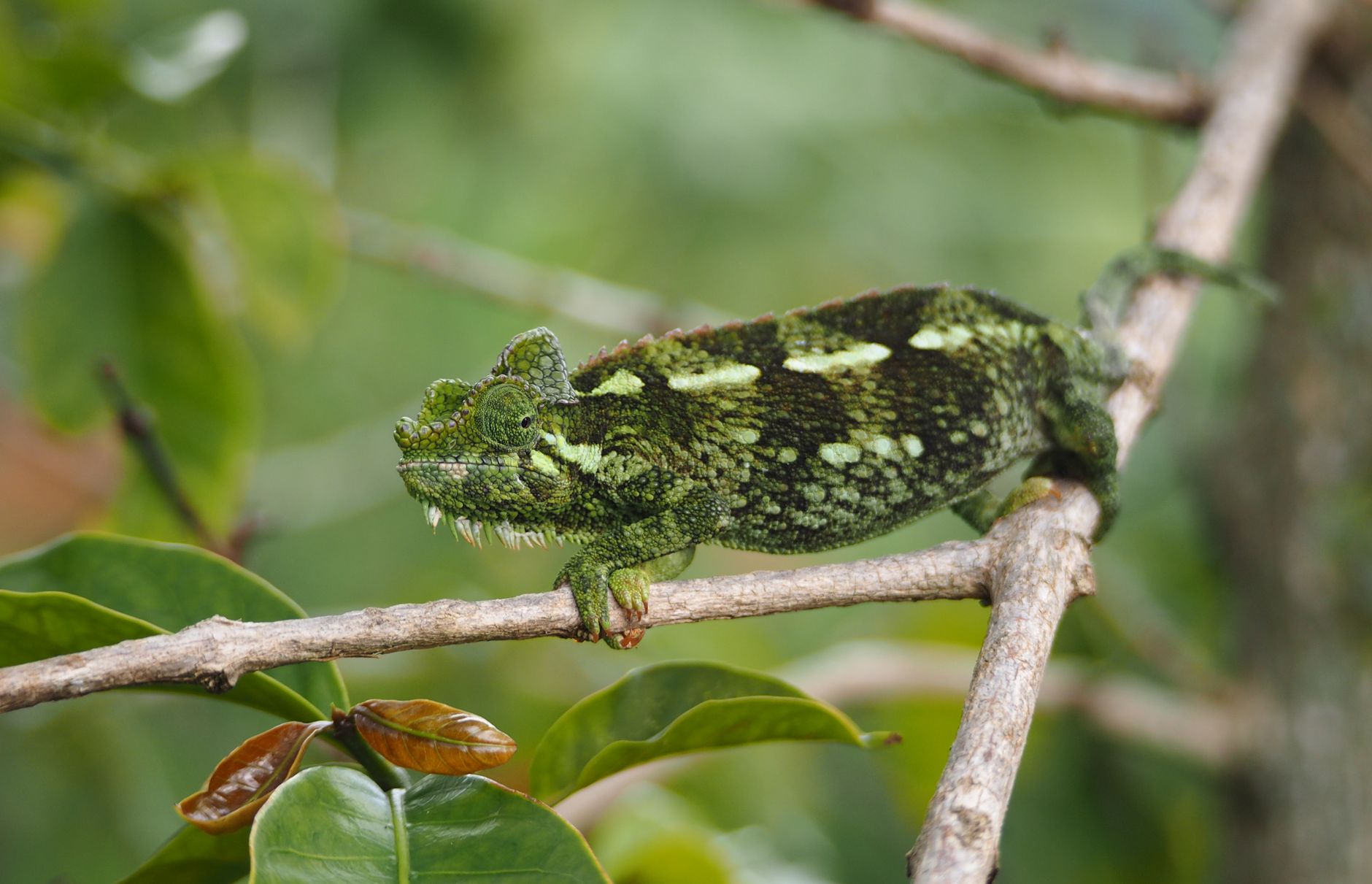
For chameleons and Madagascar’s extraordinary insect life, a 90–105mm macro lens is arguably more important than a telephoto. The Brookesia chameleons — some under 3 cm in full adult length — require macro capability to fill a frame meaningfully. A 90–100mm macro also doubles as a portrait lens for close lemur encounters when distance permits. Two-body systems (telephoto body + macro body) are the professional standard for Madagascar — switching lenses in humid forest air introduces moisture and dust risk. Our guide to Madagascar’s wildlife encounters covers the specific species and approach distances to plan your focal length decisions around.
Traveler with diabetes or chronic condition? Madagascar’s medical infrastructure is limited outside Antananarivo. Bring your own glucose monitoring kit — a 14-day-wear CGM eliminates strip/lancet hassle on multi-stop trips. Browse Sinocare CGMs.
Humidity, Heat and Protection: The Environmental Challenges
Humidity is the dominant equipment threat in Madagascar’s rainforest parks. Andasibe, Ranomafana, and especially Masoala operate at 80–95% relative humidity for extended periods. This is not a consideration for consumer cameras designed for normal use — it is a genuine risk of moisture ingress, fungal growth on lenses, and corrosion on electrical contacts over a multi-week trip. Mitigation: store all gear in sealed pelican-style cases with fresh silica gel desiccant packs when not in use; allow equipment to equilibrate to ambient temperature gradually when moving from air-conditioned accommodation to outdoor forest conditions (the condensation on cold equipment in warm humid air is the highest-risk moment); carry lens cloths and a rocket blower for removing moisture from glass surfaces.
Dust is the dominant threat in southern and western Madagascar — the southern dry forest (Berenty, Kirindy), the Isalo plateau, and any overland road travel. Dust infiltrates through body seals that handle humidity well. Change lenses inside a sealed bag or inside your vehicle, never in open dry-season air. The Isalo national park trails in the dry season produce a fine red laterite dust that is particularly abrasive. For reef and underwater photography around Nosy Be, see our responsible reef guide for underwater housing and salt-water care protocol.
Power, Memory and Field Essentials
Power access in Madagascar’s remote wildlife areas is the most commonly underestimated logistical challenge. Remote forest lodges typically provide generator electricity for 2–4 hours per evening only — insufficient to charge multiple camera batteries, a laptop, a phone, and a portable drive simultaneously. The solution: arrive with all batteries fully charged, carry 3–5 batteries per camera body, and bring a high-capacity power bank (20,000–30,000 mAh) charged in Antananarivo for trickle-charging accessories between generator sessions. A solar panel — 20–30W flexible design — is worth the weight for multi-day camps without any generator access.
Memory cards: Madagascar’s remote parks have no electronics retail. If a card fails or fills in the field, you have no replacement option. Carry at minimum 256 GB of total capacity across multiple cards — dual-slot bodies using two cards simultaneously (one CF Express or CFexpress Type A, one SD) provide in-field redundancy. Back up each day’s shoot to a portable hard drive or rugged SSD before sleeping — data loss from card failure is permanent. Our guide to responsible ecotourism in Madagascar covers the minimum-impact principles that apply to wildlife photography as much as to any other visitor activity.
Clothing, Physical Comfort and What to Leave Behind
Clothing for Madagascar wildlife photography prioritizes function over appearance. In rainforest parks: fast-drying synthetic or merino base layers, a lightweight waterproof jacket that packs to fist size (3-hour morning drizzles are normal at Andasibe), gaiters for leech protection on forest trails, and closed-toe trail shoes rather than sandals. Colour: muted earth tones (olive, tan, grey) — Madagascar wildlife is not particularly spooked by human presence but high-contrast clothing narrows your comfortable approach distance to skittish species. In dry southern Madagascar: long sleeves for sun and thorn protection, a wide-brim hat, and SPF 50 physical sunscreen (reef-safe if your itinerary includes any coastal snorkeling).
What to leave at home: large studio flash systems (no practical benefit in the field; LED panels are more useful for macro work); a full tripod (a monopod handles 90% of the stabilization need in forest with far less weight and setup time); and any lens over 600mm focal length equivalent (the practical distances in Madagascar’s parks make ultra-telephoto glass largely redundant — forest paths rarely give you a 50-metre clear line of sight anyway). Get SafetyWing Nomad Insurance before departure — it covers the traveler; verify separately whether your camera equipment requires specialist photography insurance for the replacement value of your kit.
Frequently Asked Questions
What focal length is best for photographing Indri lemurs in Andasibe?
A 400–600mm equivalent is the practical sweet spot. Indri are encountered at 15–40 metres on forest trails — a 100–400mm on a full-frame body gives adequate reach at the close end; a 200–600mm or 150–600mm covers the full range comfortably. Image stabilization matters more than maximum aperture in Andasibe’s low canopy light — prioritize IS/VR over f/4 vs f/5.6. A monopod significantly improves keeper rate during the 15–60 second calling bouts when the lemur is stationary.
How do I protect camera equipment from Madagascar’s humidity?
The critical protection is storage, not weather sealing. Even well-sealed bodies will accumulate internal humidity over a multi-week rainforest trip without active drying. Store all gear in an airtight container (Pelican case or ziplock bag with fresh desiccant) when not shooting. Swap desiccant packs every 2–3 days; rechargeable silica gel packs can be dried on a warm surface. Never change lenses in rain or high-humidity outdoor air — do it inside your bag or inside the vehicle.
Is flash photography allowed with Madagascar wildlife?
Flash is prohibited for nocturnal species — chameleons, tenrecs, aye-ayes, and all lemur species on night walks. Flash on nocturnal species causes genuine physiological stress and is unethical regardless of permit status. For daytime photography, flash is not prohibited but is generally unnecessary with modern high-ISO sensors. LED panel lights on low power are acceptable for close macro work with chameleons where ambient light is insufficient, but should be introduced gradually and removed at any sign of behavioral change.
Can I buy memory cards or batteries in Madagascar?
In Antananarivo city centre, yes — there are electronics shops around Analakely market area that carry SD cards and some universal camera batteries. Selection and brand reliability are limited, and counterfeit batteries are a significant risk. Outside Antananarivo, assume no electronics retail exists. Bring all cards and batteries from home, with generous redundancy. Do not rely on Madagascar supply for any critical photography equipment.
Madagascar wildlife photography rewards the prepared — the right lenses, dry storage, and enough batteries to outlast the generator hours. Get SafetyWing Nomad Insurance before departure for the traveler coverage, and check your camera insurer separately for the equipment — Madagascar’s field conditions are hard on gear, and replacement is not available in the parks.
Travel Insurance for Madagascar
Medical evacuation from Madagascar costs $30,000–$80,000. Don’t travel without cover.
- SafetyWing — monthly-subscription travel medical cover; you can check their plans.
- World Nomads — single-trip travel insurance with adventure-activity options.
Plan Your Trip to Madagascar
- Read the full Madagascar Travel Guide
- Explore itineraries by style and duration
- Explore the full destination guide
Where to Stay