Retiring in Madagascar 2026: Costs, Visas and Where Expats Actually Live
This post contains affiliate links. We may earn a small commission at no extra cost to you.
At a Glance
- Realistic monthly budget: $1,500 to $2,500 for a comfortable retiree couple in Antananarivo
- Visa pathway: Long-stay Visa de séjour, 3 years renewable, proof of pension required (around $1,500/month minimum)
- Where retirees cluster: Ivandry and Ambatobe (Tana), Nosy Be (beach), Diego-Suarez (cooler coast)
- Property catch: Foreigners cannot own land outright — long lease or Malagasy SARL only
- Healthcare reality: Private clinics in Tana, evacuation to Réunion or South Africa for surgery
- Antananarivo hotels for scouting visits: Compare on Agoda
- Long-term medical insurance: SafetyWing Remote Health
- Flight delay protection: Claim up to €600 with AirAdvisor
💼 Paperwork & Documents Kit
Keep your visa, passport and papers organised and secure:
- RFID passport holder — protects your passport and blocks card-skimming. See on Amazon →
- Travel document organizer — keeps visa papers, tickets and copies in one place. See on Amazon →
- Digital luggage scale — avoid overweight fees at the airport. See on Amazon →
- Travel journal — record the trip and keep key numbers offline. See on Amazon →
- Packing cubes — pack faster and find everything in seconds. See on Amazon →
As an Amazon Associate we earn from qualifying purchases.
Retiring in Madagascar is unusual but increasingly viable: low cost of living, tropical climate, and a manageable French-speaking expat community. The catch is that no one walks you through it — there is no glossy retirement-visa brochure like Portugal or Costa Rica. This guide lays out what a real Madagascar retirement looks like in 2026: the visa, the budget, the neighborhoods, the healthcare gaps, and the legal limits on property ownership.
The Long-Stay Visa: What It Really Takes
Madagascar does not market a “retirement visa” but issues a Visa de séjour (long-stay residence visa) valid 3 years and renewable indefinitely. Retirees apply under the non-immigrant retraité category. The core requirements are a clean criminal record from your home country (translated and apostilled), proof of monthly pension income — usually $1,500 minimum for a single applicant, more for a couple — and a Malagasy bank account opened with BFV-SG, BNI, or BOA showing a starting balance.
The application is filed through the Ministry of Public Security in Antananarivo, not your home embassy. Most retirees enter on a Visa Transformable (30-day tourist visa, around $37 on arrival) and convert it once on the ground, usually with help from a local fixeur or relocation agent — budget $400 to $800 for the full conversion service. Processing takes 2 to 4 months. Once issued, the visa de séjour also serves as a residence card, lets you import one personal vehicle duty-free in the first 6 months, and unlocks long-term phone and bank contracts. Renewal at year 3 is routine if your pension proof and police clearance stay current.
Where Retirees Actually Settle
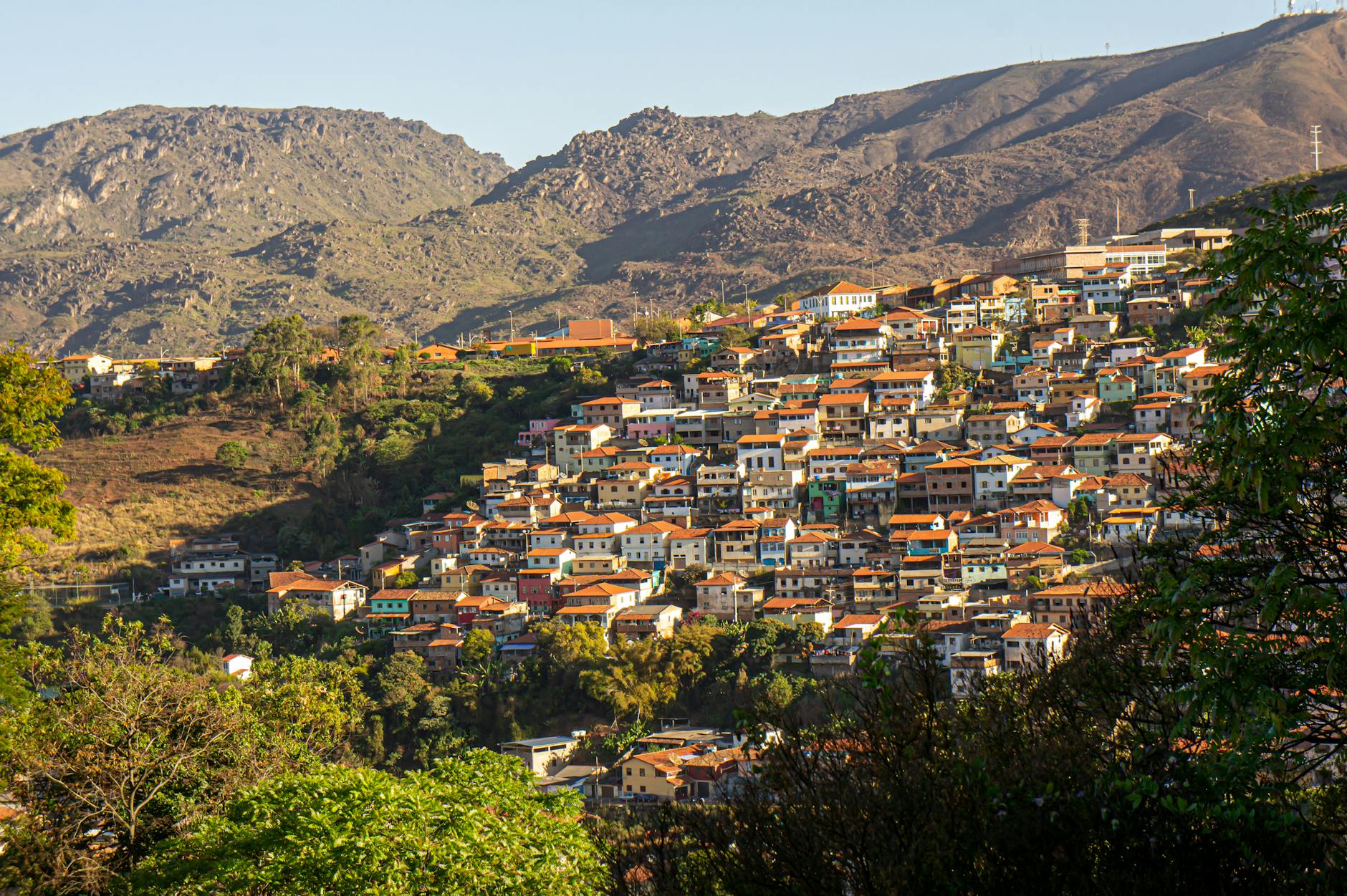
Three zones dominate. Antananarivo (Ivandry, Ambatobe, Andrainarivo) attracts retirees who want hospitals, embassies, French bakeries, and the airport on hand. Furnished 2-bedroom expat villas run $600 to $1,200 per month with garden and guard. Tana sits at 1,275 m altitude — cool nights, no malaria, but cold July evenings and traffic gridlock by 5 pm.
Nosy Be is the beach option: Ambatoloaka and Madirokely have a small but established French and Italian retiree colony, mostly in villas behind Andilana or above the Lokobe coast. Budget $500 to $1,000 monthly rent, plus electricity that runs higher because of air-con. Heat and humidity are the trade-off, and you fly to Tana for serious medical care. Diego-Suarez (Antsiranana) in the far north suits retirees wanting a port town with cooler trade-wind weather and lower prices than Nosy Be — but flight connections are less frequent. Most newcomers spend a scouting month in each before committing. Use Agoda to book Antananarivo scouting stays while you visit estate agents.
Healthcare: What Works, What Forces an Evacuation
For routine care, retirees use private clinics in Antananarivo: Polyclinique d’Ilafy, Clinique des Soeurs Franciscaines in Ankadifotsy, and Espace Médical in Tsaralalana. A consultation runs 50,000 to 120,000 MGA ($11 to $27). Pharmacies are well-stocked with French and Indian generics, and chronic prescriptions for blood pressure, statins, and diabetes are typically 60% to 80% cheaper than in Europe.
Where it breaks down is anything requiring surgery beyond appendicitis-level, modern oncology, cardiology intervention, or complex orthopedics. The default solution is medical evacuation: 90 minutes by air to La Réunion (CHU Saint-Pierre or Saint-Denis, EU-standard care) or 3.5 hours to Johannesburg. Without insurance, an evacuation flight alone costs $15,000 to $40,000. This is why nearly every long-term retiree carries dedicated international health cover with evacuation included. SafetyWing Remote Health is the most common pick for retirees under 75 because it covers evacuation, chronic conditions after a waiting period, and is renewable yearly without a US address.
The Honest Monthly Budget
For a retired couple wanting comfort without import-level luxury, plan $1,800 to $2,500 a month all-in. Rent in a furnished 3-bedroom villa in Ivandry or Ambatobe: $700 to $1,200. Domestic help (cleaner 4 days a week + part-time gardener): $100 to $180. A driver if you don’t want to drive yourself: $250 to $350. Groceries at Shoprite, Leader Price, and the Analakely market combined: $350 to $550 — French wine and imported cheese push this up fast.
Utilities are the surprise. Jirama (electricity and water) runs $40 to $90 in a Tana villa, but Nosy Be with air-con can hit $150. Telma fiber internet is 200,000 MGA per month ($44) for 50 Mbps. Health insurance for a couple aged 65 to 74 averages $280 to $450 monthly. Phone, fuel, restaurants, and entertainment add another $250 to $400. A leaner version of the same life — local-tier rent, no driver, market shopping only — is doable around $1,100 monthly per couple, but you lose the buffers that keep retirement comfortable.
Frequently Asked Questions
Can I retire in Madagascar on US Social Security alone?
Yes, if your monthly benefit clears about $1,500 net after Medicare and taxes. Couples filing jointly will usually want closer to $2,200 combined to meet visa proof comfortably and keep buffer for evacuation insurance.
Do I need to speak French to retire in Madagascar?
Effectively yes for Antananarivo. English works in upscale hotels and some clinics, but rental contracts, utility setup, banking, and any government paperwork are conducted in French. A 6-month course before arrival pays off enormously.
Is malaria a real concern for retirees?
Not in Antananarivo (too high altitude) or Diego-Suarez (dry breezy). It is real in Nosy Be and the coastal lowlands. Most long-term residents stop taking prophylaxis and instead use screened bedrooms, repellent at dusk, and rapid testing if fever appears.
Can I leave Madagascar with my pension still flowing?
Yes — keep your pension paid into your home-country bank, transfer to Madagascar monthly via Wise or a SWIFT wire to BFV-SG or BNI. Reporting requirements depend on your home tax residency, which the visa de séjour alone does not change.
Madagascar rewards retirees who do their homework: scout for a month, line up a real visa-conversion fixer, choose a neighborhood that fits your healthcare risk tolerance, and accept the property-ownership limits. Couples comfortable on $2,000 a month land in a much higher quality of life here than that same budget buys in Portugal or Mexico, but only if the safety net is in place. Before you set foot in Tana to start the visa conversion, get SafetyWing Remote Health — evacuation cover is the single non-negotiable line item of a Madagascar retirement.
Travel Insurance for Madagascar
Medical evacuation from Madagascar costs $30,000–$80,000. Don’t travel without cover.
- SafetyWing — monthly-subscription travel medical cover; you can check their plans.
- World Nomads — single-trip travel insurance with adventure-activity options.
Plan Your Trip to Madagascar
- Read the full Madagascar Travel Guide
- Explore itineraries by style and duration
- Explore the full destination guide
Where to Stay