Sea Turtles in Madagascar: Nesting Beaches and Best Season 2026
This post contains affiliate links. We may earn a small commission at no extra cost to you.
At a Glance
- Main nesting beaches: Nosy Hara (northwest), Masoala coast (northeast), Nosy Iranja
- Nesting season: October–February (species-dependent)
- Year-round snorkelling encounters: Nosy Tanikely — turtles nearly guaranteed
- Book diving and snorkelling tours: Browse on GetYourGuide
- Diving insurance: Compare World Nomads plans
🏖 Beach & Snorkel Kit
For Madagascar’s islands and reefs, pack these:
- UPF-50 rash guard — all-day sun protection in and out of the water. See on Amazon →
- Waterproof phone pouch — IPX8 case for boats, beaches and snorkelling. See on Amazon →
- Waterproof dry bag — keeps gear dry on boat transfers and paddling. See on Amazon →
- Quick-dry travel towel — packs tiny, dries in the Madagascar heat. See on Amazon →
- Reef-safe sunscreen — protects you and the coral reefs. See on Amazon →
As an Amazon Associate we earn from qualifying purchases.
Five sea turtle species use Madagascar’s coastline. Green turtles and hawksbill turtles are the most commonly seen, nesting on northwest and northeast beaches and feeding year-round across the western reef system. Understanding which season and which site matches the encounter you are looking for — nesting behavior, underwater feeding, or simply snorkelling alongside a turtle — dramatically changes your planning approach.
Plan your Madagascar trip:
Where Sea Turtles Nest in Madagascar — Best Beaches by Species
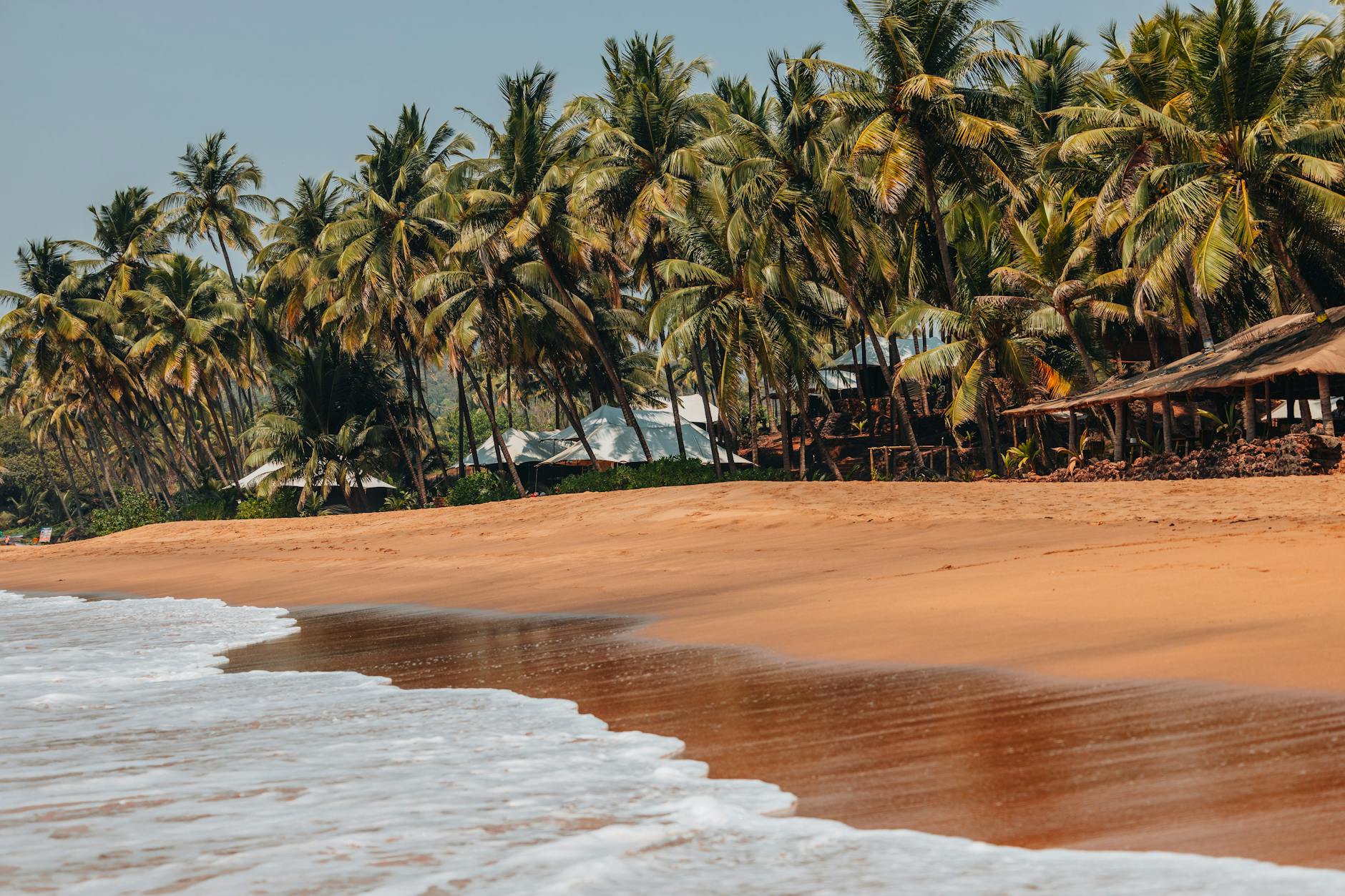
Madagascar’s most significant sea turtle nesting sites concentrate in the northwest and northeast. Nosy Hara Marine Park, a chain of islands 120km northwest of Mahajanga, is the most protected green turtle nesting area in the country. Surveys by the Wildlife Conservation Society identified over 200 individual females nesting there annually, with peak activity between November and January. The beaches are accessible only by boat from Analalava or Mahajanga — no permanent tourism infrastructure exists, which is partly why the nesting population remains healthy. On the northeast coast, beaches of the Masoala Peninsula and islands around Cap Est host hawksbill turtle nesting from October to February. Nosy Iranja, a classic day trip destination from Nosy Be, has a documented green turtle nesting population on its sandbar. Nest counts there run 40 to 80 per season. Nosy Boraha (Île Sainte-Marie) has historically supported leatherback turtle nesting, though documented sightings have become rarer in recent decades. Local conservation guides at Sainte-Marie’s marine association run night beach walks during peak season from November to January with prior booking required.
Month-by-Month Guide to Sea Turtle Encounters
October and November mark the start of nesting season for green and hawksbill turtles across the northwest. Females emerge at night — typically between 9pm and 2am — to dig nests above the high-tide line. Night beach walks require a licensed guide and prior authorisation at Nosy Hara Marine Park (entry permit 15,000 MGA). Approaching a nesting female before she has committed to her nest site causes her to return to the sea — always wait until digging has started, and never use white light. December to February is peak nesting, with multiple females on the same beach some nights at Nosy Iranja. March and April see late nesters and the first hatchling emergences. May to September shifts focus to feeding aggregations — turtles are not nesting but remain highly visible underwater at reef sites including Nosy Tanikely near Nosy Be and the northern reefs accessible from Ankarana. Green turtles at feeding sites are so accustomed to divers that they continue feeding without surfacing. October to December sees both the restart of nesting and the departure of the whale shark aggregation — the most species-rich window for any northwest itinerary.
Read also:
Save money on your Madagascar trip:
Best Sites to Snorkel and Dive with Sea Turtles
Nosy Tanikely Marine Reserve, 15km southwest of Nosy Be, is Madagascar’s most accessible turtle snorkelling site. Green turtles inhabit the shallow reef shelf around the island’s eastern face — encounters are near-certain on any visit from May to November when visibility averages 15 to 25 metres. Day-trip boats from Ambatoloaka or Hell-Ville take 30 to 45 minutes. Reserve entry fee is 20,000 MGA per person. Nosy Sakatia, west of Nosy Be, has a resident hawksbill population living around its sea wall — best observed between 6am and 9am before dive boats arrive. On the west coast, reef systems around Ifaty and Anakao hold green turtles year-round, accessible by pirogue from fishing villages. These southern sites are less visited and the turtles less habituated, giving encounters a wilder quality. For dramatic deep-water turtle diving — large individuals feeding on coral outcrops at 10 to 20 metres — the Barren Islands (Nosy Vao), accessible by liveaboard from Nosy Be, deliver encounters rare even by Indian Ocean standards.
Rules That Protect Nesting Turtles — and Why They Matter
Sea turtle populations in Madagascar face pressure from egg poaching, fishing net bycatch and habitat degradation. All five species present are protected under national law and CITES, with poaching carrying fines and imprisonment. For visitors on nesting beaches: never approach a turtle emerging from the sea until she has begun digging, never use flash or white light during nesting, never touch eggs or hatchlings, maintain a 5-metre minimum distance while a female nests, and never redirect hatchlings heading toward the sea. Underwater: never chase, touch or block a swimming turtle, never remove turtles from the water for photographs, and never use flash underwater on turtles within 3 metres. Operators that allow tourists to ride or hold turtles are operating illegally — report them to the nearest ANGAP office. Choosing an operator who trains guides in turtle behavior standards is the single most direct action a tourist can take to support nesting population recovery. Your choice of operator shapes what operators everywhere in Madagascar believe the market will accept.
Ready to book your Madagascar trip?
Frequently Asked Questions
Where is the easiest place to see sea turtles in Madagascar?
Nosy Tanikely Marine Reserve near Nosy Be offers the most reliable encounters year-round, with green turtles almost guaranteed on any visit. For nesting behavior, Nosy Hara in the northwest (November–January) is the most significant site but requires a boat charter.
Is it possible to watch sea turtles nesting at night?
Yes, with a licensed guide at authorised nesting beaches such as Nosy Iranja and Nosy Hara. Night beach walks are run by local conservation guides during the October–February season. Never attempt independent night walks on nesting beaches.
Are sea turtles endangered in Madagascar?
Yes. All five species present in Madagascar are classified as threatened or critically endangered under IUCN criteria. Green turtles and hawksbill turtles face the highest pressure from egg poaching and fishing net bycatch.
Madagascar’s sea turtle encounters range from guaranteed snorkelling interactions at Nosy Tanikely to rare nesting beach walks at Nosy Hara. The key is matching your travel window to the experience you want — underwater feeding encounters are best from May to October, while nesting behavior requires an October-to-February visit. Use a licensed guide in both cases, respect the approach rules, and the encounter will be among the most memorable moments of your trip.
Plan Your Trip to Madagascar
- Read the full Madagascar Travel Guide
- Explore itineraries by style and duration
- Explore the full destination guide
Where to Stay
Hotels, lodges, and tours fill fast for July–September — compare availability now.