South Madagascar Surfing Complete Guide 2026: Breaks, Seasons, Access & Costs
Affiliate disclosure: This article contains sponsored links to hotels, tour operators, insurance providers, and other travel services. We earn a small commission if you book through our links, at no extra cost to you.
South Madagascar Surfing Complete Guide 2026 — At a Glance
- Why the south: Madagascar’s premier surf region — world-class, uncrowded reef breaks, long lefts, warm water, and waves you’ll often have entirely to yourself
- Core area: Lavanono and the deep south coast, plus the southwest (Tuléar) and Fort Dauphin (Tôlanaro) areas
- Wave type: Reef breaks — long, powerful lefts; for experienced intermediate-to-advanced surfers
- Best season: Southern-hemisphere winter (April–September), core May–August
- Access: Remote — flights to Fort Dauphin or Tuléar, then overland or charter; a committed journey
- Flight protection: EU261 €600 per passenger on disrupted European inbound flights
- Travel insurance: SafetyWing Nomad Insurance — confirm it covers surfing
- Coastal stays: Madagascar stays on Agoda
🏖 Beach & Snorkel Kit
For Madagascar’s islands and reefs, pack these:
- UPF-50 rash guard — all-day sun protection in and out of the water. See on Amazon →
- Waterproof phone pouch — IPX8 case for boats, beaches and snorkelling. See on Amazon →
- Waterproof dry bag — keeps gear dry on boat transfers and paddling. See on Amazon →
- Quick-dry travel towel — packs tiny, dries in the Madagascar heat. See on Amazon →
- Reef-safe sunscreen — protects you and the coral reefs. See on Amazon →
As an Amazon Associate we earn from qualifying purchases.
The south is the heart of Madagascar surfing — a long, wild, swell-exposed coast hiding world-class reef breaks that see almost no one all season. From the celebrated long lefts around Lavanono in the deep south to the reef setups of the southwest and the swell-catching coast around Fort Dauphin, this region holds the waves that make Madagascar a genuine surf frontier. This complete guide covers the breaks, the conditions, the season, how to reach the remote coast, who it suits, and exactly how to plan a south Madagascar surf trip that delivers empty, quality waves. For the wider context, see our Madagascar surfing pillar; this guide focuses on the south itself.
What makes the south special is the combination of quality reef waves and genuine remoteness. The same isolation that makes the coast hard to reach is what keeps the lineups empty — and for experienced surfers chasing solitude, that trade is the entire appeal. This is not a developed surf strip with signposted breaks and beginner schools; it is a frontier coast for self-sufficient, competent surfers who want waves no one else is riding. Understanding the south’s character — wild, remote, reef-dominated, and rewarding — is the key to planning a trip that suits you.
Why the South Is Madagascar’s Surf Heartland
The south’s surf credentials rest on several strengths. The coast is fully exposed to the Southern Ocean swell, receiving consistent winter waves that the more sheltered coasts miss. The reef breaks are world-class, particularly the long lefts that peel down coral points for impressive distances. The water is warm by surf-destination standards, allowing boardshorts or a light wetsuit. And the remoteness keeps it empty — the defining quality that has nearly vanished from the world’s known surf zones. Together, these make the south not just Madagascar’s best surf but one of the last genuinely uncrowded world-class surf regions anywhere.
The flip side is access and infrastructure: the south is among the harder parts of Madagascar to reach, with minimal surf infrastructure and basic comforts. But for the experienced, adventurous surfer, those are features, not flaws — they are exactly what keeps the waves uncrowded. The south rewards the surfer who treats the trip as an expedition and values empty, quality waves above convenience.
The Surf Areas of the South
Lavanono and the deep south — the premier zone
The deep south around Lavanono is the premier surf area, home to the long lefts that have drawn intrepid surfers for years. A small surf camp at Lavanono has long served as the base. The waves are world-class and almost entirely uncrowded, breaking over reef in a wild, end-of-the-earth setting. The area is genuinely remote, reached by a long overland journey from Fort Dauphin or Tuléar, and suits self-sufficient surfers. For most who come to surf the south, Lavanono and its surrounding breaks are the goal — the waves that define Madagascar surfing.
The southwest and Tuléar (Toliara)
The southwest around Tuléar, with its long barrier reef, offers additional surf along the reef in season. This area is somewhat more accessible than the deep south and combines with the southwest’s other attractions. The reef setups vary and require local knowledge to find and time, but for surfers exploring the southwest, there are quality waves to be discovered along the reef.
Fort Dauphin (Tôlanaro) and the southeast
Fort Dauphin in the southeast picks up swell and offers surf, with the significant advantage of an airport and being a more established travel hub. For surfers wanting waves with somewhat easier access — or as a staging point for the deeper south — the Fort Dauphin area is worth exploring, though the standout world-class reef breaks remain in the remote deep south.
The South’s Wild Character
To understand surfing the south, you have to understand the region itself. This is one of the wildest, least-developed corners of Madagascar — a vast, sparsely-populated coast of spiny forest, traditional fishing villages, dramatic landscapes, and long empty beaches. There are few roads, little infrastructure, and almost no tourism beyond the handful who come for the waves or the region’s unique nature. The pace is slow, the comforts basic, and the sense of remoteness profound. For the surfer, this character is inseparable from the appeal: the same wildness that makes the journey long and the comforts simple is what keeps the breaks empty and the experience authentic.
The south is also genuinely beautiful in a stark, end-of-the-earth way — the spiny forest’s alien silhouettes, the endless coast, the big skies, and the warmth of communities little touched by the outside world. Surfers who come expecting only waves often leave struck by the region itself. It is not a place that hands you convenience; it is a place that rewards those who meet it on its own terms with an experience — surfing and otherwise — that the developed world has largely lost. Embracing the south’s character, rather than wishing it were more comfortable or accessible, is the key to loving a surf trip here. The waves are the reason to come, but the wild setting is what makes the trip unforgettable.
The Waves: Reef Breaks and Long Lefts
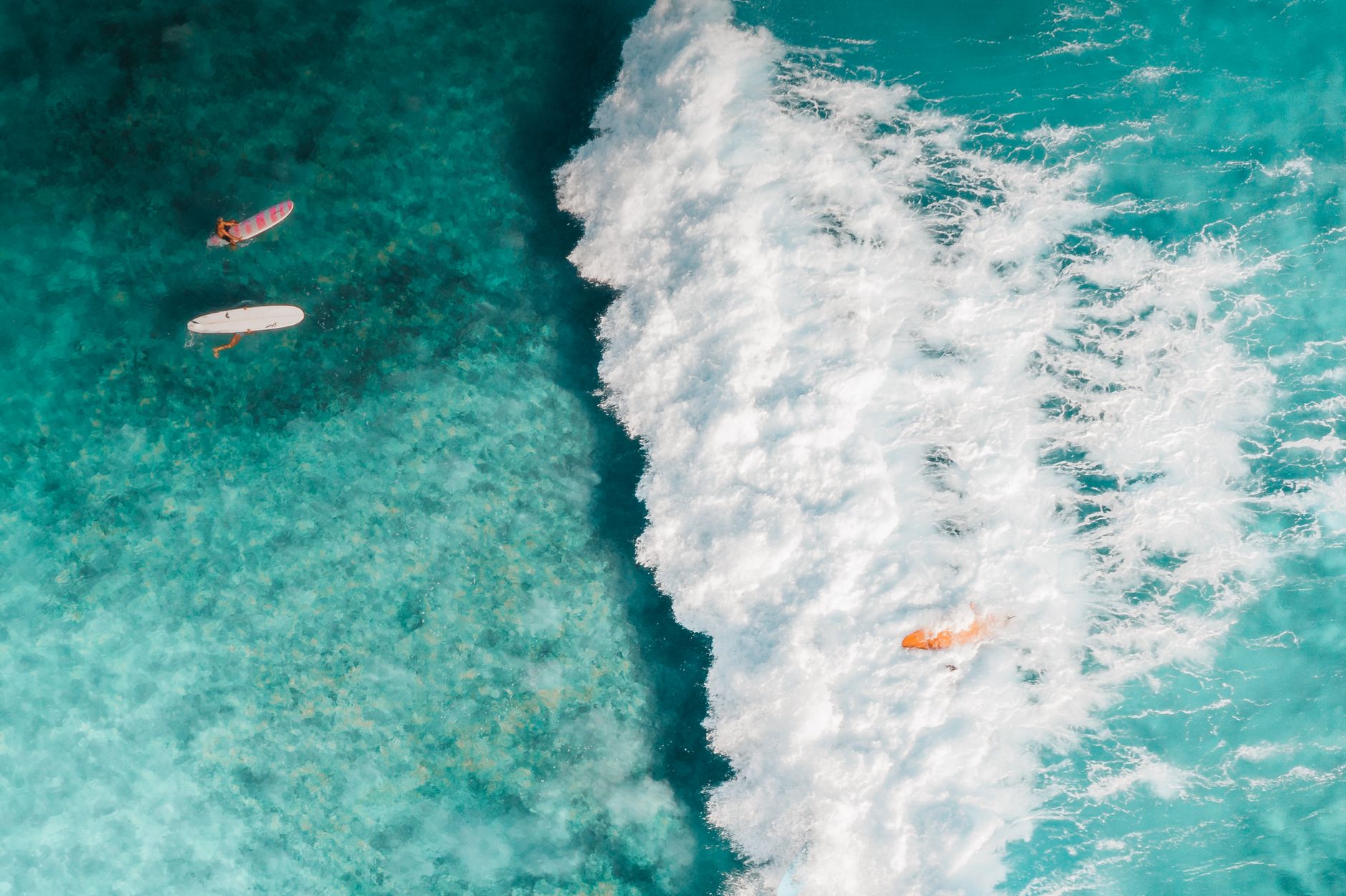
The south’s surf is predominantly reef breaks, with the standout waves being long, fast left-handers. These peel down coral points and reefs for impressive distances, offering the kind of long, makeable wall that experienced surfers prize. Wave size varies with the swell, from manageable shoulder-high days to substantial bigger swells. As reef breaks, they are powerful and well-formed but unforgiving — shallow reef below, demanding competent surfing and respect. The lefts are the signature, though some rights and other setups exist along the coast. Because the breaks are reef and the coast wild, local knowledge of which break works in which swell and wind is invaluable for scoring rather than searching. This is intermediate-to-advanced reef surfing, not beginner beach-break territory.
When to Surf the South
The south’s surf season is the southern-hemisphere winter, roughly April–September, when the Southern Ocean generates the most consistent swell. The core of the season — around May–August — typically offers the most reliable waves. Wind matters too: offshore conditions clean up the reef breaks, and mornings are often best before the wind builds. Outside the winter swell window, the surf is less consistent. Because swell timing is everything, plan your trip for the winter season, ideally with some date flexibility to chase the swell, and lean on local knowledge to time sessions. A surf camp or specialist who knows the south’s conditions can advise on the best windows. As a rule: come April–September, aim for the May–August core, and build in enough days to let the swell come good.
Getting to the South
The south is remote, and reaching the surf is a committed journey. Most surfers fly internationally to Antananarivo (via Paris, Addis Ababa, Nairobi, or Mauritius), then take a domestic flight to Fort Dauphin (Tôlanaro) or Tuléar (Toliara). From there, the deep south around Lavanono requires a long overland journey (4×4) or a charter — genuinely remote travel across the spiny-forest landscape. The southwest and Fort Dauphin areas are more accessible from their respective airports. Because surf trips involve board bags and remote transfers, plan carefully: confirm board-bag baggage allowances on domestic flights, allow buffer days against delays, and protect your inbound flights — if a European inbound flight is disrupted, EU261 protection can return up to €600 per passenger. A surf camp or specialist handling the southern logistics is a major advantage for such remote travel.
Reading the Swell and Wind in the South
Scoring in the south comes down to swell and wind, and understanding both helps set expectations. The swell arrives from the Southern Ocean, strongest and most consistent through the winter months, marching up from the deep south. Bigger swells light up the reef breaks; smaller days can still offer fun, makeable waves on the right reef. The wind is the other key factor — offshore or light winds clean up the faces and make the reef breaks their best, while strong onshore winds can blow them out. Typically, mornings offer the cleanest conditions before the wind builds through the day, so dawn sessions are often prime.
The practical upshot is that flexibility and local knowledge are everything. Rather than fixing rigid surf times, the best approach is to watch the forecast and conditions with a knowledgeable guide and surf when the swell and wind align — which is exactly why a camp or guide who reads the south’s conditions is so valuable. Surfers who arrive expecting to surf the same break at the same time every day will be frustrated; those who chase the conditions, moving to whichever reef works on a given swell and wind, score the best waves. This is reading-the-ocean surfing, not scheduled surfing, and embracing that rhythm is central to a successful south trip. A good guide turns the south’s variable conditions from a frustration into the key to scoring. Over a week of watching the forecast and chasing the windows, even a variable swell period usually delivers several memorable sessions — which is exactly why allowing enough days, and trusting local knowledge to time them, matters so much in a region where the ocean, not a schedule, decides when you surf, and where the surfers who stay flexible and patient are almost always the ones who score the best and most memorable waves of the entire trip, often on a day they had least expected it.
Where to Stay and What to Bring
Accommodation in the deep south is basic — the surf camp at Lavanono and simple lodgings, reflecting the remoteness. In Fort Dauphin and Tuléar, more conventional hotels are available as staging points; browse accommodation on Agoda for these hubs. For gear: bring your own boards suited to powerful reef waves, with spares and a repair kit (no surf shops in the remote south), plus booties for the reef, a helmet if you use one, reef-safe sunscreen, a light wetsuit or rash vest, and a first-aid kit including reef-cut supplies. Confirm board-bag allowances on domestic flights. Self-sufficiency is essential — arrive with everything, as you cannot buy or rent surf gear in the south. A specialist or camp can advise exactly what to bring for the breaks and season.
What a Session in the South Feels Like
To picture it: you wake at a simple camp on the wild south coast, the Southern Ocean swell marching in as clean lines on the horizon. After coffee and a conditions check with the local guide, you make the short trip to the break — a reef point peeling a long left into warm, empty water, with no one else out. You paddle into position, read the reef, and wait; when your wave comes, it’s a long, fast wall that lets you trim and turn for what feels like forever, the unmistakable feeling of a quality reef left. Between sets, there’s nothing but the ocean and the wild coast behind you. You surf until your arms give out, knowing the wave is yours alone, then return to camp to eat, rest, and watch the swell for the afternoon.
That rhythm — empty, quality waves in a wild setting, earned by the effort of reaching them — is the essence of surfing the south. After the crowded, competitive lineups of the world’s known breaks, the solitude is a revelation: a world-class reef left, peeling perfectly, with no one to share it. For the surfers the south suits, that solitude is the whole point and an increasingly rare privilege, and it is what brings them back.
A Sample South Surf Trip
To show how a trip comes together, here is a representative shape for the deep south:
Days 1–2: International arrival in Antananarivo, domestic flight to Fort Dauphin or Tuléar, then the overland journey to the Lavanono area — travel days through the spiny-forest south.
Days 3–4: Settle into the camp, learn the local breaks with the guide, and ease into the surf as conditions allow.
Days 5–7: Peak surfing — chasing the swell across the area’s reef breaks, the long lefts the highlight, with flat or onshore mornings spent resting or exploring.
Days 8–9: More surf as the swell allows, then begin the journey back.
Day 10: Return via Fort Dauphin/Tuléar and depart.
This shape reflects the reality of the remote south: travel days at each end, and enough surf days in the middle to let the swell come good. The more days you allow, the better your chances of scoring — a short trip risks coinciding with a flat or onshore spell. Flexibility and patience are rewarded.
Why Local Knowledge Is Essential in the South
The south rewards local knowledge more than almost any surf region. The breaks are not mapped or signposted; knowing which reef works in which swell direction and wind is the difference between scoring and searching. The coast is wild and the conditions variable, so a guide who knows the area can put you on the right wave at the right time. The logistics — reaching remote breaks, transfers, accommodation — are complex and best handled by people who know the south. And the reef hazards and remoteness make local guidance valuable for safety. For most surfers, a camp or guided trip with genuine local knowledge dramatically improves both the waves scored and the safety, and is far less stressful than improvising in a roadless, infrastructure-light region. Going fully independent is possible only for the most experienced and self-sufficient. A Madagascar-resident specialist can connect you with the right local people and handle the southern logistics — a major advantage for a region this remote. Surfers combining the trip with other watersports may also enjoy our kitesurfing and watersports pillar.
The Cost of a South Surf Trip
South surf trip costs reflect the remoteness. A camp-based week around Lavanono — accommodation, local guiding, daily surfing — typically runs $2,000–$4,500 per surfer all-in including international flights, depending on the camp and how remote you go. A surf expedition reaching the wildest breaks, sometimes by charter, runs higher. The biggest cost drivers are the remote transfers (the harder to reach, the more they cost), the camp or expedition style, trip length, and international airfare. Travelling in a small group reduces per-person transfer and guiding costs. For a full breakdown by tier, see our surf trip cost guide, linked from the surfing pillar. South surf trips aren’t cheap relative to a developed surf destination, but the cost reflects the remoteness — and the reward is waves you’ll have entirely to yourself.
Safety on the South’s Reefs
The south demands a safety-conscious approach. The reef breaks have shallow coral below, so reef cuts and injuries are a real risk — booties, reef knowledge, and competent surfing are essential. The remoteness means medical care is far away, raising the stakes of any injury. Surf within your limits, never surf alone in remote spots, heed local advice on the reef and conditions, and carry a first-aid kit. Crucially, confirm your travel insurance covers surfing, as many policies exclude it — SafetyWing Nomad Insurance offers flexible coverage suited to active travel; verify the surfing inclusion. For remote reef surfing far from help, surfing-inclusive insurance and a cautious approach are non-negotiable. The south rewards respect and punishes recklessness.
Combining the South’s Surf With Its Wild Region
The south is one of Madagascar’s most distinctive regions, and a surf trip can fold in its remarkable attractions on flat days or for non-surfing companions: the spiny forest with its alien endemic plants, the reserves and landscapes around Fort Dauphin and the southwest, and traditional cultures little touched by tourism. This wild, off-the-beaten-path region rewards the curious traveller, and the same remoteness that keeps the surf empty makes the surroundings genuinely untouched. For surf-and-explore trips, the combination of empty reef waves and untouched landscape is part of what makes the south so special. That said, the remoteness means a south surf trip is a committed undertaking — most surfers come primarily for the waves, with the region’s other attractions a bonus.
Choosing Your Base in the South
Where you base yourself in the south shapes the trip. Lavanono and the deep south put you closest to the premier reef breaks and the long lefts, with the trade-off of maximum remoteness and basic comforts — the choice for dedicated surfers chasing the best waves. Fort Dauphin (Tôlanaro) offers an airport, more conventional accommodation, and somewhat easier access to surf, suiting those wanting a less committed trip or a staging base. Tuléar (Toliara) in the southwest provides access to the barrier-reef breaks and the region’s other attractions. For the truly world-class waves, the deep south is the goal; for easier logistics and a softer introduction, Fort Dauphin or Tuléar work as bases. Many trips combine a staging stop at Fort Dauphin or Tuléar with the journey to the deeper breaks. A specialist can advise the best base for your priorities, balancing wave quality against access and comfort.
The decision often comes down to how committed you are: the further south and more remote you go, the better and emptier the waves, but the harder the journey and the more basic the comforts. Surfers should be honest about where on that spectrum they sit — there is no shame in basing somewhere more accessible if the deep south’s expedition nature doesn’t appeal, and there are waves to be found beyond the most remote breaks.
Boards and Gear for the South
The south’s powerful reef waves call for the right quiver. Most surfers bring a board suited to long, fast walls and a step-up for bigger days, plus spares — board damage on reef is common and there are no replacements available in the remote south. A solid repair kit is essential. Beyond boards, the gear that matters: booties (the reefs are sharp, and reef entries and exits demand them), a helmet for shallow reef if you ride one, reef-safe sunscreen (the sun is intense), a light wetsuit top or rash vest, and a comprehensive first-aid kit including supplies for reef cuts. Confirm board-bag baggage allowances on domestic flights, which can be restrictive and add cost. The golden rule for the south: complete self-sufficiency. There are no surf shops, so anything you might need — wax, leashes, fins, fin keys, ding repair, first aid — must come with you. A specialist or camp can provide a detailed gear checklist for the breaks and season.
First Time Surfing Madagascar: What to Know
For surfers heading to the south for the first time, a few realities help set expectations. The journey is long and part of the adventure — embrace it rather than fighting it. The waves are not guaranteed on any given day; swell and wind vary, so patience and enough days matter. The comforts are basic, especially in the deep south — this is camping-style surf travel, not a resort. Self-sufficiency is essential — bring everything, expect no infrastructure. Local knowledge transforms the trip — a guide who knows the breaks is worth their weight in gold. And the reward is real — for the surfer who arrives with the right mindset and ability, the south delivers world-class, empty waves that few others ever ride. Surfers who understand and embrace these realities have the trip of a lifetime; those expecting convenience and guarantees are frustrated. Honest expectations are the foundation of a great south surf trip.
Planning Your South Madagascar Surf Trip
A great south surf trip rewards careful planning and honest self-assessment. The keys: be sure your level suits reef breaks (intermediate-to-advanced); time the trip to the winter swell season (April–September, core May–August); base around Lavanono for the premier waves, or Fort Dauphin/Tuléar for easier access; go with a camp or guide for local knowledge and logistics; bring all your gear (self-sufficiency is essential); plan the remote transfers carefully; confirm insurance covers surfing; and allow enough days to let the swell come good. Let a Madagascar-resident specialist handle the complex southern logistics. See the full regional context in our Madagascar surfing pillar, and the wider coastal picture in our best beaches and coastal escapes guide.
Carla / Voyagiste Madagascar (bespoke south surf planning)
Madagascar-resident specialist for south surf trips. Contact Carla directly to plan a south Madagascar surf trip matched to your level, dates, and appetite for adventure — the right area, season, camp or guide, and seamless logistics for the remote south, so you score the empty reef waves the region is known for among surfers in the know.
Frequently Asked Questions
Where is the best surfing in south Madagascar?
The deep south around Lavanono offers the premier reef breaks and long lefts. The southwest (Tuléar) and Fort Dauphin areas also have surf, with somewhat easier access.
When is the surf season in the south?
The southern-hemisphere winter, roughly April–September, with the core season around May–August offering the most consistent Southern Ocean swell.
How do I get to the south’s surf?
Fly to Fort Dauphin (Tôlanaro) or Tuléar, then overland (4×4) or charter to the deep south around Lavanono — a remote, committed journey.
Can beginners surf the south?
Not really — the waves are reef breaks unsuited to learning, and the areas are remote. The south suits experienced intermediate-to-advanced surfers.
Where do I stay surfing the south?
Basic accommodation including the surf camp at Lavanono in the deep south; more conventional hotels in Fort Dauphin and Tuléar as staging points.
Do I need special insurance?
Yes — and it must cover surfing, which many policies exclude. See SafetyWing.
🏄 Plan Your South Madagascar Surf Trip With Carla
The south hides Madagascar’s best, emptiest waves. Reach out to Carla, our Madagascar-resident specialist, for the right area, season, camp, and logistics for the remote south.
Plan Your Trip to Madagascar
- Read the full Madagascar Travel Guide
- Explore itineraries by style and duration
- Explore the full destination guide
Where to Stay