Sustainable Eco-Certified Lodges Madagascar: ANGAP Certified Stays
This post contains affiliate links. We may earn a small commission at no extra cost to you.
At a Glance
- What it means: Lodges operating under conservation standards near MNP-managed protected areas
- Price range: €40–350/night depending on tier
- Best for: Wildlife access, conservation credibility, low-impact travel
- Top regions: Andasibe, Ranomafana, Isalo, northwestern coast
- Book national park tours: Browse Madagascar wildlife tours on GetYourGuide
- Compare lodge prices: Search Madagascar eco-lodges on Agoda
- Travel insurance: SafetyWing — covers remote park locations
🎒 Madagascar Trip Essentials
A few inexpensive items make the biggest difference on the ground in Madagascar:
- Picaridin insect repellent — DEET-free protection against malaria mosquitoes. See on Amazon →
- Permethrin clothing spray — treat clothes; kills mosquitoes on contact for weeks. See on Amazon →
- Pop-up mosquito net — budget lodges rarely provide one; packs down tiny. See on Amazon →
- Water filter bottle — tap water isn’t safe to drink in Madagascar. See on Amazon →
- Universal travel adapter (USB-C) — Madagascar uses European-style plugs. See on Amazon →
- 8×42 binoculars — essential for spotting lemurs and chameleons in the canopy. See on Amazon →
As an Amazon Associate we earn from qualifying purchases.
Madagascar’s best eco-lodges are not simply hotels with green branding — they operate under real constraints: solar power, composting waste systems, locally sourced materials, and employment structures that keep income inside the community around the park. Understanding what eco-certification actually means in the Malagasy context helps travelers identify lodges where their stay genuinely contributes to conservation rather than just claiming to.
What Eco-Certification Actually Means in Madagascar
Madagascar National Parks (MNP), formerly known as ANGAP, does not operate a single standardized eco-lodge certification scheme in the way that, for example, Kenya’s EATC does. Instead, eco-credentials in Madagascar emerge from a combination of factors: compliance with MNP buffer zone operating agreements, adherence to park visitor guidelines, participation in community revenue-sharing schemes, and in some cases third-party certification from international bodies such as the Rainforest Alliance or the Global Federation of Ecotourism.
When Malagasy lodges describe themselves as ANGAP-endorsed or MNP-affiliated, this typically means they hold a formal operating concession within or adjacent to a protected area, are required by agreement to employ local staff, follow waste management protocols, and contribute a percentage of revenue to the park management fund. This is a meaningfully higher bar than a lodge simply describing itself as eco-friendly. Before booking, ask whether the lodge has a written concession agreement with MNP and what percentage of staff are from the local community. Combine your lodge stay with a guided park walk on GetYourGuide.
Top Eco-Certified Lodges by Region
In the Andasibe-Mantadia corridor, Vakôna Forest Lodge operates adjacent to a private lemur reserve and the Andasibe-Mantadia National Park perimeter, employing almost entirely local staff and running a conservation program for lemurs and reptiles on site. The property sits within a managed forest area and maintains real wildlife habitat rather than ornamental gardens.
Near Isalo National Park, Relais de la Reine is a boutique lodge built into the sandstone landscape with solar energy, local stone construction, and guided access to Isalo’s canyon swimming pools and rock arches that most independent visitors cannot reach without a property concession. On the northwest coast, Anjajavy Le Lodge operates on a private peninsula within a dry deciduous forest reserve, the only accommodation within an area that functions as a de facto wildlife sanctuary. At the budget end near Ranomafana, Camp Catta sits within the Anja Community Reserve — a rare example of a community-entirely-owned and managed park that generates enough revenue to fund its own protection without NGO support. Check current rates at Madagascar eco-lodges on Agoda.
What to Expect at a Certified Lodge: Standards and Real Conditions
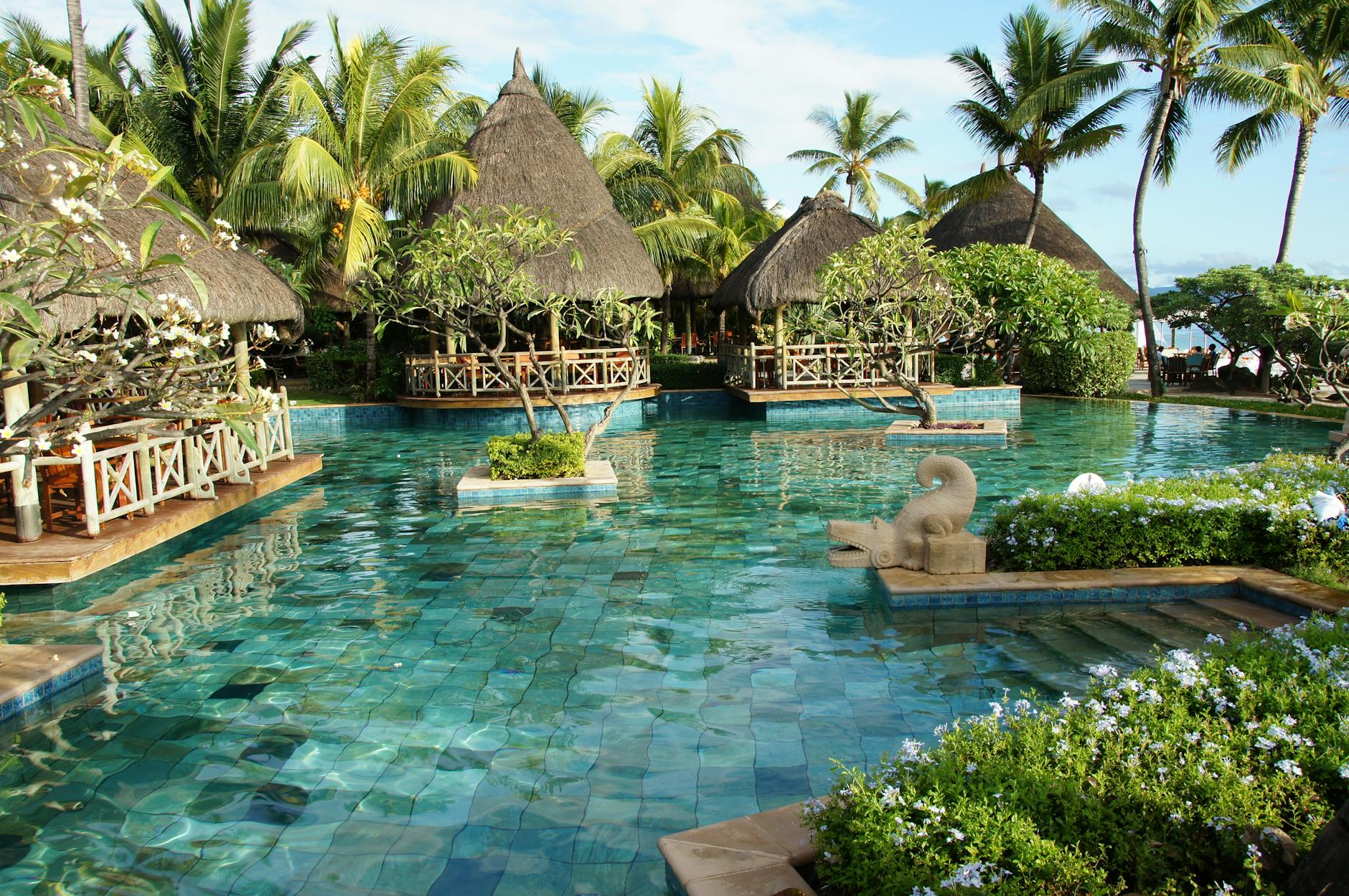
Eco-certification affects operations, not necessarily comfort. Anjajavy Le Lodge, for example, delivers luxury — private villa plunge pools, gourmet dining, spa — within a rigorous environmental framework. Vakôna Forest Lodge is mid-range with bungalows and a pool but no air conditioning in standard rooms. Camp Catta is basic camping with community-cooked meals. What links them is verifiable commitment to place: local hiring, waste management, and wildlife protection protocols.
Generators and solar systems mean power can be intermittent, especially during extended cloudy seasons. Hot water depends on solar heating — excellent in sunny dry season, variable in wet season. Most eco-lodges maintain a strict no-single-use-plastic policy, so bring a reusable water bottle and accept that some amenities familiar from conventional hotels will simply not be present. These are deliberate operational choices. The tradeoff is access: staying within or adjacent to protected areas means wildlife comes closer, morning walks happen before tour groups arrive, and the guides are people who have lived with this forest their entire lives. Get SafetyWing travel insurance — remote lodge locations mean any medical emergency requires evacuation.
How to Verify Certification and Book Responsibly
The most reliable way to verify a Madagascar lodge’s conservation credentials is to ask directly and cross-reference. Request: the name of the MNP concession agreement or buffer zone management contract, the percentage of staff hired from the local community, and the lodge’s waste management and energy system documentation. Reputable eco-lodges answer these questions readily. If a lodge describes itself as eco-friendly but cannot answer within 24 hours, that is informative.
Booking directly with the lodge often benefits the property more than booking through a third-party platform, which charges commission of 15–20%. For mid-range and luxury eco-lodges, direct booking also gives access to itinerary customization and guide pre-assignment. For budget options at community campsites, direct contact through the park entry office or local guides is standard. If booking through an online platform is more convenient, Agoda lists several Madagascar lodges and shows real-time availability. Always confirm the lodge is still operating before departure — some remote properties close seasonally or change ownership without updating online listings. Arrange 4WD transport to reach remote lodges via Carla.
Frequently Asked Questions
Is there a single official eco-certification label for Madagascar lodges?
No single official national eco-certification label exists. Eco-credentials in Madagascar come from MNP concession agreements, community revenue-sharing participation, and in some cases international third-party certifications like Rainforest Alliance. Ask lodges directly for documentation of their operating agreement with Madagascar National Parks.
Are eco-lodges in Madagascar more expensive than standard hotels?
Not necessarily. Community-run eco-lodges near parks like Ranomafana and Anja are among Madagascar’s most affordable stays. Mid-range eco-lodges like Vakôna Forest Lodge are comparable in price to commercial hotels in nearby towns. Luxury options like Anjajavy Le Lodge sit at the top of the market. The price range spans €5 to €350+ per night depending on tier.
Can I visit Madagascar’s national parks without staying at an eco-lodge?
Yes. Park entry is available to all visitors with an MNP pass, and you can day-trip from commercial hotels in gateway towns. However, staying at a lodge within or adjacent to the park gives you dawn and dusk wildlife access that day-trippers miss entirely — the most active periods for lemurs, chameleons, and forest birds.
Eco-certified lodges in Madagascar represent the most direct link between tourism revenue and forest protection. Whether you choose a community campsite at Anja for €5/night or a private villa at Anjajavy for €350, the operating model is the same: your presence funds the forest rather than depleting it. The difference from a conventional hotel is not just philosophical — it is measurable in patrol salaries paid, hectares not cleared, and species not lost. Get SafetyWing travel insurance before heading into park areas — medical evacuation from remote Madagascar costs $30,000–$80,000 and most standard policies do not cover it.
Travel Insurance for Madagascar
Medical evacuation from Madagascar costs $30,000–$80,000. Don’t travel without cover.
- SafetyWing — monthly-subscription travel medical cover; you can check their plans.
- World Nomads — single-trip travel insurance with adventure-activity options.
Plan Your Trip to Madagascar
- Read the full Madagascar Travel Guide
- Explore itineraries by style and duration
- Plan a 10-Day Madagascar Itinerary
Where to Stay