Top Restaurants in Diego Suarez: Where to Eat Like a Local and Gourmet Traveler (2026)
Affiliate disclosure: This article contains sponsored links to hotels, tour operators, insurance providers, and other travel services. We earn a small commission if you book through our links, at no extra cost to you.
At a Glance — Eating in Diego Suarez
- What to expect: ultra-fresh seafood from the bay, grilled zebu, Malagasy rice-based staples, and a lingering French-Creole colonial influence.
- Where to eat: Rue Colbert cafés and bistros, beachfront seafood grills, local canteens (hotely), and the produce market.
- Price feel: a bowl at a local hotely is very cheap; a sit-down seafood dinner is mid-range; a hotel gastronomic menu is the top tier — all still modest by international standards.
- Food tours & markets: Browse guided food and market tours on GetYourGuide →
- Where to stay near the restaurants: Compare Diego Suarez hotels on Agoda →
- Getting around: Rent a car or 4×4 with Carla
- Insurance: SafetyWing Nomad Insurance — medical + evacuation cover
🍳 Cook Madagascar at Home
Recreate these flavours at home — the island’s signature ingredients and tools:
- Madagascar Bourbon vanilla beans — the real thing, far cheaper by the pack. See on Amazon →
- Whole cloves & spices — Madagascar’s signature spices for the recipe. See on Amazon →
- African/island cookbook — authentic recipes to recreate the dishes at home. See on Amazon →
- Granite mortar & pestle — for grinding fresh spice pastes the Malagasy way. See on Amazon →
- Rice cooker — rice is the base of every Malagasy meal. See on Amazon →
As an Amazon Associate we earn from qualifying purchases.
Diego Suarez — officially Antsiranana — sits at the tip of Madagascar’s far north, wrapped around one of the largest and most beautiful bays in the world. That geography defines how you eat here. The bay and the surrounding Indian Ocean deliver a stream of seafood so fresh it barely needs a recipe, while the inland highlands supply zebu beef and rice. Layered on top is a French-Creole colonial heritage that left its mark on the cafés and bistros along the old streets. The result is a food scene that is unpretentious, generous, and quietly sophisticated — you can eat a two-dollar bowl of stew at a family canteen for lunch and a plate of grilled lobster with a cold drink at sunset for dinner, all in the same day.
This guide walks you through what the local cuisine actually is, where to eat by area and type, what dishes to prioritise, and the practical things — hours, cash, water safety — that make the difference between a good food trip and a frustrating one. We deliberately describe places by type, area, and dish rather than handing you a list of restaurant names that may have changed hands by the time you arrive. That way you can eat like a local and a gourmet traveller both, and trust your own nose once you’re on the ground.
What Diego Suarez Food Is Really About
The single most important fact about eating in Diego Suarez is proximity to the sea. Antsiranana Bay and the open ocean beyond it are the pantry. Fishermen bring in the day’s catch, and the best kitchens simply grill or steam it with lime, garlic, and a little chilli. When people talk about “gourmet” dining in the far north, they usually mean this: not elaborate sauces, but ingredients so fresh that restraint is the whole point.
Around that seafood core sit three other pillars. Zebu — Madagascar’s humped cattle — is the beef of choice, served grilled as brochettes, in stews, or as steak in the French-influenced places. Rice is the non-negotiable foundation of every Malagasy meal; locals eat more rice per head than almost anyone on earth, and it turns up under, beside, and around nearly everything. And the French-Creole colonial influence shows up in the coffee culture, the baguettes and pastries, the occasional steak-frites, and the relaxed café rhythm of the old town.
The Local Cuisine: Seafood, Zebu, Rice and Creole Roots
Malagasy home cooking is built on rice plus a “topping” — usually a stew or grilled protein — and a side of rougail or sakay (a fiery chilli condiment) for those who want heat. In Diego Suarez that formula meets the coast, so the topping is as likely to be fish or squid as it is beef or chicken. Coconut appears often, especially in the north, lending a mild sweetness to curries and to coconut rice. Vanilla — this is the vanilla-growing region of Madagascar — occasionally finds its way into desserts and sauces, a subtle nod to the surrounding SAVA plantations.
The Creole thread is real but light. You’ll notice it in the use of tomato-and-onion bases, in fried and battered snacks, and in the café habit of a strong coffee with a pastry. It’s a cuisine of the crossroads — Malagasy at heart, seasoned by decades of French presence and the wider Indian Ocean world of Réunion, Mauritius, and the Comoros.
Understanding this structure helps you order well. If you want the most local experience, ask for rice with the day’s stew and a side of chilli. If you’re after the seafood the far north is famous for, head coastward and let the grill do the talking. And if you simply want a comfortable, familiar sit-down dinner, the bistros will look after you. None of these are mutually exclusive — the joy of eating in Diego Suarez is that you can move between all three registers across a single trip, often within a single day, without ever straying far from genuinely good food.
Where to Eat: Beachfront Seafood Grills
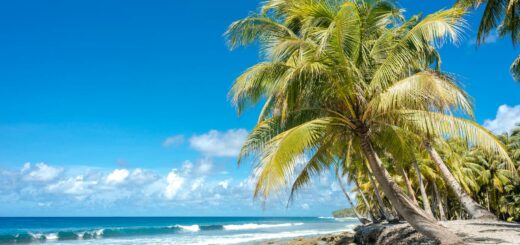
The coastline near Diego — especially the beach settlements a short drive from the city centre — is where seafood is at its most memorable. Simple, open-air grills set tables close to the water and cook whatever came off the boats that morning: whole grilled fish, prawns in garlic, calamari, and, when it’s available, lobster. This is experiential dining more than fine dining — sand underfoot, the sound of the surf, and a plate that tastes of the bay itself.
Order the catch of the day and ask how it’s prepared; grilled with lime and garlic is the classic. Portions are generous and prices, even for lobster, tend to feel low compared with any beach destination elsewhere in the world — though the exact figure depends on the season, the size of the catch, and the spot. Come for a long lunch or an early dinner to catch the light on the water.
A word on expectations: these are casual places. Cutlery may be basic, the “menu” may simply be whatever the boats delivered, and service runs on island time. Lean into it. Ask what’s freshest, share a couple of dishes family-style, and let the setting do the work. If you’re travelling with a group, phoning ahead or asking your hotel to give a heads-up can help the kitchen prepare enough of the good stuff — supply is genuinely tied to the morning’s catch, so the earlier in the day you decide, the better your odds of lobster on the plate.
Where to Eat: French-Creole Bistros and Cafés on Rue Colbert
Rue Colbert is the main colonial-era artery of Diego Suarez, and it’s where the town’s café-and-bistro life concentrates. This is the place to slow down over a coffee, order a pastry in the morning, or sit down to a French-inflected dinner in the evening — think steak, fish in a light sauce, and the kind of unhurried table service that feels like a holdover from another era. The atmosphere is half the meal here: faded colonial facades, ceiling fans, and a street that comes alive as the day cools.
These bistros are the natural home of the “gourmet traveller” side of Diego dining. They’re a comfortable middle ground for anyone who wants a proper sit-down meal with a menu, wine, and dessert, without the formality — or the price — of a resort restaurant. Wander a block or two, read the boards outside, and pick the one that looks busiest.
Where to Eat: Local Canteens and Hotely
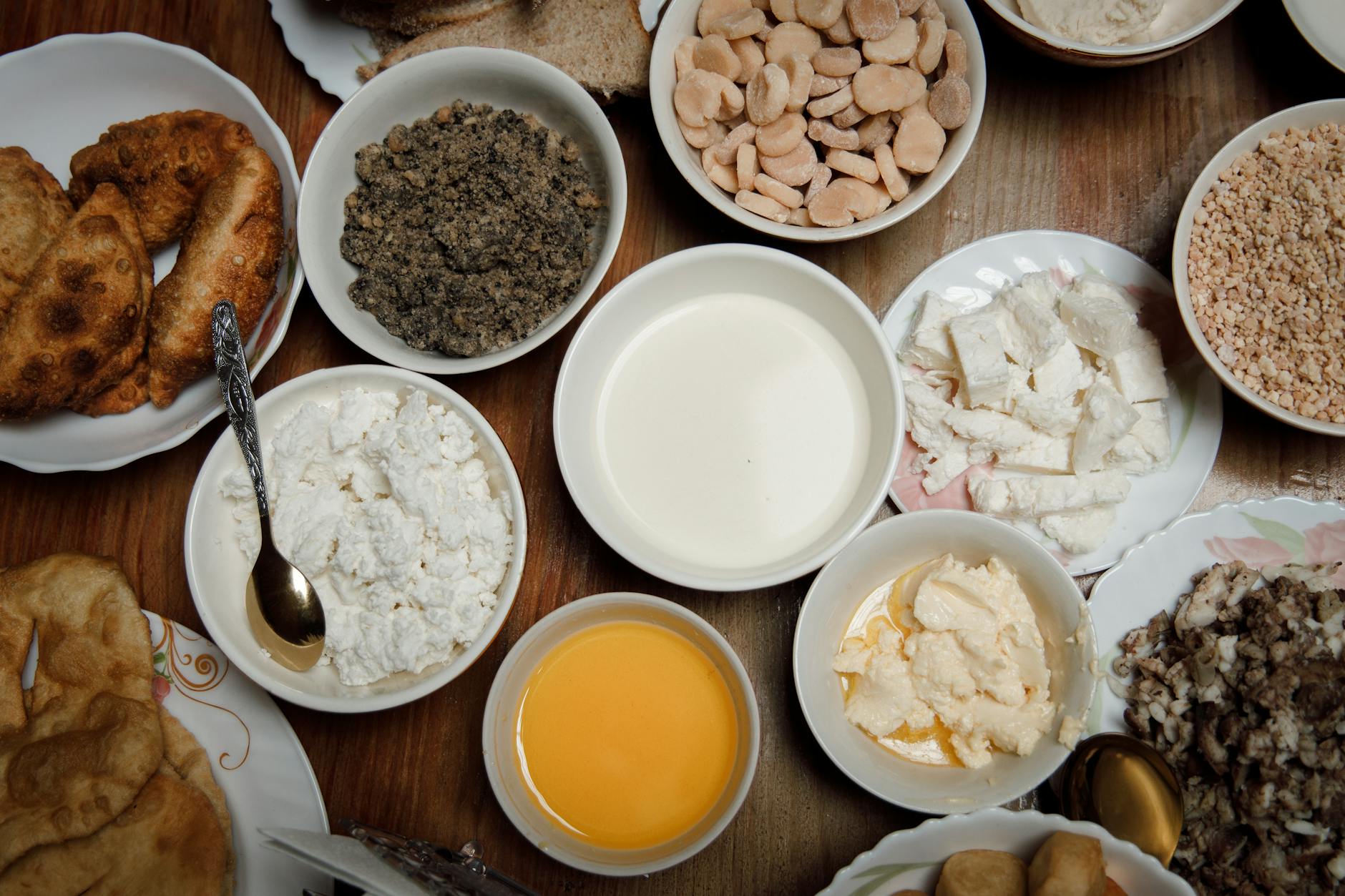
To eat like a local, head to a hotely — the small, family-run canteens that feed working Malagasy people every day. These are the cheapest and most authentic meals in Diego Suarez: a mound of rice with a ladle of stew (beef, chicken, fish, or greens), often washed down with ranon’ampango, the toasted-rice water that’s the traditional Malagasy drink. Portions are hearty, service is quick, and the bill is tiny.
Look for canteens that are full of locals at midday — turnover is your best guarantee of freshness. Point at what looks good if the language is a barrier; most hotely lay their dishes out where you can see them. This is where you’ll taste the real, everyday food of the north, far from any tourist menu.
Where to Eat: Markets and Street Food
Diego’s produce market is worth a wander even if you’re not shopping: pyramids of tropical fruit, spices, vanilla pods, and the raw materials of every meal in town. Around and near the market, street vendors fry up snacks — mofo (fried dough and fritters in various forms), skewers of grilled zebu, samosas, and fried bananas — cheap, quick, and best eaten hot and fresh from the pan.
A guided market or food tour is the fastest way to make sense of it all, especially if it’s your first time with Malagasy ingredients. A local guide can point out what’s in season, translate the names, and steer you toward the vendors worth queuing for. Check GetYourGuide for food and market tours in northern Madagascar — book ahead, small-group slots fill quickly in high season →
Where to Eat: Hotel and Boutique Restaurants
For a special evening, the restaurants inside Diego’s boutique hotels and lodges deliver the most polished experience — multi-course menus that fuse Malagasy ingredients with French technique, careful plating, and the region’s best seafood handled with a chef’s touch. These are the priciest tables in town, but “priciest” here is still gentle by international standards, and the setting often includes a view over the bay.
Staying somewhere with a strong on-site restaurant also solves the where-to-eat question on arrival nights and after long excursions. Compare Diego Suarez hotels on Agoda — filter for properties near Rue Colbert and the seafront, and lock in your dates now before high-season rooms sell out →
What to Try in Diego Suarez
- Grilled catch of the day — whole fish over charcoal with lime and garlic; the purest expression of the bay.
- Lobster and prawns — a coastal treat, usually grilled or in garlic; availability varies with the season.
- Romazava — Madagascar’s national dish, a brothy stew of zebu and leafy greens over rice.
- Ravitoto — pounded cassava leaves, traditionally with pork; deeply local and satisfying.
- Zebu brochettes — grilled skewers of Madagascar’s signature beef, a street-food staple.
- Coconut rice — fragrant and rich, the ideal partner to any seafood plate.
- Fried snacks and fritters — mofo, samosas, and fried bananas from market stalls.
- Coffee and pastries — the Rue Colbert café ritual, a French holdover done Malagasy-style.
Practical Tips: Hours, Cash and Ordering
Kitchens in Diego Suarez run on a relaxed schedule. Local canteens are busiest at midday; beachfront grills favour long lunches and early dinners; bistros and hotel restaurants keep more conventional evening hours. Nothing here is rushed, so build in time — a good seafood dinner is not a quick affair, especially when the fish is grilled to order.
Carry cash. The Malagasy ariary is the currency, and cash is by far the most common way to pay, particularly at canteens, markets, and beach grills. Card acceptance is limited to some hotels and higher-end restaurants, and ATMs can be unreliable, so withdraw before you’ll need it and keep small notes for street food. Tipping is appreciated but modest — rounding up is plenty at local spots.
Practical Tips: Water and Food Safety
The most common way to spoil a food trip anywhere in Madagascar is with water and hygiene missteps, so a little care goes a long way. Do not drink the tap water — stick to sealed bottled or properly filtered water, and be wary of ice unless you know it’s made from safe water. Choose busy places with high turnover, where seafood and cooked dishes don’t sit around. Eat fritters and grilled food while they’re hot from the pan or the coals. Peel fruit yourself.
Even with sensible habits, the far north is remote and medical facilities are limited, so travel insurance that covers illness and, crucially, medical evacuation is not optional here. A serious stomach bug or any emergency can mean an evacuation to Antananarivo or beyond. SafetyWing Nomad Insurance is built for exactly this kind of trip, with cover that can include $30,000–$80,000 of medical evacuation alongside general medical protection — reassurance worth having before you tuck into your first plate of street seafood.
Getting Around the Diego Food Scene
The city centre and Rue Colbert are walkable, but the best beachfront seafood is a short drive out of town, and the far north’s other highlights — beaches, national parks, and viewpoints — are spread out. Having your own wheels turns dinner into an adventure and lets you chase the best grills and markets on your own schedule. Compare cars and 4x4s with Carla to move freely between the city’s bistros and the coastal grills.
If you’d rather not drive, local taxis and arranged transfers are easy to organise, and any food or market tour will handle transport for you. However you move, a car makes the region’s scattered dining much more accessible.
Plan Your Diego Suarez Trip
Diego’s food is one chapter of a much bigger far-north story. Pair your eating itinerary with the region’s beaches, wildlife, and viewpoints, and give yourself a few days to do it justice.
- Top 15 things to do in Diego Suarez (Antsiranana)
- Where to stay in Diego Suarez — resorts, boutique hotels and budget gems
- Best beaches in Diego Suarez
- Diego Suarez & the far north — complete guide
Don’t travel this remote without cover: get a SafetyWing quote in minutes before you go.
FAQ — Eating in Diego Suarez
Is the food good in Diego Suarez? Yes — the seafood in particular is exceptional thanks to the bay, and Malagasy stews like romazava are hearty and flavourful. Combined with the French-Creole café scene, it’s one of the more rewarding places to eat in Madagascar.
Is it expensive to eat out? Not by international standards. A meal at a local canteen is very cheap, a sit-down seafood dinner is mid-range, and even a hotel gastronomic menu stays modest. Exact prices vary with the season and the venue, so treat any figure as a rough guide.
Can I drink the tap water? No. Stick to sealed bottled or filtered water, avoid ice of unknown origin, and be selective about where you eat. This is the single most important habit for staying well.
Are there vegetarian options? Yes, though they can be limited outside city restaurants. Rice, greens (as in some versions of romazava), vegetable stews, fried snacks, and abundant tropical fruit make it manageable; the bistros on Rue Colbert usually have the most choice.
Do restaurants take cards? Some hotels and higher-end restaurants do, but cash in ariary is by far the most common and reliable way to pay, especially at canteens, markets, and beach grills. Withdraw cash in advance and keep small notes handy.
Should I take a food tour? If you want to understand Malagasy ingredients quickly and find the best local vendors, a guided market or food tour is well worth it — especially early in your trip. Book ahead in high season, as small-group slots fill up.
Ready to Eat Your Way Through Diego Suarez?
Line up the essentials before you go — the best hotels near the food, a guided market tour, wheels to reach the coastal grills, and cover for the unexpected.
- Compare Diego Suarez hotels on Agoda →
- Book a food or market tour on GetYourGuide →
- Rent a car or 4×4 with Carla →
- Get SafetyWing travel insurance →
Questions about planning your far-north food trip? Get in touch with us here.
Plan Your Trip to Madagascar
- Read the full Madagascar Travel Guide
- Explore itineraries by style and duration
- Explore the full destination guide
Where to Stay