Trekking Safety in Madagascar: Heat, Wildlife and Trail Hazards 2026
This post contains affiliate links. We may earn a small commission at no extra cost to you.
At a Glance
- Book tours: Browse Madagascar tours on GetYourGuide
Madagascar’s national parks require more preparation than most travelers expect. Trail signage is minimal, guides are mandatory for a reason, and heat, dehydration and unstable terrain cause more evacuations than wildlife encounters ever will. This guide covers the real hazards park rangers deal with daily and the precautions that prevent them from becoming your emergency.
Essential Trekking Gear for Madagascar
Tsingy, Marojejy, Andringitra — Madagascar’s Hardest Treks Demand Proper Poles
The Tsingy needle-field requires scrambling over razor-sharp limestone. Marojejy’s Camp 3 gains 1,700 metres on muddy, root-tangled trail. Andringitra’s Pic Boby is a 4-hour vertical slog. Cascade Mountain Tech Carbon Fiber Poles are ultralight (under 500g per pair), quick-lock adjustable, sold directly by Amazon at a fraction of the cost of Black Diamond or Leki equivalents.
Check current price and availability on Amazon →
The Lightest Safe Water System on the Market — Built for Madagascar’s Remote Trek Circuits
Carrying a Grayl GeoPress on a 7-day wilderness circuit adds nearly 500 grams to your pack — every gram matters at 1,700 metres of elevation. But streams in Madagascar’s national parks are not safe to drink untreated. The Sawyer SP129 Squeeze weighs just 85 grams and filters 100,000 gallons down to 0.1 microns — removing 99.99999% of bacteria and protozoa. Sold directly by Amazon.
Check current price and availability on Amazon →
The Invisible Barrier That Keeps Malaria Mosquitoes Off Your Clothes
Your repellent only protects exposed skin — but in Madagascar’s humid evenings, mosquitoes bite through thin fabric. Sawyer Permethrin bonds to fabric fibres and kills mosquitoes on contact for up to 6 weeks and 6 washes. Treat your shirts, pants, socks, and tent before you fly — by the time you land in Antananarivo, the protection is already active.
Check current price and availability on Amazon →
Madagascar’s Rainforest Trails Are Infested With Leeches — These Keep Them Out of Your Boots
Andasibe-Mantadia, Ranomafana, Marojejy — Madagascar’s rainforest trails are where leeches thrive. They drop from leaves, emerge from wet soil, and find the gap between your sock and boot in minutes. You don’t feel them until you look down and see blood. Pike Trail Adjustable Leg Gaiters seal that gap physically, blocking leeches, mud, and water. Lightweight, waterproof, 3,600+ Amazon reviews.
Check current price and availability on Amazon →
Madagascar Goes Completely Dark After Sunset — Don’t Navigate It Blind
Outside of Antananarivo’s main streets, Madagascar has virtually no street lighting. Wildlife walks in Ankarana, night lemur spotting in Ranomafana, the path to your bungalow — all navigated in total darkness. The Black Diamond Spot 400-R delivers 400 lumens with a 100-metre beam, USB-C rechargeable, IPX8 waterproof, with red night-vision mode for wildlife observation without disturbing animals.
Check current price and availability on Amazon →
No Grid, No Problem — Charge Your Devices From the Sun in Madagascar’s Remote Parks
Marojejy. Andringitra. Tsingy de Bemaraha. Madagascar’s most spectacular parks are its most isolated — no power outlets, no phone signal. A 3-day wilderness circuit means running on whatever charge you left camp with. The BLAVOR Solar Power Bank pairs 10,000mAh with a fold-out solar panel that recharges itself from sunlight as you trek.
Check current price and availability on Amazon →
You’re Flying 10,000km to See Lemurs, Chameleons, and Fossa — Don’t Document It With a Phone Camera
Indri lemurs calling across the canopy of Andasibe. Panther chameleons in electric blue and orange. The fossa spotted on a night walk in Kirindy. A smartphone sensor in low rainforest light produces grainy, blurred images. The Sony a6400 with Real-Time Eye Autofocus locks onto animal eyes instantly — even through undergrowth and low light. APS-C sensor, 4K video, flip-up touchscreen.
Check current price and availability on Amazon →
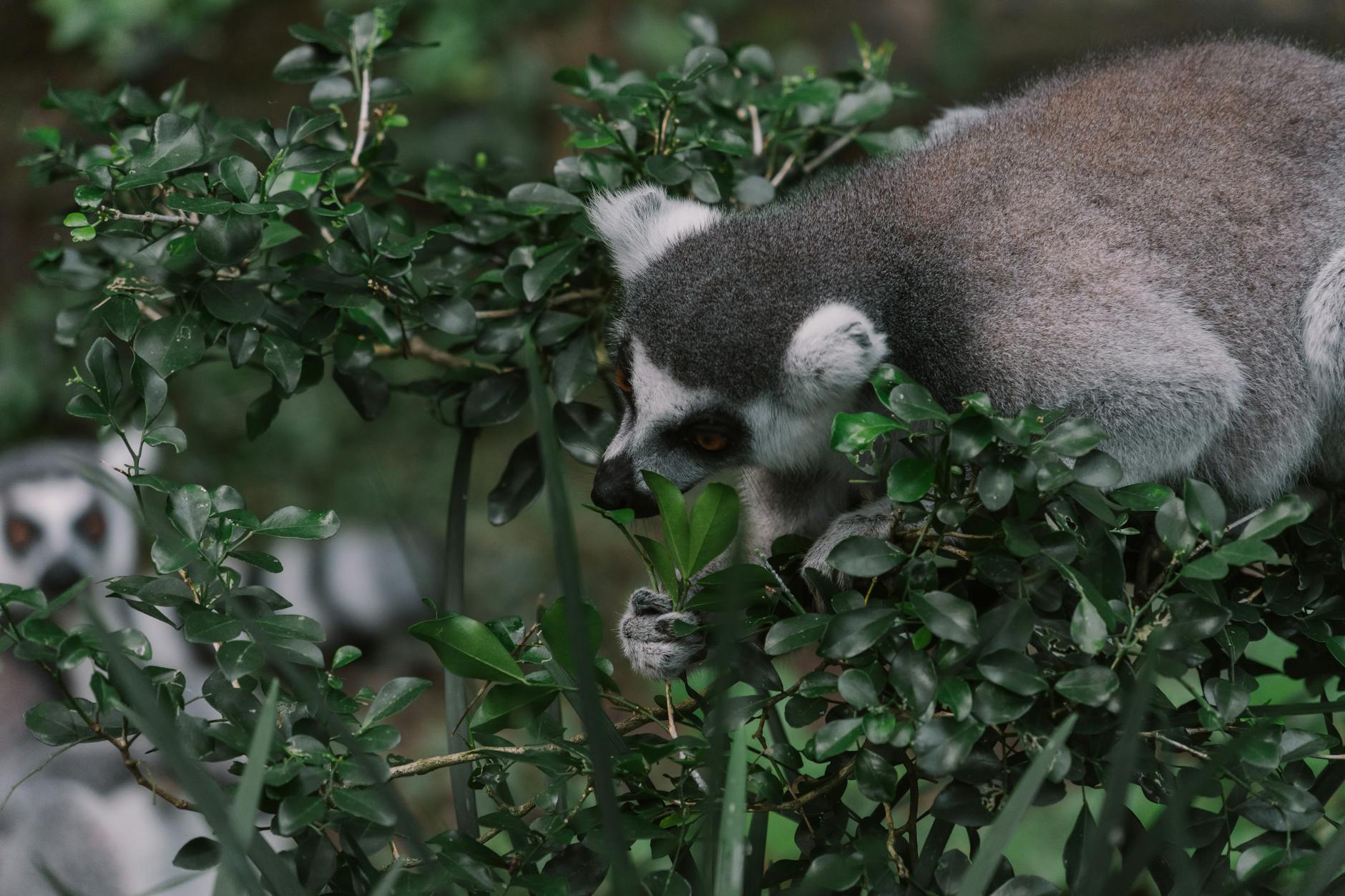
Madagascar Has Over 100 Species of Lemur and 280 Species of Bird — You’ll Miss Most of Them Without Binoculars
Sifaka lemurs leap between canopy trees 30 metres up. The Madagascar fish eagle perches on a branch 200 metres across a lake. Without binoculars, you’re looking at distant shapes and taking your guide’s word for it. The Vortex Diamondback HD 10×42 delivers HD optical clarity with edge-to-edge sharpness. Waterproof, fog-proof, backed by Vortex’s unconditional lifetime warranty.
Check current price and availability on Amazon →
Plan your Madagascar trip:
Heat and Dehydration Risk by Park
Isalo is the highest-risk park for heat exhaustion. Daytime temperatures between November and March regularly exceed 38 degrees Celsius inside the exposed sandstone canyons, with minimal shade available on any trail. Even in July, the coolest month, temperatures inside narrow gorges reach 30 degrees by noon. Carry a minimum of three litres of water per person for any full-day hike and do not rely on finding water sources on trail. The Piscine Naturelle and La Fenetre routes are the most sun-exposed — start before 7am and aim to complete the walk before 11am. Ranomafana operates in a humid highland climate where sweating provides less cooling — dehydration builds faster than in drier parks. Andasibe is wetter and cooler, but hypothermia from wet clothing is a genuine risk during multi-day Mantadia treks between June and August.
Wildlife Hazards You Actually Need to Know
No Madagascar animal is likely to attack you unprovoked. The real hazards are insects. Madagascar has endemic malaria — prophylaxis is non-negotiable for all parks, especially Masoala, Nosy Be and the west coast. Sand flies in coastal parks including Nosy Be, Ifaty and Anakao cause painful bites and can transmit disease. Leeches are common in Ranomafana and Marojejy during wet season — tuck trousers into socks and apply DEET to boot tops. The largest practical hazard in coastal parks is stepping on a stone fish while wading — wear river shoes. Scorpions shelter under rocks in Isalo’s canyons — never place hands under stones without checking first. Crocodiles are a genuine threat in western rivers — never swim or wade in unfamiliar water anywhere near Tsingy de Bemaraha or Kirindy.
Read also:
Save money on your Madagascar trip:
Trail Hazards and Navigation in Remote Areas
Trail markers in Madagascar’s national parks range from occasional paint blazes to nothing at all. Without a guide, disorientation inside dense forest is possible within 30 minutes. In Marojejy, the main route to Camp 3 requires rope-assisted climbing on wet rock above 1,400 metres — suitable only for hikers comfortable with exposed scrambling. In Isalo, the sandstone plateau between gorge systems has no distinguishing features and disorientation is common at dusk. Mantadia, the harder section of the Andasibe park, has trails that wash out annually — confirm current conditions at the ANGAP office before setting out. River crossings in eastern parks can become dangerous overnight during rainy season. Always carry a charged phone with GPS even when a guide is present — if your guide is injured, you will need it independently.
Emergency Preparedness and Evacuation Reality
Medical evacuation from remote Madagascar parks can take 24 to 72 hours. There is no helicopter rescue service for tourists in most parks — emergency transport means a vehicle driven out on rough roads, often at night. The nearest trauma-capable clinic to Ranomafana is in Fianarantsoa, a two-hour drive away. Isalo patients are transferred to Ihosy or all the way to Antananarivo in serious cases. Marojejy is the most isolated situation — a serious injury at Camp 3 requires a stretcher carry of five to six hours before reaching road access. Travel insurance with medical evacuation coverage to South Africa or France is essential for remote park trekking. Always tell someone at your lodge your planned route and expected return time before each day hike so they know when to raise an alarm.
Ready to book your Madagascar trip?
Frequently Asked Questions
Is it safe to hike without a guide in Madagascar’s national parks?
No. Guides are legally required in all national parks and community reserves. Beyond legality, trail marking is insufficient for independent navigation in most parks — this is a genuine safety measure, not just a revenue mechanism.
What should I bring on a full-day hike in Madagascar?
Minimum kit: 3 litres of water, sun protection, insect repellent with DEET, a rain poncho, a headtorch, a charged GPS-capable phone, oral rehydration salts and a basic first-aid kit.
Do I need malaria tablets for park visits in Madagascar?
Yes, for all parks outside of central Antananarivo. Risk is highest in coastal and western parks. Consult a travel health clinic at least four weeks before departure to choose the right prophylaxis for your specific route.
Madagascar’s parks are genuinely wild, which is their greatest appeal and their only real risk. The hazards are manageable for any prepared traveler. Hire a qualified guide, carry more water than you think you need, take malaria prophylaxis from day one and carry medical evacuation insurance before leaving home. The wildlife and landscapes are worth every precaution you take to see them safely.
Plan Your Trip to Madagascar
- Read the full Madagascar Travel Guide
- Explore itineraries by style and duration
- Where to See Lemurs in Madagascar
Where to Stay
Hotels, lodges, and tours fill fast for July–September — compare availability now.