Ambositra, Madagascar: Woodcarving Capital and Heart of Zafimaniry Marquetry
This post contains affiliate links. We may earn a small commission at no extra cost to you.
At a Glance
- Highlight : Woodcarving capital and Zafimaniry (UNESCO) heartland
- Best time to visit : April to October (dry season) for village walks
- Book tours : GetYourGuide
- Find hotels : Check availability on Agoda
Set in the cool, green folds of Madagascar’s central highlands, Ambositra is the country’s undisputed woodcarving capital. Its streets are lined with workshops and small shops where craftspeople chisel, inlay, and polish the intricate marquetry that has made this highland town famous far beyond the island.
Halfway down the legendary RN7 between Antsirabe and Fianarantsoa, Ambositra sits in the Amoron’i Mania region, surrounded by terraced rice fields and hills that are home to the Zafimaniry people. Whether you pause for an afternoon or use it as a base for a village trek, this is one of the highlands’ most rewarding cultural stops.
Planning your trip? Book tours early
The best Madagascar tours and guides fill up weeks ahead in high season.
Why visit Ambositra
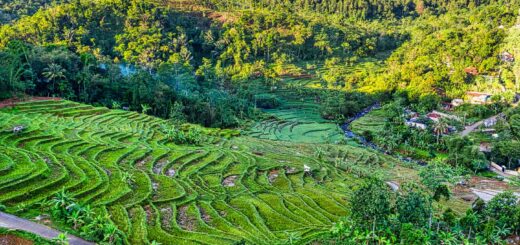
Ambositra rewards travellers who slow down. The pace is relaxed, the highland air is fresh, and the scenery of terraced rice paddies and rolling hills makes even a short walk memorable. But the town’s real draw is its living craft tradition.
This is the recognized centre of Malagasy woodcarving and marquetry, and the concentration of talent here is remarkable. You can watch artisans at work, browse everything from small keepsakes to elaborate inlaid boxes and furniture, and buy directly from the people who made them.
- Authentic crafts straight from the workshop, at fairer prices than city galleries.
- Highland scenery of rice terraces, hills, and traditional villages.
- Cultural depth through the nearby Zafimaniry communities and their UNESCO-listed carving tradition.
- A natural RN7 break to stretch the long drive south with something genuinely worthwhile.
Woodcarving and Zafimaniry heritage
The soul of Ambositra’s craft belongs to the Zafimaniry, a people who live in the forested hills around the town. They are renowned for a distinctive style of geometric wood carving, covering shutters, doors, posts, and everyday objects with intricate patterns rich in symbolic meaning.
This knowledge is more than decoration. The Zafimaniry woodcrafting tradition was inscribed on UNESCO’s list of intangible cultural heritage, a recognition of both its artistry and the risk that such skills can fade over generations. Visiting responsibly, and buying directly from carvers, helps keep the tradition alive.
In town you will find marquetry raised to a fine art, with contrasting woods pieced together into images and patterns. Take your time, ask about the woods used, and look for pieces you can realistically carry home.
Things to do in and around Ambositra
Start in town by walking the main streets and their many craft workshops and shops. Watching a carver or marquetry maker at work is half the pleasure, and most artisans welcome respectful visitors.
The most rewarding excursion is a trip into the Zafimaniry villages in the hills southeast of town. Villages such as Antoetra serve as the usual gateway, with more remote hamlets reached on foot along rough tracks. Here you can see traditional wooden houses, ornately carved shutters and doors, and carving as part of daily life.
- Browse and buy directly from town workshops.
- Take a guided day walk or overnight trek to Zafimaniry villages.
- Admire terraced rice fields and highland landscapes along the way.
- Simply enjoy the town’s calm, unhurried atmosphere.
A local guide is well worth arranging for village visits, both to navigate the tracks and to help you engage respectfully with the communities.
What to pack for this trip
A few essentials make Madagascar travel easier:
Getting to Ambositra
Most travellers reach Ambositra as part of an RN7 road trip through the highlands. The usual route is to fly into the capital, Antananarivo, and then travel south by road on the RN7 via Antsirabe, continuing on to Ambositra.
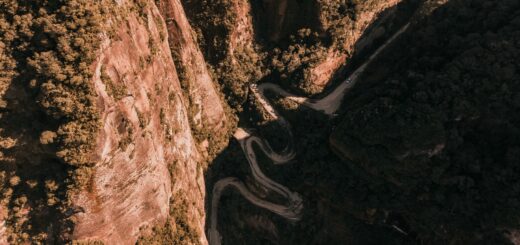
The drive is scenic but winding, passing rice terraces, highland villages, and market towns. Ambositra makes a comfortable stop between Antsirabe to the north and Fianarantsoa to the south, breaking up the long journey down the RN7.
You can travel by chartered vehicle, shared taxi-brousse, or a private car. For the most flexibility to stop for photos, workshops, and village detours, many travellers prefer to rent a car and set their own pace along the RN7.
Madagascar has no reliable public transport, so most independent travellers hire a vehicle with a driver. Compare car rental prices on Carla and book ahead in peak season.
Flight delayed or cancelled? Flights to Madagascar often connect through Paris or Nairobi. If your connection was delayed, EU regulation EC 261 may entitle you to up to EUR 600.
Check your claim free on AirAdvisor.
Where to stay
Ambositra offers a modest but welcoming range of highland guesthouses and small hotels, suited to travellers passing through on the RN7. Options run from simple, budget-friendly rooms to a few more comfortable mid-range places with restaurants and warm highland hospitality.
Because Ambositra sits at altitude, expect cool evenings and pack accordingly; a room with reliable hot water and extra blankets is a genuine comfort. Many guesthouses can also help arrange a guide for Zafimaniry village visits, which makes them a practical base as well as a place to sleep.
Booking ahead is wise in the busier dry-season months, when RN7 traffic is at its peak and the best-value rooms fill quickly.
Where to stay: book ahead
The best-value rooms fill up fast in the dry season (roughly May to October).
Best time to visit and practical tips
The dry season, roughly from April to October, is the most comfortable time to visit the highlands and the easiest for village walks, when tracks to Zafimaniry hamlets are firmer underfoot. The wet season brings lush green landscapes but muddier trails and occasional travel delays on the RN7.
A few practical pointers:
- Dress in layers. Highland days can be mild while evenings turn cold.
- Carry cash. Small workshops and villages rarely take cards.
- Use a local guide for Zafimaniry village treks and to support the community.
- Buy directly from carvers where you can, and ask about the wood and techniques.
- Allow extra time on the RN7, as the road is winding and progress is slow.
With a little planning, Ambositra becomes far more than a quick photo stop; it is a window into one of Madagascar’s most treasured living traditions.
Ready to plan your Madagascar trip?
Travel Insurance for Madagascar
Medical evacuation from Madagascar can cost USD 30,000 to 80,000. Do not skip cover.
- SafetyWing — monthly subscription, covers evacuation
- World Nomads — best for adventure activities
Frequently asked questions
What is Ambositra famous for?
Ambositra is famous as the woodcarving capital of Madagascar and the heart of the Zafimaniry marquetry tradition, with workshops throughout town selling carved and inlaid crafts made by local artisans.
Who are the Zafimaniry?
The Zafimaniry are a highland people living in the forested hills around Ambositra, renowned for geometric wood carving. Their woodcrafting knowledge is inscribed on UNESCO’s list of intangible cultural heritage.
How do you get to Ambositra?
Most travellers fly into Antananarivo and then drive south along the RN7 via Antsirabe. Ambositra sits between Antsirabe to the north and Fianarantsoa to the south, making it a natural stop on a highlands road trip.
Can you visit Zafimaniry villages from Ambositra?
Yes. Villages such as Antoetra are the usual gateway to the Zafimaniry area southeast of town, with more remote hamlets reached on foot along rough tracks. A local guide is recommended for both navigation and respectful cultural exchange.
Ambositra distills the quiet charm of Madagascar’s highlands into one welcoming town: cool air, terraced hills, and a woodcarving tradition kept alive by generations of Zafimaniry artisans. Whether you stop for an afternoon of workshop browsing or trek out to the villages themselves, it is a place that rewards curiosity and a slower pace. Build it into your RN7 journey and you will carry home not just a beautiful carved souvenir, but a real connection to one of the island’s most treasured living crafts.
Ready to plan your Madagascar adventure?
Browse tours and experiences now
Affiliate link — commission earned at no extra cost to you.
Plan Your Trip to Madagascar
- Read the full Madagascar Travel Guide
- Explore itineraries by style and duration
- Best Tours and Guided Experiences
Where to Stay