Diving Itinerary Madagascar: 10 Days Underwater in the Best Sites
This post contains affiliate links. We may earn a small commission at no extra cost to you.
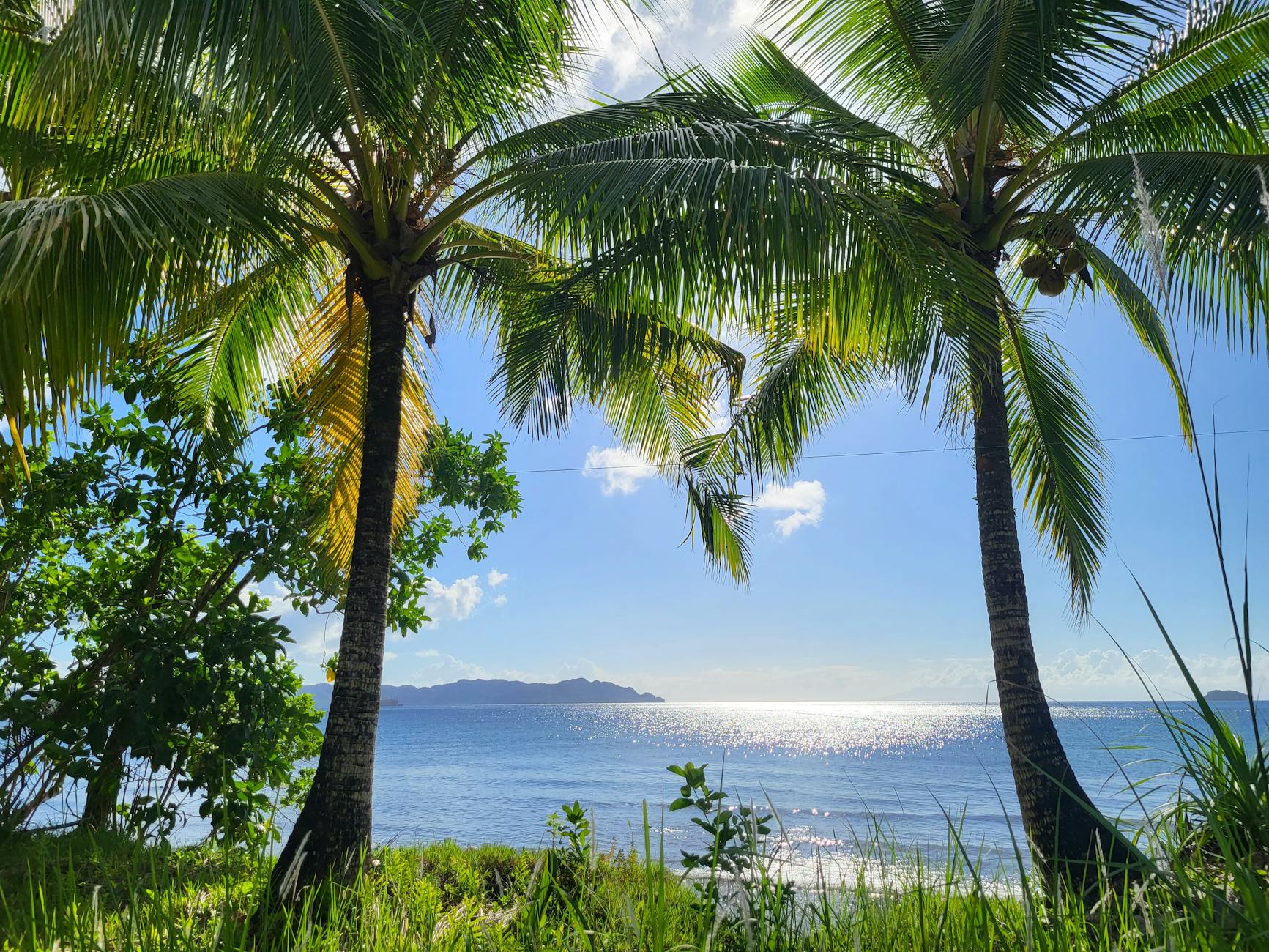
Madagascar’s underwater world is among the least dived and most biodiverse in the Indian Ocean. The northern archipelago around Nosy Be offers everything from shallow coral gardens to deep blue pelagic encounters — all within a 40-minute boat ride from shore. The Mozambique Channel brings nutrients that feed whale sharks, manta rays and enormous schools of barracuda. Coral health in the remote northern sites rivals any dive destination in Southeast Asia — with a fraction of the diver traffic. This 10-day diving itinerary covers the best of Nosy Be, the Mitsio Archipelago, and the Diego Suarez Emerald Sea — three distinct dive environments in a region that serious divers return to year after year.
Essential Gear for Madagascar’s Coastal Activities
Madagascar’s Underwater World Is World-Class — Film It in 5.3K Before It’s Gone
The coral gardens off Nosy Be, the whale sharks of the Mozambique Channel, the humpback whales migrating to Île Sainte-Marie — your phone doesn’t go underwater. The GoPro HERO13 Black shoots 5.3K60 video and is waterproof to 10 metres without any housing. Mount it on your snorkel mask, clip it to your kayak, hand it to your dive guide. Sold directly by Amazon.
Check current price and availability on Amazon →
Madagascar’s UV Index Hits 11+ — Your Skin Needs More Than Sunscreen in the Water
Nosy Be, Île Sainte-Marie, the reefs off Fort Dauphin — spectacular coastal waters under an equatorial sun with UV regularly hitting 11+. Sunscreen washes off within 20 minutes in water. O’Neill’s UPF 50+ long-sleeve rash guard blocks 98% of UV radiation all day, in and out of the water, without reapplication. Stays in place during snorkelling and dives.
Check current price and availability on Amazon →
Snorkelling Madagascar’s Reefs Without UV Protection Is How You Come Home With a Week of Sun Damage
The coral reefs of Nosy Be and Île aux Nattes are some of the most beautiful snorkelling in the Indian Ocean — in direct equatorial sunlight every minute you’re in the water. Hurley’s Women’s UPF 50+ long-sleeve rashguard covers your core, arms, and shoulders with full-spectrum UV protection. Lightweight, fast-drying, designed for real ocean conditions.
Check current price and availability on Amazon →
One Wave, One Pirogue Crossing, One Rain Shower — That’s All It Takes to Lose Your Phone in Madagascar
Madagascar’s water crossings are done in pirogues — narrow dugout canoes with no sides to speak of. One unexpected wave. One overfilled pirogue. One downpour on the RN7 with nowhere to shelter. The JOTO Universal Waterproof Pouch seals your phone in an IPX8-rated case to depths up to 30 metres. Use the touchscreen through the case, take underwater photos. Under $15.
Check current price and availability on Amazon →
Your Camera, Passport, and Valuables Need a Waterproof Shell for Madagascar’s Boat Transfers
Boat transfers to Nosy Komba, dive sites, and the remote beaches of Masoala — waves hit the deck, spray soaks everything unprotected. A wet camera, a soaked passport, or a ruined MacBook is not a one-hour problem in a country where Apple Stores don’t exist. The Earth Pak Dry Bag rolls and clips shut to create a 100% waterproof seal rated to IPX8. NY Times Wirecutter-recommended, 5-year warranty.
Check current price and availability on Amazon →
Madagascar’s Power Cuts Will Kill Your Phone — Here’s 4 Full Charges of Insurance
Délestage — Madagascar’s rolling blackouts — can last 8 to 14 hours a day. Your navigation app, offline maps, and boarding pass for tomorrow’s Tsaradia flight will all be dead. The Anker PowerCore 20,000mAh gives 4 full phone charges with fast USB-C delivery. Charge it during the hotel’s morning power window and you’re covered all day.
Check current price and availability on Amazon →
Madagascar Uses European Plugs Only — Your North American Charger Won’t Work Without This
Madagascar runs on Type C and E/F European plugs, 220V. North American plugs don’t fit. The TESSAN European adapter accepts North American plugs and adds 2 USB ports, so you can charge your phone and power bank simultaneously from a single outlet. Compact, grounded — one of those items that’s obvious in hindsight and impossible to find when you need it.
Check current price and availability on Amazon →
One Adapter for Every Country on Your Madagascar Journey — Including Stopovers in Paris or Réunion
Many travellers reach Madagascar via Paris CDG or Réunion — and face a different outlet at each stop. The GaN Universal Adapter covers all outlet types worldwide with USB-C PD fast charging — one device, 4 ports, every country. GaN technology runs cooler and charges faster than standard adapters.
Check current price and availability on Amazon →
Plan your Madagascar trip:
- Browse Madagascar tours and experiences (GetYourGuide)
- Get travel insurance for Madagascar (SafetyWing)
- World Nomads — covers adventure activities: trekking, diving, motorbikes. Compare both.
At a Glance: 10-Day Madagascar Diving Itinerary
At a Glance
- Duration: 10 days / 9 nights
- Number of dives: 16–22 dives (2–3/day)
- Best season: October–December (clearest water, whale sharks)
- Dive level required: Open Water minimum; Advanced recommended for Mitsio and Diego
- Budget: €2,500–€4,500 per diver (excluding international flights)
- Book diving tours and liveaboards: Browse Madagascar diving experiences on GetYourGuide
This diving itinerary is for certified divers seeking world-class sites without the queues of Southeast Asia or the Red Sea. For what to find above water, read our guide to things to do in Nosy Be.
Your 10-Day Madagascar Diving Schedule
Days 1–2: Arrival in Nosy Be — Checkout Dives and Orientation
Fly into Fascene Airport (NOS) from Tana. Check into a dive resort in Ambatoloaka or on the quieter western coast. Day 1 afternoon: checkout dive with your operator at a shallow local site — this verifies skills and helps calibrate your guide to your level. Day 2: two dives at Sakatia Island (15–22m) — French Angelfish, moray eels, Napoleon wrasse and healthy table coral. One of the best beginner-to-intermediate sites in the region. Book your Nosy Be dive package here.
Days 3–4: Channel Dives and Coral Gardens
Day 3: morning dive at Nosy Tanikely (10–18m) — marine reserve, sea turtles guaranteed, exceptional coral density and visibility. Afternoon dive at the Nosy Be Channel (25–35m) — strong current dive targeting barracuda, tuna and occasional reef sharks. Day 4: dawn boat to Nosy Komba dive sites (15–30m) — Nosy Komba Point is a wall dive with whip corals, sea fans, lionfish and schooling anthias. Two dives, surface interval on the beach with lunch.
Days 5–6: Mitsio Archipelago — Remote Open Water
Full-day (or overnight) trip to the Mitsio Archipelago (40km northwest of Nosy Be, 90-minute boat). Mitsio is the advanced diver’s destination in this region. The Cathedral at Mitsio (20–40m) is a pinnacle dive with thermoclines, strong currents and blue-water visibility to 30m+. Mitsio also has the area’s best whale shark encounters (October–December, no guarantees). Two or three dives over the day depending on weather. Return to Nosy Be by evening.
Days 7–8: Diego Suarez — Emerald Sea Dives
Fly or speedboat from Nosy Be to Diego Suarez. The Emerald Sea (Mer d’Émeraude) north of Diego is one of Madagascar’s most beautiful bays — shallow, turquoise, with extraordinary coral density at 8–18m. Day 7: two dives in the Emerald Sea lagoon. Day 8: wreck dive on one of the WWI and WWII wrecks in Diego Bay (Sphynx wreck, 20–30m) — the wrecks are heavily encrusted and support enormous fish populations. See also Île Sainte-Marie if you want to add whale watching to your trip.
Days 9–10: Return to Nosy Be — Final Dives and Departure
Fly back to Nosy Be for two final dives at a site you want to revisit — most divers choose Nosy Tanikely for one last turtle encounter. Afternoon: debrief with your dive guide, equipment rinse and storage, dinner at a waterfront restaurant. Day 10: morning flight to Tana, then international departure. Browse dive resort pricing and availability on Nosy Be hotels on Agoda. For the top beaches and marine areas, read our guide to Madagascar’s best beaches.
Read also:
Book activities in Madagascar:
Getting There for Divers
Fly international to Antananarivo (TNR), then domestic to Nosy Be (NOS) — Tsaradia operates the route. Book the Tana–Nosy Be domestic leg well in advance (6–8 weeks minimum) as seats are limited and sell out in peak dive season. Flying with dive equipment: budget airlines on the domestic route have strict baggage limits — pack cylinders separately (hire gear on site is recommended). For car and transfer logistics, Carla covers ground options. If any flights are disrupted, AirAdvisor handles compensation fast so you can get rebooked.
Choosing Your Dive Operator in Nosy Be
Nosy Be has around a dozen dive operators ranging from one-boat outfits to well-equipped centres. When choosing, prioritise: divemaster-to-diver ratio (4:1 or lower is ideal), boat condition, equipment quality and site range. The best operators have regular access to Mitsio and provide detailed species briefings before each dive. Ask specifically about whale shark season schedules if timing for October–November. Most operators rent full equipment; bringing your own computer, wetsuit and fins is recommended for hygiene and fit. Book your accommodation with dive packages for best value.
Ready to book your Madagascar trip?
Frequently Asked Questions
What is the best dive site in Madagascar?
The Mitsio Archipelago (40km northwest of Nosy Be) is consistently rated Madagascar’s finest dive destination — dramatic pinnacles, blue water, whale sharks in season, manta rays. Nosy Tanikely is the best beginner-to-intermediate site for coral health and turtle density.
When is the best time to dive in Madagascar?
October–January is peak: warm water (27–30°C), excellent visibility (25–35m), whale sharks in season. April–September offers cooler water (24–26°C) and slightly lower visibility but fewer divers.
Can I see whale sharks while diving in Madagascar?
Yes — whale sharks appear seasonally around Nosy Be and Mitsio, primarily October–January. Sightings are not guaranteed but the frequency is high in October–November with the right operator and conditions.
Is liveaboard diving available in Madagascar?
Yes — a small number of liveaboard vessels operate out of Nosy Be covering the northern circuit including Mitsio and Radama Islands. These offer the most comprehensive access to remote sites and typically run 5–10 day itineraries.
What certification do I need to dive in Madagascar?
PADI Open Water or equivalent for standard Nosy Be sites. PADI Advanced or equivalent is strongly recommended for Mitsio, where currents and depth require more experience. Divemaster or guide accompaniment is mandatory at all operator-organised dives.
Madagascar diving is what the Indian Ocean looked like before it was discovered. The coral is healthy, the fish are large, the water is warm and the boats carry six divers instead of sixty. The Mitsio whale sharks, the Nosy Tanikely turtles, the Diego wreck life — these are experiences that belong on every serious diver’s list. Before you go, ensure your travel insurance covers diving activities and medical evacuation from remote islands: SafetyWing Nomad Insurance covers scuba diving and is essential protection for any Madagascar dive trip.
Start planning your Madagascar adventure today
Browse Madagascar experiences on GetYourGuide
Affiliate link – commission earned at no extra cost to you.
Plan Your Trip to Madagascar
- Read the full Madagascar Travel Guide
- Explore itineraries by style and duration
- Best Tours and Guided Experiences
Where to Stay