Antananarivo & the Highlands Cultural Guide 2026: Royal Sites, Crafts & the RN7 Route
Affiliate disclosure: This article contains sponsored links to hotels, tour operators, insurance providers, and other travel services. We earn a small commission if you book through our links, at no extra cost to you.
Antananarivo & the Highlands Cultural Guide 2026 — At a Glance
- Cultural core: Antananarivo (Tana), Ambohimanga (UNESCO), Antsirabe, Ambositra, Fianarantsoa
- Must-see: The Rova royal palace, Royal Hill of Ambohimanga, Analakely market, the Haute-Ville old town
- Signature route: The RN7 highland corridor — Madagascar’s densest cultural journey
- Time needed: 3 days for Tana; 7–10 days for the full highland cultural route
- Getting there: Fly into Ivato (Antananarivo) — the gateway to all highland culture
- Flight protection: EU261 €600 per passenger for European inbound flight disruptions
- Travel insurance: SafetyWing Nomad Insurance — essential for highland road travel
- Highland hotels: Antananarivo heritage stays on Agoda
🎒 Madagascar Trip Essentials
A few inexpensive items make the biggest difference on the ground in Madagascar:
- Picaridin insect repellent — DEET-free protection against malaria mosquitoes. See on Amazon →
- Permethrin clothing spray — treat clothes; kills mosquitoes on contact for weeks. See on Amazon →
- Pop-up mosquito net — budget lodges rarely provide one; packs down tiny. See on Amazon →
- Water filter bottle — tap water isn’t safe to drink in Madagascar. See on Amazon →
- Universal travel adapter (USB-C) — Madagascar uses European-style plugs. See on Amazon →
- 8×42 binoculars — essential for spotting lemurs and chameleons in the canopy. See on Amazon →
As an Amazon Associate we earn from qualifying purchases.
The central highlands are the cultural heart of Madagascar, and Antananarivo is its pulse. This is where the Merina kingdom rose to unify the island, where royal palaces crown the hills, where the UNESCO Royal Hill of Ambohimanga preserves the spiritual cradle of a nation, and where the famous RN7 road threads south through a corridor of craft towns, rice terraces, and living heritage. For any traveler serious about Malagasy culture, the highlands are not optional — they are the main event.
This guide is a complete cultural travel companion to Antananarivo and the highlands: how to reach and navigate the region, what to see in the capital, the unmissable royal and UNESCO sites, the craft and cultural towns of the RN7 corridor, and how to experience the ceremonies, markets, and traditions that make this region extraordinary. It complements our broader Madagascar cultural and heritage experiences pillar with a destination-focused deep dive into the cultural heartland.
Getting There and Getting Around
Almost every visit to Madagascar begins in Antananarivo. Ivato International Airport, just north of the capital, is the country’s main gateway, connected to Europe (Paris), the Indian Ocean hubs (Mauritius, Réunion), and African connections (Addis Ababa, Nairobi). From Ivato, the highland cultural region radiates outward — Tana itself, then the RN7 south toward Antsirabe, Ambositra, and Fianarantsoa.
Within the highlands, road is the primary mode of travel, and the RN7 is the spine. Distances look short on a map but driving is slow — the cultural towns are close enough for a road journey but far enough that you should budget realistic times and treat the drive as part of the experience. A private vehicle with a knowledgeable driver-guide is by far the best way to travel the highland cultural route, opening access to villages and sites that public transport cannot reach.
If your inbound international flight to Ivato is delayed, cancelled, or overbooked on an eligible European route, EU261 protection can return up to €600 per passenger — worth knowing before you fly. For coordinating the highland route — driver-guides, timing, village access, and ceremony invitations — a resident specialist is invaluable. Contact Carla to structure highland transport and cultural access around your interests.
Antananarivo: The Thousand-Hill Capital
Tana is a city of dramatic verticality, its old town and royal sites perched on hills above a sprawl of markets and neighborhoods. It rewards the traveler willing to climb, wander, and look closely. For a structured visit, our 3-day Antananarivo itinerary balances the essential sites; here we focus on the cultural highlights.
The Haute-Ville (Upper Town)
The upper town is Antananarivo’s historic and cultural core. Narrow cobbled lanes wind past 19th-century brick houses, ornate balconies, and churches built during the Merina monarchy’s adoption of Christianity. The architecture itself tells the story of a highland civilization that fused indigenous building traditions with European influences. The views over the city and surrounding hills from the upper town’s ridgelines are spectacular, especially at golden hour.
The Rova: Palace of the Merina Monarchs
Crowning the highest hill, the Rova was the fortified royal compound from which the Merina monarchs ruled the unified kingdom. Though a 1995 fire devastated the complex, restoration work and the surrounding royal precinct keep the site central to understanding Madagascar’s history. The Rova is the symbolic heart of the highland kingdom, and standing on its heights — looking out over the city the monarchy built — gives essential context to everything else in the highlands. The story of the monarchy, including the dramatic and controversial reign chronicled in the Queen Ranavalona I history, comes alive here.
Markets and Daily Life
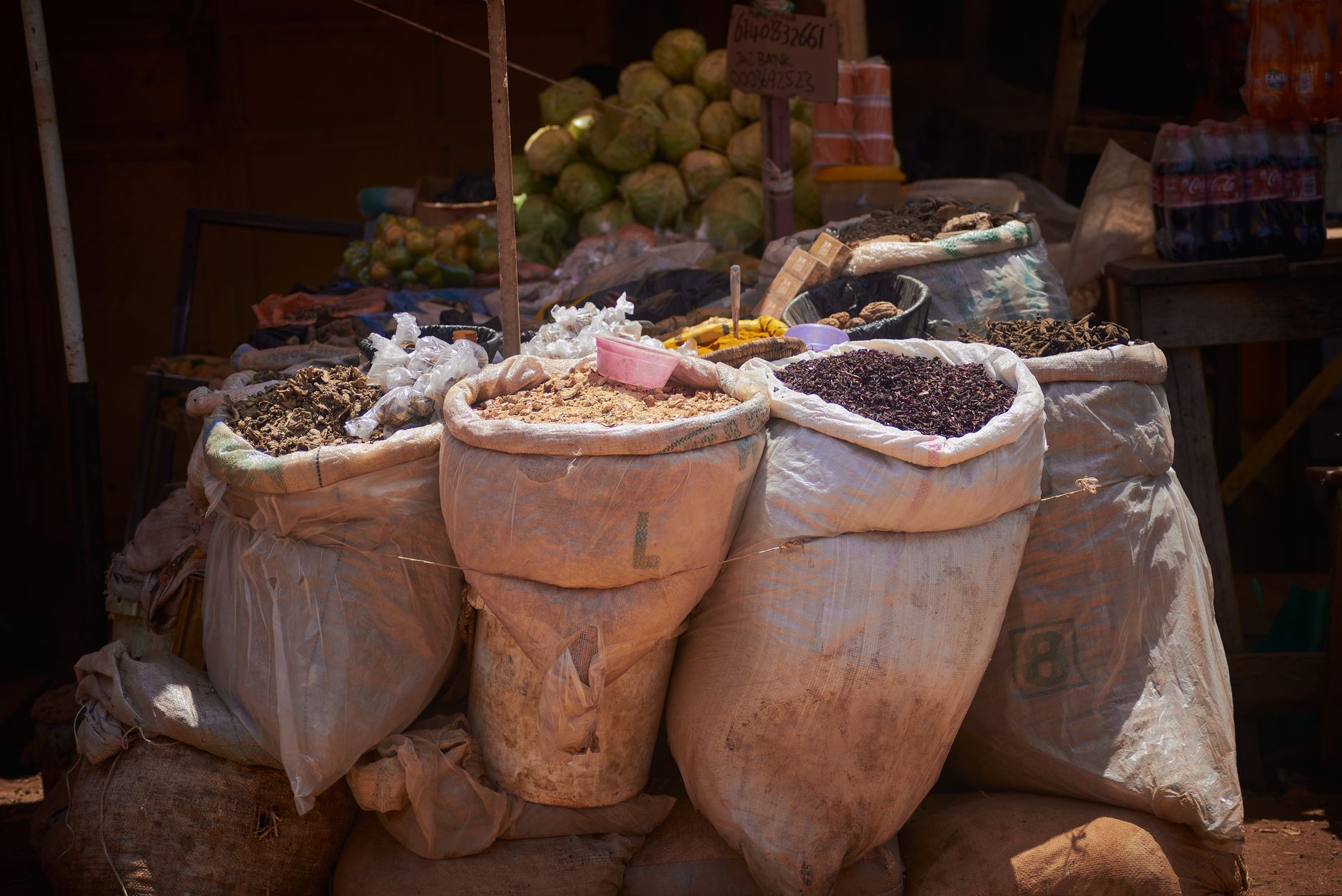
Antananarivo’s markets are cultural experiences in themselves. The Analakely area, beneath the famous covered stairways, pulses with commerce; the artisan and craft markets offer woodwork, textiles, semi-precious stones, and the products of highland workshops. Wandering the markets — respectfully, and ideally with a guide who can interpret and negotiate — is one of the most authentic ways to encounter daily Malagasy life.
Ambohimanga: The UNESCO Royal Hill
Twenty kilometers northeast of the capital stands the single most important cultural site in the highlands — and arguably in all of Madagascar. The Royal Hill of Ambohimanga is a UNESCO World Heritage Site and the spiritual and political cradle of the Merina kingdom.
This was the original royal city, a fortified hilltop of sacred forests, ceremonial spaces, royal tombs, and the palace compound from which the kingdom expanded to unify the island. The site remains a place of pilgrimage and deep ancestral significance for Malagasy people. Visitors pass through massive stone gates — one famously sealed each night by a great stone disc rolled into place — into a precinct where the sacred and the royal intertwine. The royal enclosures, the sacred basins, the ancient trees, and the panoramic setting convey the depth of Merina civilization in a way no museum can match.
A visit to Ambohimanga is the cultural high point of any highland journey. Approach it with respect: this is a living sacred site, not merely a monument. A knowledgeable guide transforms the visit, explaining the layers of royal history, ancestral belief, and ceremonial significance that the stones alone cannot convey.
Ambohimanga is one of the historic royal hills of Imerina, a network of fortified sacred sites that anchored the highland kingdom. Its name means “blue hill” or “beautiful hill,” and the site’s significance long predates and outlasts the monarchy’s move to Antananarivo — even after the capital shifted, kings returned here for the most important rituals. Practically, the site is an easy half-day trip from the capital, ideally taken in the morning light before the day warms; allow a couple of unhurried hours to walk the precinct, absorb the sacred forest, and let a guide unfold the story. Combined with the Rova in the capital, Ambohimanga completes the essential royal narrative of the highlands — the two sites together telling the story of how a small highland kingdom grew to unify an island. For many travelers, the quiet morning hours spent within Ambohimanga’s sacred enclosures become the most memorable of the entire trip.
The RN7 Highland Cultural Corridor
South of the capital, the RN7 — Madagascar’s most famous road — threads through the highland heartland, linking a string of cultural towns. This corridor offers the densest concentration of accessible heritage on the island, and traveling it is a cultural journey in its own right.
Antsirabe: Spa Town and Craft Capital
About three hours south of Tana, Antsirabe is a colonial-era spa town famous for its thermal heritage, its broad avenues, and above all its pousse-pousse (rickshaws) that fill the streets in colorful profusion. Antsirabe is a craft center: workshops produce semi-precious stone carvings, miniatures (including astonishingly intricate models), zebu-horn items, and embroidery. Visiting the workshops and buying directly from artisans is both a cultural experience and a way to support living craft traditions. The town’s faded colonial grandeur and thermal baths add a distinctive atmosphere, and a slow afternoon exploring its avenues by pousse-pousse is itself one of the highlands’ simple pleasures.
Ambositra: Heart of Zafimaniry Woodcraft
Further south, Ambositra is the gateway to Zafimaniry country and the woodcarving capital of Madagascar. The Zafimaniry woodworking tradition is inscribed on UNESCO’s list of Intangible Cultural Heritage, and Ambositra’s workshops and shops overflow with intricately carved objects bearing the geometric symbolic patterns that define the style. Beyond the town, excursions into the forested Zafimaniry villages reveal the tradition in its living context — carved houses, artisans at work, and a craft heritage passed through generations. Buying authentic pieces here directly supports the communities that sustain this UNESCO-recognized art.
Fianarantsoa: Betsileo Cultural Capital
The southern highland city of Fianarantsoa is the cultural capital of the Betsileo people, Madagascar’s master rice terracers. Its old town, perched on a hill, preserves historic churches and highland architecture, and the surrounding region is famous for its sculpted rice terraces and its wine heritage — a legacy of French influence. Fianarantsoa is also the terminus of the legendary Fianarantsoa–Côte Est railway, one of the world’s great scenic train journeys, descending through forest and village landscapes toward the east coast. The Betsileo cultural landscape is explored in depth in the Betsileo guide.
Day Trips from Antananarivo
The capital makes an excellent base for cultural day trips into the surrounding highlands. Beyond Ambohimanga, the region offers royal sites, craft villages, sacred places, and highland landscapes within reach of a day’s excursion. Our day trips from Antananarivo guide ranks the best options by value, from cultural and historical sites to nature excursions that pair beautifully with a highland cultural itinerary.
Living Culture in the Highlands
The highlands are not only about monuments — they are where Madagascar’s living traditions are most accessible.
Hira Gasy: Highland Folk Opera
The hira gasy is a uniquely Malagasy theatrical tradition rooted in the Merina highlands, combining music, dance, and elaborate oratory performed by costumed troupes. These all-day spectacles blend moral storytelling, formal kabary speech, and competitive performance, and encountering one is among the most distinctive cultural experiences the highlands offer. Performances happen at festivals, ceremonies, and organized events — a guide can help you find one during your visit.
Valiha and Highland Music
The valiha, Madagascar’s national instrument and a tube zither of Southeast Asian lineage, anchors highland music with its shimmering, harp-like sound. Live performances reveal the depth of this tradition and its direct link to the island’s Austronesian roots. The valiha and Malagasy music guide identifies where to experience it in and around the capital.
Famadihana in the Highlands
The highlands are the home of the famadihana, the famous “turning of the bones” ceremony in which families exhume, rewrap, and joyfully celebrate their ancestors before reburial. Held in the cool dry months (roughly July–September), famadihana is the most significant cultural event of the highland year. Witnessing one is a profound privilege that requires invitation and respectful guidance — a resident specialist can sometimes arrange appropriate access when the timing aligns.
The Merina Kingdom: History That Shapes the Highlands
To travel the highlands with understanding is to know the story of the kingdom that built them. In the late 18th and early 19th centuries, the Merina monarchy — centered first at Ambohimanga and then at Antananarivo — expanded from the central highlands to unify most of Madagascar under a single crown. King Andrianampoinimerina laid the foundations from Ambohimanga; his son Radama I extended the kingdom and opened it to European trade, missionaries, and ideas.
The 19th century brought dramatic reigns, religious upheaval, modernizing reforms, and ultimately the kingdom’s subjugation when France colonized the island in 1896. This history is written into the highland landscape: the royal hills, the brick churches that mark the arrival of Christianity, the colonial avenues of Antsirabe, and the tombs and monuments that honor ancestors and rulers alike. Every site you visit — the Rova, Ambohimanga, the old towns — is a chapter of this story, and reading the highlands through the lens of the Merina kingdom transforms scattered sights into a coherent and moving narrative. The complex figure of Queen Ranavalona I, whose reign resisted European encroachment at great cost, is one of its most dramatic chapters.
Ambalavao and the Far Southern Highlands
Beyond Fianarantsoa, the highlands extend toward Ambalavao, a town that rewards travelers willing to venture further south. Ambalavao is home to the Antemoro paper workshops, where the distinctive flower-embedded handmade paper — a craft of Arab origin — is produced using traditional techniques visitors can watch firsthand. The town also hosts one of Madagascar’s largest zebu markets, a vivid window into the cattle culture central to highland and southern life, where the animals that anchor ceremony, wealth, and ancestral practice change hands in a scene unchanged for generations.
Nearby, the granite domes and the famous wine cooperatives of the region add to Ambalavao’s appeal, and the area serves as a gateway to the dramatic landscapes of the deep south. For cultural travelers, Ambalavao extends the highland journey into territory where the highland and southern cultures begin to meet.
The Fianarantsoa–Côte Est Railway
One of the highlands’ most distinctive experiences is the Fianarantsoa–Côte Est railway, a historic narrow-gauge line that descends from the highland city through forested escarpments and remote villages toward the east coast. The journey is slow, scenic, and culturally rich — the train is a lifeline for villages along the route, and stations become bustling markets as it passes. Riding even part of the line offers a window into rural highland and forest-edge life that no road journey provides, and it ranks among the great train journeys for travelers who value experience over speed.
Highland Cuisine and Markets
The highlands have a distinct food culture worth exploring. Rice anchors every meal, and highland specialties — hearty stews, zebu dishes, and seasonal vegetables from the terraced fields — reflect the region’s agricultural rhythm. The weekly markets of the highland towns are the best place to encounter this food culture, alongside crafts, textiles, and the ordinary commerce of highland life. Antsirabe and Fianarantsoa both have lively markets, and smaller towns hold weekly market days that draw the surrounding countryside into town. Sampling highland cuisine — at a market stall, a local restaurant, or a guesthouse table — is itself a cultural experience that connects you to the land and its rhythms.
A Suggested Highland Cultural Itinerary
For travelers wanting a structured route, this classic highland cultural journey works beautifully over 8–10 days.
Days 1–2 — Antananarivo: Explore the Haute-Ville, the Rova, and the markets; visit Ambohimanga as a half-day cultural high point; take in a valiha performance.
Day 3 — Tana to Antsirabe: Drive south on the RN7, arriving in the spa town. Explore the pousse-pousse-filled streets, the craft workshops, and the colonial atmosphere.
Days 4–5 — Antsirabe to Ambositra: Continue south to the woodcarving capital. Visit Zafimaniry workshops and, ideally, a forest village to see the UNESCO craft in its living context.
Days 6–7 — Ambositra to Fianarantsoa: Reach the Betsileo cultural capital. Explore the old town, the rice terraces, and the wine region; consider a leg of the historic railway.
Days 8–9 — Fianarantsoa to Ambalavao and return: Day-trip to Ambalavao for Antemoro paper and the zebu market, then begin the return journey, or continue further south if combining with nature destinations.
This route can be compressed to a focused highland week or extended with coastal or wildlife legs for a comprehensive Madagascar journey. A driver-guide makes the whole route flow smoothly and unlocks the cultural depth at each stop.
Where to Stay in the Highlands
The highlands offer characterful accommodation across price points. Antananarivo’s upper town and central districts hold heritage hotels and comfortable mid-range options; Antsirabe and Fianarantsoa offer colonial-era hotels with highland character. Basing yourself centrally in each town puts cultural sites, markets, and workshops within easy reach. Compare current Antananarivo heritage stays on Agoda to anchor your itinerary, and for a deeper breakdown of the capital’s neighborhoods and styles, the where to stay in Antananarivo guide is the essential reference.
Antananarivo Beyond the Highlights
Beyond the Rova and the markets, Antananarivo rewards deeper exploration. Lake Anosy, the heart-shaped lake at the city’s center crowned by a monument, anchors a walkable district. The Andafiavaratra Palace, former residence of the powerful 19th-century prime minister, houses a museum of royal artifacts that survived the Rova fire — a valuable complement to the royal sites. The botanical and zoological park of Tsimbazaza offers an introduction to Madagascar’s natural heritage within the city, useful for travelers combining culture with wildlife interest.
The city’s churches, the bustle of Independence Avenue, the colonial-era architecture, and the everyday rhythm of neighborhood life all repay unhurried attention. Tana is not a city of single must-see monuments so much as an atmosphere to absorb — the verticality, the markets, the light over the hills, and the layered history visible in every district. A day spent walking the upper town with a knowledgeable guide reveals far more than a checklist tour, turning the capital from a transit point into a genuine cultural destination in its own right.
Photography in the Highlands
The highlands are extraordinarily photogenic — terraced rice fields, brick villages, royal architecture, and the dramatic light of the high plateau. But photography here carries cultural responsibility. Always ask before photographing people, and never photograph tombs, ceremonies, or sacred sites without explicit permission; ancestral sites in particular carry deep significance and casual photography causes genuine offense. A guide can help you understand when and where photography is welcome and when it is not. Approached respectfully, the highlands offer some of the most rewarding cultural and landscape photography in Madagascar — the golden-hour views over Antananarivo’s hills, the sculpted Betsileo terraces, and the craft workshops all reward the patient, courteous photographer.
Combining Highland Culture with the Rest of Madagascar
Because Antananarivo is the country’s gateway, highland culture pairs naturally with almost any Madagascar itinerary. A few cultural days in the highlands at the start of a trip provide context and depth before travelers head to the rainforests of Andasibe, the dry forests and baobabs of the west, or the beaches of the coast. Equally, ending a wildlife or beach trip with a highland cultural finale sends travelers home with a fuller understanding of the island. The RN7 itself continues south toward Ranomafana’s rainforest and ultimately the spiny forests and beaches of the far south, making the highland cultural route a natural spine for a comprehensive journey. However you structure it, weaving highland culture into your itinerary transforms a Madagascar trip from a nature holiday into a genuine encounter with one of the world’s most distinctive civilizations.
Cultural Etiquette in the Highlands
Traveling respectfully in the highlands rests on a few principles. Always ask before photographing people, ceremonies, or especially tombs — ancestral sites carry deep significance and consent matters profoundly. Learn and respect local fady (taboos), which vary by place and which a guide will explain. Dress and behave modestly at royal tombs, sacred forests, and ceremonial spaces. Approach famadihana only by invitation. And embrace the unhurried mora mora pace — the highlands reward patience and genuine curiosity far more than a checklist mentality. Given the remote nature of some highland sites and the limited rural medical infrastructure, comprehensive travel insurance is essential.
Highland Festivals and Timing Your Visit
The highland cultural calendar can shape when you choose to visit. The famadihana season (roughly July–September), in the cool dry months, is when families across the highlands hold the turning-of-the-bones ceremonies — the most significant cultural events of the year, though access requires invitation and respectful guidance. These same dry-season months offer the easiest highland road travel and the clearest access to remote craft villages, making winter the prime window for a deep cultural journey.
The Malagasy New Year (Alahamadi), rooted in the traditional lunar calendar, and the santabary first-rice celebrations (around April–May) mark moments of renewal in the highland agricultural and spiritual cycle. Independence Day on 26 June fills Antananarivo and the highland towns with nationwide celebration — a vivid window into contemporary national identity layered over the ancestral heritage. Local market days, which vary by town, are reliable weekly cultural events worth building into any itinerary, drawing the surrounding countryside into town in a burst of commerce, crafts, and daily life.
For travelers whose primary interest is the royal sites, markets, and craft towns, the highlands deliver year-round — Antananarivo, Ambohimanga, and the RN7 corridor remain fully accessible in any season. The wet months (November–March) bring lush green terraces and fewer visitors at the expense of more challenging rural roads. Aligning your visit with a specific ceremony or festival adds a powerful living dimension, but the highland heritage itself never closes for the season, making this one of Madagascar’s most flexible cultural regions to plan around.
Practical Highland Travel Tips
Budget realistic driving times: The RN7 is scenic but slow. Plan shorter daily distances than the map suggests, and treat the journey as part of the experience.
Carry cash in small denominations: Away from the capital, card acceptance is unreliable, and craft purchases and market transactions need cash.
Dress for highland weather: The highlands are cooler than the coast, especially in the dry winter months — bring layers, as evenings can be genuinely cold.
Allow time for the unplanned: The best highland cultural experiences — a market encounter, a workshop conversation, an invitation — happen when you leave room for them.
Carla / Voyagiste Madagascar (highland cultural coordination)
Madagascar-resident specialist for highland cultural travel. Contact Carla directly to coordinate the RN7 cultural route — driver-guides, craft village access, ceremony invitations, and the right highland accommodation — structured to reveal the living heart of Malagasy culture.
Frequently Asked Questions
How long should I spend in the highlands?
Three days covers Antananarivo and Ambohimanga; 7–10 days allows the full RN7 cultural route through Antsirabe, Ambositra, and Fianarantsoa.
What is the most important cultural site?
The UNESCO Royal Hill of Ambohimanga, the spiritual and political cradle of the Merina kingdom, is the single most significant cultural site in the highlands.
Is the RN7 worth driving?
Yes — the RN7 corridor holds the densest concentration of accessible culture on the island, and the journey through highland landscapes and towns is a cultural experience in itself.
Can I see a famadihana ceremony?
Possibly, with invitation and respectful guidance, during the July–September season. A resident specialist can sometimes arrange appropriate access. Reach out to Carla.
Do I need a guide?
For the deepest experiences — Ambohimanga’s significance, craft villages, ceremonies, navigating fady — a knowledgeable guide is invaluable and transforms the journey.
Is travel insurance necessary?
Yes. Highland road travel and limited rural medical care make comprehensive coverage essential.
🌴 Plan Your Highland Cultural Journey With Carla
The highlands hold Madagascar’s richest culture — royal sites, UNESCO heritage, craft towns, and living ceremony. Reach out to Carla, our Madagascar-resident specialist, to structure the RN7 cultural route with the right guides, timing, and respectful access to the traditions that make the highlands extraordinary.
Plan Your Trip to Madagascar
- Read the full Madagascar Travel Guide
- Explore itineraries by style and duration
- Best Tours and Guided Experiences
Where to Stay