Best and Worst Roads in Madagascar: Regions Ranked by Drivability 2026
This post contains affiliate links. We may earn a small commission at no extra cost to you.
At a Glance
- Best road: RN7 (Antananarivo–Toliara) — paved, maintained, standard car viable in dry season
- Worst road: RN5 north section (Toamasina–Maroantsetra) — partially unpaved, frequently flooded, 4WD mandatory
- Most improved 2024–2026: RN6 (northern corridor to Diego Suarez) — major resurfacing completed
- Rainy season closures: RN13 south section and multiple east coast routes become impassable Nov–Mar
- Rent the right vehicle: Compare 4WD rentals on Carla
- Flying instead? AirAdvisor — check flight compensation eligibility
- Travel insurance: Check SafetyWing’s plans
🎒 Madagascar Trip Essentials
A few inexpensive items make the biggest difference on the ground in Madagascar:
- Picaridin insect repellent — DEET-free protection against malaria mosquitoes. See on Amazon →
- Permethrin clothing spray — treat clothes; kills mosquitoes on contact for weeks. See on Amazon →
- Pop-up mosquito net — budget lodges rarely provide one; packs down tiny. See on Amazon →
- Water filter bottle — tap water isn’t safe to drink in Madagascar. See on Amazon →
- Universal travel adapter (USB-C) — Madagascar uses European-style plugs. See on Amazon →
- 8×42 binoculars — essential for spotting lemurs and chameleons in the canopy. See on Amazon →
As an Amazon Associate we earn from qualifying purchases.
Not all of Madagascar’s roads are equal — the gap between the best and worst spans the difference between a comfortable day trip and a 3-day survival exercise. This ranking covers every major national road with honest assessments of condition, minimum vehicle requirement, and seasonal variation.
Plan your Madagascar trip:
Tier 1 — Best Roads: RN7 and What You Can Drive in a Standard Car
The RN7 from Antananarivo south to Toliara (950 km) is the gold standard of Madagascar road infrastructure. Paved along its entire length, maintained with periodic resurfacing, and signed reasonably well, it handles standard vehicles confidently in the dry season. Average driving speed on the RN7 runs 50–65 km/h — slow by international standards but consistent and predictable. The RN4 from Antananarivo to Mahajanga (570 km) ranks second — paved but rougher, with one significant unpaved stretch of approximately 80 km between Tsiroanomandidy and Kandreho that degrades into a 4WD-advisable section in the rainy season. The RN7 branch roads connecting to Fianarantsoa and the wine country around Ambalavao are good quality and driveable in a standard car. The RN44 from the RN7 to Morondava (217 km) is a flat but increasingly potholed road that most experienced drivers complete in a standard car during dry season, though a high-clearance vehicle is safer. These four routes connect the majority of Madagascar’s main tourist destinations and can be strung into a multi-week itinerary without requiring specialist vehicle or off-road driving experience. Compare with the RN13 road trip to understand what the tier difference feels like in practice.
Tier 2 — Challenging Roads: RN6, RN13 (Northern Section), and Seasonal Routes
The RN6 from Diego Suarez south toward Ambanja received significant resurfacing work during 2024–2025, making it one of the most improved routes on the island. The northern 200 km near Diego Suarez are now in good condition; the middle sections remain potholed but driveable in a high-clearance vehicle. The RN13’s northern section from Fianarantsoa to Ihosy follows the RN7 corridor and is acceptable. The southern half from Ihosy to Fort Dauphin is a separate beast — covered in Tier 3. The route to Ranomafana National Park from Fianarantsoa (60 km) is paved but narrow and steep with blind corners that require careful driving. The access road to Andasibe-Mantadia from RN2 is paved and easy in any vehicle — one of the better-maintained park access roads. Seasonal note: any road at this tier drops to Tier 3 during the rainy season (November through March) when sustained rainfall turns potholed sections into muddy obstacles. For destinations in this tier, a high-clearance vehicle (not necessarily full 4WD) is the minimum recommendation. Read the full transport safety guide for seasonal risk details.
Read also:
Save money on your Madagascar trip:
Tier 3 — Worst Roads: RN5 North, RN13 South, and Remote Access Routes
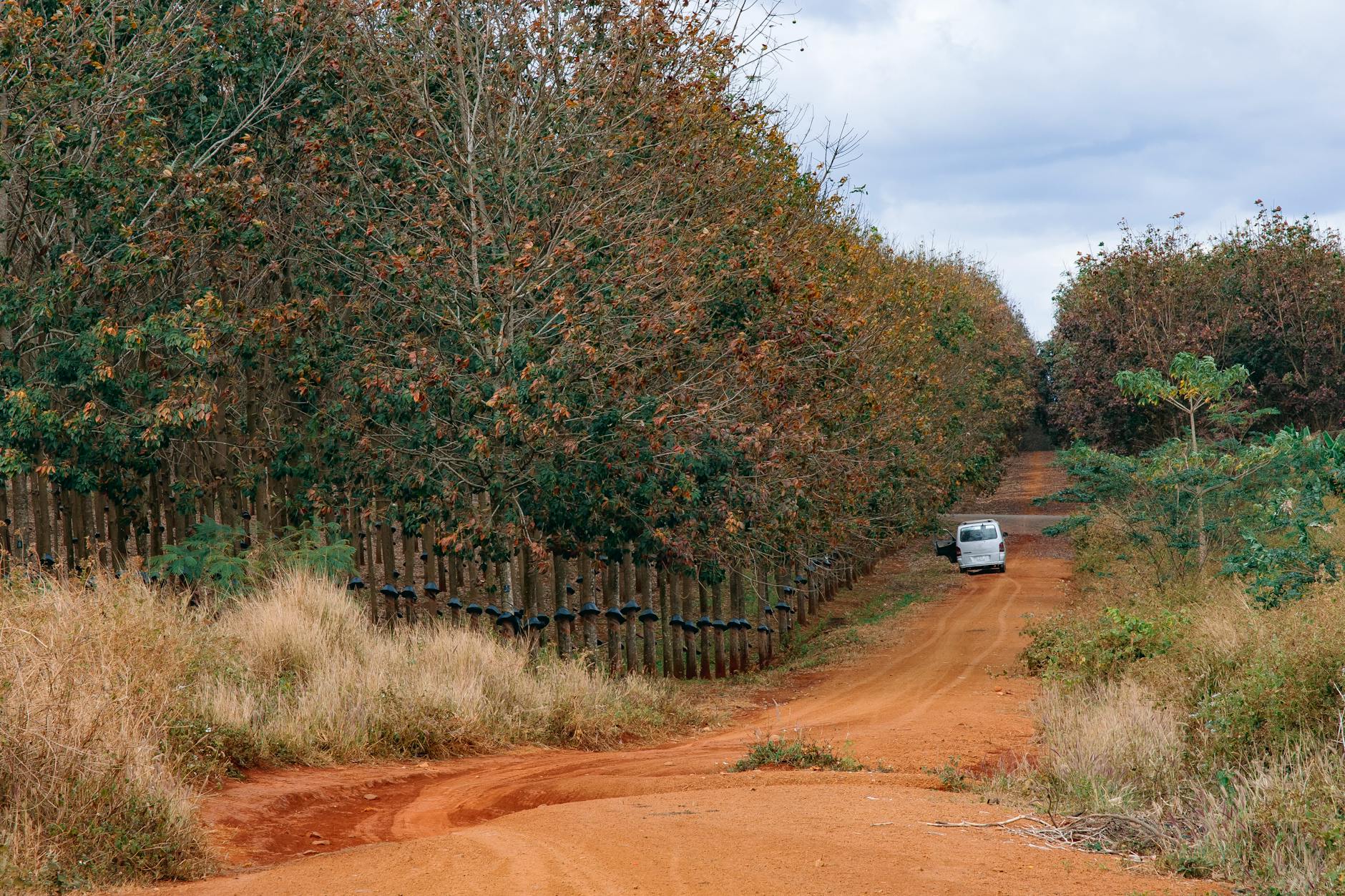
The RN5 north of Toamasina past Foulpointe toward Maroantsetra is Madagascar’s most notorious road for difficulty. The pavement ends approximately 130 km north of Toamasina, followed by 300 km of unpaved track through dense rainforest that regularly floods, washes out, and becomes impassable for days after heavy rain. This route is for 4WD vehicles only, driven only by day, and only in the dry season. The RN13 south of Ihosy to Fort Dauphin earns its reputation through 560 km of alternating deteriorated tarmac and unpaved sections crossing the spiny desert with multiple unmapped river crossings. Both routes are physically demanding and carry real risk of getting stranded. Other Tier 3 candidates: the access road to Tsingy de Bemaraha (last 65 km from Belo-sur-Tsiribihina), any route in the deep south to Andohahela, and the track north of Sambava on the northeastern coast. For travellers without off-road experience, these routes are best avoided — flying is categorically safer and often not significantly more expensive.
Considering flying instead of driving a Tier 3 route? If your journey connects through a European hub, check your AirAdvisor flight compensation eligibility — delays on connecting flights may entitle you to up to EUR 600.
Seasonal Drivability: How the Rainy Season Changes Everything
Madagascar’s rainy season runs from November through March, with the heaviest precipitation along the east coast and the south. During this period, road rankings shift dramatically. The RN7 remains driveable in a standard car throughout the rainy season — it is the only route that maintains its Tier 1 status year-round. The RN4 to Mahajanga becomes a Tier 2 road with significant mud sections replacing the dry-season potholes. The RN13, RN5, and all other Tier 3 routes become either high-risk or completely impassable during peak rainy season. Even experienced drivers with proper 4WD have been delayed 3 to 5 days waiting for river levels to drop on the RN13 and RN5. Cyclone season (December through March) adds wind damage, downed trees, and road washouts that can close even the RN7 briefly. The practical implication: plan any route outside the RN7 corridor exclusively for the dry season (April through October), and build extra buffer days for weather disruption regardless of route. Book a properly equipped 4WD on Carla — confirm it comes with winch equipment for Tier 3 routes. Read the night driving guide for how darkness compounds road risk in the rainy season.
Ready to book your Madagascar trip?
Frequently Asked Questions
Can I drive from Antananarivo to Diego Suarez in a standard car?
Not recommended. The RN6 connecting Antananarivo to Diego Suarez via the northwest involves multiple route segments, some of which require a 4WD or at minimum a high-clearance vehicle. Most travellers fly Antananarivo–Diego Suarez on Tsaradia and rent locally for day trips.
What is the best road trip route in Madagascar for first-timers?
The RN7 from Antananarivo to Isalo National Park is the best entry-point road trip in Madagascar. Driveable in a standard car in dry season, it passes Ambositra (handicraft town), Fianarantsoa (wine and railway), and arrives at Madagascar’s most dramatic canyon landscape. The round trip is 1,400 km and manageable in 7 days.
Are there tolls on Madagascar roads?
No formal toll roads exist in Madagascar. Some ferry crossings charge a vehicle fee (MGA 5,000–20,000 depending on ferry size), and occasional informal ‘checkpoints’ in remote areas sometimes collect small informal fees — these are rare and typically MGA 1,000–2,000. Your rental operator can advise on specific route expectations.
Madagascar’s road network rewards planning. Match your vehicle to your route tier, drive only in daylight, and carry the fuel and safety margin the worst-case scenario demands. For long distances between Tier 3 destinations, flying is often the smarter option. Whatever transport you choose, travel insurance is non-negotiable in Madagascar — medical evacuation costs USD 30,000–80,000 and roadside recovery in remote areas costs hundreds. Get SafetyWing before you travel with full emergency evacuation cover.
Plan Your Trip to Madagascar
- Read the full Madagascar Travel Guide
- Explore itineraries by style and duration
- Explore the full destination guide
Where to Stay