Masoala National Park 2026: The Complete Guide to Madagascar’s Rainforest Coast
Affiliate disclosure: This article contains sponsored links to hotels, tour operators, insurance providers, and other travel services. We earn a small commission if you book through our links, at no extra cost to you.
Masoala National Park 2026 — At a Glance
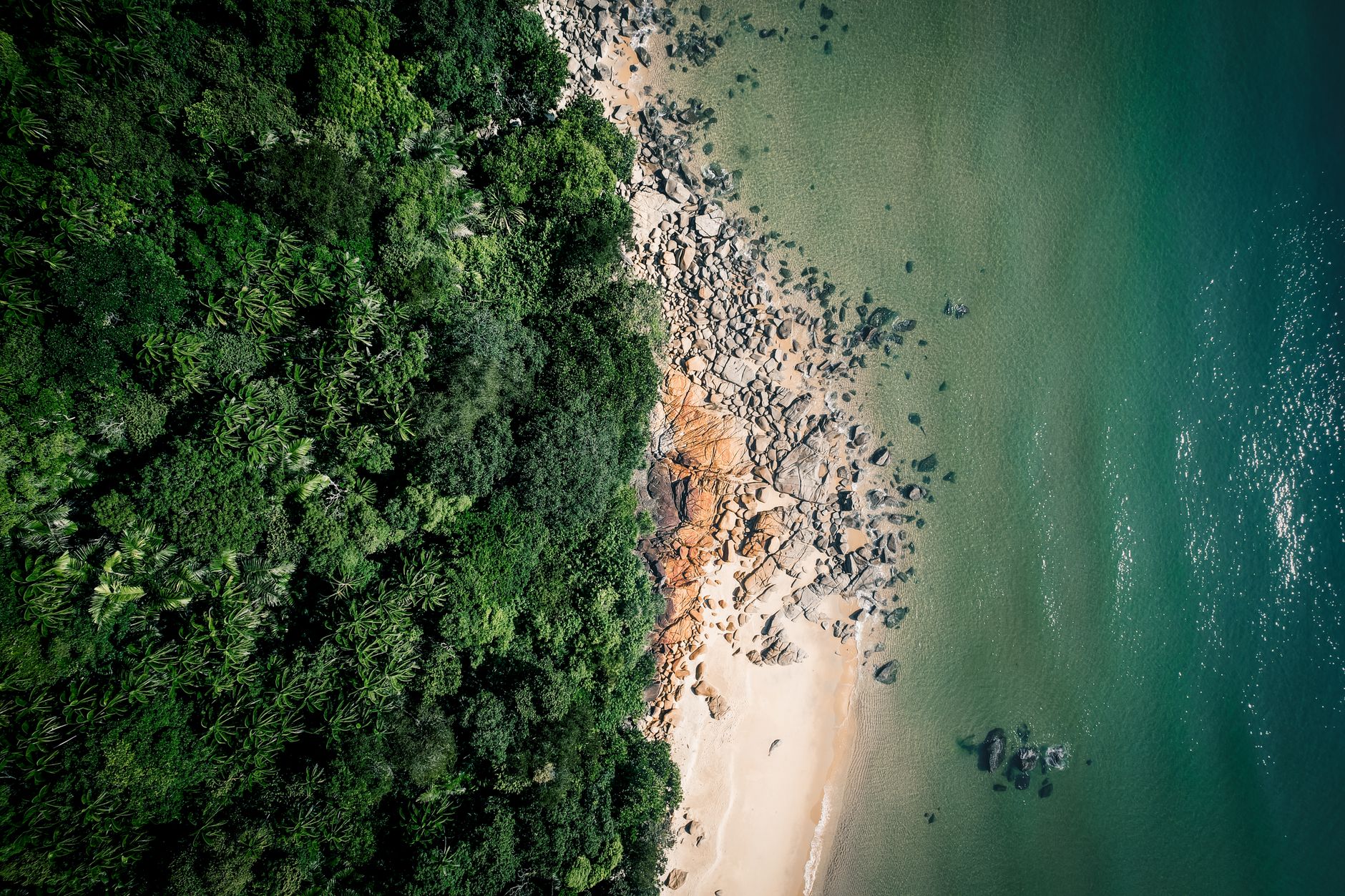
- What & where: Madagascar’s largest protected area, on the wild Masoala Peninsula in the remote northeast, wrapping around the Bay of Antongil — lowland rainforest that runs right down to the sea.
- Best time to visit: The drier, calmer window is roughly September to early December; this is one of the rainiest corners of Madagascar, so expect rain in any season.
- Signature experience: One of the very few places on Earth where rainforest meets coral reef — and the only home of the red ruffed lemur (Varecia rubra), found nowhere else on the planet.
- Tours: Compare guided trips on Masoala & northeast tours on GetYourGuide.
- Plan with a local: Build a custom northeast itinerary — contact Carla.
- Getting around: Arrange a car & driver via Carla for the overland legs and transfers.
- Flight delays: If a connection to Maroantsetra is delayed or cancelled, check your compensation with AirAdvisor.
- Travel insurance: Cover the remote, rainy adventure with SafetyWing Nomad Insurance.
- Where to stay: Book gateway and peninsula stays through Madagascar stays on Agoda.
🐿 Wildlife-Watching Gear for Madagascar
The right kit turns a good wildlife trip into a great one:
- 8×42 binoculars — essential for spotting lemurs and chameleons in the canopy. See on Amazon →
- Rechargeable headlamp — essential for night walks; red mode won’t disturb wildlife. See on Amazon →
- Trekking poles — ultralight support for long park hikes. See on Amazon →
- Hiking daypack — comfortable pack for water, camera and layers. See on Amazon →
- Picaridin insect repellent — DEET-free protection against malaria mosquitoes. See on Amazon →
As an Amazon Associate we earn from qualifying purchases.
If you draw a line down the list of Madagascar’s national parks and ask which one feels the most genuinely wild, the most untouched, and the hardest to reach, the answer keeps coming back to the same place: Masoala. This vast green peninsula in the northeast is the country’s largest protected area, a roadless tangle of lowland rainforest that tumbles all the way down to white-sand beaches and coral reefs on the Bay of Antongil. There is no highway in, no string of resorts, and no quick day trip — getting here takes a small plane, a boat, and a willingness to get wet. In return, Masoala hands you a corner of the planet that very few travellers ever see.
This is the pillar guide to the whole Masoala silo. Below you’ll find what the park is and where it sits, the famous red ruffed lemur and the other creatures that live nowhere else, the three marine parks where you can snorkel straight off the rainforest, the island reserve of Nosy Mangabe, the humpback whales that pour into the bay each winter, and the honest practicalities of access, weather, lodging and cost. Read it through to decide whether Masoala belongs on your Madagascar trip — and use the linked deep-dives for the details once you’ve decided it does.
What & Where: Madagascar’s Largest National Park
Masoala National Park protects the bulk of the Masoala Peninsula, a broad, mountainous thumb of land jutting into the Indian Ocean in northeastern Madagascar. It curls around the Bay of Antongil, the country’s largest bay, with the gateway town of Maroantsetra sitting at the bay’s inner corner. By area, Masoala is the largest national park in Madagascar — a sweep of protected land and adjoining marine zones that dwarfs the more famous, more accessible reserves further inland.
What makes it geographically special is the simple fact that the forest never stops at a tidy boundary. Instead, lowland tropical rainforest spills downhill until it reaches the shoreline, so you can stand on a beach with reef offshore and primary rainforest rising directly behind you. That continuity — forest to sea with no farmland or road in between — is rare anywhere in the world and almost unheard of in a single protected area. Masoala is part of the UNESCO World Heritage Site known as the Rainforests of the Atsinanana, a serial listing of Madagascar’s last great eastern rainforests, recognised precisely because of the extraordinary, endemic life they shelter.
Where Rainforest Meets the Sea
Most rainforest parks ask you to choose between jungle and coast. Masoala doesn’t. Because the protected area bundles together terrestrial forest and adjoining marine zones, a single trip can mean a morning tracking lemurs under the canopy and an afternoon snorkelling over coral — sometimes within sight of the same stretch of shore. The lowland rainforest here is dense, humid and tall, draped in epiphytes and orchids, and it is among the most biologically rich habitats in the country.
This rainforest-meets-reef character is the single best reason to make the effort. It is the kind of place where the line between land and water blurs: rivers run dark with tannins out of the forest and into the bay, mangroves fringe the river mouths, and the reef begins not far offshore. For naturalists and photographers, the variety packed into a small radius — canopy, understorey, beach, mangrove and reef — is hard to match anywhere else on the island.
The Three Marine Parks & Snorkelling
Masoala’s protection extends offshore through a set of marine parks along the peninsula’s coast, the best known being Tampolo. These marine zones safeguard coral reefs, seagrass and the small bays where the rainforest meets the water, and they are open for snorkelling and, where conditions allow, diving. Drifting over a reef with rainforest filling the horizon behind you is a quintessential Masoala experience and one of the few places you can do it.
Conditions vary with the season and the weather — the same rains that feed the forest can cloud the water and make boat travel rough — so flexibility matters. When the sea is calm and clear, the reefs reward you with colourful fish, coral gardens and the occasional turtle. Travellers who plan to snorkel should ask their lodge or operator about current visibility and the marine-park access rules, and build in spare days so a rough patch doesn’t cost them the experience.
Wildlife: The Red Ruffed Lemur & More
The headline animal is the red ruffed lemur, Varecia rubra — a striking, rust-coloured primate that is endemic to the Masoala Peninsula and found absolutely nowhere else on Earth. Hearing a troop’s loud, rolling calls echo through the canopy is one of the defining sounds of the park. Beyond the red ruffed lemur, Masoala is home to around ten lemur species, giving it one of the richer lemur communities of any single Malagasy park.
The reptile and amphibian life is just as remarkable. Leaf-tailed geckos of the genus Uroplatus press themselves invisibly against tree bark, and the bright-red tomato frog is one of the region’s photogenic specialities. Birders come for hard-to-find species such as the helmet vanga, with its huge blue bill, and the elusive, nocturnal red owl. The sheer concentration of endemic, range-restricted species is exactly why Masoala draws serious naturalists despite its remoteness. For a fuller species-by-species rundown, see our Masoala wildlife & lemurs guide and the broader where to see lemurs in Madagascar overview.
Nosy Mangabe: The Island in the Bay
Just off Maroantsetra, in the Bay of Antongil, lies Nosy Mangabe — a small, forested island that is a special reserve in its own right and one of the easiest, most rewarding outings of a Masoala trip. Its trails are gentle, its forest is dense, and its wildlife is superb. The island is famous as a place to look for the bizarre, nocturnal aye-aye, for several species of leaf-tailed gecko, and for chameleons and frogs along the paths.
Nosy Mangabe also carries a layer of history: weathered inscriptions left by 17th-century sailors and traders are carved into rocks near the old anchorage, a reminder that the bay was a stop on long-distance shipping routes long before it became a conservation site. A day or overnight on the island pairs naturally with the mainland park. For more on the wildlife you might find here, see our Masoala wildlife guide, and read up on the island’s most famous resident in the broader lemur-spotting guide.
Humpback Whales in the Bay of Antongil
For a few months each year, Masoala adds a marine spectacle to its rainforest. Humpback whales migrate into the warm, sheltered waters of the Bay of Antongil to breed and calve, with the season running roughly from July to September. During those weeks, boat trips out of Maroantsetra can bring you within sight of breaching adults and mothers shepherding their newborn calves — an extraordinary bonus on top of everything the forest offers.
The timing comes with a trade-off: the prime whale window overlaps the wetter, cooler shoulder of the year rather than the driest months, so whale-focused travellers should expect more rain and rougher seas than those who come purely for the forest. If whales are your priority, plan around July–September and pad your schedule for weather. Our dedicated Madagascar whale-watching guide covers the season, the best bases and what to expect on the water.
The Masoala Experience: Treks, Camps & Boats
A Masoala trip is an expedition more than a sightseeing tour. Days are built around rainforest treks, often muddy and steep, in search of lemurs, birds and reptiles; nights are spent in simple beach-and-forest camps or eco-lodges with the sound of surf and frogs all around. River trips by pirogue or small boat reach quieter stretches of coast and forest, and snorkelling fills the gaps when the sea cooperates. The pace is dictated by tides, weather and daylight rather than a fixed itinerary.
As in all Madagascar national parks, a guide from Madagascar National Parks (MNP) is compulsory, and a good one is worth their weight in gold here — they know where the lemurs feed, which trails are passable after rain, and how to read the reef and the bay. Pack for wet conditions, bring quick-dry clothing and dry bags, and be ready for a few comforts to fall away in exchange for genuine wilderness.
Getting In: A Very Remote Park
There is no easy way to Masoala, and that is part of its character. The gateway is Maroantsetra, reached most reliably by small plane on domestic flights from Antananarivo (often via a connection), or by a long, rough overland-and-boat journey for the truly adventurous. Schedules on the small regional flights can shift with weather and demand, so build in buffer days and keep your onward plans flexible.
From Maroantsetra, the park itself is reached by boat — across or around the Bay of Antongil to the peninsula’s beaches and forest camps. There are few or no roads inside the park, so travel within Masoala is on foot and by water. This is exactly why so few visitors make it: the logistics are demanding and the weather can disrupt them. A local planner who knows the flight patterns and boat operators is enormously helpful; for the overland legs, a reliable car & driver via Carla takes the stress out of the journey.
When to Visit Masoala
Masoala sits in one of the wettest parts of Madagascar — it is rainforest, after all — so there is no truly dry season. The relatively drier, calmer window runs roughly from September to early December, when seas tend to be more navigable and trails a little less waterlogged. This is generally the most comfortable time for forest treks and snorkelling combined.
If your heart is set on humpback whales, the July–September season overlaps the wetter, cooler shoulder, so you’ll trade some sunshine for the chance to see them. The cyclone-prone height of the rains, around January to March, is best avoided entirely for travel and access. Whatever you choose, come expecting rain and you won’t be disappointed. For a country-wide view of the seasons, see our best time to visit Madagascar guide.
Who Masoala Suits
Masoala is not for everyone, and that’s worth saying plainly. It rewards adventurous travellers who have time to spare, who are comfortable with remoteness, small planes, boats and simple camps, and who genuinely don’t mind getting rained on. If your idea of a holiday is poolside comfort and predictable schedules, this is the wrong park. If the prospect of standing on an empty beach with primary rainforest at your back and a reef offshore sets your pulse racing, it may be the best thing you do in Madagascar.
It pairs best with travellers who already love nature and wildlife photography, who understand that the best sightings take patience, and who treat the journey itself as part of the adventure. Families with very young children, or anyone on a tight, fixed schedule, will usually be happier at more accessible parks. Masoala asks a lot — and gives more.
Where to Stay Around Masoala
Accommodation falls into two broad groups: the small hotels and guesthouses in and around Maroantsetra, which serve as your staging base before and after the park, and the eco-lodges and camps scattered along the peninsula’s coast inside or beside the protected area. Peninsula lodges typically arrange boat transfers, guides and meals as part of a package, since you can’t simply drive up and check in. Standards range from rustic forest camps to comfortable eco-lodges, but everything here is at the simpler, more sustainable end of the spectrum.
Because options are limited and seasonal, book well ahead, especially around the whale season. For city-and-gateway stays you can compare and book through Madagascar stays on Agoda, and for a full breakdown of lodge types, locations and how to book the remote camps, read our dedicated where to stay in Masoala guide.
Fees & Practicalities
Budgeting for Masoala means thinking beyond a single park ticket. You’ll pay MNP entry fees, a compulsory guide fee, and — uniquely for this park — significant boat-transfer costs to reach the peninsula and to move between sites, plus the domestic flight to Maroantsetra. Fees change periodically, so always check current MNP fees when you plan rather than relying on old figures. Most travellers find it simplest to book a package that bundles transfers, guiding, park fees and lodging, which spreads the logistics onto an operator who does this routinely.
Bring cash for fees and tips, as card facilities are scarce out here, and budget for the realities of a remote destination: things cost more when everything arrives by plane and boat. For a transparent, line-by-line look at what a Masoala trip really costs, including transfers and packages, see our Masoala trip cost guide and the operator options in our Masoala tour packages guide.
How Masoala Fits a Northeast & East-Coast Trip
Masoala is the crown jewel of Madagascar’s northeast, but it works best as part of a wider eastern itinerary rather than a stand-alone hop. Many travellers combine it with the classic eastern rainforests further south — Andasibe and the Atsinanana parks — to build a forest-focused route, with Masoala as the remote, wild finale. Because it shares the eastern rainforest belt and the UNESCO listing with those parks, the wildlife themes connect naturally from one to the next.
If you’re sketching out the region, start with our eastern Madagascar & Andasibe guide for the accessible heart of the east, then slot Masoala in as the adventurous extension. You might also pair the lemur theme with a sibling rainforest park such as Ranomafana National Park, and place everything within the wider context of our Madagascar national parks & reserves pillar.
Getting There & Travelling Well
Reaching Masoala almost always involves a domestic flight to Maroantsetra, and on small regional routes delays and cancellations are a real possibility — so if your flight is disrupted, check whether you’re owed compensation with AirAdvisor before you write the inconvenience off.
Insurance is not optional for a trip this remote. You’ll be days from a major hospital, on boats and forest trails in a rainy, tropical environment, and a simple problem can become a serious one far from help. SafetyWing Nomad Insurance is built for exactly this kind of long, flexible, adventurous travel, with medical cover and the flexibility to extend on the road. If you’re planning a longer Madagascar circuit that strings several parks together, lock in your SafetyWing cover before you leave so you’re protected from the first flight to the last boat.
Suggested Masoala Trip Plan
Here is a realistic framework for a Masoala visit based out of Maroantsetra. Treat it as a skeleton and add buffer days for weather, because the schedule here bends to the sea and the rain.
- Day 1 — Arrive Maroantsetra: Fly in from Antananarivo, settle into a gateway guesthouse, and meet your guide and boat team to confirm the plan and the tides.
- Day 2 — Nosy Mangabe: Take a boat to the forested island in the bay for gentle trails, leaf-tailed geckos, chameleons and a chance at the aye-aye; look for the historic sailors’ inscriptions near the old anchorage.
- Day 3 — Cross to the peninsula: Boat around or across the Bay of Antongil to a beach-and-forest camp inside the park; afternoon walk in the lowland rainforest looking for red ruffed lemurs.
- Day 4 — Forest & reef: A full day in the park — a morning rainforest trek for lemurs and birds, then snorkelling over a marine-park reef such as Tampolo if seas are calm.
- Day 5 — Whales or wildlife: In whale season (Jul–Sept), a boat trip into the bay for humpbacks; otherwise more forest, a river trip, or a second snorkelling session.
- Day 6 — Return: Boat back to Maroantsetra with a buffer afternoon, ready for the flight out the next day.
To turn this outline into a booked, transfer-and-guide-included reality, browse Masoala & northeast tours on GetYourGuide or have one built around you with our tour packages guide.
Is Masoala Worth the Effort?
Let’s be honest: Masoala is remote, expensive to reach, and almost guaranteed to rain on you. It demands time, flexibility and a tolerance for simple comforts and unpredictable logistics. If any of that is a dealbreaker, there are easier, drier, cheaper parks that will still show you lemurs and rainforest. No one should be talked into Masoala against their own travel style.
But for the right traveller, nothing else in Madagascar comes close. The combination of primary rainforest spilling onto empty beaches, the red ruffed lemur that lives only here, coral reefs you can snorkel straight off the forest, an island full of aye-ayes, and a bay that fills with whales each winter adds up to one of the wildest, most complete nature experiences in the Indian Ocean. For serious nature lovers willing to earn it, Masoala is unforgettable — and entirely worth the effort.
Plan Your Masoala Adventure with Carla
Masoala’s flights, boats and tides are exactly the kind of logistics that benefit from a local hand. Tell our team what you want to see — red ruffed lemurs, whales, reefs, or all three — and let them build a route that actually works. Contact Carla to plan your trip, and arrange a reliable car & driver via Carla for the overland legs and transfers so every connection runs smoothly.
Frequently Asked Questions
How do you get to Masoala National Park?
You reach the gateway town of Maroantsetra, usually by small plane on a domestic flight from Antananarivo (often via a connection), then continue into the park by boat across or around the Bay of Antongil. There are few or no roads inside the park, so travel within Masoala is on foot and by water. Build in buffer days, as regional flights can shift with weather.
What animal is Masoala famous for?
The red ruffed lemur (Varecia rubra), a rust-coloured primate endemic to the Masoala Peninsula and found nowhere else on Earth. The park also hosts around ten lemur species, leaf-tailed geckos, the tomato frog, and rare birds such as the helmet vanga and the nocturnal red owl.
When is the best time to visit Masoala?
The drier, calmer window is roughly September to early December, when seas are more navigable and trails less waterlogged. If you want humpback whales in the Bay of Antongil, plan for July to September, accepting wetter, cooler conditions. Avoid the cyclone-prone peak rains of January to March.
Can you snorkel in Masoala?
Yes — the park includes marine parks such as Tampolo where you can snorkel over coral reefs, sometimes within sight of rainforest on shore. Conditions depend on the sea and weather, so flexibility helps and spare days are wise. Ask your lodge or operator about current visibility and access.
Is Masoala worth visiting?
For adventurous nature lovers, absolutely. It is remote, rainy and not cheap, but it offers a rare rainforest-meets-sea landscape, an endemic lemur, coral reefs, the aye-aye island of Nosy Mangabe and seasonal whales. If you want comfort and predictability, choose a more accessible park; if you want genuine wilderness, Masoala delivers.
Ready to plan your Masoala adventure?
Masoala is wild, remote and unforgettable — and far easier with someone who knows the flights, boats and seasons. Contact Carla to build a custom northeast Madagascar itinerary, arrange your car & driver via Carla, compare Masoala & northeast tours on GetYourGuide, and protect the trip with SafetyWing Nomad Insurance.
Plan Your Trip to Madagascar
- Read the full Madagascar Travel Guide
- Explore itineraries by style and duration
- Best Tours and Guided Experiences
Where to Stay