Camera Gear for Madagascar: What Survives Heat, Humidity and Jungle Conditions
This post contains affiliate links. We may earn a small commission at no extra cost to you.
At a Glance
- Biggest threats: Humidity (90%+ in rainforests), red laterite dust, sea salt, tropical rain and boat spray
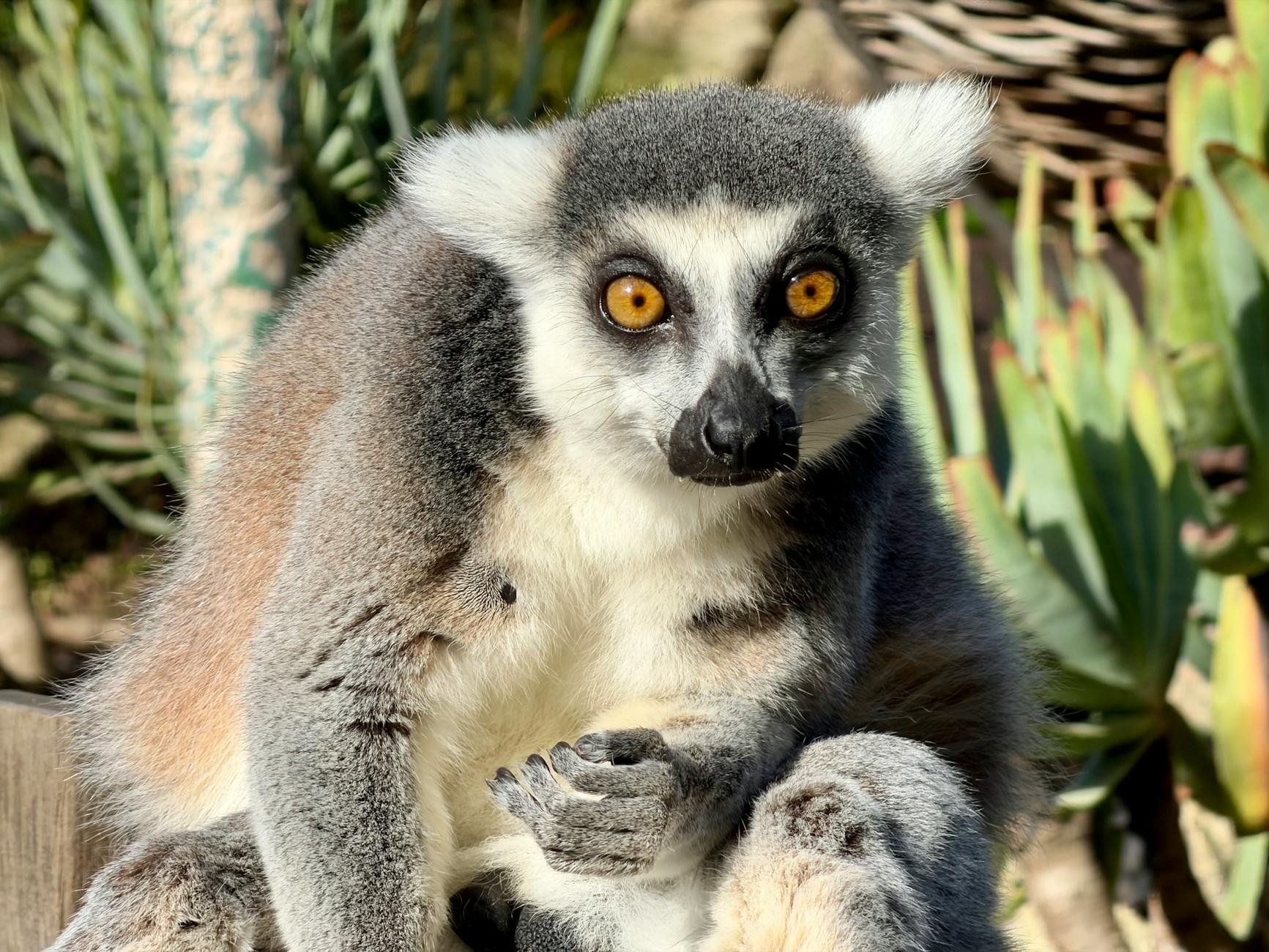
- Lens priority: Fast telephoto 100–500mm equivalent for lemur photography in canopy
- Essential accessories: 15–20 silica gel packets, rain sleeve, dry bag for pirogue and zodiac transfers
- Power: Solar charger or 20,000mAh power bank — many remote lodges run on limited generator hours
- Sensor care: Red laterite dust penetrates everywhere; bring a sensor cleaning kit and rocket blower
- Accommodation for photographers: Book camera-friendly lodges with secure storage via Agoda Antananarivo
- Travel insurance: SafetyWing covers gear theft and medical emergencies
📷 Wildlife Photography Kit for Madagascar
Gear that survives the heat and humidity and gets the shot:
- Mirrorless camera — fast autofocus for wildlife in low light. See on Amazon →
- Telephoto zoom lens — reach shy lemurs and birds high in the trees. See on Amazon →
- High-speed memory cards — never miss a shot; bring spares. See on Amazon →
- Camera dry bag / rain cover — protects gear from humidity and rain. See on Amazon →
- Lens cleaning kit — dust and spray are constant in the field. See on Amazon →
As an Amazon Associate we earn from qualifying purchases.
Madagascar presents camera equipment with challenges found in few other destinations simultaneously: rainforest humidity that exceeds 90%, fine red dust from laterite roads, ocean spray during island transfers, and temperature swings between highland nights at 10°C and coastal afternoons above 35°C. Knowing what gear to bring — and how to protect it — is the difference between returning with your images and returning with a seized aperture mechanism and sensor fungus.
The Core Environmental Threats to Camera Equipment
Madagascar’s rainforests — Andasibe, Ranomafana, Masoala, Marojejy — sustain relative humidity levels between 85 and 95 percent year-round. At these levels, untreated lenses and camera bodies accumulate fungal growth within days if not actively managed. The spores are invisible until they bloom across glass elements weeks later, permanently etching the optical coating. Red laterite dust is the second major threat: the fine clay-iron particles that color Madagascar’s roads and paths work through zippers, port covers and lens mounts with remarkable efficiency. A single 4WD journey on an unsealed road can introduce enough dust to compromise a sensor if you change lenses outdoors.
Sea salt presents a third threat on coastal Madagascar and during island transfers in Nosy Be, Île Sainte-Marie and Fort Dauphin. Pirogue crossings, zodiac transfers to dive boats and beach landings all expose gear to spray. Salt crystallizes on optical elements and metal contacts within hours of exposure. Finally, temperature shock is underrated: moving a cold camera bag (from an air-conditioned vehicle at 18°C) into humid outdoor air at 32°C causes instant condensation on internal glass surfaces. Responsible wildlife photographers also follow strict approach protocols — read our guide on eco-tourism and responsible travel in Madagascar before photographing wildlife.
Traveler with diabetes or chronic condition? Madagascar’s medical infrastructure is limited outside Antananarivo. Bring your own glucose monitoring kit — a 14-day-wear CGM eliminates strip/lancet hassle on multi-stop trips. Browse Sinocare CGMs.
Body and Lens Selection for Madagascar
Weather sealing is non-negotiable for serious Madagascar photography. Cameras in the Canon EOS R7, Nikon Z6 III, Sony A7 IV and Fujifilm X-H2S category offer adequate weather resistance without the bulk and cost of professional bodies. Paired with weather-sealed lenses, these systems handle everything from rainforest downpours to dust roads. The single most important lens for Madagascar wildlife is a fast telephoto in the 100–500mm range: lemurs in forest canopy are rarely still, often backlit and frequently require shooting at ISO 3200 or above in low forest light. A lens with f/5.6 or better at 400mm, combined with effective in-body image stabilization, is the practical minimum.
A macro lens (90–105mm) is indispensable for chameleon and insect photography — Madagascar has over 200 chameleon species, many cryptically colored against bark and foliage. For landscapes, a wide-angle zoom (16–35mm equivalent) captures the scale of the Avenue of the Baobabs, Tsingy formations and highland rice terraces. A mid-range zoom (24–105mm equivalent) handles most village and cultural photography. Our article on how to photograph lemurs in Madagascar covers specific field techniques for the most popular wildlife subject, including recommended shutter speeds and focusing strategies for moving subjects in dappled light.
Humidity, Dust and Water Protection Systems
Silica gel packets are the foundation of humidity management. Pack 15–20 standard packets per camera bag and replace or dry them every three to four days of forest shooting. Store all lenses in sealed zip-lock bags with fresh silica gel overnight at forest lodges. Never open your camera bag inside a cold room and then immediately step outdoors — allow the bag to equilibrate to outdoor temperature for 10 minutes before opening. When cleaning lenses in the field, use a rocket blower to displace loose dust before touching the glass, then a quality lens pen for smears. Never use compressed-air canisters in humidity as the propellant can cause rapid cooling and condensation on internal elements.
For dust, use a UV filter on each lens as a sacrificial front element — replacing a $30 filter is easier than recoating a $2,000 lens. Keep a clean microfiber cloth for wiping contacts and port covers after dusty journeys. For water, a rain sleeve (Vortex Media or similar) covers a body and attached lens during shooting in rain; a sealed dry bag (10-litre Ortlieb or similar) protects everything during boat transfers. Pelican cases are optimal for checked luggage but heavy — a Lowepro ProTrekker or similar weather-resistant backpack works well for daily carry. For additional gear guidance beyond cameras, see our complete packing guide for Madagascar wildlife photographers.
Power, Storage and Practical Field Logistics
Power is a genuine constraint at remote Madagascar lodges. Many conservation lodges in Andasibe, Ranomafana and Marojejy run generators for only three to six hours per evening, providing insufficient time to charge multiple batteries overnight. Pack a minimum of three batteries per camera body and bring a small solar panel (15–25W) with USB output — positioned on a lodge porch or tent roof during the day, it reliably charges two batteries in four to six hours. A high-capacity power bank (20,000–26,800mAh) can charge camera batteries via USB-C power delivery on bodies that support it, and handles phone and GPS charging simultaneously.
For storage, bring double the memory card capacity you think you need — Madagascar wildlife photography produces large raw files at high volumes, and running out of cards in a remote forest is a genuine risk. Use quality cards rated V30 or higher (Lexar, ProGrade, SanDisk Extreme) to ensure write speeds keep pace with burst photography. Back up to a portable SSD every evening. Label all memory cards with tape and a marker — many look identical and card mix-ups cause files to be overwritten. For night photography of chameleons — which Madagascar is exceptional for — a small tripod (Manfrotto Befree or similar travel carbon) and a headlamp with a red light mode are essential field items.
Frequently Asked Questions
Do I need a weather-sealed camera body for Madagascar?
Strongly recommended for any serious photography trip. Rainforest shooting at Andasibe or Ranomafana involves sustained humidity above 85%, occasional rain, and muddy conditions. Non-sealed bodies can still work if you are careful with rain sleeves and dry bag storage, but weather-sealed bodies like the Canon R7, Nikon Z6 III or Sony A7 IV eliminate significant anxiety and allow you to shoot through light rain without hesitation.
What is the best lens focal length for photographing lemurs?
A telephoto in the 100–500mm range (or 150–600mm) gives the most flexibility. Lemurs in forest canopy are often 10–30 meters away and partially obscured by foliage — longer focal lengths compress background blur and isolate subjects. Fast autofocus with animal-eye detection (Sony, Canon and Nikon all offer this) significantly improves hit rates on moving lemurs in low-light forest conditions.
How do I protect my camera gear during pirogue and zodiac transfers?
Use a waterproof dry bag (10-litre minimum) for all gear during any boat transfer. Pelican cases offer better protection but are awkward to handle in small boats. Remove your camera from the bag only once you are stationary and stable on the boat. Never leave gear exposed on deck during island crossings — spray appears suddenly and can drench a bag in seconds.
Can I charge camera batteries at remote Madagascar lodges?
Most conservation lodges in remote areas run generators for 3–6 hours per evening — typically 6pm to 10pm. This is often insufficient to fully charge multiple batteries overnight. Bring a solar panel (15–25W) to charge during the day, or a large power bank as backup. Always confirm power availability when booking your lodge, as some ecolodges have no generator and run entirely on solar systems with limited output.
Your camera gear will face more environmental stress in two weeks in Madagascar than in years of shooting in temperate climates. Invest in the right protection, carry spare power, and you will come home with images that justify every logistical effort. Before you travel, protect your trip: get SafetyWing travel insurance — it covers theft of personal belongings and medical emergencies from under $50 per month, with no geographic restriction on where you can claim.
Travel Insurance for Madagascar
Medical evacuation from Madagascar costs $30,000–$80,000. Don’t travel without cover.
- SafetyWing — monthly-subscription travel medical cover; you can check their plans.
- World Nomads — single-trip travel insurance with adventure-activity options.
Plan Your Trip to Madagascar
- Read the full Madagascar Travel Guide
- Explore itineraries by style and duration
- Explore the full destination guide
Where to Stay