Madagascar Wildlife Hotspot Map: Where Each Species Lives by Season
This post contains affiliate links. We may earn a small commission at no extra cost to you.
At a Glance
- Where to stay: Check hotel availability on Agoda — Madagascar
- Book tours: Browse Madagascar tours on GetYourGuide
Madagascar’s wildlife is not evenly distributed across the island. Different species are restricted to specific forest types, altitude bands and coastal habitats — and many exist in only one or two locations. This guide maps the key species by park and highlights the months that give you the best chance of an encounter. Use it to choose the right parks for your travel window rather than defaulting to the most-visited park without knowing what makes it unique.
Recommended Gear for Your Madagascar Wildlife Trip
You’re Flying 10,000km to See Lemurs, Chameleons, and Fossa — Don’t Document It With a Phone Camera
Indri lemurs calling across the canopy of Andasibe. Panther chameleons in electric blue and orange. The fossa spotted on a night walk in Kirindy. A smartphone sensor in low rainforest light produces grainy, blurred images. The Sony a6400 with Real-Time Eye Autofocus locks onto animal eyes instantly — even through undergrowth and low light. APS-C sensor, 4K video, flip-up touchscreen.
Check current price and availability on Amazon →
Madagascar Has Over 100 Species of Lemur and 280 Species of Bird — You’ll Miss Most of Them Without Binoculars
Sifaka lemurs leap between canopy trees 30 metres up. The Madagascar fish eagle perches on a branch 200 metres across a lake. Without binoculars, you’re looking at distant shapes and taking your guide’s word for it. The Vortex Diamondback HD 10×42 delivers HD optical clarity with edge-to-edge sharpness. Waterproof, fog-proof, backed by Vortex’s unconditional lifetime warranty.
Check current price and availability on Amazon →
Madagascar Goes Completely Dark After Sunset — Don’t Navigate It Blind
Outside of Antananarivo’s main streets, Madagascar has virtually no street lighting. Wildlife walks in Ankarana, night lemur spotting in Ranomafana, the path to your bungalow — all navigated in total darkness. The Black Diamond Spot 400-R delivers 400 lumens with a 100-metre beam, USB-C rechargeable, IPX8 waterproof, with red night-vision mode for wildlife observation without disturbing animals.
Check current price and availability on Amazon →
Madagascar Has Some of the Highest Malaria Risk in the World
The rainforests of Andasibe, the wetlands of Morondava, the rice paddies outside every village — mosquitoes are relentless and bite at dusk and dawn. DEET burns skin and destroys gear. Natrapel 20% Picaridin is the CDC-recommended alternative that repels mosquitoes, ticks, and sandflies for up to 12 hours without damaging your equipment.
Check current price and availability on Amazon →
No Grid, No Problem — Charge Your Devices From the Sun in Madagascar’s Remote Parks
Marojejy. Andringitra. Tsingy de Bemaraha. Madagascar’s most spectacular parks are its most isolated — no power outlets, no phone signal. A 3-day wilderness circuit means running on whatever charge you left camp with. The BLAVOR Solar Power Bank pairs 10,000mAh with a fold-out solar panel that recharges itself from sunlight as you trek.
Check current price and availability on Amazon →
Plan your Madagascar trip:
Lemur Hotspots by Region and Season
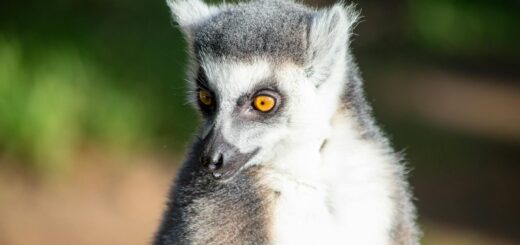
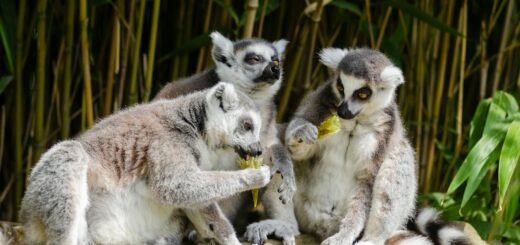
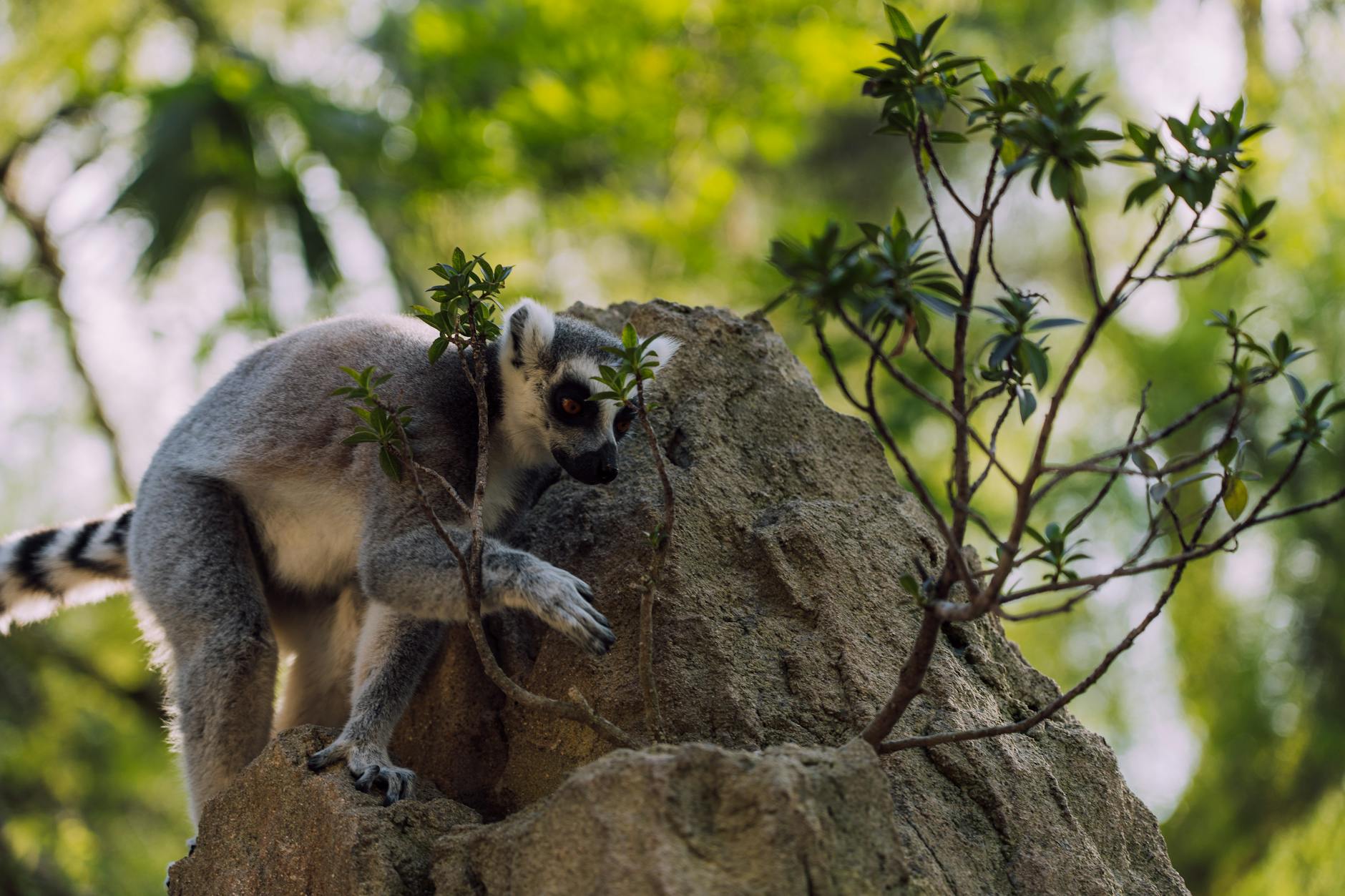
The indri is found only in the eastern rainforest belt from Andasibe north to Marojejy. Peak calling and visibility runs from June to October when deciduous canopy thins out. Ring-tailed lemurs concentrate in Isalo, Anja Community Reserve and Berenty Private Reserve — accessible year-round but most active during the September-October mating season. Aye-ayes are nocturnal and found from Ranomafana to Masoala; Palmarium Private Reserve on the Pangalanes Canal offers near-certain nighttime sightings for visitors willing to pay the entry cost. Golden bamboo lemurs exist only in Ranomafana National Park, with a wild population estimated below 1,000 individuals. Black-and-white ruffed lemurs range across Masoala and Mantadia. Regardless of species or location, most lemur activity peaks between 6am and 10am every morning throughout the year.
Reptile and Amphibian Hotspots
Over 300 chameleon species live in Madagascar — a figure that represents roughly half of all chameleon species on earth. The Parson’s chameleon, the world’s largest, is found in Andasibe, Ranomafana and Masoala. Peak chameleon density occurs in eastern rainforest parks from March to May, when juveniles emerge after wet season rains. Leaf-tailed geckos require eastern rainforest habitat and are most reliably encountered at Mantadia and Marojejy. Nile crocodiles inhabit western rivers — Tsingy de Bemaraha provides reliable sightings from elevated rock viewpoints. Day geckos from the Phelsuma genus are visible year-round on trees and lodge walls across the country. Tomato frogs are restricted to the northwest around Mahajanga and are easiest to find during wet season night walks between November and March.
Read also:
Save money on your Madagascar trip:
Birds and Marine Life by Season
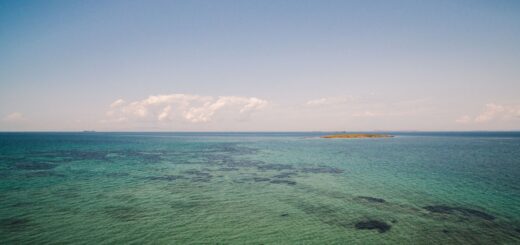
Madagascar records 103 endemic bird species. The most sought-after concentrate in Ranomafana (short-legged ground roller, scaly ground roller), Kirindy (giant coua, white-breasted mesite) and Masoala (helmet vanga). Whale sharks visit the waters around Nosy Be seasonally between October and December, attracted by plankton blooms linked to the Mozambique Channel current cycle. Humpback whales migrate through the channel between Île Sainte-Marie and the mainland from July to September, making this one of the world’s most reliable whale watching locations accessible to tourists. Reef sharks and manta rays concentrate around Nosy Tanikely marine reserve year-round. Nesting sea turtles use beaches on Nosy Hara and along the northeast coast between October and February. Dugongs are occasionally sighted around Nosy Iranja and in Moramba Bay.
The Fossa and Other Carnivores
The fossa is Madagascar’s apex predator and the hardest large mammal to spot. The most reliable location is Kirindy Forest, 60km north of Morondava, where park rangers know individual animals by name and guide visitors to daytime rest sites. Fossa are most active from September to December during the mating season, when they congregate at traditional gathering trees. Night walks at Kirindy between 9pm and midnight give 30 to 40 percent encounter rates for fossa, fanaloka and falanouc. Ranomafana also holds fossa but sightings are less predictable due to denser vegetation. Plan a minimum two-night stay at Kirindy to give yourself two separate attempts. Park entry costs 40,000 MGA and a guide is mandatory. The Menabe Forest Camp lodge sits five minutes from the park gate and can pre-arrange specialist night guides.
Ready to book your Madagascar trip?
Frequently Asked Questions
Which park has the highest density of wildlife in Madagascar?
Ranomafana National Park offers the highest variety per square kilometre, with 12 lemur species, over 200 bird species and hundreds of reptile species concentrated in one accessible area.
What month is best for overall wildlife viewing in Madagascar?
July to October covers the dry season in most parks. Whale watching peaks in August, lemurs are most active from September to October, and trekking conditions are clearest in this window.
Can I see whale sharks and lemurs on the same trip?
Yes. Combining Nosy Be (whale sharks, October–December) with Andasibe (indri, year-round) is feasible on a 10-day itinerary without rushing. The logistics require a domestic flight or a long drive between stops.
Planning around species rather than park names dramatically improves encounter rates. The indri, fossa and golden bamboo lemur each require specific parks and specific seasons. Use this guide to match your travel dates to the species list you care most about, then book a guide who specialises in those animals rather than a generalist covering every park equally.
Flight delayed or cancelled? Flights to Madagascar often connect through Paris or Nairobi. EU regulation EC 261 may entitle you to up to €600 in compensation. Check your claim free on AirAdvisor →
Plan Your Trip to Madagascar
- Read the full Madagascar Travel Guide
- Explore itineraries by style and duration
- Explore the full destination guide
Where to Stay
Hotels, lodges, and tours fill fast for July–September — compare availability now.
Go deeper — Insider Madagascar
Our cultural series on the stories behind the island: